How an Aging Chow Chow Stiffens
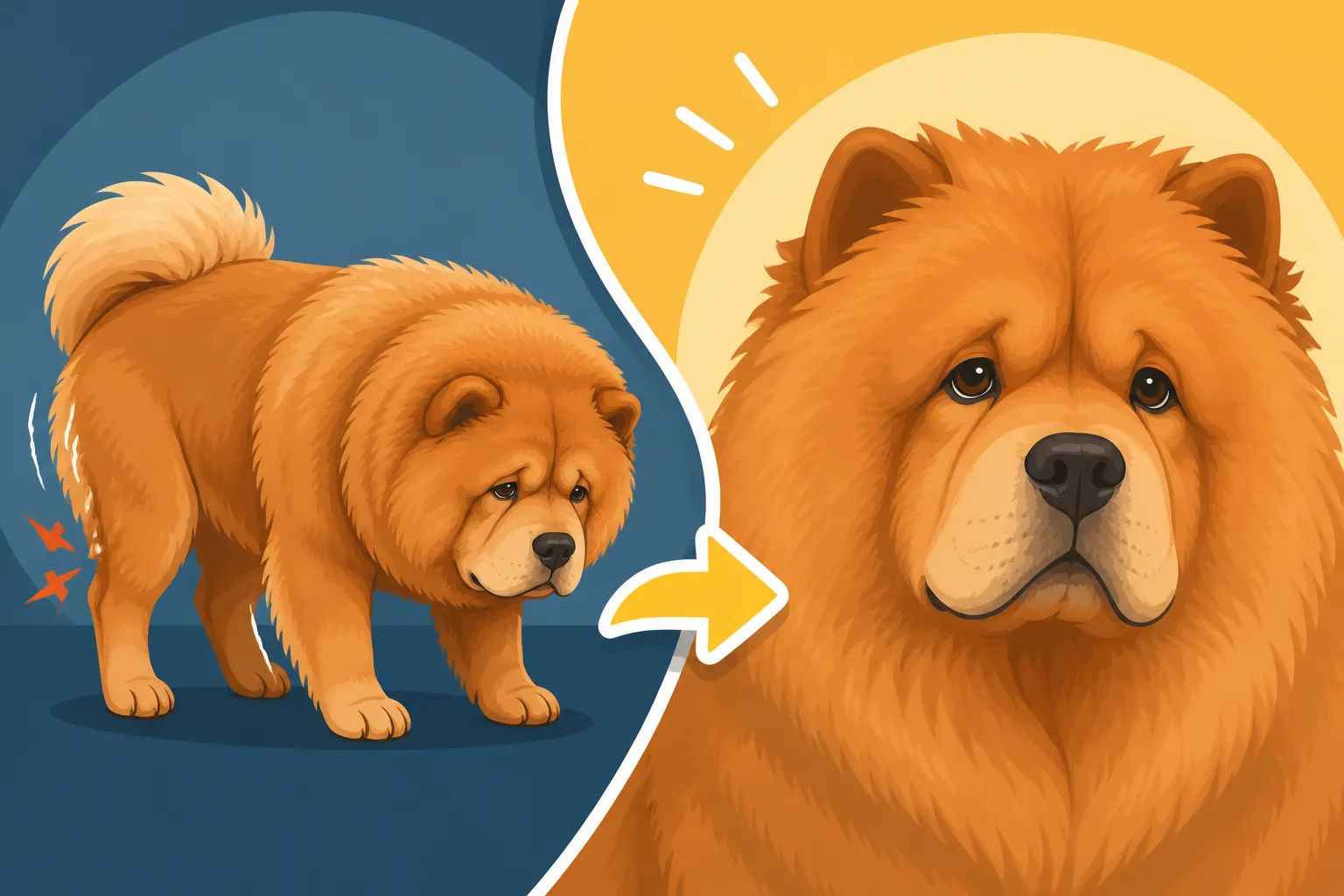
It's a familiar ache in the hearts of many Chow Chow owners: noticing that once-vigorous lion dog start to slow down, struggle with stairs, or rise stiffly after a nap. This isn't just about them getting a little less playful; it's often a sign of physical discomfort and changes in their bodies as they age. This guide will help you understand why your beloved Chow Chow might be stiffening, what to look for, and how you can support them through their golden years.
Understanding the Natural Aging Process in Chow Chows
Just like us, our Chow Chows experience a natural process of aging that brings with it various physical changes. It’s not just one thing that leads to stiffness, but often a combination of factors that compound over time. The journey of a Chow Chow, often spanning The Eight to Twelve Years a Chow Chow Gets, means their bodies endure years of loyal service and unique physical demands.
The Gradual Wear and Tear on Joints
Think about all the running, jumping, and just plain walking your Chow Chow has done over the years. Each movement puts stress on their joints. Over time, the smooth cartilage that cushions their bones starts to wear down, becoming thinner and less resilient. This is a natural consequence of aging for almost any dog, but breeds like the Chow Chow, with their distinctive Why a Chow Chow Moves With a Stilted Gait, might experience particular stress patterns on their hips, elbows, and knees. The synovial fluid, which acts like a lubricant within the joint capsule, can also decrease in quantity or quality, making movements less fluid and more grating. This combination of cartilage degradation and reduced lubrication is a primary contributor to that morning stiffness or difficulty getting up after resting.
Muscle Mass Loss and Weakening
As Chow Chows enter their senior years, typically considered The Age a Chow Chow Is Considered Senior, they naturally begin to lose muscle mass, a condition known as sarcopenia. You might not notice it immediately, especially if your Chow Chow has a magnificent double coat that can Why a Chow Chow's Dense Coat Hides Skin Disease and other physical changes. This loss of muscle strength means there's less support for their joints. Strong muscles help stabilize joints and absorb impact. When muscles weaken, the joints take on more of the load, exacerbating wear and tear and increasing the feeling of stiffness. Simple acts like climbing stairs or even standing up become more strenuous because their muscles just aren't as powerful as they once were.
Neurological Changes and Coordination
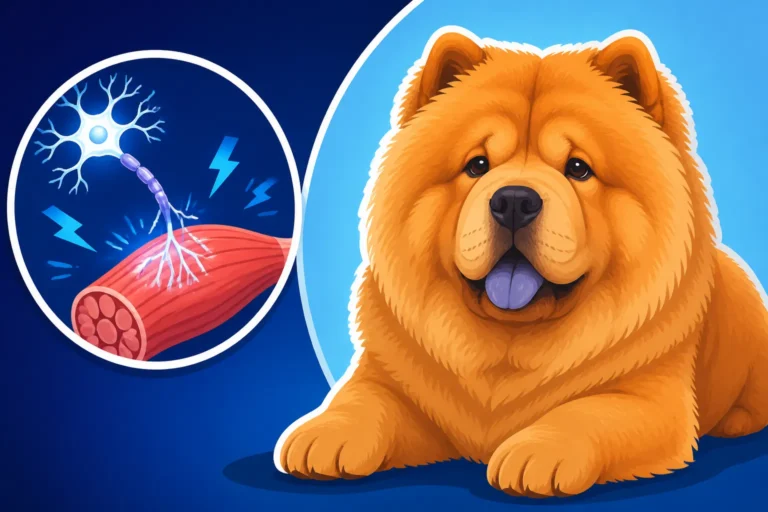
Beyond muscles and joints, the nervous system also plays a role in mobility. With age, nerve impulses can slow down, and sensory feedback from the limbs to the brain can become less precise. This can affect a Chow Chow's proprioception – their body's awareness of its position in space. They might not place their feet as confidently, leading to a hesitant or clumsy gait. While not directly "stiffness," this reduced coordination can manifest as a general reluctance to move, slower reactions, and an overall impression of being less agile or more rigid in their movements. It's like walking on slightly numb feet, making them cautious and sometimes leading to a stiff-legged shuffle to compensate for perceived instability.
Common Health Conditions Contributing to Stiffness
While natural aging is inevitable, several specific health conditions can significantly worsen stiffness and discomfort in an aging Chow Chow. Recognizing these and seeking veterinary care is paramount to improving their quality of life.
Arthritis and Osteoarthritis
Hands down, arthritis (specifically osteoarthritis) is the most prevalent cause of stiffness in senior dogs. It's a progressive degenerative joint disease where the cartilage that cushions the ends of bones within a joint gradually deteriorates. This leads to bone-on-bone friction, inflammation, and pain. In Chow Chows, this can affect any weight-bearing joint, but you'll most commonly see it in their hips, elbows, knees, and spine. Imagine the constant dull ache this can cause, making every movement a deliberate, often painful, effort. This is why you might see them struggling to get up after lying down, particularly in colder weather, or reluctance to go for their usual walks.
Hip and Elbow Dysplasia Worsening with Age
Many Chow Chows are predisposed to developmental orthopedic conditions like Hip Dysplasia in a Chow Chow and Elbow Dysplasia Ranks the Chow Chow Near the Top. While these conditions might have been managed or even subclinical in their younger years, the natural wear and tear of aging, combined with muscle loss, often causes them to become significantly more symptomatic as the dog gets older. A hip that was "just a little loose" in a young dog can become severely arthritic and painful in an older Chow Chow. Similarly, elbows with minor structural abnormalities can develop debilitating bone spurs and inflammation over time. These underlying genetic predispositions mean that the aging process hits these joints harder and earlier, making stiffness a pronounced and painful issue.
Spinal Issues and Disc Degeneration
Stiffness isn't always just about the limbs. Problems in the spine can also cause a rigid posture and reluctance to move, leading to the appearance of overall stiffness. Intervertebral disc disease (IVDD) is a common culprit, where the cushioning discs between the vertebrae bulge or rupture, pressing on the spinal cord. This can cause immense pain, weakness, and neurological deficits. Even without a full disc rupture, general disc degeneration and spondylosis (bone spurs forming along the spine) can lead to chronic back pain and stiffness. Your Chow Chow might hold their head low, have a hunched back, or cry out when touched along their spine. This makes stretching, bending, or even simply turning around a painful ordeal.
Recognizing the Signs of Stiffness in Your Aging Chow Chow
Chow Chows are known for their stoic nature. They aren't always expressive with their pain, which means you, as their dedicated owner, need to be extra observant to catch the subtle cues. This is especially true because How a Chow Chow Hides Pain so effectively.
Changes in Movement and Activity Levels
This is often the first and most obvious sign. Your Chow Chow might start to:
- Move slower: Their pace on walks might decrease, or they might lag behind.
- Struggle with stairs: They may hesitate, go up or down one step at a time, or avoid them altogether.
- Have difficulty getting up: After resting, they might take longer to rise, push themselves up with effort, or appear wobbly.
- Show reluctance to jump: This could be into the car, onto the couch, or even just for a treat.
- Exhibit a stiff or uneven gait: Watch them walk; do they favor a leg? Is their tail carriage different? Do they take shorter, choppier steps?
- Be less enthusiastic for play or walks: While some slowing down is normal, a significant drop in eagerness for activities they once loved can signal discomfort.
- Shift weight differently: They might try to take weight off a painful limb, leading to an awkward stance or gait.
Behavioral Indicators of Discomfort
Since Chow Chows aren't always vocal about pain, their behavior often speaks volumes. Look for changes in their normal routines and temperament:
- Increased irritability or grumpiness: If your usually aloof Chow Chow becomes even more withdrawn, or growls or snaps when approached or touched, especially in specific areas, it could be due to pain.
- Licking or chewing at specific joints: This is an attempt to self-soothe.
- Changes in sleeping positions: They might avoid curling up tightly or stretch out more to ease pressure on joints.
- Reluctance to be groomed: Brushing or handling certain parts of their body, like their rear or legs, might become problematic.
- Changes in appetite: While not always a direct sign of stiffness, chronic pain can affect their overall well-being and desire to eat.
- Seeking warmth: They might prefer to lie in sunny spots or on soft, warm blankets more than before.
Physical Manifestations
Sometimes, you can actually see the physical evidence of stiffness and its underlying causes.
- Muscle atrophy: Look for noticeable thinning of muscle mass, particularly in their hindquarters or around affected joints. This can make their legs look thinner.
- Joint swelling or heat: Carefully feel their joints. Are any warm to the touch or noticeably swollen compared to the other side?
- Changes in posture: A hunched back, a lowered head, or an unusual stance can all point to spinal or joint pain.
- Limping or favoring a limb: This is a clear sign that one leg is causing more pain than others.
- Difficulty squatting to relieve themselves: Stiffness in hips or knees can make this simple act challenging and uncomfortable.
Table: Common Signs of Stiffness in Aging Chow Chows
| Sign Category | Specific Observations | Potential Cause |
|---|---|---|
| Movement & Activity | Slowing down, hesitation with stairs, difficulty rising | Arthritis, joint pain, muscle weakness |
| Behavioral Changes | Increased irritability, withdrawal, licking affected areas, altered sleeping | Chronic pain, discomfort |
| Physical Manifestations | Muscle loss (atrophy), joint swelling/heat, altered posture (hunching), limping | Osteoarthritis, dysplasia, spinal issues |
| Vocalization (Rare) | Whining or crying when moving or touched (more common in highly painful episodes) | Acute pain or severe discomfort |
Supporting Your Stiff Senior Chow Chow
Discovering your Chow Chow is stiff and in pain can be heartbreaking, but there’s so much you can do to help them live out their senior years with comfort and dignity. Caring for a Chow Chow Past Eight often involves a multi-faceted approach.
Veterinary Assessment and Pain Management
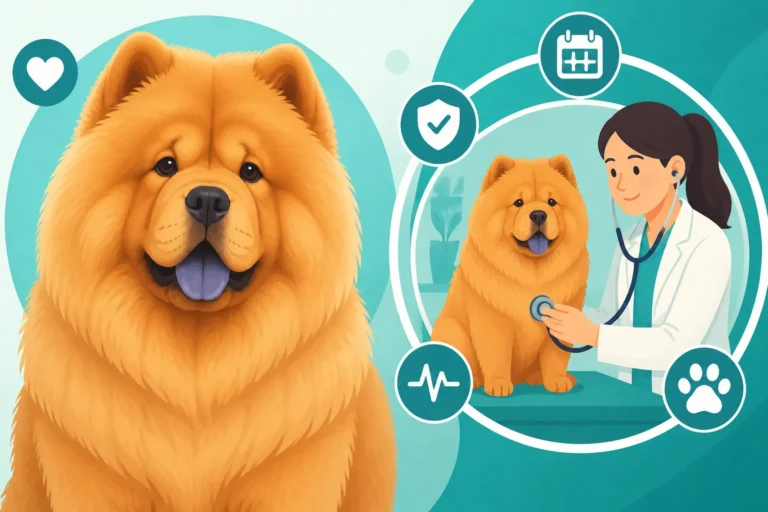
The absolute first step is a thorough veterinary examination. Don't try to diagnose or treat stiffness yourself. Your vet can pinpoint the exact cause of your Chow Chow's discomfort, which might involve physical exams, X-rays, and potentially blood tests. For example, What a Chow Chow's Yearly Bloodwork Should Cover can help rule out other conditions and assess overall health before starting certain medications.
Once a diagnosis is made, your vet can recommend a tailored pain management plan. This often includes:
- Non-Steroidal Anti-Inflammatory Drugs (NSAIDs): These are commonly prescribed to reduce pain and inflammation. Your vet will monitor their use to ensure safety.
- Other Pain Medications: Depending on the severity and type of pain, other medications like gabapentin or amantadine might be added.
- Joint Supplements: Glucosamine, chondroitin, and omega-3 fatty acids can help support joint health and reduce inflammation. Whether a Chow Chow Needs Joint Supplements is a common question, and for senior dogs with stiffness, they are often a beneficial addition.
- Physical Therapy/Rehabilitation: Techniques like therapeutic exercises, hydrotherapy (swimming), acupuncture, and cold laser therapy can significantly improve mobility, strength, and comfort.
- Weight Management: Keeping your Chow Chow at a healthy weight is paramount to reduce stress on their aging joints.
It’s also important to consider pet insurance, especially as your Chow Chow ages. Plans from providers like Healthy Paws can be a lifesaver, helping to cover unexpected veterinary costs, particularly for chronic conditions like arthritis that require ongoing management. Planning ahead for these potential costs can ease the burden during an already stressful time.
Environmental Modifications for Comfort
Making simple changes around your home can dramatically improve your senior Chow Chow's daily life and reduce their risk of injury.
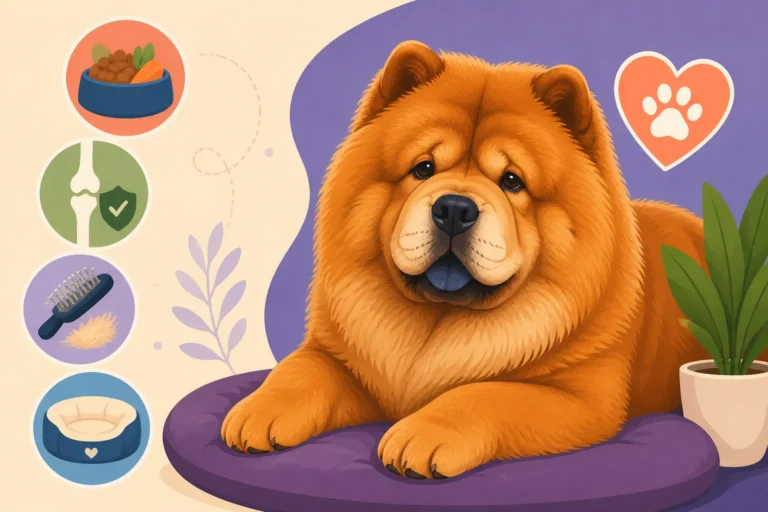
- Non-slip surfaces: Hardwood floors and tiles can be treacherous. Lay down rugs or carpet runners, especially in high-traffic areas or where your Chow Chow sleeps and eats.
- Ramps or steps: Provide ramps for accessing beds, couches, or cars. This eliminates the need for painful jumping.
- Orthopedic beds: A supportive, memory foam bed can offer immense comfort, cushioning aching joints and providing better sleep.
- Raised food and water bowls: This can help prevent strain on their neck and back while eating and drinking.
- Easy access to outdoors: Ensure they can easily get outside for potty breaks, perhaps by installing a pet door if safe and feasible, or by ensuring frequent supervised outings.
- Temperature control: Keep their living environment comfortably warm, as cold and dampness can exacerbate joint pain. Healthy Paws emphasizes preventative care, and creating a comfortable home environment falls right into that category.
Nutrition and Weight Management
What your Chow Chow eats plays a crucial role in their joint health, especially as they age.
- High-quality senior diet: Switch to a senior-specific dog food that is formulated to support joint health, maintain muscle mass, and manage weight. These diets often contain controlled calorie levels and added joint-supporting nutrients.
- Portion control: It’s easy for senior dogs to gain weight as their metabolism slows down and activity levels decrease. Work with your vet to determine the appropriate portion size to keep them at a lean, healthy weight. Every extra pound puts more strain on their joints.
- Supplements: As mentioned earlier, supplements like glucosamine, chondroitin, and omega-3 fatty acids can be beneficial. Discuss these with your vet to ensure they are appropriate for your individual Chow Chow. Investing in good nutrition and supplements is another proactive step that can help mitigate the progression of stiffness and pain, potentially reducing the need for more intensive (and costly) interventions down the line. It's an aspect of care that many pet parents appreciate when they look at comprehensive wellness, which a provider like Healthy Paws would also support through their overall approach to pet health.
Disclaimer
This article is for general informational purposes only and does not constitute professional advice. Laws, prices and regulations vary by location and change over time. Consult a qualified professional for guidance on your specific situation.