Why a Chow Chow Limps After Rest
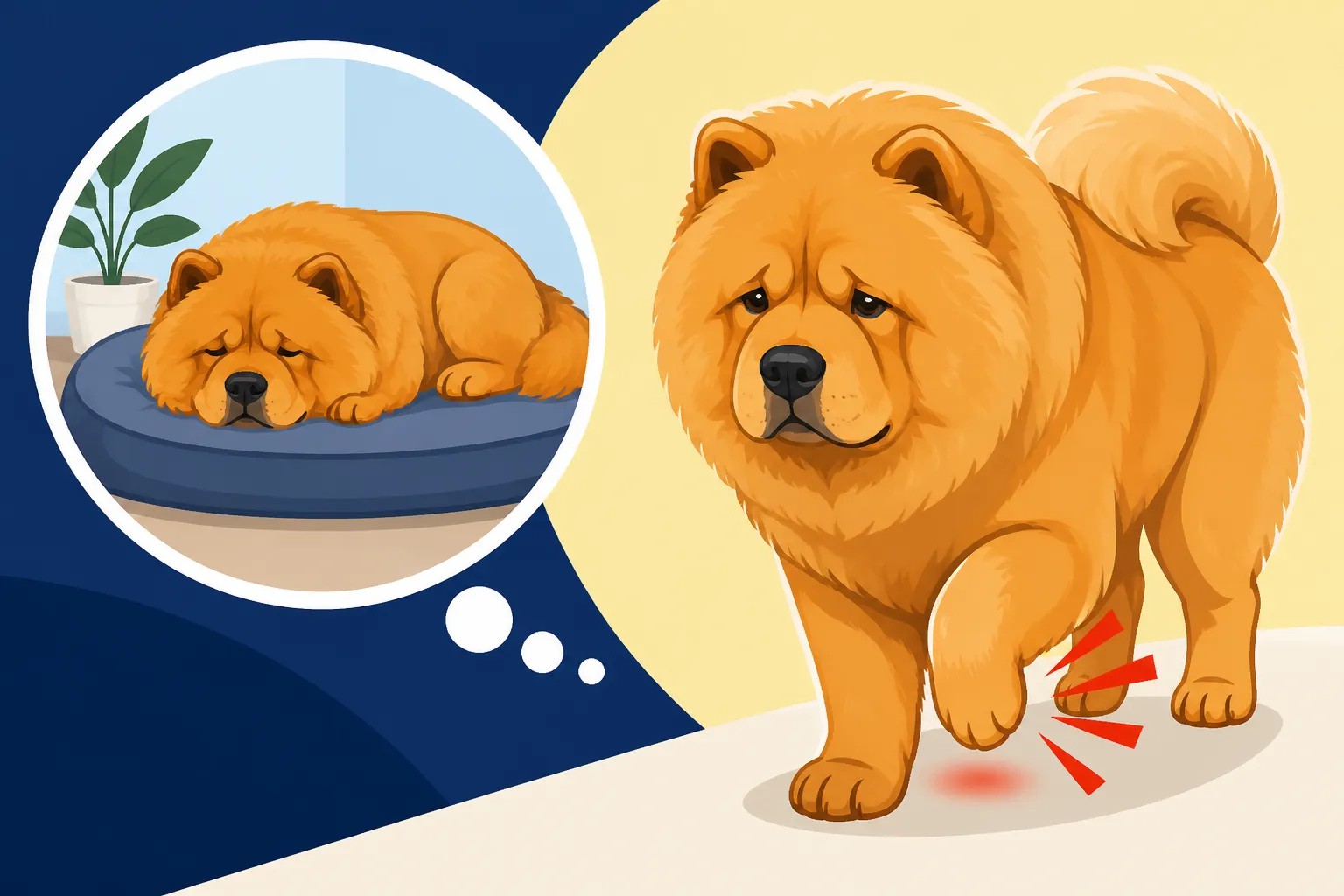
It’s truly unsettling to watch your usually stoic Chow Chow struggle to get up after a nap or a long night’s rest, showing an obvious limp that wasn’t there when they were active. This common and distressing sight often leaves Chow Chow owners wondering what could be causing their beloved companion's discomfort. This guide is here to shed light on the various reasons your Chow Chow might be limping after rest, offering insights into their unique physiology and helping you understand when it’s time to call the vet.
Understanding the Chow Chow's Orthopedic Predispositions
Chow Chows are magnificent dogs, known for their lion-like mane, deep-set eyes, and distinctive blue-black tongue. But beneath that plush coat and regal demeanor lies a unique skeletal structure that, while contributing to their iconic look, also predisposes them to certain orthopedic challenges. Their conformation, which sets them apart, can sometimes be the very reason they experience stiffness or limping, especially after periods of inactivity.
The Impact of Their Distinctive Straight Rear Leg
One of the most striking anatomical features of the Chow Chow is their relatively straight rear limb angulation, often referred to as a "stilted gait." Unlike many other breeds that have a more angulated knee and hock joint, a Chow Chow’s hind legs are straighter. This unique conformation means that their rear legs act less like shock absorbers and more like sturdy pillars. When they move, this results in a rather choppy or "stilted" gait, where the movement is somewhat restricted compared to breeds with more flexible angulation.
While aesthetically pleasing and historically useful for endurance at a slow trot, this straightness can put significant stress on the hip, stifle (knee), and hock joints over time. These joints are constantly bearing the brunt of impact without the same degree of cushioning that a more angulated leg would provide. After a period of rest, when the muscles and connective tissues around these stressed joints cool down and stiffen, the discomfort becomes much more apparent, leading to that worrying limp as they try to "warm up" their movement.
Why Their Dense Build Affects Mobility
Chow Chows are not just fluffy; they are incredibly dense and powerfully built dogs. An adult Chow Chow typically weighs between 45 to 70 pounds, and much of that weight is solid muscle and bone. This substantial build, combined with their unique leg structure, means their joints are under considerable load even during normal activities. When they lie down, the pressure is relieved, but as they attempt to rise, the full force of their body weight immediately presses on joints that might already be inflamed or stiff from underlying conditions.
Maintaining an ideal weight is absolutely crucial for this breed. Even a few extra pounds can exponentially increase the stress on their already predisposed joints, accelerating wear and tear and exacerbating any existing orthopedic issues. This added strain can make that post-rest limp much more pronounced and painful, as their body struggles to support itself against the forces of gravity with compromised joint health.
Common Orthopedic Issues Causing Post-Rest Limping
When your Chow Chow limps after rest, it's often a sign of underlying joint discomfort or a developing orthopedic condition. This breed is unfortunately prone to several such issues, many of which tend to manifest as stiffness or pain after periods of inactivity. Understanding these common problems is the first step toward getting your furry friend the help they need.
Hip and Elbow Dysplasia: The Usual Suspects
Hip and elbow dysplasia are arguably two of the most prevalent and impactful orthopedic conditions in Chow Chows. They are developmental disorders where the joints don't form properly, leading to instability, pain, and eventually arthritis. Seeing your Chow Chow struggle to rise or limp after rest is often one of the earliest and most telling signs of these conditions.
With Hip Dysplasia in a Chow Chow, the ball and socket of the hip joint don't fit together snugly. This laxity allows the joint to grind and wear down over time, causing pain and inflammation. Similarly, What Elbow Dysplasia Does to a Chow Chow involves abnormal development of the elbow joint, often leading to bone fragments, cartilage damage, or improper growth that creates painful friction. Because these are genetic conditions, they can start affecting dogs even at a young age, though symptoms might not become obvious until later. The pain is typically worse after rest because the inflamed or damaged joint has stiffened up, and movement becomes excruciating until the dog has had a chance to gently stretch and warm the area. This is a primary reason Elbow Dysplasia Ranks the Chow Chow Near the Top among affected breeds.
Arthritis and Degenerative Joint Disease
Even if your Chow Chow doesn't have a severe case of dysplasia, they are certainly not immune to arthritis, or degenerative joint disease (DJD), especially as they age. Arthritis is the inflammation of one or more joints, often a secondary consequence of long-term stress, injury, or conditions like dysplasia. It’s characterized by the breakdown of cartilage within the joint, leading to bone-on-bone friction, pain, and reduced mobility.
The classic symptom of arthritis is stiffness or limping after periods of inactivity, often called "morning stiffness." Your Chow Chow might struggle to get out of bed, move slowly, or show reluctance to jump or climb. As they move around, the joint fluid warms up, and the stiffness might temporarily ease, giving them a brief period of relief. However, the underlying inflammation and damage persist. It’s a progressive condition, and knowing The Age a Chow Chow Gets Arthritis can help you anticipate and manage this challenge, as many Chows begin to show signs around 7-8 years old. You might notice subtle changes in their gait or a general slowing down as How an Aging Chow Chow Stiffens becomes more apparent.
Patellar Luxation and Cruciate Ligament Issues
Beyond the major hip and elbow concerns, other knee (stifle) problems can cause your Chow Chow to limp after rest. Patellar Luxation in a Chow Chow, or a "floating kneecap," is a condition where the patella (kneecap) slips out of its groove. This can cause intermittent limping, especially after the dog has been resting and then puts weight on the affected leg. The leg might lock up for a few steps before the kneecap pops back into place.
Another significant issue is a Cruciate Tears in a Chow Chow. The cranial cruciate ligament (CCL) is a crucial ligament in the knee that provides stability. While a sudden, complete tear often results in non-weight-bearing lameness, chronic or partial tears can manifest as stiffness and limping, particularly after rest. The instability in the joint causes inflammation, and when the dog rests, this inflammation can settle, making the first movements after a nap quite painful. If left untreated, these issues can quickly lead to severe arthritis in the stifle joint.
Other Potential Causes and When to Worry
While joint issues are often the primary culprits for a Chow Chow limping after rest, it's important to remember that the musculoskeletal system is complex. Other factors, from minor injuries to more serious underlying health concerns, can also present with similar symptoms. Being observant and knowing when to seek professional help is vital.
Soft Tissue Injuries and Minor Sprains
Sometimes, the cause of a limp isn't a chronic joint disease but a simple soft tissue injury. Just like humans, Chow Chows can pull a muscle, sprain a ligament, or strain a tendon. This can happen from a misstep during play, jumping off furniture awkwardly, or even from too much exertion on a walk. These types of injuries might not be immediately obvious, and the pain might only become noticeable after the muscles and tissues have cooled down and stiffened during a period of rest.
A minor sprain might cause intermittent limping that improves with light activity and then returns after another rest period. While often self-limiting with a few days of strict rest, it’s crucial to monitor the situation. If the limp doesn't improve, worsens, or is accompanied by swelling or heat in the limb, it’s always best to consult your veterinarian to rule out anything more serious like a fracture or a more significant tear. Never assume it's "just a sprain" if it persists.
Neurological Conditions and Spinal Issues
Though less common, certain neurological conditions or problems with the spine can mimic orthopedic limping. A pinched nerve, intervertebral disc disease (IVDD), or other spinal issues can cause pain, weakness, or nerve dysfunction that makes a dog limp, especially in their hind legs, and often worsens after rest. The inactivity allows inflammation to build, and movement then aggravates the compressed nerves.
In rarer cases, a condition like Myotonia Congenita in a Chow Chow could be a factor. This genetic disorder causes muscles to contract abnormally and relax slowly, leading to stiffness and difficulty moving, particularly after inactivity or cold exposure. While typically diagnosed in puppies, if symptoms are mild, they might not be fully appreciated until later. If your Chow Chow exhibits any signs of weakness, dragging paws, incoordination, or muscle stiffness beyond typical joint pain, a neurological examination is imperative.
The Role of Weight and Diet in Joint Health
We simply cannot overstate the importance of maintaining a healthy weight for your Chow Chow, especially when it comes to their joint health. Given their dense build and predispositions to orthopedic issues, every extra pound puts immense, unnecessary stress on their hips, elbows, knees, and spine. This constant strain accelerates cartilage breakdown, exacerbates inflammation, and can turn a mild limp after rest into chronic pain.
If your Chow Chow is carrying too much weight, a gradual, veterinarian-supervised weight loss plan is one of the most impactful interventions you can make. This involves careful portion control, selecting an appropriate diet, and incorporating controlled, low-impact exercise. Furthermore, a balanced diet rich in essential nutrients and potentially supplemented with joint-supporting ingredients like glucosamine, chondroitin, and omega-3 fatty acids can play a significant role in mitigating inflammation and supporting cartilage health. It's often difficult to tell How a Chow Chow's Coat Hides Weight Loss, so regular body condition scoring is essential. Focus on Keeping a Chow Chow at the Weight Its Elbows Can Carry to ensure their longevity and comfort, and remember that Getting Weight Off a Chow Chow needs to be a steady, consistent effort.
What to Do When Your Chow Chow Limps After Rest
Discovering your Chow Chow limping after rest can be alarming, but there are clear steps you can take, from initial observation to long-term management. Early intervention and informed decisions can make a significant difference in your dog's comfort and prognosis.
Observation and Initial Home Care
The moment you notice your Chow Chow limping, become a keen observer. Pay close attention to:
- Severity: Is it a subtle hesitation, or a pronounced three-legged gait?
- Duration: How long does the limp last after they get up? Does it improve with movement, or does it persist?
- Onset: Was there any specific event (a fall, a hard run) that preceded the limping?
- Other Symptoms: Is there swelling, heat, or tenderness when you gently touch the limb? Are they lethargic, eating less, or showing other signs of pain?
For a mild, intermittent limp without obvious swelling or acute pain, the first step is often strict rest. Limit your Chow Chow's activity to short, leashed potty breaks only. Prevent jumping on and off furniture or climbing stairs. You might also consider applying a warm, moist towel or a pet-safe heating pad to the affected area for 10-15 minutes a few times a day to increase blood flow and ease muscle stiffness. Never give human pain medications like ibuprofen or acetaminophen, as these can be toxic to dogs.
When to Consult Your Veterinarian
While minor limps can sometimes resolve with rest, it's crucial to know when veterinary intervention is necessary. You should contact your vet immediately if:
- The limping is sudden and severe, or your Chow Chow cannot bear weight on the limb at all.
- The limping is accompanied by visible swelling, heat, or obvious pain when touched.
- Your Chow Chow is lethargic, has a fever, or shows other signs of being unwell.
- The limp persists for more than 24-48 hours despite rest, or it seems to be worsening.
- You notice any neurological signs like dragging a paw, weakness in the rear, or loss of balance.
During the veterinary visit, expect a thorough physical examination, including palpation of the joints and assessment of range of motion. Your vet might recommend diagnostic imaging, such as X-rays, to look for signs of dysplasia, arthritis, fractures, or other bone abnormalities. In some cases, blood tests may be performed to rule out inflammatory conditions or other systemic issues. Diagnostic tests and ongoing treatments for chronic conditions like arthritis or dysplasia can be costly, and many owners find a good pet insurance plan, like those offered by Healthy Paws, invaluable for covering these expenses.
Long-Term Management and Prevention Strategies
Once a diagnosis is made, your vet will work with you to create a long-term management plan. For many Chow Chows with chronic orthopedic issues, this involves a multi-modal approach to pain relief and joint support.
Weight Management: This cannot be stressed enough. Maintaining a lean body condition is the single most important factor in managing joint pain and slowing the progression of arthritis. Work with your vet to determine your Chow Chow’s ideal weight and a feeding plan to achieve it.
Controlled Exercise: Avoid high-impact activities. Instead, focus on consistent, low-impact exercise like short, controlled walks on soft surfaces (grass, dirt) or swimming. These activities help maintain muscle strength and joint flexibility without excessive strain.
Joint Supplements: Many veterinarians recommend joint supplements containing glucosamine, chondroitin, MSM, and omega-3 fatty acids (like fish oil) to support cartilage health and reduce inflammation. For conditions like Elbow Dysplasia Ranks the Chow Chow Near the Top, such supplements are a critical part of the long-term strategy.
Pain Management: Depending on the severity of the condition, your vet might prescribe non-steroidal anti-inflammatory drugs (NSAIDs) or other pain relievers. Follow their instructions carefully.
Environmental Modifications: Make your home more joint-friendly. Provide orthopedic beds for comfortable rest. Use ramps or steps to help your Chow Chow get on and off furniture or into vehicles. Place non-slip rugs on slick floors to prevent slips and falls.
Regular Veterinary Check-ups: Consistent monitoring is key. Regular check-ups allow your vet to assess your Chow Chow's comfort level, adjust medications, and catch any new issues early. For chronic conditions that require consistent veterinary care, having a reliable pet insurance provider like Healthy Paws can significantly ease the financial burden, allowing you to focus on your Chow Chow's comfort and well-being without financial stress.
Finally, remember that responsible breeding practices play a huge role in preventing many of these genetic conditions. Always ask a breeder about the health testing they conduct. A good breeder will be transparent about Which Health Tests a Chow Chow Breeder Should Run and proudly show you the certifications for the parents, ensuring they’ve done What a Chow Chow Breeder Should Have Tested for conditions like hip and elbow dysplasia, as well as eye certifications.
Quick Reference: Limping After Rest in Chow Chows
| Potential Cause | Key Symptoms | Immediate Action | Veterinary Intervention Needed? |
|---|---|---|---|
| Hip/Elbow Dysplasia | Stiffness, difficulty rising, bunny hopping gait | Rest, warmth, monitor | Yes, for diagnosis & management |
| Arthritis/DJD | "Morning stiffness," slow to warm up, reduced activity | Rest, warmth, joint supplements | Yes, for diagnosis & pain meds |
| Patellar Luxation | Intermittent skips/hops, leg lock-up | Monitor, restrict jumping | Yes, if persistent/painful |
| Cruciate Ligament Issues | Stiffness, lameness, reluctance to bear weight | Strict rest, cold compress | Yes, urgently |
| Soft Tissue Injury/Sprain | Mild to moderate limp after activity, tenderness | Strict rest, warmth, monitor | Yes, if no improvement/worsens |
| Neurological/Spinal Problem | Weakness, dragging paws, incoordination, severe pain | Strict rest, avoid twisting | Yes, urgently |
| Overweight | General stiffness, reluctance to move, heavy panting | Diet modification, controlled exercise | Yes, for weight loss plan |
Disclaimer
The information provided in this guide is for general educational purposes only and should not be considered a substitute for professional veterinary advice. Always consult with a qualified veterinarian regarding any health concerns or before making any decisions about your Chow Chow's medical care.