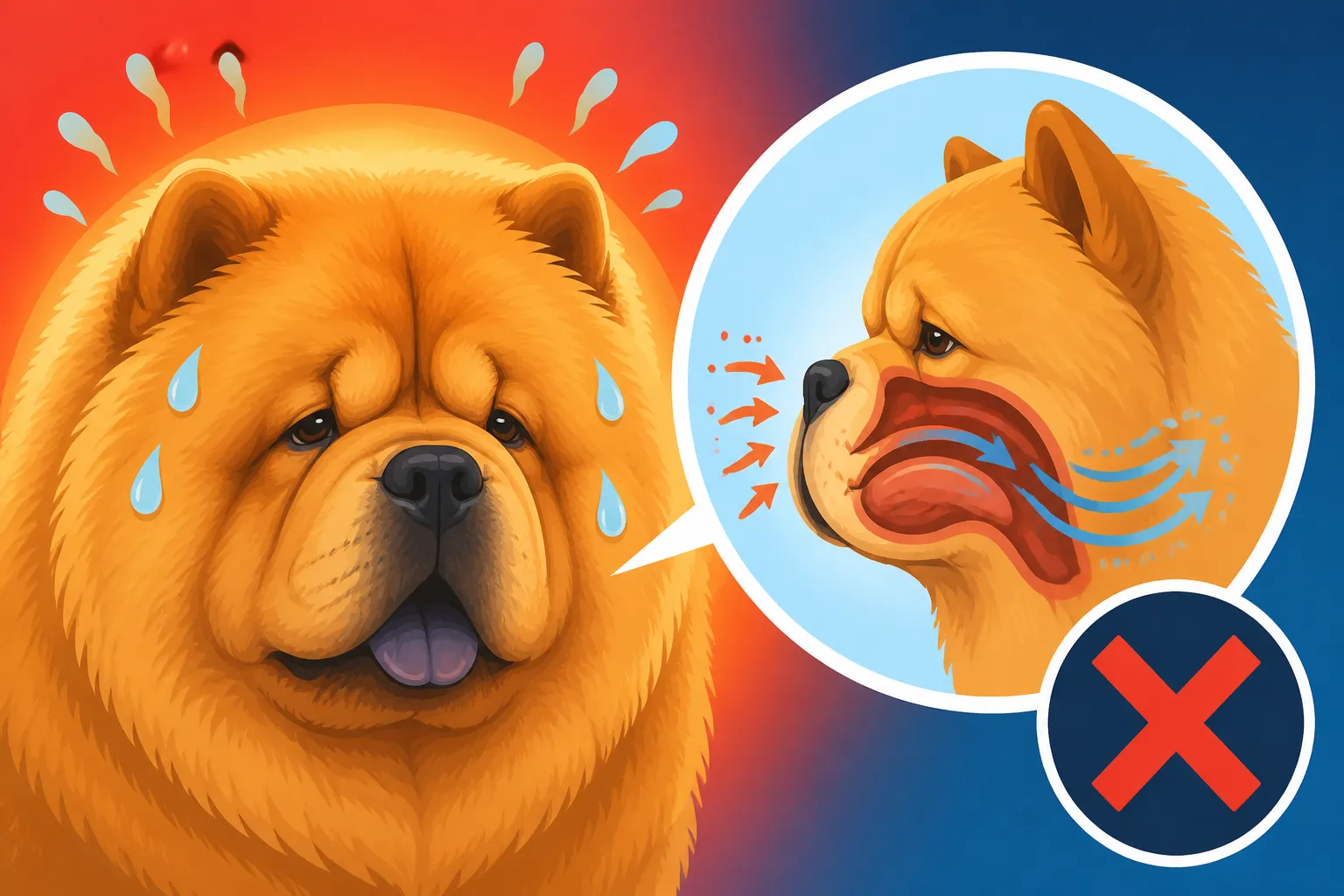
Why a Chow Chow’s Short Muzzle Cools Poorly
If you've ever owned a Chow Chow, you know that managing their body temperature, especially when the mercury rises, can feel like a constant battle. It's incredibly frustrating to see your beloved furry friend struggle, even on what seems like a mild day, while other dogs are happily trotting along. This guide is here to shed light on a significant, often misunderstood, factor contributing to this challenge: your Chow Chow's unique facial structure and why their short muzzle makes cooling down a much tougher task than it is for many other breeds.
The Mechanics of Canine Cooling
Dogs are fascinating creatures, and their bodies have evolved some pretty clever ways to deal with heat. Unlike humans who sweat profusely all over their skin, our canine companions primarily rely on a different system to keep their internal temperatures regulated. Understanding this fundamental difference is key to grasping why some breeds, like our Chows, have a harder time.
Panting: The Primary Heat Exchange System
When your dog gets warm, whether it’s from exercise, excitement, or simply being out in the sun, you’ll notice them start to pant. This isn't just a sign of exertion; it's their body's most effective cooling mechanism. As a dog pants, they rapidly draw air over the moist surfaces of their tongue, mouth, and respiratory tract. The moisture on these surfaces then evaporates, carrying heat away from the body in much the same way sweat evaporating from our skin cools us down. Think of it as a natural, built-in air conditioning unit for your dog. The faster and shallower the pant, the more air moves over these surfaces, and the more heat is dissipated.
However, this system isn't without its limitations, especially when humidity is high, as evaporation is less efficient in moist air. And for some breeds, the very design of their faces can make this crucial process far less effective from the outset, putting them at a significant disadvantage when trying to stay cool.
Why Nose and Mouth Anatomy Matters
The efficiency of panting heavily depends on the architecture of a dog's respiratory system. Air needs to move freely and quickly over as much moist surface area as possible to maximize evaporative cooling. This means long, open nasal passages, a broad oral cavity, and a clear airway are ideal. When a dog inhales, cool air enters through the nostrils, travels through the nasal passages, picks up moisture, and is then exhaled, carrying heat with it. The longer the nasal passages, the greater the surface area for heat exchange to occur before the air even reaches the lungs. This intricate dance of airflow and moisture is what allows most dogs to regulate their temperature quite well under normal conditions.
But what happens when this carefully designed system is compressed or altered? The effectiveness plummets, and that's precisely where the Chow Chow's unique characteristics come into play, making their cooling process much less efficient.
The Chow Chow's Unique Facial Structure
When you look at a Chow Chow, their distinctive, often "scowling" expression and sturdy build are undeniable. Part of that iconic look comes from their broad, somewhat flattened face. While undeniably charming, this particular facial structure, scientifically known as brachycephaly, is a double-edged sword when it comes to regulating body temperature. It directly impedes the very mechanisms other dogs use to stay cool.
Brachycephaly and Its Impact on Airflow
"Brachycephaly" simply means "short-headed." Breeds like Chow Chows, Bulldogs, Pugs, and Boston Terriers all share this characteristic. While their skulls appear normal from the side, a closer look reveals that their facial bones have been compressed, leading to a host of anatomical differences that significantly impact their ability to breathe and, by extension, cool themselves.
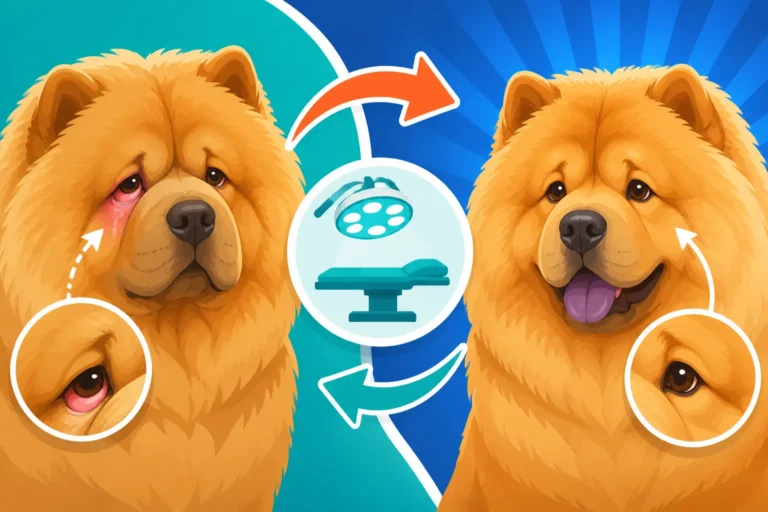
For a Chow Chow, this compression means their nasal passages are much shorter and narrower than those of a dog with a longer muzzle. Imagine trying to breathe deeply through a very small, pinched straw – that's often what it's like for them. Their nostrils can be stenotic, or narrowed, making it harder to draw in sufficient air. Furthermore, the soft palate at the back of their mouth is often too long for their shortened skull, sometimes partially obstructing the airway. This combination of factors — narrowed nostrils, congested nasal passages, and an elongated soft palate — collectively known as Brachycephalic Obstructive Airway Syndrome (BOAS), drastically reduces the efficiency of their panting. Less air can pass through, and the air that does move has less surface area to facilitate evaporative cooling. This makes it much harder for them to dissipate heat effectively, leading to them getting hotter, faster, and staying hotter, longer. You might even hear a distinctive snorting or snoring sound, even when they're awake, which is a sign of these compromised airways.
The Chow Chow's Skull and Respiratory Challenges
Beyond just the shortened muzzle, the overall structure of a Chow Chow's skull contributes to their respiratory challenges. Their broad, dense skull and compact facial tissues mean there's less space for airways, making the entire respiratory tract a tight squeeze. This isn't just about moving air; it's about the effort required to do so. A Chow Chow has to work much harder to breathe than a longer-muzzled dog, and this increased effort itself generates internal body heat. It's a cruel cycle: they overheat, try to pant harder, but the increased panting effort makes them even hotter.
This anatomical reality means that even mild exertion or moderate temperatures can quickly push a Chow Chow into dangerous territory. Their bodies are simply not designed for efficient cooling, making vigilance and proactive management on the part of their owners absolutely critical. It's why recognizing the Signs a Chow Chow Is in Heat Stroke is so vital, because their condition can deteriorate rapidly.
Beyond the Muzzle: Other Contributing Factors to Overheating
While the short muzzle is a major player in a Chow Chow's struggle with heat, it's not the only factor. Their overall physical characteristics, many of which are highly valued in the breed standard, unfortunately conspire to make them even more susceptible to overheating. Owners often overlook these additional elements, assuming if they manage the breathing, all will be well. However, understanding the complete picture is essential for truly effective heat management.
The Double Coat: A Blessing and a Curse
One of the most defining features of a Chow Chow is their magnificent double coat. Whether you have a rough-coated Chow Chow with its impressive mane or a smooth-coated one, both possess this incredibly dense and insulating fur. This double coat consists of a harsh, coarse outer guard coat and a soft, woolly undercoat. In their ancestral home, this coat was a blessing, providing excellent insulation against harsh, cold winters.
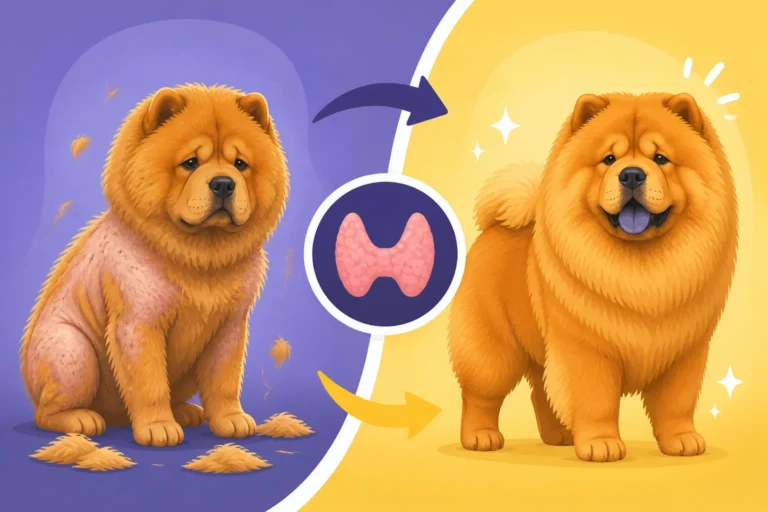
However, in warmer climates or during summer months, this very same coat becomes a significant liability. It acts like a heavy winter jacket, trapping heat close to their body and making it incredibly difficult for the dog to release excess warmth. Many owners mistakenly believe that shaving their Chow Chow will solve this problem. Unfortunately, shaving can actually make things worse. The double coat not only insulates against cold but also against heat and harmful UV rays. Shaving can disrupt the natural growth cycle of the coat, lead to uneven regrowth, and leave the skin exposed to sunburn, further impairing their natural temperature regulation. Instead of shaving, proper grooming, including regular and thorough line brushing to remove dead undercoat, is crucial to help them manage their internal temperature. This allows air to circulate closer to the skin, which is exactly why understanding Why Shaving Does Not Cool a Chow Chow is so important for their well-being.
Straight Rear Legs and Stilted Gait
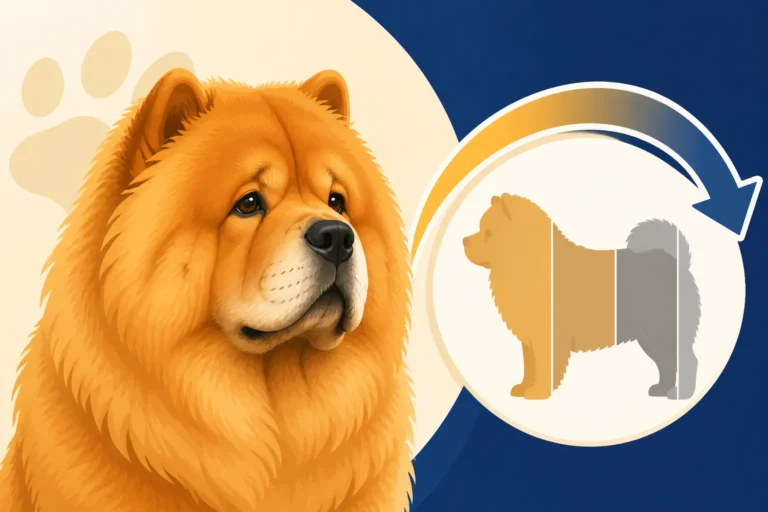
Another distinctive trait of the Chow Chow is their relatively straight rear legs, which give them a unique, stilted gait often described as a "paddle" or "stilting" movement. While fascinating to observe, this conformation, coupled with their sturdy build, means that their movement is less efficient than that of a dog with more angulated rear legs. Each step requires more muscular effort.
What does this have to do with cooling? More effort means more energy expenditure, and more energy expenditure directly translates to more heat production within the body. A Chow Chow walking at a pace that another dog finds comfortable might be exerting themselves significantly more, generating internal heat that they already struggle to dissipate due to their brachycephalic muzzle and dense coat. This is why even a moderate walk can quickly lead to overheating in a Chow Chow, especially on warm days. It underscores why understanding Why a Chow Chow's Straight Rear Leg Limits Running is key to managing their exercise and preventing dangerous situations. Their physical design simply isn't conducive to prolonged or intense activity, particularly in heat.
Practical Strategies to Keep Your Chow Cool
Given all these inherent challenges, it’s clear that owning a Chow Chow requires a proactive approach to heat management. It's not just about comfort; it's about their safety and longevity. Preventing overheating is always easier and safer than trying to treat heatstroke, which can be devastating. Investing in preventative care, which some pet insurance providers like Healthy Paws can help with if things go wrong, starts with smart daily choices.
Environmental Management is Key
The first line of defense against overheating is controlling your Chow Chow's environment. This means being acutely aware of the ambient temperature and humidity, and making adjustments to their routine and living space accordingly.
- Indoor Climate Control: During warmer months, especially when outdoor temperatures soar, access to air conditioning is non-negotiable for a Chow Chow. They truly cannot tolerate high temperatures. Set your AC to a comfortable, cool temperature, ideally between 68-72°F (20-22°C). Fans can also help circulate air, but remember that fans cool humans by evaporating sweat; dogs need air moving over their moist surfaces, so a fan alone isn't enough if the ambient air is too hot. If you're ever wondering whether your home setup is sufficient, consider that Whether a Chow Chow Needs Air Conditioning isn't just a comfort question, it's a health imperative.
- Outdoor Shade and Cool Surfaces: If your Chow Chow spends any time outdoors, ensure they have constant access to deep shade. Never leave them in direct sunlight for extended periods. Concrete and asphalt can absorb and retain heat, reaching dangerously high temperatures that can burn paw pads and reflect heat upwards towards their body. Always provide access to cooler surfaces like grass or shaded dirt, or even a raised dog bed that allows air circulation underneath.
- Timing Walks and Outdoor Activities: This is crucial. Avoid walks and strenuous activity during the hottest parts of the day, typically late morning to late afternoon. Opt for early morning or late evening when temperatures are significantly cooler. Even on seemingly mild days, pay attention to the humidity, which can make it feel much hotter and hinder evaporative cooling. A quick check of the pavement temperature with your hand can tell you if it's too hot for paws. Knowing What Temperature Is Too Hot for a Chow Chow is vital for planning their daily routine.
Hydration and Cooling Aids
Beyond managing their environment, active measures to help your Chow Chow stay hydrated and provide immediate cooling relief are essential.
- Constant Access to Fresh Water: Always have multiple bowls of fresh, cool water available. Consider adding ice cubes to their water to keep it cooler for longer, or using a ceramic bowl that helps retain coolness. For walks, carry a portable water bottle and a collapsible bowl for frequent hydration breaks.
- Cooling Mats and Vests: These can be lifesavers. Cooling mats often contain a gel that activates with pressure, providing a cool spot for your Chow to lie on. Cooling vests, usually soaked in water, work through evaporative cooling on the dog's torso. These are excellent tools for managing their temperature during warmer periods, both indoors and out.
- Kiddie Pools and Damp Towels: If your Chow Chow enjoys water, a shallow kiddie pool filled with a few inches of cool water can be a wonderful way for them to cool off their paws and belly. For Chows less keen on full immersion, simply dampening a towel with cool water and draping it over their back or underbelly can provide quick relief.
- Emergency Cooling Techniques: In a genuine emergency, if you suspect your Chow Chow is overheating or experiencing heat stroke, immediate action is critical. Move them to a cooler location, apply cool (not ice cold) water to their body, especially the ears, armpits, and groin, and use a fan to increase evaporative cooling. Never submerge them in ice water, as this can cause shock. Seek veterinary attention immediately. The costs of treating heat stroke can be substantial, so while hopefully never needed, knowing What Heat Stroke Costs to Treat in a Chow Chow highlights why preventative measures are so important, and why pet insurance from providers like Healthy Paws can provide peace of mind in emergencies.
By combining careful environmental management with effective cooling aids and constant vigilance, you can significantly mitigate the risks associated with your Chow Chow's unique anatomy and help them live a more comfortable, safer life.
Here's a quick comparison of facial structures and their cooling efficiency:
| Feature | Brachycephalic (e.g., Chow Chow) | Dolichocephalic (e.g., Greyhound) | Mesocephalic (e.g., Labrador) |
|---|---|---|---|
| Muzzle Length | Short, broad, often "squished" | Long, narrow | Medium length |
| Nostrils | Often narrowed (stenotic nares) | Wide, open | Appropriately wide |
| Nasal Passages | Compressed, convoluted, reduced surface area | Long, open, large surface area | Moderate length, good surface area |
| Soft Palate | Often elongated, can obstruct airway | Proportionate, clear airway | Proportionate, clear airway |
| Breathing Effort | High effort, often noisy | Low effort, quiet | Low to moderate effort, quiet |
| Cooling Efficiency | Poor, prone to overheating | Excellent | Good |
| Risk of Heat Stroke | High, even in moderate temperatures | Low to moderate | Moderate (can vary with exertion/coat type) |
Disclaimer
The information provided in this article is for general informational purposes only and is not intended as a substitute for professional veterinary advice. Always consult with a qualified veterinarian regarding any health concerns or before making any decisions about your Chow Chow's care.