Signs a Chow Chow Is Overheating on a Walk
Walking your beloved Chow Chow can be a joy, but there's a constant, nagging worry in the back of many owners' minds: the heat. With their dense coats and unique physiology, Chow Chows can overheat far more quickly than many other breeds, turning a pleasant stroll into a dangerous situation. This comprehensive guide is here to help you identify the critical, often subtle, signs that your Chow Chow is getting too hot on a walk, empowering you to act fast and keep your furry companion safe.
Why Chow Chows Struggle So Much in Warm Weather
It’s not just paranoia; there are legitimate, scientific reasons why our fluffy friends are so prone to overheating. Understanding these factors can help you be more proactive in preventing a crisis.
The Impact of a Dense Double Coat
One of the Chow Chow's most defining features, its magnificent double coat, is also its biggest liability in the heat. This isn't just a thick layer of fur; it's a carefully designed insulation system. Imagine wearing a heavy winter coat in the middle of summer – that's essentially what your Chow Chow experiences. The outer guard hairs are coarse and straight, designed to protect against elements, while the soft, woolly undercoat provides exceptional insulation. While fantastic for keeping warm in harsh, cold climates, this same insulation traps heat close to their body when temperatures rise.
Think about how much sweat you produce to cool down. Dogs can't sweat like humans do; their primary way of regulating body temperature is through panting. With such an insulating coat, it becomes exponentially harder for that heat to dissipate from their skin, even with vigorous panting. It’s like trying to cool down a thermos with a fan from the outside – not very effective when the insulation is working against you. This is why you'll often hear that Why a Chow Chow's Double Coat Traps Heat is a serious concern, and why simply shaving them doesn't work – it can actually make things worse by removing their natural protection and risking sunburn or uneven regrowth.
Brachycephalic Features and Breathing Difficulties
While not as extreme as some other brachycephalic (short-nosed) breeds, Chow Chows do have a somewhat shorter muzzle compared to many other dogs. This facial structure can slightly compromise their ability to efficiently cool themselves through panting. When a dog pants, air passes over the moist surfaces of their tongue, mouth, and upper respiratory tract, evaporating moisture and thus cooling the blood flowing through those areas. A shorter muzzle can mean less surface area for this evaporative cooling to occur, or it might mean that the air passages themselves are slightly restricted, making each breath less effective at heat exchange.
Additionally, the characteristic "scowl" of a Chow Chow, while adorable, means they often have deeper set eyes and facial folds. These folds can sometimes make breathing even more labored under stress, contributing to heat retention. Combine this with the heat-trapping coat, and you have a recipe for rapid overheating, especially when exercising. This is a subtle factor often overlooked, but it significantly contributes to why Why a Chow Chow's Short Muzzle Cools Poorly is a real danger during hot walks.
Straight Rear Legs and Stilted Gait
Chow Chows have a unique, rather straight rear leg angulation, which gives them their distinctive "stilted" gait. While charming, this gait is not the most efficient for sustained, high-energy movement. Dogs with more angulated rears have a springier, more fluid stride that expends energy more effectively. A Chow Chow's stiff, somewhat deliberate movement requires more effort to cover ground, meaning they generate more internal body heat with less actual progress compared to a dog built for speed or endurance.
This increased energy expenditure, even during a seemingly casual walk, adds to their overall heat load. When you combine this with their inherent cooling challenges, it means even a short, moderate walk on a warm day can push them past their limit quickly. You might not even realize how much energy they're expending until you see the signs of trouble. It's not just about the external temperature; it's about their internal heat production too, making a leisurely stroll a potential hazard.
Early and Subtle Warning Signs of Overheating
It's absolutely crucial to catch the signs of overheating early. Often, the initial indicators are subtle, and if you're not paying close attention, you might miss them until the situation becomes much more serious.
Excessive Panting and Loud Breathing
Of course, all dogs pant, especially after some exertion. But with a Chow Chow, you need to recognize what "excessive" truly means. Normal panting is usually rhythmic, relatively quiet, and proportional to their activity level and the ambient temperature. An overheating Chow Chow will exhibit panting that is much faster, deeper, and often louder than usual. It might sound labored, almost like they're struggling to pull enough air in.
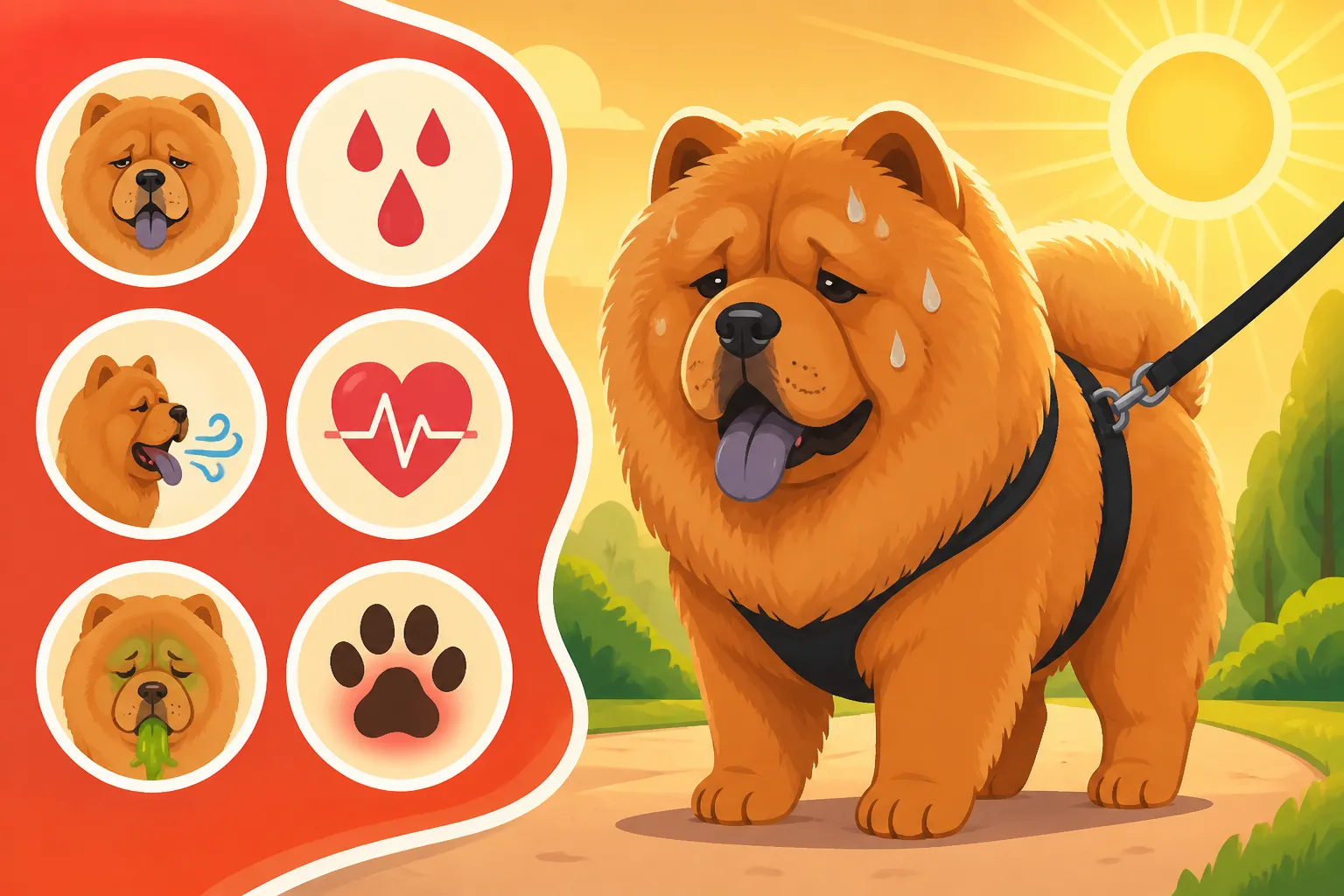
You might notice their tongue appearing wider and longer than usual as they try to maximize the evaporative surface area. Their breaths might become shallow but rapid, or they might transition to gasping. If you hear a distinctive "snorting" or "roaring" sound, especially if their mouth is wide open and they're stretching their neck, this is a serious red flag. This indicates significant respiratory distress and means their normal cooling mechanisms are failing. This kind of heavy, exaggerated breathing is a tell-tale sign that Signs a Chow Chow Is in Heat Stroke is rapidly approaching, even if other symptoms aren't fully apparent yet.
Seeking Shade and Slowing Down
Your Chow Chow is usually a sturdy, independent walker, but watch for a sudden shift in their pace or a deliberate effort to find cooler spots. If they start to lag behind, repeatedly stop, or refuse to move forward with their usual enthusiasm, they're telling you they're uncomfortable. They might actively try to steer towards the shadier side of the street, pull you under a tree, or even try to sit down in any available patch of coolness.
This isn't just them being stubborn; it's an instinctive attempt to reduce their body temperature. They might also appear less engaged with their surroundings, losing interest in sniffing new smells or greeting other dogs. If your Chow Chow, who typically loves their walk, suddenly seems reluctant or unusually tired, it's a clear signal that their body is working too hard to cope with the heat. Remember, a short, leisurely walk might be all they can handle on a warm day, and pushing past their limits can have severe consequences.
Changes in Gum Color and Drooling
A quick check of your Chow Chow's gums can provide valuable insight into their internal state. Healthy gums should be a nice bubblegum pink color. When a Chow Chow is starting to overheat, their gums might become noticeably darker, transitioning to a bright red or even brick red. This is due to increased blood flow as their body tries to shed heat. While their tongue is often naturally dark, this color change will be evident in the gums and the inner membranes of their lips.
Along with this, you might notice an increase in drooling. While a little drool is normal during panting, excessive, thick, or ropey saliva is a worrying sign. It indicates that they are dehydrated and their body is struggling to produce the thin, watery saliva needed for efficient evaporative cooling. This thick saliva can even make breathing more difficult, creating a dangerous cycle. Always keep a close eye on these oral indicators, as they can rapidly escalate.
Here's a quick comparison of early versus advanced signs to help you stay vigilant:
| Symptom | Early Overheating Sign | Advanced Heatstroke Sign |
|---|---|---|
| Panting | Faster, deeper, louder than normal | Labored, gasping, snorting, roaring, shallow but rapid |
| Activity Level | Slowing down, lagging, seeking shade, reluctant to move | Stumbling, disorientation, collapse, unable to stand |
| Gum Color | Bright red, darker than normal pink | Dark brick red, purple, or bluish (cyanotic) |
| Saliva | Increased drooling | Thick, ropey, foamy saliva |
| Eyes | Wide-eyed, anxious | Glazed over, unresponsive |
| Body Temperature | Noticeably hot to the touch | Extremely hot (rectal temp > 105°F / 40.5°C) |
| Other | Restlessness, anxiety | Vomiting, diarrhea (possibly bloody), seizures, unconsciousness |
Urgent and Advanced Signs of Heatstroke
If you notice any of these more severe signs, your Chow Chow is likely in full-blown heatstroke, and this is a life-threatening emergency. Immediate action is critical.
Disorientation, Stumbling, or Collapse
As heatstroke progresses, your Chow Chow's brain function can be severely affected. They might become disoriented, bumping into objects, walking in circles, or appearing generally confused. Their movements might become uncoordinated, leading to stumbling, dragging their paws, or having difficulty maintaining balance. This is a terrifying sight for any owner, as it indicates a severe neurological impact from the extreme body temperature.
In the worst-case scenario, they may completely collapse and be unable to get back up. This means their body is shutting down, and their muscles are no longer able to support them. If your Chow Chow collapses, do not try to force them to stand or walk. Gently move them to the coolest spot available immediately. This is not just "tiredness"; it's a medical emergency that can lead to permanent brain damage or death if not addressed without delay. This is a critical point when Signs a Chow Chow Is in Heat Stroke are undeniable.
Vomiting, Diarrhea, and Seizures
The body's extreme response to overheating can cause widespread internal damage. You might observe vomiting, sometimes with blood, as the heat damages the gastrointestinal lining. Diarrhea, which can also be bloody, is another severe sign of organ distress. These symptoms indicate that multiple organ systems are beginning to fail.
In the most critical cases, seizures can occur, as the brain swells and misfires under the intense heat. This is a truly dire symptom and requires immediate veterinary intervention. Any of these advanced signs mean your Chow Chow is in an extremely dangerous situation, and every second counts. You'll need to know How to Cool a Chow Chow Down Fast while simultaneously arranging for emergency vet care.
Dark Red or Bluish Gums and Thick Saliva
While we touched on gum color in the early signs, in advanced heatstroke, the gums will take on an even more alarming appearance. They might be a very dark brick red, almost purple, indicating extreme vasodilation (widening of blood vessels) and blood pooling. In some cases, if oxygen delivery is severely compromised, the gums might even appear bluish or grayish, which is a sign of cyanosis and a critical lack of oxygen in the blood.
The saliva will also become extremely thick, foamy, and perhaps even stringy. This is a clear indicator of severe dehydration and the body's utter inability to cool itself effectively. It can coat their tongue and mouth, making it even harder for what little evaporative cooling is happening to work. These are undeniable indicators that your Chow Chow's life is in immediate danger.
Immediate Actions and Emergency Care
Recognizing the signs is the first step; knowing what to do next is absolutely vital. Quick, decisive action can make all the difference.
Get to a Cooler Environment Immediately
The very first thing you need to do is get your Chow Chow out of the sun and heat. If you're on a walk, stop immediately. Do not try to rush them home if it means staying in the heat. Find the nearest patch of shade, a cool building, or even your air-conditioned car. If you have to carry them, do so gently. Every second they remain in a hot environment, their core body temperature continues to climb.
Position them on a cool surface if possible, like concrete or grass in the shade. If you have access to a car, get them inside with the air conditioning blasting. The goal is to stop the influx of heat and create an environment where their body can start to cool down. Do not delay this step for any reason. Even if you're not sure if it's heatstroke, assume the worst and prioritize getting them cool. This advice ties directly into understanding What Temperature Is Too Hot for a Chow Chow and avoiding those conditions altogether.
Begin Active Cooling Measures
Once in a cooler spot, it's time for active cooling. Don't submerge them in ice water, as this can cause shock and restrict blood flow to the skin, making internal cooling harder. Instead, focus on gradual, effective cooling.
Here's how to do it:
- Water: Use cool (not ice cold) water to wet their fur, focusing on areas with less fur and more blood vessels close to the surface, such as the paws, belly, inner thighs, armpits, and neck. You can use a hose, wet towels, or even bottled water you might have on hand.
- Air Flow: If possible, use a fan or even wave a piece of cardboard to create air movement around them. Evaporation is key, and air flow speeds this up.
- Cooling Mats/Packs: If you happen to have a cooling mat or gel packs (wrapped in a towel to prevent direct contact with the skin), place them under or near your Chow Chow.
- Offer Water: If they are conscious and willing, offer small amounts of cool, fresh water. Do not force them to drink, as they might aspirate it.
Continue these cooling efforts until you are on your way to the vet. Do not cool them down to normal body temperature yourself; this risks hypothermia. The goal is to bring their temperature down enough to stabilize them for transport.
Seek Emergency Veterinary Care Immediately
No matter how effectively you think you've cooled your Chow Chow down, if they've shown signs of heatstroke, they need emergency veterinary attention. Internal damage may have occurred that isn't immediately visible, and they will likely need intravenous fluids, medication, and monitoring. Call ahead to the nearest veterinary emergency clinic while you are en route to let them know you are coming and describe your dog's condition. This gives them time to prepare.
If you have pet insurance, like Healthy Paws, knowing that you can focus on your dog's care without immediate financial stress can be a huge relief in an emergency like this. Heatstroke can be incredibly expensive to treat, often involving intensive care, overnight stays, and specialized treatments, so having coverage can truly be a lifesaver, both for your dog and your wallet. Don't underestimate the severity of heatstroke; it is a true medical crisis. Understanding What Heat Stroke Costs to Treat in a Chow Chow can certainly prepare you for the financial aspect of this emergency.
Preventing Overheating: Being Proactive
The best treatment for heatstroke is prevention. As a Chow Chow owner, you need to be constantly vigilant and proactive about managing their exposure to heat.
Adjust Walk Times and Duration
This is perhaps the most straightforward and effective prevention strategy. During warmer months, drastically adjust when you take your Chow Chow for walks. Avoid walking during the hottest parts of the day, which are typically from late morning through late afternoon. Instead, aim for very early mornings (sunrise or shortly after) and late evenings (after sunset). Even on overcast days, humidity can be a major factor, so pay attention to the "real feel" temperature.
Furthermore, shorten the duration and intensity of walks significantly. A 10-15 minute potty break in a shady area might be all your Chow Chow can safely handle when it's warm. Longer, more vigorous exercise should be reserved for cooler seasons. Remember, your Chow Chow's activity level for the day can be significantly impacted by environmental factors, and pushing them can lead to dangerous situations. This aligns with advice on When a Chow Chow Should Be Walked in Summer and How Far a Chow Chow Should Walk Daily.
Utilize Cooling Gear and Hydration
There's a variety of cooling gear available that can offer some relief, though they are never a substitute for avoiding heat entirely. Cooling vests or bandanas, which you soak in water and then put on your dog, use evaporative cooling to help lower their surface temperature. Cooling mats can also be useful for them to lie on after a short outdoor excursion or while indoors.
Always carry fresh, cool water for your Chow Chow, even on short walks. Offer it frequently. Consider a portable water bottle with an attached bowl for easy access. Even if your dog doesn't seem thirsty, consistent hydration is crucial. Remember that on particularly hot or humid days, your dog needs more than just a quick drink; they need proper internal cooling, which water significantly aids.
Never Leave Them Unattended in a Car
This cannot be stressed enough: never, ever leave your Chow Chow alone in a car, even for "just a minute," even with the windows cracked. The temperature inside a car can rise to deadly levels in a matter of minutes, even on a seemingly mild day. On an 80-degree Fahrenheit day, the temperature inside a car can reach 100 degrees in 10 minutes and 120 degrees in 30 minutes.
For a breed like the Chow Chow, with all their heat-dissipation challenges, this can be a death sentence. Always take your Chow Chow with you or leave them safely at home in an air-conditioned environment. No errand is worth risking your dog's life. This stark warning is consistent with why Why a Chow Chow Should Never Wait in a Car is such a vital piece of advice for all owners.
Monitor Pavement Temperature
Another often-overlooked danger is the temperature of the pavement itself. Asphalt and concrete can absorb and retain a tremendous amount of heat, becoming scorching hot long after the air temperature has cooled down. If it's too hot for you to comfortably hold the back of your hand on the pavement for five to seven seconds, it's too hot for your Chow Chow's paws. Paw pads can blister and burn, leading to immense pain and potential infection.
Always check the pavement temperature before you start your walk, especially during the day. Consider walking on grass whenever possible or investing in dog booties if walks on hot surfaces are unavoidable. Remember, your Chow Chow's paws are delicate, and they can't tell you they're burning until the damage is already done.
Understanding the Chow Chow's Overall Health Needs
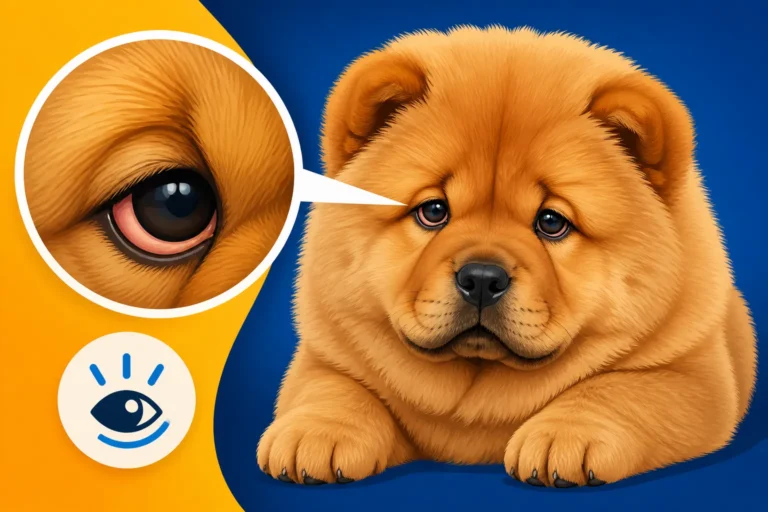
Managing heat is just one piece of the puzzle when it comes to keeping your Chow Chow healthy and happy. Their unique physiology means they have several specific health considerations that owners need to be aware of. For instance, their deep-set eyes, while contributing to their charming scowl, can sometimes lead to issues like Entropion Is the Chow Chow's Signature Problem, where the eyelid rolls inward, causing irritation. Regular vet check-ups are essential to catch these issues early.
Another common concern for the breed is Elbow Dysplasia Ranks the Chow Chow Near the Top for prevalence. This developmental orthopedic condition can cause pain and arthritis. Ensuring your breeder has performed appropriate health screenings is paramount. Furthermore, conditions like Autoimmune Disease in a Chow Chow can manifest in various ways, from skin issues to thyroid problems, emphasizing the need for attentive observation and veterinary care throughout their lives. Proper care and an informed approach to their specific health challenges can significantly contribute to their The Eight to Twelve Years a Chow Chow Gets.
Disclaimer
The information provided in this guide is for informational purposes only and does not constitute veterinary advice. Always consult with a qualified veterinarian for any health concerns or before making any decisions about your pet's medical care. In case of an emergency, contact your nearest veterinary clinic immediately.