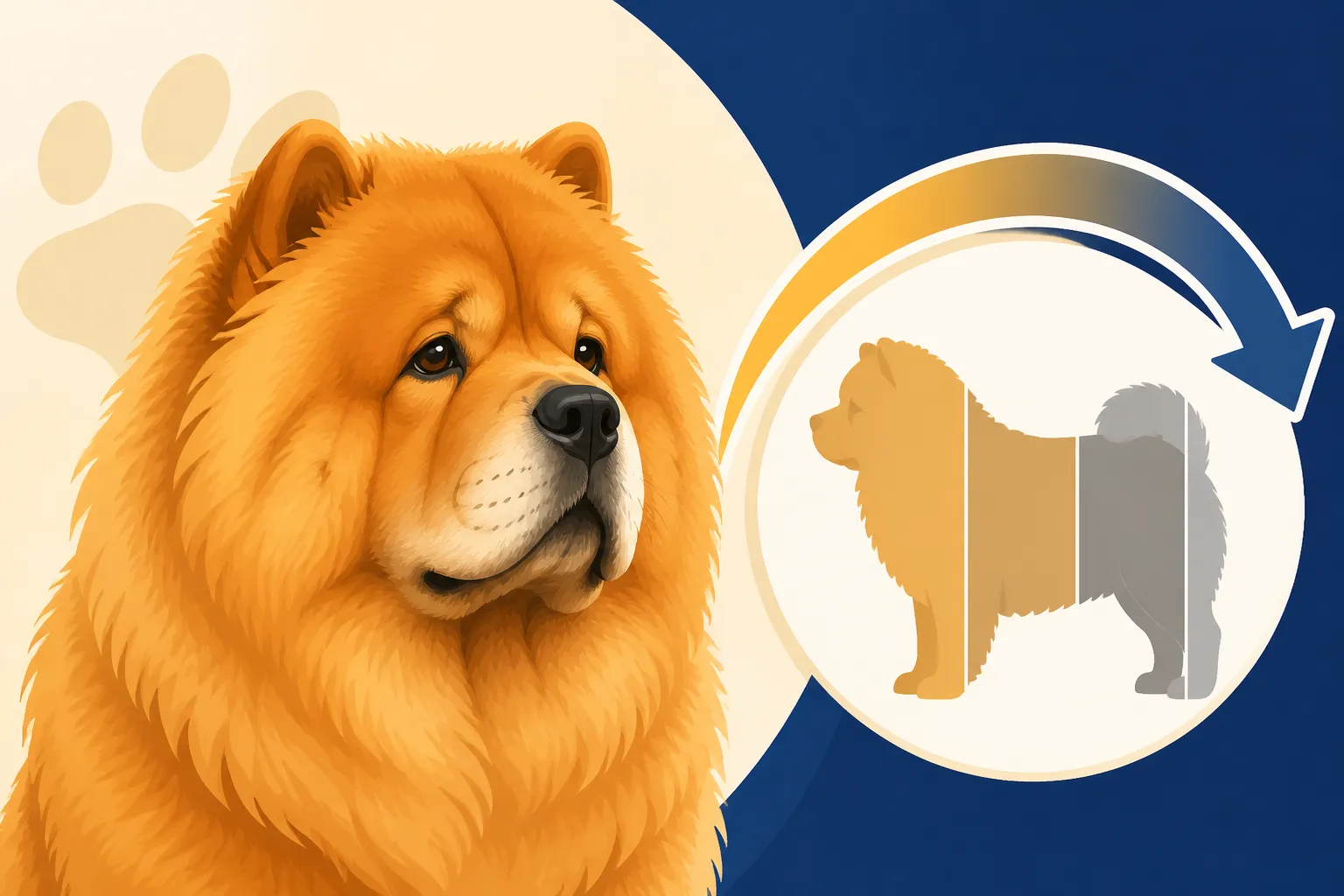
The Age a Chow Chow Is Considered Senior
It's a common question that weighs on the hearts of many Chow Chow owners: when does your beloved fluffball officially cross the threshold into their senior years? This isn't just about a number on a calendar; it’s about recognizing the subtle yet significant changes that signal a new stage in your dog's life, allowing you to adapt their care and ensure their comfort as they age gracefully.
Understanding the Senior Transition in Chow Chows
The journey through life with a Chow Chow is truly unique, marked by their distinctive personality and physical traits. As they mature, the transition into their senior years can feel like a delicate dance, where recognizing the cues is paramount to providing them with the best possible care. It’s not a sudden switch, but a gradual evolution that every devoted Chow Chow parent will want to understand deeply.
Chronological Age Versus Biological Age
When we talk about a Chow Chow being "senior," most people immediately think of a specific age. And while general guidelines exist—many veterinarians consider large breeds like Chow Chows senior around 7-8 years old—it's crucial to remember that chronological age is just one piece of the puzzle. Just like with people, some Chow Chows show signs of aging earlier, while others remain spry well into what would be considered their golden years. A 7-year-old Chow Chow might have the joints of a much younger dog, while another might be experiencing significant stiffness by age 6.
This difference highlights the concept of biological age, which refers to how old your dog actually is on the inside, based on their health, genetics, lifestyle, and overall physical condition. Factors like nutrition, exercise, and even genetics play a huge role in how quickly or slowly your Chow Chow's body ages. A Chow Chow that has maintained a healthy weight, received regular veterinary care, and enjoyed an active lifestyle might have a biological age younger than its chronological age, delaying the onset of typical senior issues. Conversely, a dog with a history of orthopedic problems or chronic illness might age faster biologically. It's about paying close attention to your individual Chow, not just a generic age chart.
Early Signs of Aging in Your Chow Chow
Before you see overt signs of slowed movement or cloudy eyes, aging in a Chow Chow often begins with subtle shifts that can easily be missed if you're not looking closely. One of the first things you might notice is a slight decrease in their usual enthusiasm for activities they once loved. Perhaps they're not quite as eager for their daily walk, or they take a little longer to get up from a nap. You might observe them sleeping more deeply or for longer stretches during the day, which is a common early indicator.
Beyond energy levels, pay attention to minor physical changes. Their once vibrant coat might start to lose some of its luster, or you might notice a few more gray hairs around their muzzle or eyes. Even subtle changes in appetite or water consumption, such as drinking more than usual, can be early signals that their body systems are starting to work differently. Keep an eye on their dental health, too; older dogs are more prone to dental disease, which can impact their overall health and comfort. These seemingly small changes are your Chow Chow's way of telling you that their needs are evolving, and it’s time to start adjusting your care routine.
Physical Changes to Expect in an Aging Chow Chow
As your Chow Chow gracefully moves into their senior years, their body undergoes a series of changes that are important to acknowledge and manage. These aren't necessarily "problems" but natural developments that require a shift in how we approach their daily care. Understanding these transformations is key to maintaining their comfort and quality of life.
Joint Stiffness and Mobility Challenges
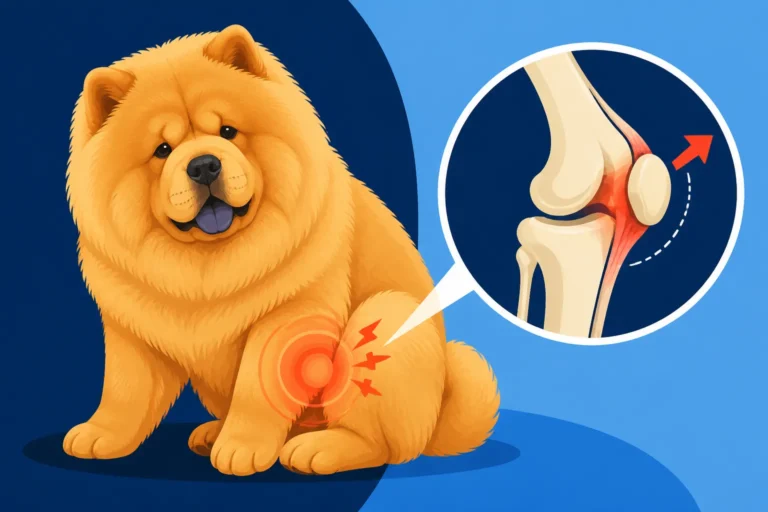
One of the most common and impactful changes you'll notice in an aging Chow Chow is the onset of joint stiffness. Their unique build, with that characteristic straight rear leg, can predispose them to certain orthopedic issues, and as they age, the cartilage in their joints naturally wears down. This can lead to conditions like arthritis, making simple movements that were once effortless, such as getting up from a lying position, climbing stairs, or jumping into the car, become quite challenging. You might notice them walking with a stiffer gait or even a slight limp, especially after a period of rest. This is a clear sign that they are experiencing discomfort.
Observing how an aging Chow Chow stiffens can be heartbreaking, but there are many ways to support them. Providing soft, orthopedic beds can alleviate pressure on their joints during sleep. Ramps or steps can help them access elevated areas without strain. Gentle, consistent exercise, such as short, slow walks, can help maintain muscle mass and joint flexibility without overexertion. Your veterinarian might also recommend supplements like glucosamine and chondroitin, or even pain management medications, to help reduce inflammation and improve their comfort. It's about finding a balance that keeps them moving without causing additional pain.
Sensory Decline: Eyesight and Hearing
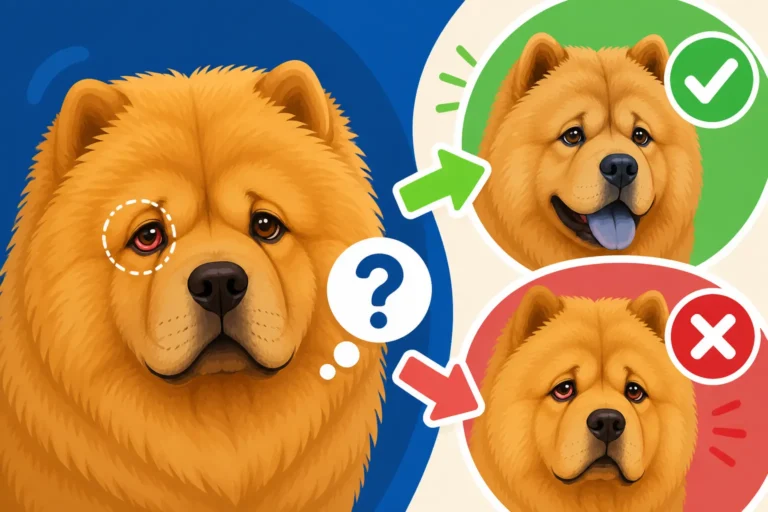
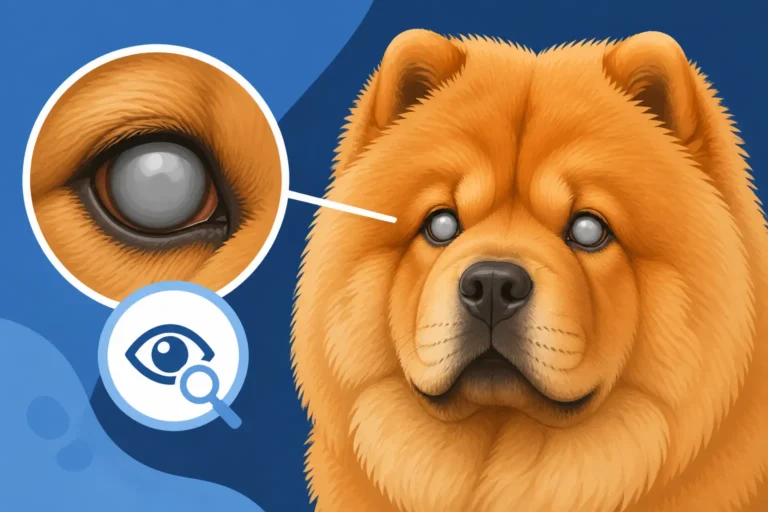
Just like humans, aging Chow Chows often experience a decline in their sensory faculties, particularly their eyesight and hearing. You might start to notice that your Chow Chow's eyes cloud over slightly, a condition known as lenticular sclerosis, which is a normal part of aging and doesn't usually impair vision significantly. However, more serious eye conditions like cataracts can also develop, leading to more substantial vision loss. It's important to differentiate these with a vet check-up. Beyond the eyes, you may find that an aging Chow Chow's eyes cloud, which can make navigation a bit trickier, especially in unfamiliar surroundings or dim lighting.
Similarly, their hearing can gradually diminish. You might find yourself calling their name a little louder, or they might not respond to sounds they once would have immediately noticed, like the doorbell or the crinkle of a treat bag. This can be frustrating for both you and your dog, as communication becomes more challenging. To help them cope, you can rely more on hand signals if they're already trained that way, or use visual cues to get their attention. Keeping their environment consistent and free of sudden changes can also reduce their anxiety as their senses become less reliable. Regular vet visits are essential to monitor these changes and rule out any treatable underlying conditions.
Coat and Skin Transformations
The magnificent double coat of a Chow Chow is one of their most defining features, and as they age, you'll likely see changes here too. The coat might become thinner in places, feel coarser, or even lose some of its vibrant color, especially for red or black Chows who might develop more graying or a duller tone. You may notice more shedding, even outside of their typical "coat blow" seasons, as their skin and hair follicles become less efficient.
Beyond the coat, an aging Chow Chow's skin can become more delicate and prone to issues. They might develop dry patches, age spots, or benign skin growths. Reduced elasticity makes their skin more susceptible to injury, and their immune system might not be as robust, leading to a higher risk of skin infections or hot spots. Regular grooming, though it might take longer and require more patience, becomes even more critical. Gentle brushing helps stimulate circulation, distribute natural oils, and remove loose hair, preventing mats that can hide skin problems. It also allows you to regularly inspect their skin for any new lumps, bumps, or irritations that warrant veterinary attention.
Behavioral Shifts in Older Chow Chows
It’s not just their bodies that change; your Chow Chow's personality and daily routines can also shift as they enter their golden years. These behavioral changes are often directly related to the physical transformations they're experiencing, and understanding them helps you respond with empathy and appropriate adjustments.
Changes in Energy Levels and Sleep Patterns
One of the most noticeable behavioral shifts in a senior Chow Chow is a significant decrease in their overall energy levels. The energetic bursts of youth give way to a more sedate, relaxed pace. They'll likely spend more time sleeping, often seeking out warm, quiet spots around the house for their numerous naps. What might surprise you is that even with more sleep during the day, their nighttime sleep can become disrupted. You might find them pacing occasionally at night, experiencing restless sleep, or even waking up more frequently, which can be a sign of discomfort, needing to relieve themselves, or even early cognitive changes.
While they may not be up for long hikes or intense play sessions anymore, it’s still vital to provide them with gentle, consistent exercise. Short, slow walks several times a day can help maintain muscle tone, joint health, and mental stimulation. Engaging them with puzzle toys or short, low-impact play sessions can keep their minds active. Understanding these shifts allows you to adjust their routine to match their new capabilities, ensuring they get enough rest while still enjoying meaningful activity. Knowing how much exercise a Chow Chow actually needs at this stage helps you tailor their day for optimal well-being.
Altered Social Interactions and Personality
As Chow Chows age, their social interactions and even their established personality traits can evolve. A once outgoing Chow might become more withdrawn or prefer solitude, while a dog that was always a bit aloof might become slightly more clingy or seek reassurance more often. It's not uncommon for an aging Chow Chow to grow more aloof, which can be perplexing for owners who are used to a particular dynamic. Their tolerance for boisterous children or other pets might decrease, as their patience wears thin and their discomfort or sensory decline makes them more easily startled or overwhelmed.
They might be less interested in greeting visitors at the door or participating in family gatherings, preferring to retreat to a quiet den. This isn't necessarily a sign of aggression, but rather a preference for peace and quiet as their world becomes a bit more challenging to navigate. It's important to respect these changing boundaries and provide them with a safe, calm space where they can retreat when needed. Gentle, familiar interactions remain important, but always on their terms, allowing them to initiate contact rather than forcing it. Observing these shifts helps you continue to foster a loving and respectful relationship.
Cognitive Decline and Disorientation
Beyond physical and social changes, some senior Chow Chows may experience what's known as Canine Cognitive Dysfunction (CCD), often compared to Alzheimer's in humans. This can manifest in various ways, making it frustrating and confusing for both the dog and their family. You might notice signs of disorientation, such as staring blankly at walls, getting stuck in corners, or appearing lost in familiar surroundings. Their sleep-wake cycle might reverse, leading to restlessness at night and excessive sleeping during the day.
Other signs of cognitive decline include house-soiling accidents in a previously perfectly trained dog, decreased interaction with family members, or a general reduction in purposeful activity. They might forget commands they once knew perfectly or seem less responsive to their name. While these changes can be distressing, there are strategies to help. Maintaining a consistent daily routine, providing familiar comforts, and engaging them with gentle mental stimulation can slow the progression of CCD. Your veterinarian can also offer advice and potentially prescribe medications that can help manage symptoms and improve their quality of life. Understanding what changes in a Chow Chow after eight years old is vital for identifying these challenges early.
Tailoring Care for Your Senior Chow Chow
As your Chow Chow enters their senior years, their needs will inevitably change, requiring a more tailored approach to their daily care. This isn't about doing more, but about doing things differently to support their aging body and mind.
Nutritional Adjustments for the Golden Years
Diet plays a pivotal role in the health and longevity of any dog, but it becomes especially critical for senior Chow Chows. Their metabolism slows down, meaning they often need fewer calories to maintain a healthy weight. Continuing to feed them the same amount of food they ate as a younger adult can easily lead to weight gain, which puts undue stress on their aging joints and overall health. On the flip side, some senior Chows might become pickier eaters or have dental issues that make chewing difficult, leading to unintended weight loss.
A balanced senior-specific diet is often recommended, as these formulas are typically lower in calories but still provide essential nutrients. They also tend to have higher levels of joint-supporting supplements like glucosamine and chondroitin, and antioxidants to support their immune system. If your Chow is having trouble chewing, consider moistening their kibble or switching to a wet food. It's also important to monitor their water intake; proper hydration is crucial for kidney function. Regular weigh-ins and discussions with your vet about their ideal body condition and dietary needs are essential. They can help you feel for your Chow Chow's ribs under its coat to determine if they are at a healthy weight.
The Importance of Regular Veterinary Check-ups
While veterinary check-ups are always important, they become absolutely non-negotiable for senior Chow Chows. Many common age-related conditions, such as kidney disease, liver issues, diabetes, and certain cancers, can progress silently before obvious symptoms appear. Early detection is key to managing these conditions effectively and providing the best possible prognosis. Your veterinarian considers a Chow Chow senior around the 7-8 year mark, and it is usually at this point that they recommend more frequent visits, often twice a year, instead of the annual check-up.
These senior wellness exams are more comprehensive, typically including a thorough physical examination, blood work (to check organ function and blood counts), and sometimes a urinalysis. These tests can catch subtle changes in organ function before they become critical, allowing for early intervention. For example, increased thirst and urination could signal kidney disease, but blood tests can often detect issues before these symptoms become pronounced. Discussion with your vet about how often a Chow Chow needs a wellness exam and what a Chow Chow's yearly bloodwork should cover will ensure you're doing everything possible to keep them healthy. Pet insurance providers like Healthy Paws can be a real lifeline for managing the often-higher costs associated with senior care, covering everything from regular check-ups to unexpected age-related illnesses.
Creating a Comfortable and Safe Environment
As your Chow Chow ages, making their home environment as comfortable and safe as possible becomes increasingly important. Their reduced mobility, diminished senses, and potential cognitive changes mean that a few simple adjustments can significantly improve their quality of life. Think about their sleeping arrangements first: provide easily accessible, soft, orthopedic beds in several favorite spots around the house. These beds cushion their aching joints and make resting more comfortable.
Consider installing ramps or pet stairs if your Chow Chow struggles to get onto furniture, into the car, or navigate a few steps. Ensure their food and water bowls are easily accessible, perhaps elevated slightly to reduce strain on their neck and joints. For Chows with impaired vision, avoid rearranging furniture frequently and keep pathways clear to prevent bumps and falls. If their hearing is declining, a consistent routine helps them anticipate events. Keeping their environment quiet and calm minimizes stress and allows them to enjoy their golden years in peace. A comfortable home is a happy home for a senior Chow.
Managing Health Concerns in Senior Chow Chows
The senior years often bring a higher likelihood of health challenges, and while it can be daunting, a proactive and informed approach can make all the difference in managing these conditions and extending your Chow Chow's comfortable lifespan.
Common Ailments in Aging Chows
As we've discussed, aging bodies are prone to wear and tear. For Chow Chows, several specific ailments become more prevalent in their senior years. Arthritis and other degenerative joint diseases are almost universal, exacerbated by their unique anatomy. Kidney disease is another common concern, often presenting with increased thirst and urination as the kidneys gradually lose function. Liver disease, heart conditions (such as valve disease), and various forms of cancer are also unfortunately more common in older dogs. You might notice signs like a persistent cough (heart or lung issues), unexplained weight loss despite a good appetite (cancer or other chronic illness), or changes in bowel habits.
Additionally, conditions like diabetes can emerge, requiring daily insulin injections and careful dietary management. Hypothyroidism, which can affect Chows at any age, can also become more pronounced or first diagnosed in older dogs, leading to lethargy, weight gain, and coat issues. Recognizing the early signs of these conditions is paramount. For instance, if you notice your Chow is drinking an excessive amount of water or having accidents indoors, these are strong indicators for immediate veterinary attention. Investing in pet insurance like Healthy Paws early on can provide significant financial relief when managing these chronic, often expensive, conditions that arise in senior dogs.
Proactive Care and Early Detection
The best defense against serious age-related health problems is a strong offense: proactive care and vigilant early detection. This goes beyond the twice-yearly vet visits mentioned earlier. It involves you, as their dedicated owner, being intimately aware of your Chow Chow's normal behaviors, habits, and physical condition. Notice subtle changes in appetite, water intake, energy levels, breathing, or gait. Are they eating less than you expect? Are they limping more often? Does their breath smell unusual? These seemingly minor details can be crucial clues.
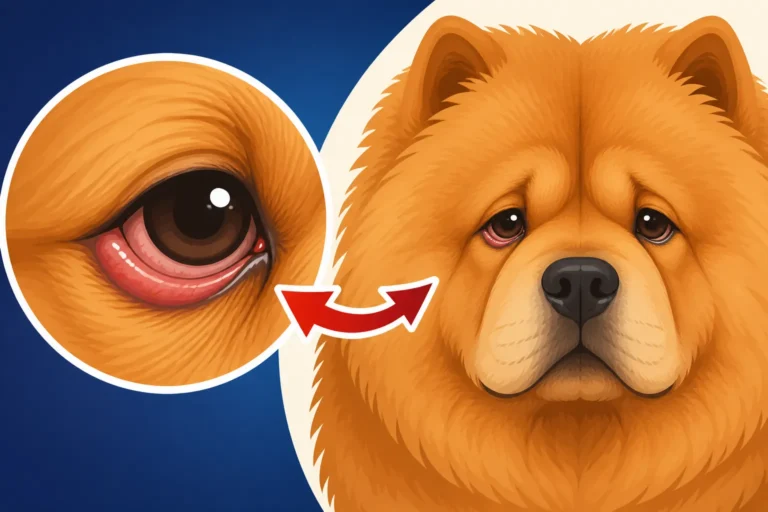
Regularly performing at-home physical checks can also be beneficial. Gently feel over their body for any new lumps or bumps, check their gums for color changes, and inspect their paws for sores or overgrown nails. Pay attention to their eyes for discharge or cloudiness, and their ears for redness or odor. Catching something early, like a small lump that could be cancerous, or a slight increase in drinking that could signal kidney issues, can dramatically improve the chances of successful treatment and a better quality of life. Early intervention can often mean simpler, less invasive treatments and a better outcome for your beloved Chow Chow. Pet insurance like Healthy Paws can certainly help cover the costs associated with these diagnostic tests and subsequent treatments, ensuring you can prioritize your dog's health without financial stress.
Embracing the Golden Years with Your Chow Chow
Watching your Chow Chow grow older is a bittersweet journey. While you may miss their youthful exuberance, their senior years offer a different kind of joy – a deeper bond, a slower pace, and an opportunity to cherish every moment. Embracing this stage means focusing on their comfort and happiness.
Quality of Life Over Quantity
When faced with an aging Chow Chow, especially one grappling with chronic health issues, the focus naturally shifts from extending their life at all costs to ensuring their quality of life remains high. This means carefully evaluating their daily experiences. Are they still able to enjoy their food? Do they experience moments of joy and comfort, even if brief? Are they free from constant pain? These are difficult questions, but honest answers are vital. It's about recognizing that happiness and comfort are paramount.
This might mean making decisions that prioritize their current well-being over aggressive treatments that cause more stress or discomfort than benefit. It involves managing pain effectively, providing warmth and comfort, and continuing to engage them gently in activities they still enjoy, even if those activities are much simpler than they once were. Spending quiet time together, gentle petting, and offering their favorite treats can all contribute to a rich and fulfilling life, regardless of their physical limitations. Remember, the eight to twelve years a Chow Chow gets are precious, and the golden years deserve to be cherished.
Preparing for End-of-Life Decisions
This is arguably the hardest part of owning any beloved pet, and for a senior Chow Chow, it’s a conversation that every owner eventually faces. Preparing for end-of-life decisions means confronting the reality that, despite all your love and care, your Chow Chow’s journey will one day conclude. It’s about being brave enough to consider what is best for them, even when it’s heartbreaking for you. Discussing these possibilities with your veterinarian early can provide invaluable guidance and support. They can help you understand when quality of life might be significantly compromised and what signs to look for.
Having these conversations allows you to make informed choices with a clear head, rather than in a moment of crisis. Consider options like at-home euthanasia if available, which can provide a peaceful, familiar setting for their final moments. Think about how you wish to memorialize them, whether through cremation or burial. While incredibly painful, making these preparations is an ultimate act of love, ensuring your Chow Chow's final days are filled with dignity, comfort, and peace. It allows you to honor the immense bond you share and to ensure that their departure is as gentle as possible. Though it’s hard to fathom, a Chow Chow can reach fourteen years or more in some rare instances, emphasizing the importance of savoring every moment you have.
Disclaimer
This article is intended for informational purposes only and does not constitute veterinary advice. Always consult with a qualified veterinarian for any health concerns or before making any decisions about your Chow Chow's health or treatment plan.