What a Second Entropion Repair Costs a Chow Chow Owner
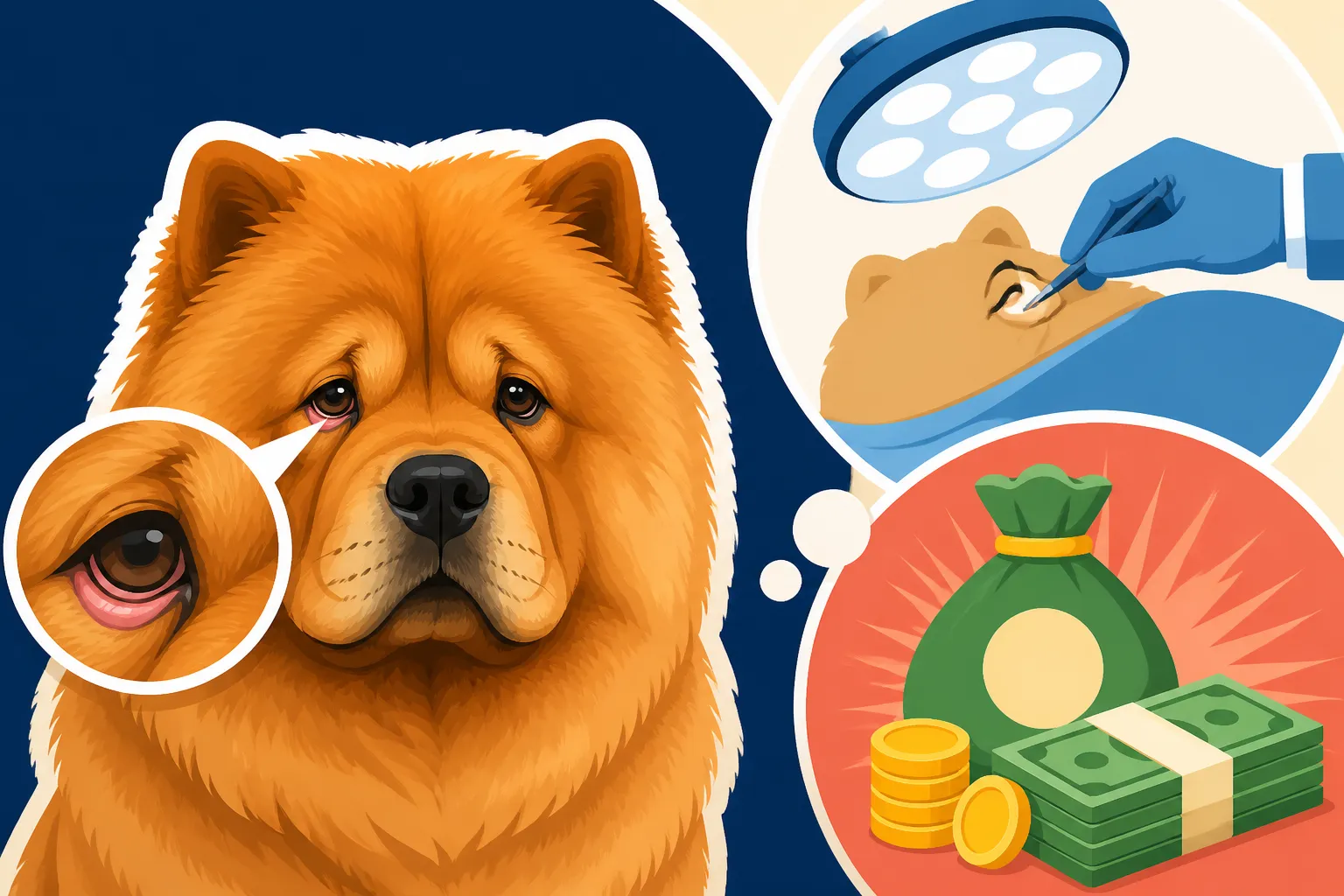
It's incredibly frustrating, isn't it? You go through the emotional and financial rollercoaster of a Chow Chow's entropion surgery, only to find yourself facing the possibility, or even the reality, of a second repair. That feeling of "here we go again" can be disheartening, and the big question on your mind is often, "What is this going to cost me this time?" This guide aims to shed light on the potential expenses involved in a second entropion repair for your beloved Chow, detailing the direct veterinary costs, the hidden incidentals, and how you can prepare for them.
Understanding Why a Second Entropion Surgery Might Be Needed
It's a tough pill to swallow when your Chow Chow's eyelid problems resurface after what you thought was a successful surgery. You’ve already invested time, emotion, and money, and now you're back at square one, or so it feels. The truth is, sometimes a single surgery isn't enough to permanently correct entropion in every dog, especially in breeds like our Chows with their unique facial structure.
Reasons for Recurrence
When entropion comes back, it's not usually because the first surgeon did a bad job. More often, it's a complex interplay of factors specific to our Chows. Their deep-set eyes, heavy brow, and the natural skin folds around their face can all contribute. Sometimes, the initial correction was perfectly executed for the degree of entropion present at that moment, but as your Chow grows, or if there's any subtle change in facial musculature or fat pads over time, the eyelid might start to roll inward again.
Another reason could be that the initial surgery was a less invasive procedure, perhaps eyelid tacking done on a puppy. While often effective as a temporary measure to protect the eye until the puppy grows, these tacks aren't always a permanent fix. If your Chow had this type of procedure when they were very young, it's quite common for them to need a more definitive surgical correction once they're fully grown. It’s important to understand that The Age Entropion Shows in a Chow Chow Puppy can vary, and a puppy might not have reached its full adult facial structure yet.
Sometimes, the initial surgery might have been slightly under-corrected to avoid the opposite problem of ectropion (eyelids rolling outward), which can also cause irritation. Finding that perfect balance with a breed like the Chow Chow, where their eye conformation is so distinctive, is a delicate art. Recurrence can also happen if the underlying cause wasn't fully addressed, or if scar tissue formation after the first surgery subtly pulls the eyelid in a way that encourages re-rolling. It's a frustrating situation, but understanding the complexities helps in accepting why a second intervention might be necessary. This recurrence highlights why you might have been told Whether a Chow Chow Needs Entropion Surgery Twice is a possibility.
The Age Factor
The age of your Chow Chow when the entropion first appeared and when the recurrence happens can play a significant role. Puppies, as mentioned, often have temporary tacking procedures because their facial structure is still developing. A permanent surgical correction is typically reserved for Chows who are closer to their adult size, often around 6-12 months of age, to ensure the surgeon can make a lasting adjustment to the mature facial anatomy. If a Chow undergoes a full correction too young, further growth could potentially undo some of the work.
For an adult Chow Chow who experiences recurrence, the situation might be slightly different. Perhaps the initial surgery was many years ago, and age-related changes, such as muscle laxity or even weight gain, have contributed to the eyelid rolling back in. Or, if the recurrence happens relatively soon after the first surgery, it might indicate a more persistent issue with the eyelid's conformation that required a more aggressive or slightly different technique. Your vet will likely want to assess What Entropion Does to a Chow Chow's Eye thoroughly again, looking for any new or evolving factors that might be contributing to the problem.
The Direct Veterinary Costs of a Second Entropion Repair
When your Chow Chow needs a second entropion repair, the financial aspect is often a primary concern. You’re already familiar with the general process, but it’s natural to wonder if the costs will be identical, higher, or perhaps even lower due to some factors. Unfortunately, a second surgery typically incurs similar, if not sometimes slightly higher, costs than the first, depending on the complexity and whether you're seeing a specialist.
Surgical Fees
The core of the cost will be the surgical fee itself. This encompasses the surgeon's time, expertise, and the use of the surgical suite. Because it's a re-do, some surgeons might factor in the increased complexity of working with tissue that has already been operated on. There might be scar tissue that needs to be carefully managed, or the surgeon might need to employ a slightly different technique to achieve the desired result.
It's crucial to understand that while your regular veterinarian might be able to perform entropion surgery, for a recurrent case, they may recommend a veterinary ophthalmologist. These specialists have advanced training and equipment specifically for eye surgeries, which can increase the chances of a successful outcome on a second attempt. The fees for an ophthalmologist are generally higher than for a general practitioner. They will often conduct a thorough pre-surgical exam, potentially including additional diagnostics to assess the eye's health, such as measuring tear production or checking for corneal ulcers, which might add to the initial consultation fee. What a Veterinary Ophthalmologist Charges for a Chow Chow can be a significant part of the overall cost.
Anesthesia and Monitoring
Just like the first time, your Chow Chow will need general anesthesia for the surgery. This isn't just about putting them to sleep; it involves a whole team monitoring their vital signs, administering IV fluids, and ensuring their comfort and safety throughout the procedure. The cost for anesthesia is usually based on the duration of the surgery and the medications used. For a second surgery, especially if scar tissue makes the procedure slightly longer, the anesthesia costs could be a little higher.
Pre-anesthetic blood work is almost always required, especially if your Chow is older or has any other health conditions. This helps the veterinary team ensure your dog is healthy enough for anesthesia and allows them to tailor the anesthetic protocol for maximum safety. Since Chows can sometimes be more sensitive to certain medications, ensuring they are thoroughly checked before any anesthetic procedure is paramount. Whether a Chow Chow Tolerates Anesthesia is a valid concern many owners have.
Post-Operative Care
Once the surgery is complete, your Chow will need careful post-operative care. This typically includes pain medication, anti-inflammatory drugs, and crucially, eye drops or ointments to prevent infection and reduce inflammation around the surgical site. The cost of these medications can add up, especially since they need to be administered diligently for several weeks.
You'll also need an Elizabethan collar (the dreaded "cone of shame") to prevent your Chow from rubbing or scratching their eye, which could disrupt the sutures and compromise healing. While often included in the surgery package, sometimes you might need a second, different-sized, or more comfortable cone, which would be an additional expense. Remember, the recovery period from eye surgery requires vigilance, and proper care at home is vital for success. How Long a Chow Chow Recovers From Eye Surgery can feel like an eternity when your dog is uncomfortable.
Here’s a simplified breakdown of typical components contributing to the cost:
| Cost Component | Description |
|---|---|
| Initial Consultation | Examination by a general vet or specialist to diagnose recurrence and discuss options. |
| Pre-Surgical Bloodwork | Essential tests to ensure your Chow is healthy enough for anesthesia. |
| Anesthesia Fees | Cost for sedatives, anesthetic agents, intubation, and continuous monitoring during the procedure. |
| Surgical Fee | The primary cost covering the surgeon's expertise, time, and use of the surgical facility. This can vary significantly between general practice and specialist ophthalmologists. |
| Post-Operative Medications | Pain relievers, anti-inflammatories, and specific eye drops/ointments to prevent infection and aid healing. Often available from your vet or via online pharmacies like Chewy. |
| E-Collar (Cone) | Prevents your Chow from interfering with the surgical site, crucial for healing. |
| Follow-Up Visits | Essential appointments to check healing progress and remove sutures. |
| Potential Diagnostics | Additional tests like tear production tests or corneal staining if complications arise or to rule out other issues. |
Hidden and Indirect Costs Associated with Recurrent Entropion
Beyond the direct veterinary bills, there are other, less obvious costs that can quickly add up when your Chow Chow needs a second entropion repair. These are the expenses that often catch owners by surprise, and they can impact your budget and daily life significantly.
Medication Costs
While initial post-operative medications are usually part of the bundled surgical cost, there can be ongoing medication needs. For instance, if your Chow Chow develops a corneal ulcer due to the entropion before or after the second surgery, this will require additional, often expensive, eye drops for an extended period. What a Corneal Ulcer Does to a Chow Chow is serious business, and treatment is intensive. These specialized ophthalmic medications can be quite costly, and you might find yourself needing refills from your vet or through online pet pharmacies like Chewy or your local human pharmacy. What a Chow Chow's Eye Drops Cost a Month can vary widely depending on the specific drug, its concentration, and the frequency of application. Sometimes, if the eye is particularly inflamed or if there are complications, your vet might prescribe oral steroids or antibiotics, adding to your pharmacy tab.
Follow-Up Appointments
A second entropion surgery usually necessitates a series of follow-up appointments. These aren't just quick check-ins; the vet or ophthalmologist will need to carefully examine the healing process, check suture lines, remove stitches, and ensure there are no complications like infection or further irritation. Each of these visits will likely incur a consultation fee. If your Chow is a bit wary of the vet or tends to be stoic, these appointments might require extra time or handling, potentially even mild sedation if they're particularly stressed, adding to the cost. Remember, Chows are known for How a Chow Chow Hides Pain, so careful observation and professional follow-ups are vital to catch any subtle issues.
If you've had to travel to a specialist, these follow-ups also mean more travel expenses, whether it's gas, public transport, or even an overnight stay if the specialist is far away. These trips can quickly make those "free" post-op checks feel a lot less free.
Travel and Time Off
This is where the hidden costs truly add up. You'll likely need to take time off work for the surgery itself, for transporting your Chow to and from the clinic, and for those crucial follow-up appointments. For many, this means using vacation days or unpaid leave, which directly impacts your income. If you're commuting to a specialist veterinary ophthalmologist, the travel time can be substantial.
Consider the cost of fuel, parking fees, or taxi/rideshare expenses. If your Chow needs round-the-clock care immediately after surgery, or if you simply need a break, you might consider professional pet sitting or boarding, which comes with its own price tag. Having a Chow recovering from eye surgery requires extra care and attention, and sometimes life's other demands mean you need a helping hand. These expenses, while not directly vet bills, are very real parts of the overall financial burden of recurrent entropion.
Strategies for Managing the Financial Burden of Multiple Surgeries
Dealing with a second entropion surgery for your Chow Chow can feel overwhelming, especially when you're thinking about the costs. But there are proactive steps you can take to soften the financial blow and ensure your beloved companion gets the care they need. It’s all about planning and knowing your options.
Pet Insurance Considerations
This is where pet insurance can truly shine, assuming you had it in place before the first entropion diagnosis. Most pet insurance policies consider entropion a pre-existing condition if diagnosed before enrollment or during the waiting period. This means that if you enroll your Chow after the first diagnosis, subsequent surgeries for entropion would likely not be covered.
However, if you've had a policy with a company like Healthy Paws for a while, and the first surgery was covered, then a recurrence should also be covered, subject to your deductible and reimbursement rate. It’s crucial to review your policy details carefully, especially regarding hereditary or congenital conditions. Some policies have specific exclusions or limitations for these conditions, even if they cover general illness and injury. Whether Insurance Covers a Chow Chow's Entropion is one of the most common questions Chow owners ask, and the answer often hinges on when the policy was enacted relative to the initial diagnosis. Keep in mind that What Pet Insurance Costs on a Chow Chow at Eight will be significantly higher than for a younger dog, and some providers may have age limits for new enrollments.
It's also worth noting that pet insurance typically doesn't cover routine wellness exams, so those follow-up appointments would likely be out-of-pocket unless they are directly related to a covered surgical complication. Always contact your insurance provider to clarify coverage specifics for a second surgery before proceeding.
Emergency Funds and Savings
For those without pet insurance, or even as a supplement to it, having an emergency fund specifically for your Chow Chow's health needs is invaluable. This could be a dedicated savings account or simply a portion of your general emergency fund earmarked for unexpected veterinary expenses. Even setting aside a small amount each month can build up over time and provide a much-needed buffer.
Consider exploring options like a dedicated savings account or even a pet-specific credit card. Some veterinary clinics or hospitals also offer payment plans or work with third-party financing options like CareCredit. Don't hesitate to discuss your financial concerns openly with your veterinary team. They often have experience with these situations and can sometimes help you explore different options, from staging procedures to providing estimates for different levels of care. While you can often get prescription foods or medications cheaper through online retailers like Chewy or specific pharmacies, for procedures themselves, direct financial planning is key.
Discussing Options with Your Vet
Your veterinarian is your best resource for understanding the options and costs involved. Don't be afraid to ask for a detailed estimate for the second surgery, breaking down all the components: surgical fees, anesthesia, medications, and expected follow-up visits. Ask if there are different surgical approaches and their respective costs and success rates. Sometimes, a more conservative approach might be considered, or perhaps a different specialist is recommended.
For example, when considering the actual procedure, ask your vet or the ophthalmologist how entropion repair might differ in a second surgery compared to the first. Will they use the same technique, or a modified one to address scar tissue or any specific anatomical changes? Understanding the nuances can help you feel more informed and prepared. Your vet might also be able to offer advice on managing post-operative care at home to minimize complications and additional expenses. They can also help you understand what Signs a Chow Chow Has Entropion to look for, so you can address any potential issues as early as possible.
The prospect of a second surgery is never easy, but by understanding the potential costs and exploring your financial options, you can face it with greater confidence and ensure your Chow Chow receives the best possible care for their eyes.
Disclaimer
This article is for general informational purposes only and does not constitute professional advice. Laws, prices and regulations vary by location and change over time. Consult a qualified professional for guidance on your specific situation.