How Entropion Is Repaired in a Chow Chow
One of the most heartbreaking and painful conditions a Chow Chow owner can face is entropion, where your beloved companion's eyelid rolls inward, causing their eyelashes and fur to constantly rub against their delicate cornea. This constant irritation isn't just uncomfortable; it can lead to serious eye damage, infection, and even vision loss if left untreated. This comprehensive guide will walk you through the various methods veterinarians use to repair entropion in your Chow Chow, from temporary fixes for puppies to permanent surgical solutions for adult dogs, helping you understand each step of the journey to bring your furry friend relief.
Understanding Entropion in Your Chow Chow
It’s truly disheartening to see your Chow Chow suffering from eye irritation, especially when you know it's a condition so inherent to the breed. Entropion isn't just bad luck; it's deeply tied to their unique anatomy, making it one of the conditions many Chow Chow owners inevitably encounter. Understanding why it happens and what to look for is the first step in addressing it.
Why Chow Chows Are Prone to Entropion
If you've spent any time admiring a Chow Chow, you've probably noticed their magnificent, lion-like ruff and their famously deep-set eyes, often giving them that characteristic scowl. While these features are hallmarks of the breed's allure, they are also precisely what makes the Chow Chow so susceptible to entropion. The heavy brow, combined with the way their facial skin folds around their eyes, creates a perfect storm where the eyelid margin can easily roll inward. This isn't just about the structure; it's a genetic predisposition, meaning it's something passed down through generations. It's truly a shame that such a distinctive look comes with such a painful downside for many individuals. It's so prevalent, in fact, that it’s often referred to as "Entropion Is the Chow Chow's Signature Problem".
Recognizing the Signs of Entropion
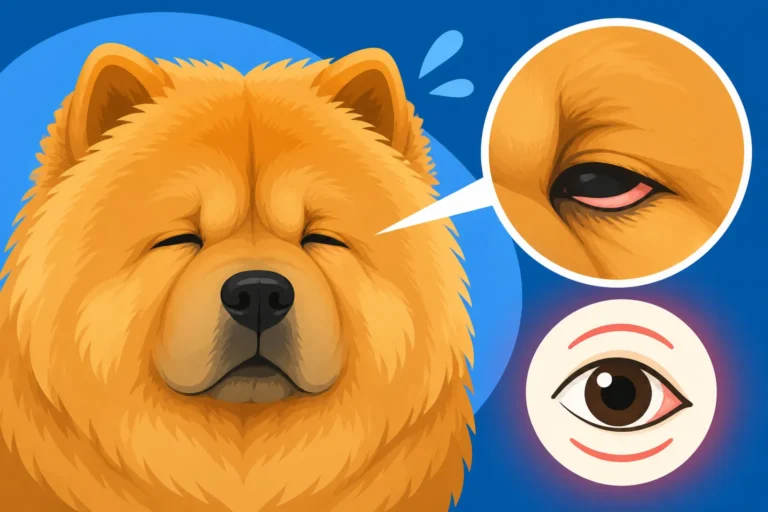
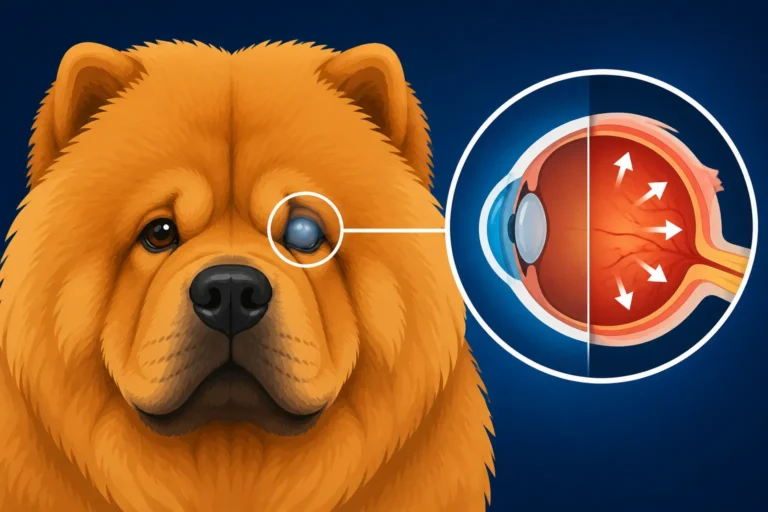
Spotting entropion early is crucial, but with a Chow Chow's naturally deep-set eyes and often stoic nature, it can sometimes be a challenge. Your dog might not yelp in pain, but their behavior will tell a story. You might notice them squinting frequently, especially in bright light, as if they're constantly trying to blink away an irritant. Excessive tearing, or epiphora, is another common sign, leading to wetness and staining around the eyes. Often, you'll see a thick, mucous-like discharge, and your Chow Chow might start rubbing their face against furniture or pawing at their eyes in an attempt to relieve the discomfort. This constant rubbing of hair against the cornea can scratch the surface of the eye, leading to painful corneal ulcers which can become very serious very quickly. Ignoring these signs isn't an option, because left untreated, the continuous irritation can lead to scarring of the cornea, pigmentation, and ultimately, impaired vision. If you notice any of these "Signs a Chow Chow Has Entropion", it's time for an immediate vet visit.
Initial Steps and Temporary Solutions for Entropion
Discovering your Chow Chow has entropion can be worrying, but thankfully, there are steps to take, starting with a proper diagnosis and potentially some temporary relief, especially for younger pups. It’s important to remember that while these temporary measures can alleviate discomfort, they generally aren't a permanent fix for adult dogs.
Veterinary Diagnosis and Assessment
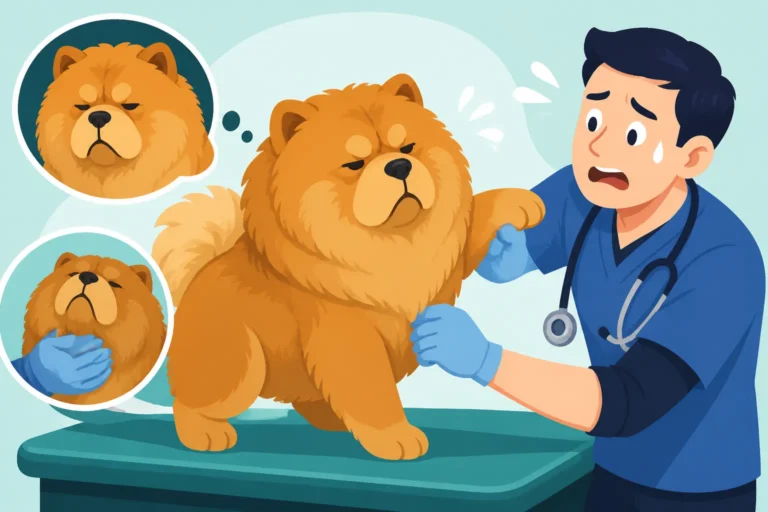
When you first suspect entropion, your veterinarian will perform a thorough eye examination. They'll gently assess the eyelids, looking for the tell-tale inward rolling. Sometimes, they might use a special dye, called fluorescein stain, to check for any corneal abrasions or ulcers that the rubbing eyelashes might have caused. This simple test is incredibly important, as corneal damage indicates a more urgent need for intervention. In many cases, especially if surgery is being considered, your vet might recommend a referral to a veterinary ophthalmologist. These specialists have advanced equipment and expertise to evaluate the severity of the entropion and recommend the most appropriate course of action. They can provide a clearer picture of "What Entropion Does to a Chow Chow's Eye" and determine the best repair method. Early diagnosis is particularly vital in puppies because their facial structures are still developing, and temporary solutions might be more effective.
Eyelid Tacking for Puppies
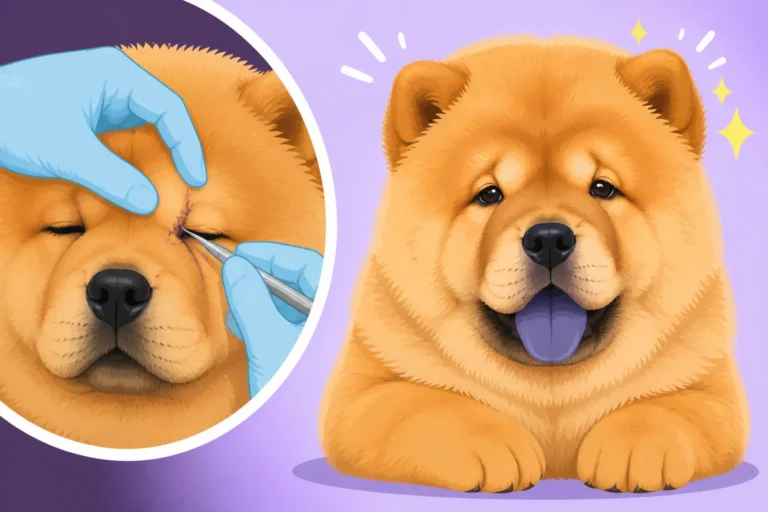
It’s often heartbreaking when entropion manifests in a young Chow Chow puppy, sometimes even as early as a few weeks old, as detailed in "The Age Entropion Shows in a Chow Chow Puppy". For these little ones, a temporary procedure called eyelid tacking is often the first line of defense. This isn't a full surgical correction, but rather a way to evert the eyelid temporarily until the puppy grows and their facial structures mature. During tacking, small sutures are placed in the skin around the affected eyelid, pulling it outward and away from the eye. These sutures are left in for several weeks, or even a few months, and may need to be repeated. The idea is to provide relief and protect the cornea during a critical growth phase, hoping that as the puppy grows, the eyelid will naturally settle into a more normal position. This avoids permanent surgery on a still-developing pup. If you’re wondering when this might be necessary, you can read more about "When a Chow Chow Puppy Gets Eyelid Tacking" and "What Eyelid Tacking Does for a Chow Chow Puppy" for a clearer picture.
Topical Treatments and Pain Management
While you’re awaiting a definitive repair or if your puppy is undergoing eyelid tacking, managing their discomfort is paramount. Your vet will likely prescribe a regimen of eye drops or ointments. These usually include lubricating drops to provide a protective barrier between the cornea and the irritating lashes, as well as antibiotic drops or ointments to prevent or treat any secondary bacterial infections that can arise from the constant irritation and damage. Sometimes, a topical anti-inflammatory might be used to reduce swelling and pain. Oral pain medication might also be prescribed if there's significant corneal damage or discomfort. It's crucial to understand that these topical treatments are not a cure for entropion itself; they are temporary measures to keep your Chow Chow comfortable and prevent further damage until a more permanent solution can be implemented. Think of them as a crucial stop-gap, not the final answer.
Surgical Repair: The Definitive Solution
For most adult Chow Chows with persistent entropion, surgery is the gold standard for providing lasting relief. It's a procedure that requires precision and experience, as the goal is to correct the eyelid's position without over-correcting it, which could lead to another set of problems.
The Hotz-Celsus Procedure
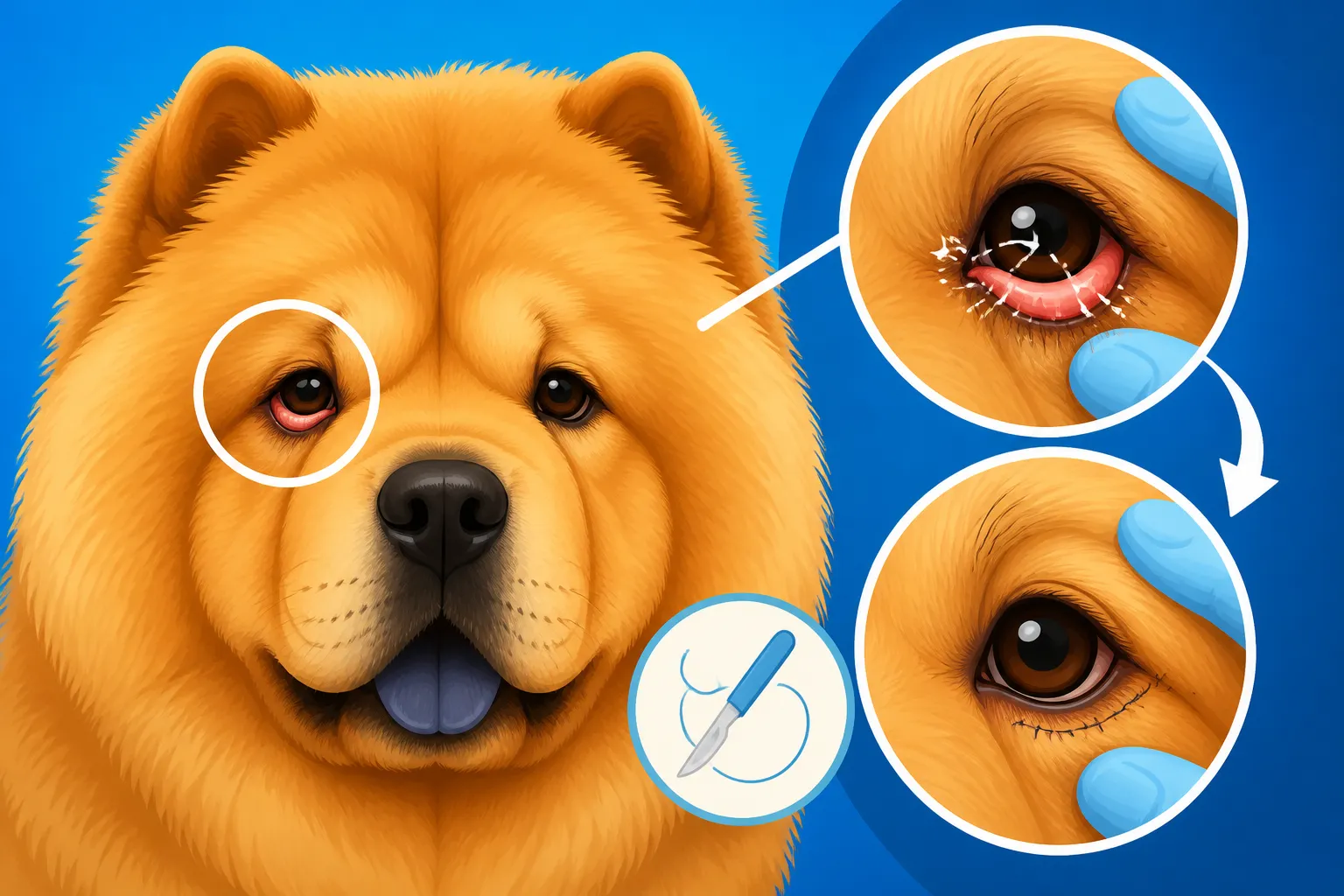
The most common and effective surgical technique used to repair entropion in Chow Chows is called the modified Hotz-Celsus procedure. It sounds complex, but the principle is fairly straightforward: the surgeon carefully removes a crescent-shaped strip of skin and underlying muscle from the eyelid, just below the affected margin. By doing this, and then meticulously suturing the incision, the eyelid is gently pulled outward, effectively everting it so the lashes no longer rub against the eye. The success of this procedure hinges on the surgeon's ability to remove just the right amount of tissue. Too little, and the entropion might persist or recur; too much, and the eyelid could roll outward (ectropion), which presents its own set of issues. It's a delicate balance that an experienced veterinary ophthalmologist or surgeon can achieve, offering your Chow Chow a chance at a pain-free life.
Other Surgical Techniques
While the Hotz-Celsus is widely adopted, there are variations and other techniques that might be employed depending on the specific characteristics of your Chow Chow's entropion. For instance, if the issue is primarily in the lateral (outer) corner of the eye, a lateral canthoplasty might be performed, which involves widening the outer corner to improve eyelid positioning. In some cases, a combination of techniques may be necessary, particularly if the entropion affects both the upper and lower lids, or if there's significant scarring from previous irritation. The choice of procedure is highly individualized and will be determined by the veterinary ophthalmologist after a thorough assessment of your dog's unique facial anatomy and the severity of the condition. They'll consider factors like the amount of excess skin, the degree of inward rolling, and whether the upper, lower, or both eyelids are affected.
Anesthesia Considerations for Chow Chows
Any surgery comes with anesthetic risk, and it’s important to be aware that Chow Chows, like many brachycephalic (short-nosed) breeds, can have specific sensitivities when it comes to anesthesia. Their unique airway structure can make them more prone to respiratory complications during and after sedation. This isn't meant to scare you, but rather to emphasize the importance of choosing a veterinary practice that is well-versed in anesthetizing this breed. Before surgery, your vet will perform comprehensive pre-anesthetic bloodwork to assess organ function and ensure your Chow Chow is a good candidate for anesthesia. During the procedure, a dedicated veterinary technician will carefully monitor vital signs, including heart rate, respiration, blood pressure, and oxygen saturation, using state-of-the-art equipment. Discussing these concerns with your vet beforehand can help ease your mind, and you can learn more about general anesthetic considerations for the breed by looking into "Whether a Chow Chow Tolerates Anesthesia".
Post-Operative Care and Recovery
Bringing your Chow Chow home after entropion surgery requires a commitment to diligent post-operative care. The success of the surgery often depends just as much on what happens at home as it does on the surgeon's skill. Being prepared for this period will make it smoother for both you and your furry friend.
Immediate Post-Surgery Care at Home
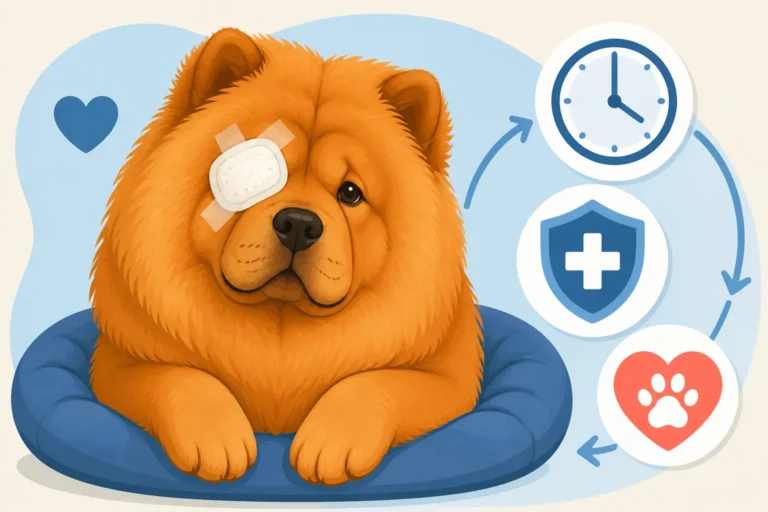
The first few days and weeks after entropion surgery are crucial for proper healing. Your Chow Chow will likely come home wearing an Elizabethan collar, affectionately known as the "cone of shame." As annoying as it might seem to them (and you!), this cone is absolutely non-negotiable. It's there to prevent your dog from scratching or rubbing at their eyes, which could tear out sutures, introduce infection, or undo the surgical correction. You’ll also be responsible for administering prescribed medications, which typically include oral antibiotics to prevent infection and pain relievers to keep your Chow Chow comfortable. Eye drops might also be part of the regimen to aid healing and keep the eyes lubricated. During this time, it's vital to restrict your Chow Chow's activity. No rough-housing, no jumping, and short, leashed walks only. The goal is to minimize swelling and ensure the surgical site heals cleanly. The total recovery time can vary, but generally, stitches are in for about 10-14 days. For a broader idea, you might find "How Long a Chow Chow Recovers From Eye Surgery" helpful.
Monitoring for Complications
Even with the best surgical care, complications can sometimes arise. It’s important to be vigilant during your Chow Chow's recovery period. Keep a close eye on the surgical site for excessive swelling, redness, or any signs of pus-like discharge, which could indicate an infection. While some mild swelling is normal initially, anything increasing in severity or accompanied by significant pain should prompt a call to your vet. Another concern is the possibility of the entropion recurring or, conversely, developing ectropion (the eyelid rolling outward). If you notice your Chow Chow starting to squint again, or if the eyelid appears to be rolling in or out excessively, contact your vet immediately. Regular follow-up appointments are critical. Your vet will want to recheck the surgical site, remove sutures, and assess the healing process, ensuring the eye is comfortable and properly corrected.
Long-Term Outlook and Potential for Recurrence
The good news is that entropion surgery in Chow Chows generally has a high success rate, offering significant and lasting relief. Many dogs go on to live comfortable, pain-free lives without further eye issues related to entropion. However, it's not always a one-and-done situation. Due to the complex nature of the Chow Chow's facial anatomy and the breed's genetic predisposition, some individuals, unfortunately, may experience a recurrence of entropion, or require an additional minor corrective procedure down the line. This is often why questions arise like "Whether a Chow Chow Needs Entropion Surgery Twice". Choosing an experienced veterinary ophthalmologist who understands the nuances of the Chow Chow breed can significantly improve the long-term prognosis. Even after successful surgery, regular eye checks as part of your Chow Chow's routine veterinary visits are a wise preventative measure to catch any potential issues early.
Financial Considerations and Insurance
Let's be real, owning a Chow Chow can be a financial commitment, and dealing with a condition like entropion can add unexpected expenses. It's not just about the surgery itself; there are diagnostics, medications, and follow-up visits to consider. Understanding the potential costs and how pet insurance might help can save a lot of stress.
The Cost of Entropion Surgery
The cost of entropion surgery for a Chow Chow can vary quite a bit, depending on your geographic location, the veterinary clinic you choose (a general vet versus a board-certified ophthalmologist), and the severity of the entropion. Generally, you can expect to pay anywhere from $1,500 to $4,000 per eye. This fee typically includes the pre-surgical examination, diagnostic tests (like bloodwork and corneal staining), the anesthesia itself, the surgical procedure, post-operative medications, and a few follow-up visits. If both eyes need to be corrected, the cost will obviously be higher. Remember, this is an investment in your Chow Chow's comfort and long-term eye health, preventing more severe and expensive complications down the road. For a more detailed breakdown, you might want to read "What Entropion Surgery Costs on a Chow Chow".
| Expense Category | Estimated Cost Range (Per Eye) | Notes |
|---|---|---|
| Initial Vet Exam/Consultation | $50 – $150 | Excludes specialist fees |
| Pre-Anesthetic Bloodwork | $100 – $300 | Essential for assessing anesthetic risk |
| Anesthesia | $300 – $800 | Varies by duration and monitoring complexity |
| Surgical Procedure (Hotz-Celsus) | $800 – $2,500 | Includes surgeon's fee, operating room, materials |
| Post-Operative Medications | $50 – $200 | Pain relief, antibiotics, eye drops |
| Elizabethan Collar | $15 – $50 | Prevents self-trauma to the surgical site |
| Follow-up Appointments | $50 – $150 (per visit) | Typically 1-3 visits for suture removal and healing assessment |
| Total Estimated Cost | $1,365 – $4,150 | These are estimates and can vary significantly by region and clinic. |
Navigating Pet Insurance Coverage
Pet insurance can be a real lifesaver when unexpected health issues like entropion arise. However, it’s crucial to understand how it works. Most pet insurance policies, including those from providers like Healthy Paws, will cover entropion surgery if the condition is not considered pre-existing. This means that if you enroll your Chow Chow in a policy before any signs or symptoms of entropion appear, the surgery should generally be covered, subject to your deductible and reimbursement level. If, however, your Chow Chow has already been diagnosed with entropion, or if symptoms were present before your policy's waiting period ended, it will almost certainly be considered a pre-existing condition and will not be covered. This is why many experienced Chow Chow owners advocate for getting pet insurance as early as possible, ideally when they are puppies. Always read your policy documents carefully and speak directly with your insurance provider to understand their specific terms for genetic or congenital conditions. You can also explore "Whether Insurance Covers a Chow Chow's Entropion" for more insights.
Prevention and Responsible Breeding
While entropion can feel like an inevitable challenge for Chow Chow owners, there are proactive steps that can be taken, especially on the breeding front, to reduce its incidence and severity. Prevention starts long before a puppy even comes home.
The Role of Responsible Breeding
The genetic component of entropion in Chow Chows cannot be overstated. This means that responsible breeders play a critical role in minimizing its prevalence. A truly ethical breeder will carefully select breeding pairs with no history of entropion themselves, or in their immediate lineage. They should also be transparent about the health history of their dogs and be willing to provide documentation of eye certifications for the parent dogs. Breeders should have their breeding stock screened by a board-certified veterinary ophthalmologist to rule out any genetic eye conditions, including entropion. This commitment to health screening is a key indicator of a responsible breeder, and it's something you should always ask about. A responsible breeder understands that "What a Chow Chow Breeder Should Have Tested" includes comprehensive eye exams. While it's impossible to guarantee a puppy will never develop entropion, conscientious breeding practices significantly reduce the risk and indicate that the breeder is prioritizing the long-term health and well-being of the breed. It's important to remember that "Whether Entropion Runs in Chow Chow Lines" is a definite yes, making informed breeding choices paramount.
Regular Veterinary Check-ups
Even if your Chow Chow comes from excellent breeding stock, regular veterinary check-ups remain incredibly important throughout their life, especially for monitoring eye health. For puppies, early and frequent vet visits are crucial because entropion can manifest at a very young age. Your vet can identify subtle signs of the condition before it becomes severely painful or causes permanent damage. As your Chow Chow grows, routine annual exams should always include a thorough check of their eyes. This proactive approach allows your vet to catch any changes or the development of entropion early, enabling timely intervention, whether it's temporary tacking for a growing pup or planning for surgical correction if necessary. Think of these check-ups as your primary defense line in maintaining your Chow Chow's overall health, including their precious eyesight. Making sure your Chow Chow receives "Whether a Chow Chow Needs a Yearly Eye Exam" is a simple yet effective way to stay ahead of potential issues.
Disclaimer
This article is for general informational purposes only and does not constitute professional advice. Laws, prices and regulations vary by location and change over time. Consult a qualified professional for guidance on your specific situation.