What a Corneal Ulcer Does to a Chow Chow
Few things are as alarming to a Chow Chow owner as seeing their beloved companion in pain, especially when it involves their eyes. These regal, often stoic dogs can be masters at hiding discomfort, and when something like a corneal ulcer strikes, it can quickly escalate from a minor irritation to a serious threat to their vision. Understanding what a corneal ulcer does to a Chow Chow, and how quickly it can become a dire emergency, is crucial for every owner.
Understanding the Cornea and Ulceration in Chow Chows
The cornea is essentially the clear "window" at the front of your Chow Chow's eye. It’s a transparent, dome-shaped tissue that covers the pupil and iris, playing a critical role in focusing light onto the retina. When this delicate surface gets damaged, whether by a scratch, foreign body, or even chronic irritation, it can lead to a corneal ulcer. For Chow Chows, their unique facial structure, particularly their deep-set eyes and abundant facial wrinkles, unfortunately makes them particularly susceptible to this painful condition.
What Makes a Chow Chow's Eye Susceptible?
Chow Chows, with their magnificent ruff and famously scowling expression, possess anatomical features that can predispose them to eye issues, including corneal ulcers. Their eyelids, especially the lower one, can sometimes roll inward, a condition known as entropion. You might want to learn more about Why a Chow Chow's Eyelid Rolls Inward. This seemingly small anatomical variation means that the eyelashes and facial fur can constantly rub against the sensitive corneal surface. Imagine having a tiny, stiff brush irritating your eye all day, every day; that's what it can feel like for a Chow with entropion, leading to abrasions that can easily become ulcers.
Furthermore, the Chow Chow's deep-set eyes, while contributing to their distinctive appearance, also mean that their eyes are somewhat recessed, potentially trapping debris more easily. A stray piece of dust, a grass seed, or even a small thorn picked up during a walk can get lodged in the folds around their eye or under an inward-rolling lid, continuously scratching the cornea. It's a frustrating reality for many Chow Chow owners who go to great lengths to keep their dogs comfortable and healthy.
How a Corneal Ulcer Develops
A corneal ulcer typically starts as a simple abrasion or scratch on the outermost layer of the cornea, known as the epithelium. If this initial injury isn't addressed promptly, or if the source of irritation continues, the damage can penetrate deeper into the corneal layers. The cornea has four main layers: the epithelium (outermost), the stroma (thickest middle layer), Descemet's membrane, and the endothelium (innermost).
When the injury only affects the epithelium, it's considered a superficial ulcer. These are generally the easiest to treat and often heal relatively quickly with proper care. However, if the ulcer extends into the stroma, it becomes a stromal ulcer, which is more serious and requires more intensive treatment. If the damage progresses all the way to Descemet's membrane, it's called a descemetocele, a truly critical emergency where the eye is perilously close to rupturing. This rapid progression is why vigilance is so vital for Chow Chow owners.
Recognizing the Subtle Signs of an Ulcer in Your Chow Chow
Spotting a corneal ulcer in a Chow Chow can be a challenge due to their dense fur and their innate ability to mask pain. They aren't always vocal about their discomfort, which can make early detection tricky. You might find yourself wondering How a Chow Chow Hides Pain, and for eye issues, this stoicism is particularly pronounced. However, there are still key indicators you can look for, though they might be subtle at first.
Common Symptoms to Watch For
Even the most stoic Chow Chow will show some signs of ocular pain or irritation. The key is knowing what to look for and examining your dog regularly.
- Squinting or Holding the Eye Shut: This is often one of the first and most obvious signs. If your Chow is constantly squinting or holding one eye partially or fully closed, it's a clear indication of discomfort. This is their way of trying to protect the sensitive eye from further irritation or light. You might notice your Chow looking like they are giving you the side-eye more often than usual, but it's really an attempt to alleviate pain.
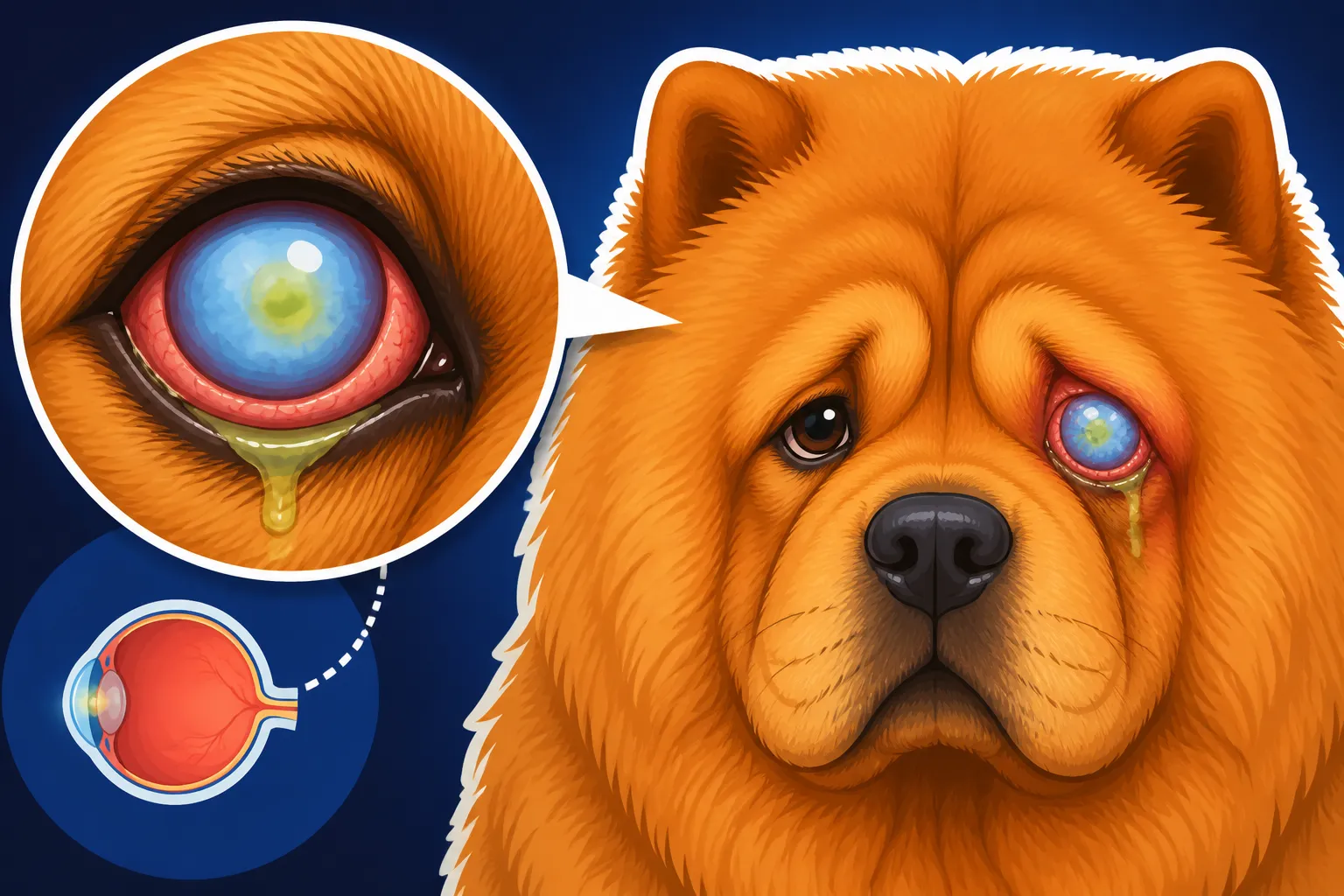
- Excessive Tearing or Eye Discharge: While a little tearing might be normal for some Chows with their deep-set eyes, a sudden increase in watery discharge, or the appearance of thick, mucous-like, or pus-filled discharge, is a red flag. This can be a sign of infection accompanying the ulcer. Don't ignore it; remember that When a Chow Chow's Eye Discharge Means Entropion it can also lead to ulceration.
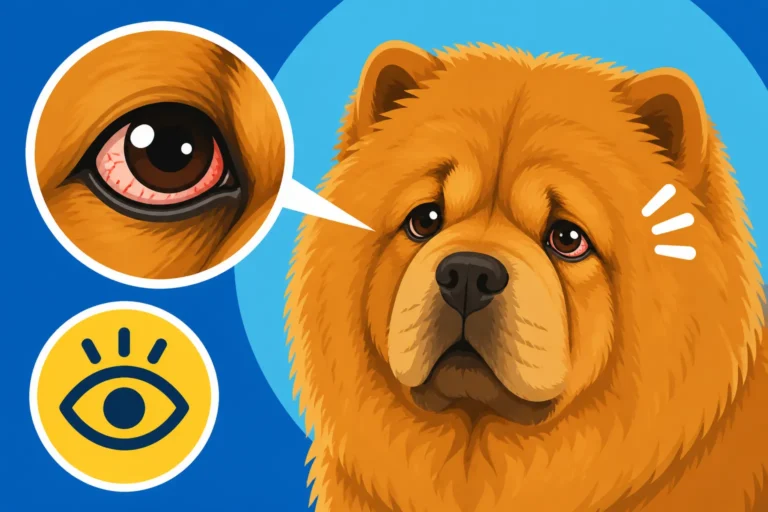
- Redness of the Eye: The white part of the eye (sclera) or the tissues around the cornea might appear noticeably red or inflamed. This indicates irritation and inflammation.
- Rubbing or Pawing at the Eye: While your Chow Chow might not explicitly tell you their eye hurts, they might try to relieve the discomfort by rubbing their face on furniture or pawing at their eye. If you notice an increase in these behaviors, investigate immediately.
- Cloudiness or Change in Corneal Appearance: The clear cornea might appear cloudy, hazy, or even have a bluish tint. In some cases, you might even see a visible defect or divot on the surface of the eye. This cloudiness is often due to edema (swelling) in the cornea.
- Sensitivity to Light (Photophobia): Your Chow Chow might try to avoid bright light, seeking out darker areas or turning their head away from direct light sources.
It's important to differentiate these symptoms from minor irritations. When in doubt, it's always best to consult with your veterinarian. A simple eye stain can quickly reveal an ulcer.
The Challenge of Detection in a Chow Chow
The very features that give Chow Chows their unique charm can also complicate early detection of health issues. Their profuse double coat, particularly the dense fur around their eyes and face, can hide subtle discharge or redness. A Chow Chow's natural "scowl" can also make it difficult to discern if they are truly squinting due to pain or just displaying their typical expression.
Furthermore, their independent and sometimes aloof nature means they might not come running to you for comfort when they're in pain, especially with an eye issue. They might simply retreat and suffer in silence. This makes regular, thorough checks of your Chow's eyes, even when they seem perfectly fine, absolutely essential. It’s an act of love to carefully part their fur and observe their eyes, even if they resist a little.
Here's a quick guide to common symptoms and their potential severity:
| Symptom | Potential Severity | What to Look For |
|---|---|---|
| Squinting/Closed Eye | Moderate to Severe | Persistent partial or full closing of one eye; avoidance of light. |
| Excessive Tearing | Mild to Moderate | Increased clear, watery discharge, often moistening the fur below the eye. |
| Thick/Colored Discharge | Moderate to Severe | Yellow, green, or white discharge; sticky or crusty; indicates infection. |
| Redness of Eye | Mild to Severe | Visible blood vessels on the white of the eye; red conjunctiva. |
| Pawing/Rubbing Eye | Mild to Severe | Frequent rubbing of face on objects or pawing at the eye with a paw. |
| Cloudy/Hazy Cornea | Moderate to Severe | Loss of transparency in the cornea; a bluish or grayish tint. |
| Visible Defect/Divot | Severe | A noticeable depression or hole on the corneal surface. |
The Serious Impact a Corneal Ulcer Has on Your Chow's Eye
A corneal ulcer is not just a cosmetic issue or a temporary discomfort; it can have profound and lasting consequences for your Chow Chow's vision and overall eye health. Ignoring or delaying treatment can lead to excruciating pain, permanent vision impairment, and in the most severe cases, even loss of the eye itself. The pain can be intense, disrupting their daily life and making them even more withdrawn.
Pain and Infection: The Immediate Fallout
Imagine a persistent, sharp pain in your eye; that's what your Chow Chow might be experiencing. The exposed nerve endings in the ulcerated cornea cause significant pain, which can manifest as lethargy, loss of appetite, and an unwillingness to play or interact. This pain can also lead to secondary problems, as the constant irritation and rubbing can worsen the ulcer or introduce bacteria.
A damaged cornea is an open door for bacterial and fungal infections. The eye's natural defenses are compromised, making it easy for microorganisms to take hold. If an infection sets in, it complicates treatment and accelerates tissue damage. These infections can quickly lead to a serious condition known as melting ulcers, where enzymes produced by bacteria or the eye itself start to rapidly break down the corneal tissue, making the ulcer deeper and wider at an alarming rate. This is a terrifying prospect, as it can cause the eye to rupture in mere hours.
Potential for Vision Loss and Eye Rupture
The deeper the ulcer penetrates, the more severe the consequences become. A deep stromal ulcer or descemetocele means the structural integrity of the eye is severely compromised. A minor bump, a sudden head shake, or even a sneeze can cause the eye to rupture, leading to irreversible blindness in that eye and potentially requiring surgical removal of the eyeball (enucleation).
Even if rupture is avoided, deep ulcers often heal with scar tissue. This scar tissue is opaque, meaning it's not clear like healthy corneal tissue. Depending on its size and location, corneal scarring can permanently impair vision, creating blind spots or generally clouding your Chow Chow's sight. While dogs adapt remarkably well to partial vision, it's a quality of life concern that every owner wants to avoid. In some cases, chronic irritation or deep scarring can also lead to other complications like glaucoma, which can blind a Chow Chow in days if not managed.
Treating a Corneal Ulcer: What to Expect and Why Swift Action Matters
When it comes to corneal ulcers in Chow Chows, time is truly of the essence. What starts as a superficial scratch can rapidly deepen, especially in a breed prone to chronic irritation from entropion or facial folds. Swift diagnosis and aggressive treatment are paramount to preserving your Chow Chow's vision and comfort.
Veterinary Diagnosis and Initial Treatment
As soon as you suspect an eye issue, get your Chow Chow to the vet. The diagnostic process is relatively straightforward. Your veterinarian will perform a thorough eye exam, often using an ophthalmoscope. The most common diagnostic tool for ulcers is a fluorescein stain. A special orange dye is applied to the eye; if an ulcer is present, the dye adheres to the exposed stromal layer of the cornea and glows bright green under a blue light. It’s a very effective way to confirm the presence and depth of an ulcer.
Initial treatment for a superficial ulcer typically involves:
- Antibiotic Eye Drops or Ointments: To prevent or treat bacterial infections. Your vet will prescribe the appropriate medication, and consistency in administration is key. You might wonder What a Chow Chow's Eye Drops Cost a Month, and while they vary, they are a vital part of recovery.
- Pain Medication: Oral pain relievers or anti-inflammatory drops to keep your Chow comfortable.
- Atropine Drops: These drops help to relax painful muscle spasms in the eye and dilate the pupil, further reducing discomfort.
- E-collar (Cone of Shame): This is non-negotiable! An Elizabethan collar prevents your Chow Chow from rubbing, pawing, or scratching at their eye, which could worsen the ulcer or introduce infection. While they might hate it, it's critical for healing.
For more severe or non-healing ulcers, a veterinary ophthalmologist might be required. These specialists have advanced tools and surgical techniques at their disposal. The cost of such specialized care can be significant, so understanding What a Veterinary Ophthalmologist Charges for a Chow Chow can help you prepare. This is also where pet insurance, like Healthy Paws, can be an absolute lifesaver, helping to cover unexpected specialist bills and crucial treatments.
Surgical Interventions for Complicated Ulcers
If an ulcer is deep, infected, or not healing with conventional medical therapy, surgery might be necessary. There are several surgical options, depending on the severity:
- Grid Keratotomy or Diamond Burr Debridement: For certain types of non-healing superficial ulcers (indolent ulcers), these procedures involve gently scratching the surface of the cornea or using a specialized burr to remove loose, unhealthy epithelial tissue, encouraging healthy new cells to grow.
- Conjunctival Flap Surgery: In cases of deep stromal ulcers or descemetoceles, a flap of conjunctival tissue (the pink membrane lining the inside of the eyelid) is surgically moved and sutured over the ulcer. This living tissue provides structural support, blood supply, and healing factors to the damaged cornea. It essentially acts as a biological bandage.
- Corneal Grafting: For very severe or perforating ulcers, a corneal graft (taking healthy corneal tissue from a donor or another part of the eye) might be necessary to restore the integrity of the eyeball.
Recovery from eye surgery can be a delicate process, often requiring strict rest, an E-collar, and a regimen of eye drops and oral medications. You'll need to understand How Long a Chow Chow Recovers From Eye Surgery to ensure you're prepared for the commitment involved. During this challenging time, knowing you have financial support from a provider like Healthy Paws can provide immense peace of mind, allowing you to focus entirely on your Chow's recovery.
Preventing Future Eye Troubles in Your Beloved Chow
While you can't eliminate all risks, proactive care and attention can significantly reduce the chances of your Chow Chow developing another corneal ulcer or other serious eye problems. It's all about being diligent and understanding their specific breed needs.
Regular Eye Examinations and Grooming
Consistent home care is your first line of defense. Get into the habit of gently parting the fur around your Chow's eyes daily to check for any redness, discharge, or debris. Use a soft, damp cloth to carefully wipe away any crusts or tear stains. Regular grooming of the fur around their eyes can prevent long hairs from irritating the cornea. If your Chow has prominent facial folds, ensure they are kept clean and dry to prevent moisture and bacteria buildup, which can track into the eyes.
Professional veterinary check-ups are also crucial. Your vet can spot subtle issues you might miss. It’s often recommended that Chow Chows have Whether a Chow Chow Needs a Yearly Eye Exam, especially given their breed predispositions. During these exams, your vet can identify early signs of entropion or other anatomical issues that could lead to ulcers. If entropion is present, discuss options like temporary eyelid tacking for puppies or surgical correction for adults, which can drastically reduce the risk of future ulcers.
Managing Environmental Risks
Think about your Chow Chow's environment and daily activities.
- Avoid Irritants: Be mindful of walking your Chow through tall grass, thorny bushes, or dusty areas where foreign bodies could easily enter their deep-set eyes. If they spend time outside, inspect their eyes thoroughly afterward.
- Indoor Safety: Consider the air quality inside your home. Strong cleaning chemicals, excessive dust, or even smoke can irritate sensitive eyes. Ensure good ventilation.
- Supervision: Always supervise your Chow Chow, especially around children or other pets, to prevent accidental eye injuries. Chows can be sensitive to being approached from behind due to their vision limitations, so preventing startled reactions is important.
Investing in a good pet insurance plan, such as those offered by Healthy Paws, is a responsible long-term strategy for any Chow Chow owner. While you hope never to need it, having coverage for accidents, illnesses, and even hereditary conditions can make critical veterinary care, including specialist ophthalmology, far more accessible. This proactive step ensures that when unexpected eye troubles arise, you can make decisions based on your Chow's health needs, not just your wallet.
Disclaimer
This article is intended for informational purposes only and is not a substitute for professional veterinary advice. Always consult with a qualified veterinarian regarding your Chow Chow's health and any specific medical conditions.