Signs a Chow Chow Has Entropion
It’s truly disheartening when you notice something isn’t quite right with your beloved Chow Chow’s eyes, especially when their deep-set eyes and abundant facial folds can sometimes make issues hard to spot. Many Chow Chow owners face the worry of entropion, a common but painful condition where the eyelid rolls inward, causing eyelashes and fur to constantly rub against the delicate surface of the eye. This guide is here to walk you through all the tell-tale signs, both subtle and obvious, so you can recognize entropion early and get your furry friend the help they need.
Understanding Entropion in Chow Chows
Let's be honest, those stunning, deep-set eyes and magnificent ruff are part of what makes a Chow Chow so utterly captivating. But, as with many breed-specific traits, sometimes what makes them unique also predisposes them to certain health challenges. Entropion is one of those challenges, and it's something every Chow Chow owner needs to be keenly aware of.
What Entropion Is and Why Chow Chows Are Prone
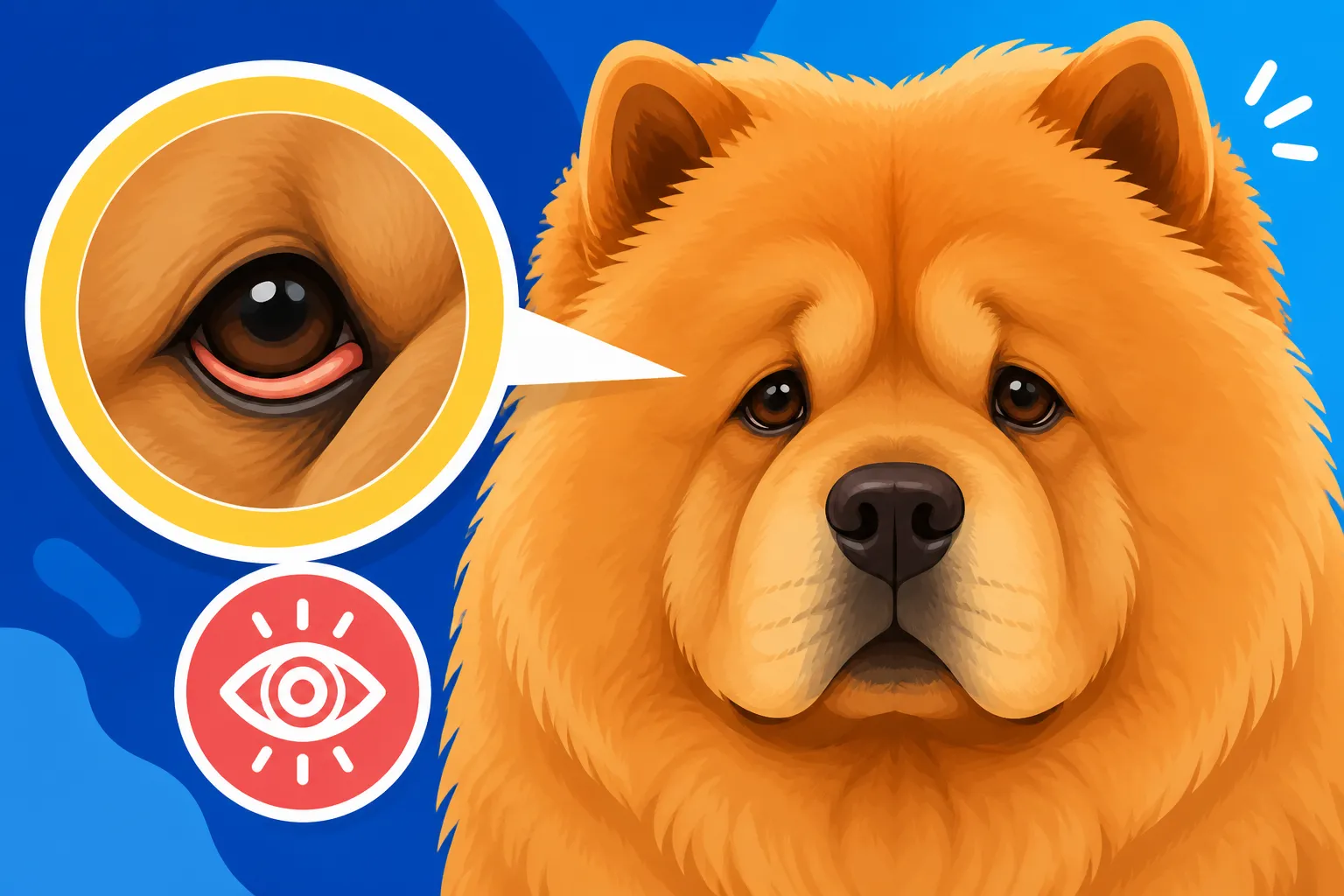
Entropion simply means that the eyelid, usually the lower one, rolls inward towards the eyeball. Imagine having a piece of grit in your eye all the time – that’s essentially what your Chow Chow experiences. The delicate hairs and sometimes even the skin itself constantly scratch and irritate the cornea, which is the clear outer layer of the eye. This isn't just uncomfortable; it can lead to serious complications if left unaddressed. While entropion can affect any breed, it's particularly prevalent in breeds with specific head and facial structures, and the Chow Chow is, unfortunately, near the top of that list. This is why it's so important for prospective owners to understand that Entropion Is the Chow Chow's Signature Problem.
The constant irritation from the inwardly rolled eyelid can cause a range of issues, from mild discomfort to severe pain, and even permanent damage to the eye. It's not something that usually resolves on its own; in fact, it often gets worse over time as the dog tries to relieve the irritation by rubbing their eyes, which can further inflame the area and exacerbate the rolling. Owners often feel a pang of guilt or frustration because they know their dog is uncomfortable but might not immediately pinpoint the cause, especially given the breed's stoic nature.
How the Chow Chow's Unique Anatomy Contributes
So, why are our Chow Chows so susceptible? It largely comes down to their distinctive facial anatomy. Their deep-set eyes, combined with the prominent facial folds and heavy brows, create a perfect storm for entropion. The way a Chow Chow's face folds push the lid in is a key factor. These folds, which give them that endearing "scowling" or "lion-like" expression, can actually put pressure on the eyelids, causing them to roll inward. Furthermore, the breed standard often favors deep-set eyes, which can inadvertently contribute to the problem. It’s a classic case where aesthetics, unfortunately, can clash with canine comfort and health.
The thickness and structure of their eyelids themselves also play a role. Some Chow Chows simply have eyelids that are anatomically predisposed to folding incorrectly. This isn't a fault of the owner or the dog; it's a genetic predisposition, which is why responsible breeders are so crucial and undertake specific health screenings. Understanding Why a Chow Chow's Deep Set Eye Causes Trouble is the first step toward early detection and proactive care for these magnificent dogs.
Early Warning Signs to Watch For
Catching entropion early can make a significant difference in your Chow Chow's comfort and long-term eye health. It helps prevent secondary complications like corneal ulcers. While our Chows are masters at hiding discomfort, there are several key indicators that should prompt you to take a closer look.
Excessive Tearing and Eye Discharge
One of the most common and earliest signs that something is amiss with your Chow Chow's eyes is an increase in tearing, or what veterinarians call epiphora. You might notice constant wetness around their eyes, or even streaks down their face, especially if they have lighter colored fur. This isn't just a "weepy eye"; it's a sign their body is trying to flush out the irritant – in this case, the eyelashes or fur rubbing against the cornea. It’s an involuntary protective mechanism, but it won't solve the underlying problem.
Along with excessive tearing, you might also observe different types of eye discharge. It could start as clear, watery discharge, but if irritation persists or an infection sets in, it can quickly become thicker, mucous-like, or even greenish-yellow. This type of discharge often indicates a secondary bacterial infection caused by the constant trauma to the eye's surface, which creates an entry point for bacteria. Paying attention to When a Chow Chow's Eye Discharge Means Entropion can be crucial for early intervention. Don't simply dismiss it as "allergies" without a vet's opinion, as the stakes are much higher with entropion.
Squinting and Sensitivity to Light
Imagine having something irritating your eye all the time; your natural reaction is to squint to try and relieve the discomfort. Your Chow Chow does the same thing. Squinting, also known as blepharospasm, is a strong indicator of eye pain or irritation. You might notice one or both eyes seem partially closed, or your dog might blink more frequently than usual. This isn't just a cute expression; it's a clear signal of distress.
Closely related to squinting is an increased sensitivity to light, or photophobia. Dogs with entropion often find bright light uncomfortable, as it can exacerbate the feeling of irritation on their cornea. You might notice your Chow Chow avoiding bright rooms, preferring shaded areas, or being reluctant to go outside on sunny days. If you've ever wondered Why a Chow Chow With Entropion Squints, it's directly linked to this pain response. This change in behavior, especially if it’s new, should definitely raise a red flag and warrant a veterinary check-up.
Rubbing or Pawing at the Eyes
This is one of the most direct ways your Chow Chow will communicate that their eyes are bothering them. If you see your dog frequently rubbing their face against furniture, carpets, or pawing directly at their eyes, it's a clear sign of irritation. While a casual scratch now and then is normal, persistent or aggressive rubbing is not. This behavior is often an attempt to alleviate the constant itching or pain caused by the hair on the cornea.
Unfortunately, while your dog is trying to help themselves, this rubbing can actually make the problem worse. It can lead to further inflammation, introduce bacteria, and potentially cause more severe damage to the eye, including corneal abrasions or ulcers. Observing Signs a Chow Chow Puppy's Eyes Are Sore is particularly vital, as puppies are more susceptible to complications if left untreated. If you notice this behavior, a trip to the vet is immediately necessary. It's often a sign of significant discomfort that shouldn't be ignored.
Visual Indicators of Entropion Progression
As entropion continues unchecked, the subtle signs can become more pronounced, and actual physical changes to the eye and surrounding tissues will become visible. These are critical indicators that the condition is progressing and requires urgent attention.
Redness and Inflammation of the Eyelids
When hair is constantly rubbing against the eye, it’s going to cause irritation, and irritation leads to inflammation. You might notice that your Chow Chow's eyelids, especially the lower one, appear visibly red or swollen. This isn't just the occasional allergy flair-up; it's a consistent redness that signals ongoing trauma and inflammation. The conjunctiva, the pink membrane lining the inside of the eyelids and covering the white of the eye, might also look abnormally red and puffy. This condition is often referred to as conjunctivitis, and in the case of entropion, it's a secondary symptom caused by the constant physical abrasion.
Sometimes, the entire area around the eye can look generally inflamed, making the eye appear smaller or sunken due to the swelling of the surrounding tissues. It's important to differentiate this from a temporary irritation. With entropion, the redness and inflammation tend to be persistent or recurring, escalating in severity rather than resolving on their own. This chronic irritation and inflammation can be really painful for your dog, making them reluctant to let you touch their face.
Cloudiness or Ulcers on the Cornea
This is perhaps one of the most serious visual signs and indicates that the entropion has progressed to a dangerous stage. The constant rubbing of hair against the cornea can cause abrasions, which are essentially scratches on the surface of the eye. If these abrasions are not treated, they can develop into more serious corneal ulcers. A corneal ulcer is an open sore on the eye's surface and is extremely painful. You might notice a hazy, bluish, or cloudy appearance on the surface of the eye, which is often a sign of corneal edema (swelling) or the body's attempt to heal an ulcer.
In some cases, you might even see a visible divot or indentation on the cornea itself. Ulcers can vary in size and depth, and deeper ulcers are very serious as they can lead to perforation of the eyeball and permanent vision loss. Understanding What a Corneal Ulcer Does to a Chow Chow underscores the urgency of addressing entropion. If you notice any cloudiness, a change in the color of the eye's surface, or a visible lesion, consider it an emergency and get your Chow Chow to the vet immediately. Timely intervention can literally save their eyesight.
Visible Inversion of the Eyelid Margin
While the other signs are about the effects of entropion, this is the most direct visual confirmation of the condition itself. Depending on the severity, you might actually be able to see the eyelid margin rolling inward. Gently examine your Chow Chow's eyes in good lighting. If you look closely, especially at the lower lid, you might see the edge of the lid, or even the whole lid, tucked inward, causing the eyelashes and fur to brush against the eyeball. It might be subtle at first, just a slight curling, but in more severe cases, it can be quite obvious.
This visible inversion might be constant, or it might only be apparent when your dog blinks, squints, or looks in a certain direction. Sometimes, a quick, gentle roll of the lower lid with your thumb can reveal the extent of the inversion. Just be very careful not to cause further irritation if your dog is already uncomfortable. It is crucial to identify Which Eyelid a Chow Chow's Entropion Affects and whether a Chow Chow's entropion affects both eyes. If you can clearly see the eyelid rolled inward, there’s little doubt about the diagnosis, and immediate veterinary consultation is essential.
Behavioral Changes Associated with Discomfort
Beyond the physical signs, the constant pain and irritation from entropion can significantly impact your Chow Chow's overall demeanor and behavior. Because Chows are naturally stoic, these changes might be subtle at first, but they are crucial indicators that your dog is suffering.
Increased Irritability or Withdrawal
A Chow Chow in pain or discomfort may not vocalize it with whines or yelps, but their personality can shift. You might notice your usually calm and composed Chow Chow becoming more irritable or snappy, particularly if you try to touch their head or face. They might shy away from petting, especially around their eyes, or growl softly if they feel threatened when you approach them from certain angles. This isn't aggression for the sake of it; it's often a defensive mechanism born out of pain and the anticipation of further discomfort.
Conversely, some Chows might become more withdrawn. They might spend more time alone, seek out quiet corners, or simply seem less engaged with family activities. Their typical aloofness might deepen into something more concerning, an indication that their constant eye pain is making them generally miserable. It's heartbreaking to see your usually regal companion retreat, and it’s a strong sign that something serious is affecting their well-being. Keeping an eye on these subtle shifts is really important, especially since a Chow Chow is known to sometimes hide pain.
Reluctance to Play or Exercise
Eye pain, especially when it's chronic, can sap a dog's energy and desire to participate in activities they once enjoyed. If your Chow Chow suddenly seems less enthusiastic about their daily walk, playing with their favorite toy, or joining in family games, it could be a sign of discomfort. The continuous irritation from entropion can make even simple movements painful, let alone running or roughhousing. Imagine trying to run with a sharp object constantly poking your eye – it’s just not going to be fun.
The squinting and sensitivity to light can also make outdoor activities less appealing. Bright sunlight might intensify their pain, making walks a dreaded chore rather than an enjoyable outing. If you notice a marked decrease in their activity levels, especially coupled with other eye-related symptoms, it’s time to consult your vet. This kind of behavioral change often signals a level of chronic pain that is significantly impacting their quality of life.
Changes in Appetite or Sleep Patterns
When a dog is in constant pain, their basic physiological functions can be affected. You might observe changes in your Chow Chow's eating habits. They might become less interested in their food, eat more slowly, or even refuse meals altogether. This could be due to overall discomfort or potentially because the act of bending down to eat might exacerbate the pressure on their eyes. Any significant or prolonged decrease in appetite is always a serious concern for any pet owner.
Sleep patterns can also be disrupted. A Chow Chow suffering from entropion might struggle to find a comfortable sleeping position, as certain angles might increase the irritation. They might wake up more frequently during the night or seem restless. On the other hand, some dogs in pain might sleep more as a way to cope or escape the discomfort, appearing lethargic throughout the day. If your Chow Chow’s routine, particularly around eating and sleeping, deviates noticeably from their norm, it's a strong signal that they are not feeling well and require professional evaluation.
When to Seek Veterinary Attention
As soon as you suspect any of these signs, it's absolutely critical to consult your veterinarian. Entropion is not a wait-and-see condition. Delaying treatment can lead to irreversible damage and prolonged suffering for your Chow Chow.
The Importance of Prompt Diagnosis
I cannot stress enough how important prompt veterinary attention is when you suspect entropion. Early diagnosis can prevent serious complications like severe corneal ulcers, infections, and even vision loss. If left untreated, the constant abrasion on the cornea can lead to scarring, which permanently impairs vision. Moreover, the chronic pain and discomfort can significantly diminish your dog's quality of life, leading to the behavioral changes we discussed earlier.
A veterinarian will perform a thorough eye examination, which may involve using special dyes (like fluorescein) to detect corneal abrasions or ulcers that aren't visible to the naked eye. They will be able to confirm if the eyelid is indeed rolling inward and assess the severity of the condition. In some cases, a temporary solution like eyelid tacking might be used for puppies, or a more permanent surgical correction will be recommended for adult Chows. For puppies, it’s important to know The Age a Chow Chow's Entropion Is Repaired. The quicker you act, the less invasive and expensive the treatment might be, and the better the prognosis for your dog's long-term eye health. Thinking about how many Chow Chows get entropion really highlights why being proactive is so crucial for this breed.
Preparing for Your Vet Visit
To make your vet visit as productive as possible, it helps to come prepared. Jot down all the signs you've noticed, when they started, and how frequently they occur. Mention any changes in behavior, appetite, or activity levels. If you have any photos or videos of your Chow Chow squinting, rubbing their eyes, or showing discharge, these can be incredibly helpful for your vet. Don’t be afraid to voice all your concerns and ask questions.
Be ready to discuss your Chow Chow’s medical history, including any previous eye issues or family history of entropion. This information can help your vet formulate the best diagnostic and treatment plan. It’s also wise to inquire about the potential costs of diagnosis and treatment. While no one wants to think about the financial aspect when their pet is suffering, being prepared can alleviate some stress. Many pet insurance plans, like those offered by Healthy Paws, can significantly help with the cost of unexpected surgeries and treatments, so it's a good idea to know your coverage details beforehand. Understanding What Entropion Surgery Costs on a Chow Chow can help you plan.
| Sign Category | Specific Sign | Description | Urgency (1-5, 5 being most urgent) |
|---|---|---|---|
| Early Physical | Excessive Tearing | Constant wetness, tear stains, clear discharge | 3 |
| Eye Discharge | Mucous-like, yellowish, or green discharge | 4 | |
| Squinting | Partial closing of the eye, increased blinking | 4 | |
| Light Sensitivity | Avoiding bright areas, preference for shade | 3 | |
| Behavioral | Rubbing/Pawling | Frequent attempts to touch or rub the eyes | 4 |
| Irritability | Snapping or shying away from facial contact | 4 | |
| Withdrawal | Less engagement, seeking solitude | 3 | |
| Lethargy | Reduced activity, reluctance to play/exercise | 3 | |
| Appetite Change | Decreased interest in food, slower eating | 4 | |
| Sleep Disruption | Restlessness, frequent waking, or excessive sleep | 3 | |
| Advanced Visual | Red Eyelids | Consistent redness and inflammation of the lids | 4 |
| Corneal Cloudiness | Hazy, bluish, or dull appearance of the eye surface | 5 | |
| Corneal Ulcer | Visible lesion, divot, or white spot on cornea | 5 | |
| Visible Inversion | Eyelid margin clearly rolling inward against the eye | 5 |
Remember, your vigilance is the first line of defense against entropion. By knowing what to look for, you can ensure your Chow Chow receives timely and effective care, helping them live a comfortable and happy life. It's often a situation where early intervention saves a lot of heartache and expense down the road. Pet insurance like Healthy Paws can truly be a lifesaver in these scenarios, covering a significant portion of the costs for diagnostics, medication, and surgery, which can often be substantial. Having peace of mind knowing you can afford the best care for your Chow Chow is invaluable. Timely treatment can also prevent more severe issues that might necessitate Whether a Chow Chow Needs Entropion Surgery Twice or Whether a Chow Chow's Entropion Comes Back. And when considering finances, checking Whether Insurance Covers a Chow Chow's Entropion is always a smart move.
Disclaimer
This article is intended for informational purposes only and does not constitute veterinary advice. Always consult with a qualified veterinarian for any health concerns or before making any decisions about your pet's health or treatment.