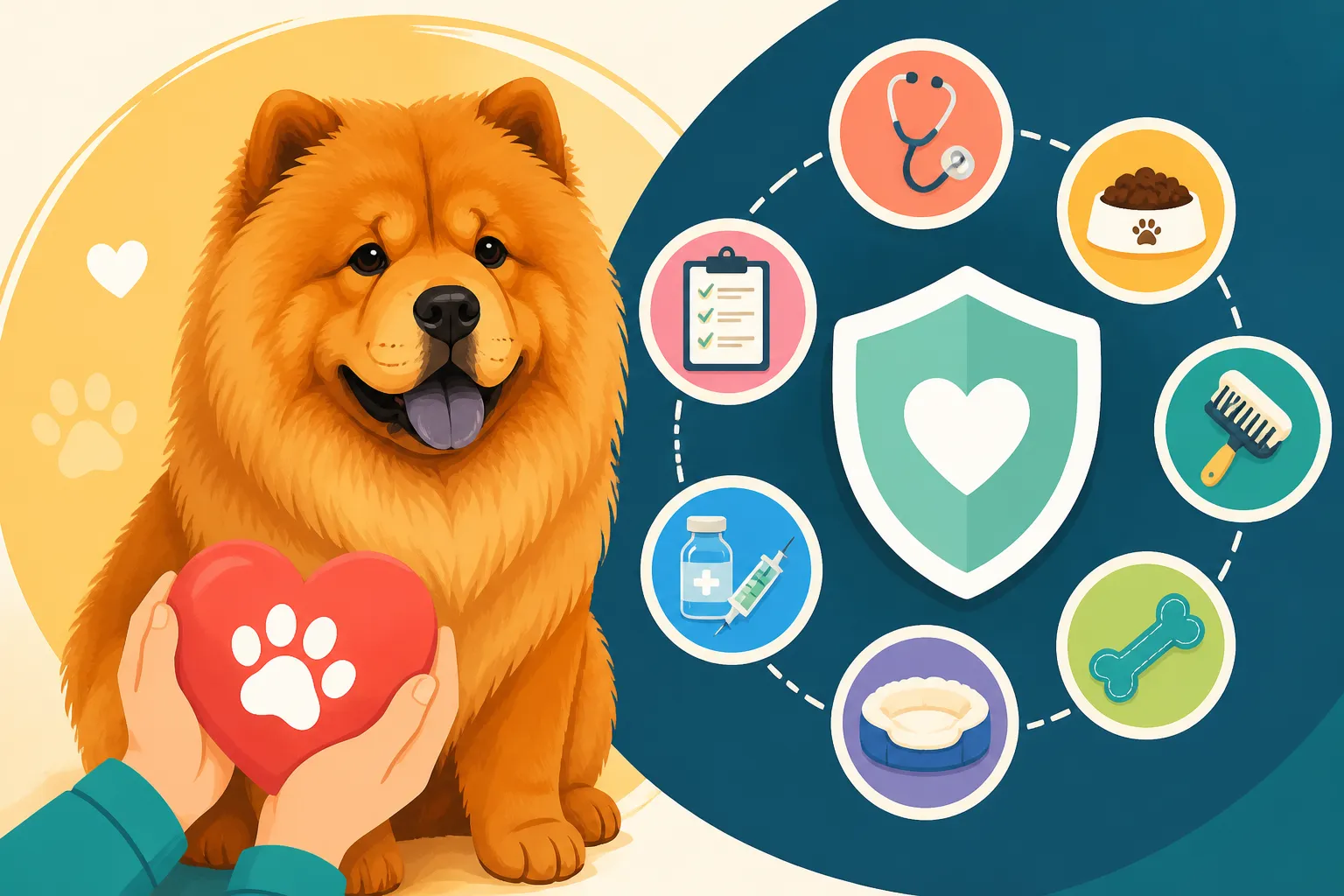
What a Chow Chow Rescue Adoption Fee Covers
Bringing a new Chow Chow into your life is an incredibly exciting journey, but if you're looking at rescue organizations, you might find yourself wondering about the adoption fee. It’s not just a random number; it covers a whole host of costs and care that go into getting a Chow Chow ready for a new home. This guide aims to break down exactly what goes into that fee, explaining why it's so important and what value it truly represents for both you and your future companion.
Unpacking the Typical Chow Chow Rescue Adoption Fee
When you pay an adoption fee for a Chow Chow from a reputable rescue, you're not just buying a dog. You're contributing to a comprehensive package of care that has already been provided to that animal, often at a significant expense to the rescue organization. These fees are vital to keeping the rescue operational and allowing them to continue their life-saving work. They help offset the costs associated with everything from immediate medical needs to behavioral assessments, ensuring the dog is as healthy and well-adjusted as possible before coming to you.
Think of the adoption fee as an investment in your new family member's past and future well-being. Many people are surprised by the numbers, but when you break down what each dollar covers, it starts to make a lot more sense. It's truly a testament to the dedication of these organizations that they manage to provide such extensive care, often running on donations and the tireless efforts of volunteers.
Essential Veterinary Care Provided
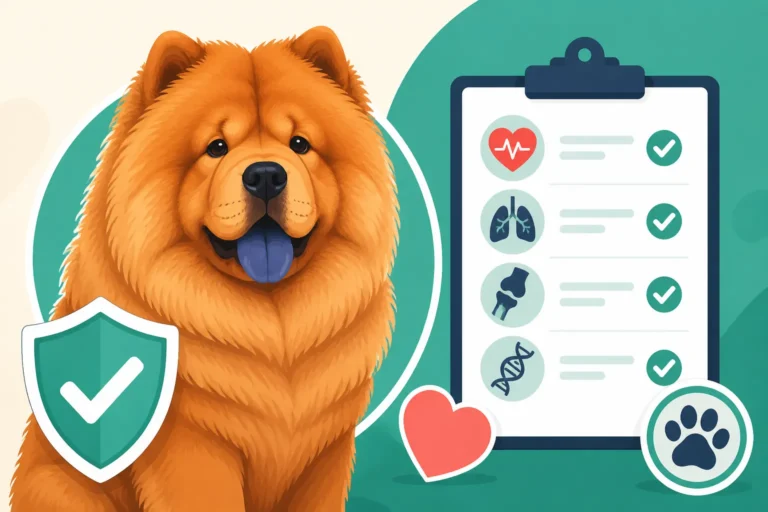
One of the biggest components of any rescue adoption fee is the veterinary care a Chow Chow receives. When a dog first enters a rescue, its health status can be completely unknown. Many come from neglectful situations, puppy mills, or simply homes where they didn't receive regular vet visits. The rescue immediately steps in to provide a thorough check-up, addressing any pressing health concerns. This isn't just a quick peek; it's a comprehensive assessment to establish a baseline of health.
This initial vet visit typically includes a full physical examination, ensuring there are no obvious injuries, infections, or underlying conditions. They'll check the dog's eyes, ears, teeth, and skin – all areas where Chow Chows can have specific issues. For example, a Chow Chow's deep-set eyes often make them prone to conditions like entropion, where the eyelid rolls inward, causing irritation. What Entropion Does to a Chow Chow's Eye and Signs a Chow Chow Has Entropion are often discovered during these initial checks. If left untreated, such conditions can cause significant pain and lead to further complications.
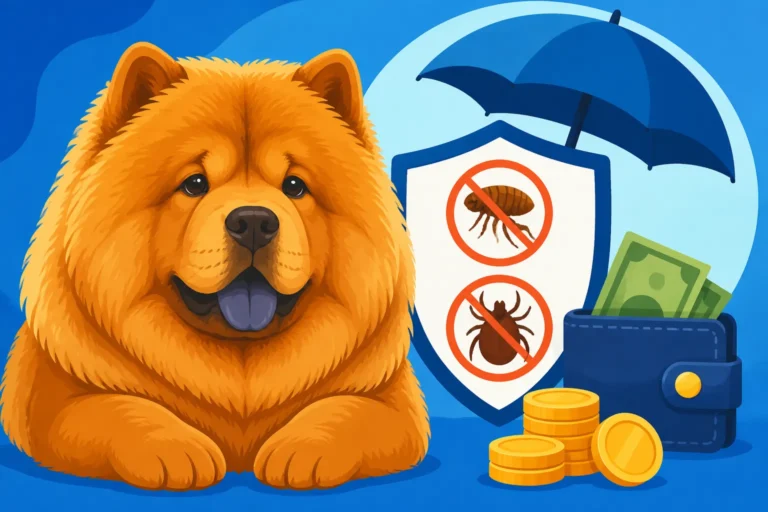
Beyond the initial check-up, rescues almost always ensure the Chow Chow is up to date on all necessary vaccinations. This includes core vaccines for distemper, parvovirus, adenovirus, and rabies, as well as non-core vaccines like Bordetella (kennel cough), especially if the dog will be housed with others. They will also be tested for common infectious diseases that can be prevalent in shelter environments, like heartworm disease, and receive preventative treatment for fleas, ticks, and internal parasites. These are all crucial steps to protect the health of the individual dog and prevent the spread of disease within the rescue and to their new home.
Spay/Neuter and Microchipping
Another major expense covered by the adoption fee is the spaying or neutering of the Chow Chow. This is a standard practice for almost all reputable rescues and shelters, and for good reason. Spaying and neutering not only prevents unwanted litters, contributing to the pet overpopulation crisis, but also offers significant health benefits for the individual dog. For females, spaying eliminates the risk of uterine infections and tumors and greatly reduces the risk of mammary cancer. For males, neutering can prevent testicular cancer and some prostate problems, and can also reduce certain undesirable behaviors like roaming and aggression.
The cost of a spay or neuter surgery can be substantial, particularly for larger breeds or if there are any complications. By covering this, the rescue ensures that you receive a dog that is already sterilized, saving you a significant upfront veterinary expense. It also reflects their commitment to responsible pet ownership.
Furthermore, virtually all rescue Chow Chows will be microchipped before adoption. This tiny, permanent form of identification is invaluable in reuniting lost pets with their owners. Should your Chow Chow ever go missing, a quick scan at a vet clinic or shelter will reveal your contact information, dramatically increasing the chances of a happy reunion. The rescue registers the microchip with their own details initially, and then transfers ownership to you upon adoption, usually with guidance on how to update your information.
Why Adoption Fees Aren't One-Size-Fits-All
If you've looked at a few rescue websites, you've probably noticed that adoption fees aren't uniform. They can vary quite a bit, even within the same breed or region. This isn't arbitrary; there are several legitimate factors that influence the final cost. Understanding these variables can help you appreciate the investment a rescue makes in each individual Chow Chow and why one dog might have a higher fee than another. It's rarely about the individual dog's perceived "value" and almost always about the resources poured into their care.
Sometimes people ask What a Chow Chow Rescue Adoption Fee Covers expecting a single answer, but it's more nuanced than that. Each dog comes with its own history and needs, and the fee reflects the cumulative efforts to prepare them for a lifetime of happiness.
Age and Health of the Chow Chow
One of the primary drivers of adoption fee variation is the age and overall health of the Chow Chow. Puppies and young adult dogs often have higher adoption fees. This is partly due to their higher demand, but also because their care can sometimes involve more preventative measures and less certainty about their long-term health. However, senior Chow Chows or those with chronic health conditions often have lower or even waived adoption fees.
A senior Chow Chow, while perhaps demanding less in terms of immediate surgical costs, might have ongoing needs that a rescue still shoulders before adoption. For instance, an older dog might have already developed arthritis or other age-related issues. Rescues often subsidize these dogs heavily, absorbing significant veterinary bills, sometimes even covering expensive treatments like specialized diets or medications for conditions like autoimmune disease in a Chow Chow. Caring for a Chow Chow Past Eight or The Age a Chow Chow Is Considered Senior might mean they require more extensive diagnostics or dental care, which adds to the rescue's operating costs.
Conversely, a Chow Chow that arrived with a severe injury or illness, like a broken leg or parvovirus, will incur massive veterinary bills that far exceed any standard adoption fee. Rescues will treat these animals regardless, relying on donations and the fees from healthier, more adoptable dogs to cover the deficit. So, while the fee you pay might be standard, the actual cost of care for that specific dog could have been many times higher.
Rescue Operating Costs and Location
Beyond the individual dog's needs, the general operating costs of the rescue itself play a significant role. Running a rescue involves a myriad of expenses that aren't directly tied to a single animal but are essential for the organization's existence. This includes rent for facilities, utilities, staff salaries (if they have paid staff), insurance, transportation costs for bringing dogs to the rescue, and administrative expenses. A rescue in a high cost-of-living area, like a major metropolitan city, will naturally have higher overheads than one operating in a more rural setting.
The resources a rescue has access to also influence fees. Some rescues have strong donor bases or receive grants, which can help keep adoption fees lower. Others might rely almost entirely on adoption fees and smaller individual donations. The adoption fee helps ensure that the rescue can continue to save lives, providing shelter, food, enrichment, and medical care for all the animals in their charge, not just the one you're adopting. When you're budgeting for a new companion, it's helpful to understand What the First Year With a Chow Chow Totals or even What a Chow Chow Costs Over Its Lifetime, and the adoption fee is just one piece of that puzzle.
For example, a rescue that primarily relies on foster homes might have lower facility costs, allowing them to allocate more funds directly to vet care. However, foster-based rescues still have significant expenses related to transport, supplies for foster families, and advertising for their adoptable dogs. Whether they operate out of a physical shelter or a network of foster homes, the adoption fee contributes to a sustainable model for saving animals.
The True Value: Rescue vs. Breeder Costs
Deciding whether to adopt a Chow Chow from a rescue or purchase one from a reputable breeder is a personal choice, and the financial aspect is often a major consideration. While a breeder's upfront price tag might seem higher than an adoption fee, it's crucial to look beyond the initial numbers and consider the full scope of costs involved in both scenarios. The "sticker price" rarely tells the whole story, especially when it comes to the health and foundational care a dog receives.
Many prospective owners look at What a Chow Chow Puppy Costs From a Breeder and then compare it to a rescue fee, thinking the breeder is definitively more expensive. However, what's included in those costs can differ dramatically, making a direct comparison tricky without deeper examination.
What an Adoption Fee Saves You in Upfront Costs
When you adopt a Chow Chow from a rescue, the adoption fee often covers services that you would otherwise have to pay for out of pocket immediately after bringing a puppy home from a breeder. This can represent a significant saving in the first few weeks or months of ownership. For instance, the cost of spaying or neutering alone can be several hundred dollars, sometimes more if there are complications or if your vet is particularly pricey. Add to that the cost of initial vaccinations, deworming, heartworm testing, and microchipping, and you're already looking at a substantial sum.
Consider a breeder, even a responsible one. They might sell a puppy for a higher initial price, but it’s unlikely that puppy will be spayed or neutered. You'll be responsible for that procedure. While good breeders will have given initial vaccinations and deworming, you'll still need to complete the full series of puppy shots and ongoing parasite prevention. A rescue, on the other hand, usually delivers a fully vetted, vaccinated, and altered dog, meaning those major veterinary expenses are already handled. This makes the initial transition much smoother and less financially burdensome.
Furthermore, many rescue Chow Chows have received some basic training and socialization, especially if they've been in a foster home. This could save you on initial puppy classes or behavioral consultations. While a breeder might provide a well-socialized puppy, the ongoing efforts will be entirely yours. The comprehensive care provided by a rescue truly offers an incredible value when viewed against the backdrop of potential immediate expenses.
Potential Hidden Costs of "Cheap" Dogs
It's tempting to seek out the lowest possible price when looking for a Chow Chow, whether it's a "free to good home" advertisement or a very low-cost puppy from an unverified source. However, what often appears to be a bargain upfront can quickly turn into a financial nightmare down the line. This is where the true value of a rescue adoption fee, or the higher price of a reputable breeder, really shines. What a Cheap Chow Chow Puppy Signals is almost always a warning sign.
Dogs acquired through informal channels, such as online classifieds or backyard breeders, often come with no health guarantees and no prior veterinary care. This means you could be bringing home a puppy or adult dog that is riddled with parasites, has untreated infections, or carries genetic conditions that will require expensive long-term treatment. For example, a Chow Chow bought cheaply might develop severe entropion that requires surgery, which can be a significant expense. The Entropion Surgery Every Chow Chow Owner Should Budget For is a real concern for many Chow Chow owners.
The table below illustrates some common items covered by a rescue adoption fee versus what you might pay separately if acquiring a dog elsewhere:
| Service/Item | Typically Covered by Rescue Adoption Fee | Separate Cost (if not included) |
|---|---|---|
| Spay/Neuter Surgery | Yes | High |
| Core Vaccinations | Yes (up-to-date) | Moderate |
| Rabies Vaccination | Yes | Low |
| Microchipping | Yes | Moderate |
| Initial Health Exam | Yes | Moderate |
| Heartworm Test & Meds | Yes (tested, often on prevention) | Moderate |
| Flea/Tick Treatment | Yes | Low |
| Deworming | Yes | Low |
| Behavioral Assessment | Yes (informal, often formal) | High (professional trainer) |
| Basic Grooming | Often | Moderate |
When you factor in these potential out-of-pocket expenses, the rescue adoption fee often proves to be the more economically sound choice in the long run. It provides peace of mind that your new Chow Chow has received a solid foundation of care.
Budgeting Beyond the Adoption Fee
While the adoption fee covers many initial veterinary costs, it's just the beginning of your financial commitment to a Chow Chow. Responsible pet ownership requires ongoing budgeting for various needs, from daily essentials to unexpected emergencies. Being prepared for these expenses will ensure a smooth transition for your new companion and a stress-free experience for you.
Having a clear understanding of what a Chow Chow requires beyond the adoption fee is crucial. It’s not just about the one-time cost, but the continuous investment in their health, happiness, and well-being. This foresight can help you decide Whether a Chow Chow Suits a First Time Owner's Budget.
Initial Supplies and Setup
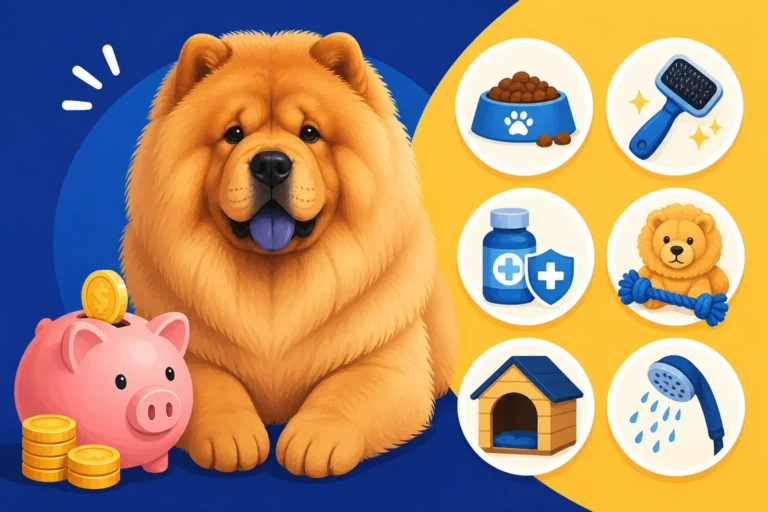
Once your Chow Chow is ready to come home, you'll need to have a variety of supplies on hand. This includes essentials like food, bowls, a collar, leash, ID tags, and a crate or bed. Considering the Chow Chow's dense coat, you'll also want to invest in quality grooming tools right away, such as an undercoat rake and a slicker brush, because regular grooming is non-negotiable for this breed. Online retailers like Chewy are excellent resources for stocking up on these necessities, offering a wide range of products that can be delivered right to your door.
For food, research high-quality options suitable for a Chow Chow's size and activity level. Some owners opt for fresh, human-grade food services, such as Ollie, which can provide tailored meal plans delivered to your home. While potentially more expensive than traditional kibble, these can offer excellent nutrition. Factor in treats for training and enrichment, as well as a selection of durable toys that can stand up to a Chow Chow's chewing power. You might also need baby gates to dog-proof your home or new fencing if your current setup isn't secure enough for a powerful, independent breed. What a Chow Chow's Monthly Food Bill Runs is a recurring cost that definitely needs to be considered.
Don't forget the less tangible "setup" costs, like potentially hiring a professional trainer for initial consultations or puppy classes. Even if your rescue Chow Chow has some basic manners, professional guidance can be invaluable, especially for a breed known for its independent nature. Whether a Chow Chow Needs a Professional Trainer Early is often a wise investment for setting your relationship up for success.
Ongoing Veterinary Care and Pet Insurance
Even with the excellent foundation of care provided by a rescue, your Chow Chow will still require regular veterinary check-ups throughout their life. Annual wellness exams, booster vaccinations, and ongoing parasite prevention are routine expenses. As your Chow Chow ages, these needs can become more frequent and complex. How Often a Chow Chow Needs a Wellness Exam and What a Chow Chow's Yearly Bloodwork Should Cover become increasingly important as they mature.
This is where pet insurance can be a game-changer. While an adoption fee covers pre-adoption medical issues, pet insurance can help cover unexpected illnesses, accidents, and even ongoing chronic conditions that might develop later in life. Companies like Healthy Paws offer various plans, and while specific pricing and coverage details require checking directly with them, having insurance can provide immense peace of mind. It’s important to research what they consider "pre-existing conditions" and how that might impact a rescue dog, as some issues might have been identified before you adopted. However, for future, unforeseen problems, insurance can prevent you from facing devastatingly high bills.
Without insurance, a sudden injury or illness, like a torn cruciate ligament or a serious infection, could easily run into thousands of dollars. Having a financial safety net allows you to make medical decisions based on what's best for your Chow Chow, rather than being limited by cost. So, when you consider What a Chow Chow Costs Over Its Lifetime, remember that ongoing vet care and potentially pet insurance are significant, but entirely worthwhile, parts of that equation.
Disclaimer
This article is for general informational purposes only and does not constitute professional advice. Laws, prices and regulations vary by location and change over time. Consult a qualified professional for guidance on your specific situation.