Whether a Breeder Pays for a Chow Chow’s Entropion
Finding out your beloved Chow Chow puppy needs surgery for a painful condition like entropion can be absolutely heartbreaking, and the financial stress only adds to the emotional toll. Many new Chow Chow owners wonder, often with a knot of anxiety in their stomach, if the breeder should, or even must, contribute to these unexpected veterinary costs, especially when it’s a genetic issue. This comprehensive guide will walk you through the nuances of breeder responsibilities, health guarantees, and your options when faced with the difficult reality of a Chow Chow with entropion.
Understanding Entropion in Chow Chows
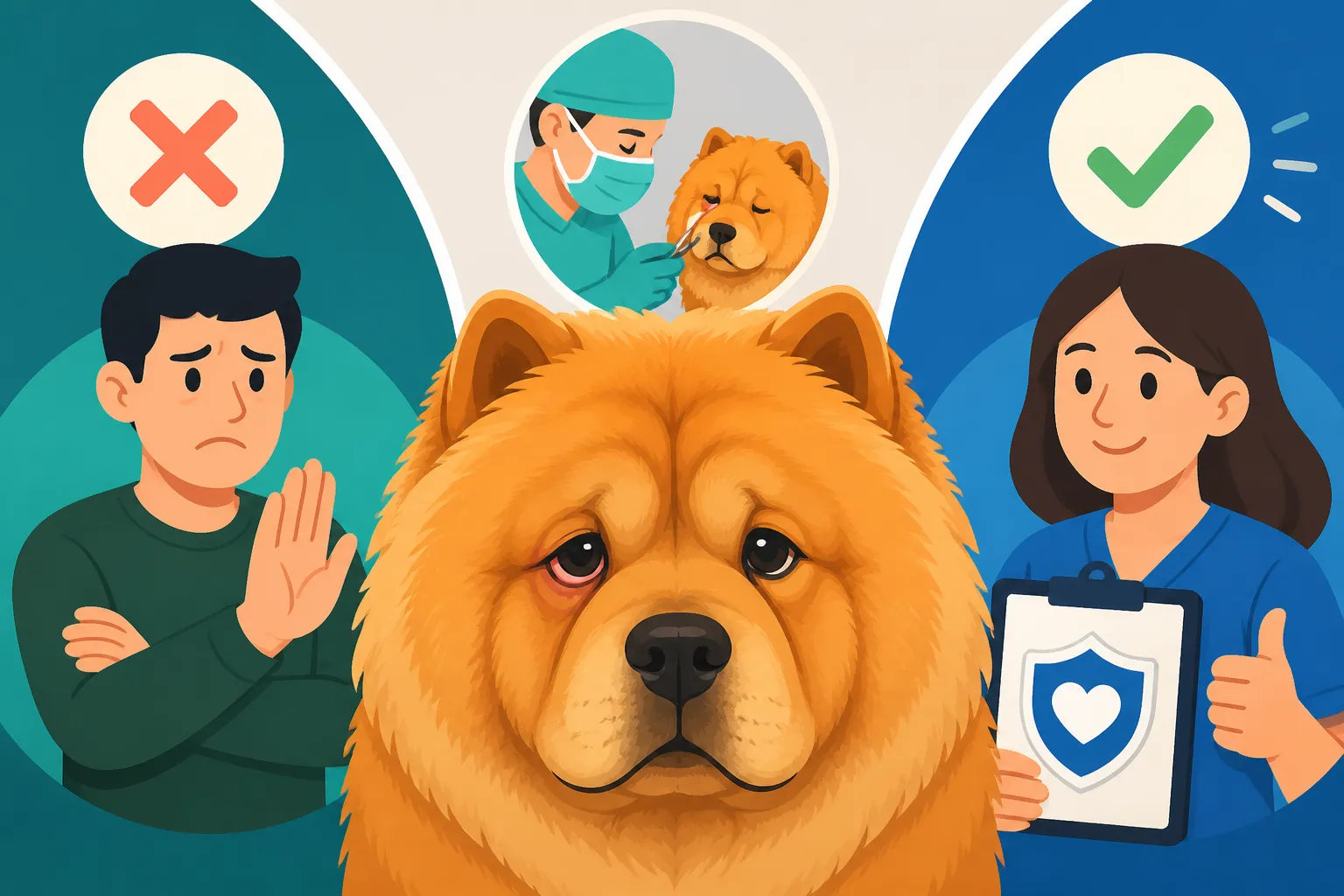
Let's be real, when you fall in love with those magnificent, lion-like Chow Chows, you're not usually thinking about their eyelids. But the truth is, entropion, a condition where the eyelid rolls inward, causing eyelashes and fur to rub against the cornea, is a really common and painful issue in our beloved breed. It's not just a minor annoyance; it causes constant irritation, can lead to serious eye damage, and frankly, it just hurts.
Why Entropion is So Prevalent in the Breed
Chow Chows have those wonderfully deep-set eyes and often a heavy brow and facial folds that contribute to their unique, almost scowling expression. Unfortunately, these very features, while part of their charm, can also predispose them to entropion. It's a structural problem, often inherited, and it can affect one eye or both. Imagine having a tiny, stiff brush constantly scraping your eyeball – that's essentially what your Chow Chow is experiencing. It's a genuine concern that any responsible Chow Chow owner, or prospective owner, needs to be aware of. We've talked before about Entropion Is the Chow Chow's Signature Problem because it's truly that significant for the breed. The genetic component means that even with the best intentions, it can pop up, but responsible breeding practices aim to reduce its incidence.
Recognizing the Signs and Severity
Often, entropion presents itself fairly early, sometimes even in puppyhood. You might notice your little fluffball squinting more than usual, tearing excessively, or having thick, gooey discharge from their eyes. They might rub their face a lot or just seem generally uncomfortable. These aren't just "puppy quirks"; they are clear signals that something is wrong. The severity can vary, from mild irritation to corneal ulcers that can impair vision or even lead to blindness if left untreated. Catching these signs early, like those detailed in Signs a Chow Chow Puppy's Eyes Are Sore, is critical because the sooner treatment begins, the better the outcome for your dog and potentially less complicated the surgery. It’s vital to get a veterinary ophthalmologist involved quickly if you suspect entropion.
Breeder Ethics and Health Guarantees
When you bring a puppy home, you're not just getting a furry friend; you're often investing a significant amount of money and trusting a breeder to have done their due diligence. This trust is where health guarantees come into play, and they are incredibly important for conditions like entropion. A reputable breeder cares about the long-term health of their puppies and the reputation of their lines.
What a Reputable Breeder Should Offer
A truly responsible Chow Chow breeder doesn't just sell you a puppy and disappear. They stand behind the health of their dogs. This often means providing a health guarantee, usually for a specific period, covering genetic health issues like entropion or elbow dysplasia. These breeders will also be transparent about the health history of the puppy's parents, grandparents, and even great-grandparents. They should readily share certifications for hips, elbows, and eyes, often from organizations like OFA (Orthopedic Foundation for Animals) or CERF/OFA Eye Certification Registry. It's worth asking What a Chow Chow Breeder Should Have Tested before you even put down a deposit. A breeder committed to the breed's health will understand your concerns and provide clear, documented answers. They won’t shy away from questions about potential health issues because they’ve actively worked to mitigate them in their breeding program.
Types of Health Guarantees You Might Encounter
Health guarantees aren't one-size-fits-all, and understanding the variations is key. Some breeders offer a full refund or replacement puppy if a severe genetic condition is diagnosed within a certain timeframe, often a year or two. Others might offer a partial refund, or cover a portion of veterinary costs up to the purchase price of the puppy. For conditions like entropion, which can often manifest in puppyhood but sometimes requires surgery a bit later, the duration of the guarantee is really important. A shorter guarantee, say for six months, might not cover entropion surgery if it's diagnosed at 10 or 12 months, even if the signs were present earlier. This is a common frustration, and it's why the specifics of the contract are so vital.
Here's a quick overview of common guarantee types:
| Guarantee Type | Description | Common Conditions Covered | Owner Responsibility |
|---|---|---|---|
| Full Replacement | Breeder offers another puppy of equal value if a covered genetic condition is diagnosed within the guarantee period, often requiring the original dog to be returned or proof of spay/neuter. | Severe genetic conditions (e.g., severe hip/elbow dysplasia, life-threatening heart defects, significant entropion requiring surgery). | Owner usually pays for all veterinary costs until diagnosis and often covers transportation of the replacement puppy. Must provide vet documentation. |
| Partial Refund | Breeder offers a percentage of the purchase price back to help offset veterinary costs for a covered condition. The dog stays with the owner. | Moderate genetic conditions, or conditions requiring expensive but non-life-threatening intervention (e.g., entropion surgery). | Owner pays all vet costs; breeder reimburses a portion. Requires detailed vet records and diagnosis. |
| Veterinary Cost Contribution | Breeder agrees to pay a specific amount or a percentage of veterinary bills directly related to a covered condition, up to a certain cap (e.g., purchase price of the puppy). | Similar to Partial Refund. | Owner pays initial vet costs, then submits bills for reimbursement. Often requires pre-approval for costly procedures. |
| Limited Guarantee | Covers only a very narrow range of conditions, or for a very short period (e.g., only contagious diseases for the first 48-72 hours). May also be tied to specific conditions not present at the time of sale. | Varies widely, usually very specific. | Owner bears most of the financial risk. |
Reading Your Breeder Contract
The breeder contract is arguably the most important piece of paper you'll receive after your Chow Chow puppy. It's not just a formality; it's a legally binding document that outlines the responsibilities of both you and the breeder. And when it comes to unexpected health issues like entropion, the devil is absolutely in the details.
Common Clauses Related to Genetic Defects
Most breeder contracts for reputable breeders will have a section specifically addressing genetic or hereditary health conditions. This is where you'll find out whether entropion is covered. Look for clauses that mention eye conditions, structural defects, or hereditary diseases. It's not enough for it to just say "health guarantee." You need to know what specifically is covered. Some contracts might explicitly list entropion, while others might use broader terms. If it's not clear, ask for clarification in writing before you sign. This isn't being difficult; it's being responsible. It's a sad truth that sometimes What a Cheap Chow Chow Puppy Signals is a lack of a comprehensive, or even any, health guarantee.
The Importance of the "Pre-Existing Condition" Clause
Here's a common sticking point: the pre-existing condition clause. Many breeder contracts state that conditions visible or diagnosable at the time of sale are not covered. However, with entropion, the symptoms can sometimes be subtle in very young puppies, or it might not become severe enough to warrant surgery until several months down the line. We've seen puppies that showed mild irritation at 12 weeks, but the full extent of the eyelid rolling inward, requiring surgery, wasn't apparent until 6 months. This is where the timing of the guarantee's expiration, and the onset of diagnosable symptoms, becomes crucial. If your contract only covers conditions not present at the time of sale, and your vet notes even mild signs of entropion in the initial puppy check, that could complicate a claim later.
Furthermore, if you're considering pet insurance to help with future vet bills, be aware that most insurance companies, like Healthy Paws, will also consider entropion a pre-existing condition if it was diagnosed or showed symptoms before your policy started or during its waiting period. This is why it’s so important to scrutinize the breeder contract for how it handles conditions that develop or worsen over time.
Meeting Your Obligations in the Contract
Remember, these contracts are two-sided. Breeders often include clauses about your responsibilities as the new owner. These might include:
- Veterinary Care: You must provide regular veterinary check-ups and follow vet recommendations. Neglecting vet care could void a guarantee.
- Nutrition: Some contracts might suggest feeding a specific type of diet, or at least a high-quality one.
- Spay/Neuter Agreement: Most reputable breeders selling companion animals will require you to spay or neuter your Chow Chow by a certain age.
- Notification Timeline: If a health issue arises, the contract usually specifies a timeframe within which you must notify the breeder, often requiring a diagnosis from a licensed veterinarian. Missing this window can invalidate your claim.
It's critical to understand and adhere to these terms. For instance, if the contract requires you to notify the breeder within 7 days of diagnosis, and you wait a month, they might legally be off the hook.
What to Do If Your Breeder Doesn't Comply or You Don't Have a Guarantee
It's a tough spot to be in when your Chow Chow needs entropion surgery, and the breeder either won't help or your contract doesn't offer coverage. You're left with the immediate concern of your dog's comfort and health, and the looming veterinary bills. But don't despair; there are still avenues to explore.
Communicating with Your Breeder
Even if your contract is murky, or the guarantee period has just expired, open communication with your breeder is always the first step. Approach them calmly and professionally, providing all veterinary documentation for your Chow Chow's entropion diagnosis. Highlight the pain your dog is experiencing and explain the recommended course of action, which for entropion is often surgery, as discussed in How Entropion Is Repaired in a Chow Chow. A truly ethical breeder might still offer some assistance, even if not legally obligated, simply because they care about their puppies. They may offer a partial refund, a discount on future services, or even resources to help find financial aid.
It’s worth mentioning that some breeders have a clause about Whether a Breeder Should Sell an Entropion Chow Chow with full disclosure and at a reduced price. If you purchased such a puppy, you likely knew the risk upfront. However, if this was an unexpected development, present your case clearly, focusing on the welfare of the dog and the hereditary nature of the condition.
Exploring Financial Aid Options and Pet Insurance
If your breeder is unable or unwilling to help, or you simply didn't have a guarantee, you're not entirely without options. Veterinary care, especially specialized surgery, can be costly. What Entropion Surgery Costs on a Chow Chow can be a significant number, sometimes requiring a second procedure as outlined in Whether a Chow Chow Needs Entropion Surgery Twice.
- Pet Insurance: While pet insurance generally doesn't cover pre-existing conditions (and entropion would be considered such if diagnosed before coverage), it's a vital tool for future unexpected medical issues. For your next pet, or for other unrelated conditions that might arise with your current Chow Chow, companies like Healthy Paws offer various plans that can significantly reduce the burden of future vet bills. Always read the fine print regarding waiting periods and what constitutes a pre-existing condition.
- Veterinary Payment Plans: Many veterinary clinics understand that large bills are difficult to manage and offer in-house payment plans or work with third-party financing options. Don't be afraid to ask your vet's office about this.
- Non-Profits and Charities: There are numerous national and local non-profit organizations dedicated to helping pet owners with veterinary costs. Some are breed-specific, while others focus on specific conditions or general financial hardship. A quick online search for "pet financial aid for surgery" or "Chow Chow rescue financial help" might yield results.
- Crowdfunding: Platforms like GoFundMe or even social media can be powerful tools to rally support from friends, family, and compassionate strangers.
Considering Legal Recourse
As a last resort, if you have a clear, signed contract that the breeder is violating, you might consider legal action. This is a complex path and usually involves small claims court. Before going this route, assess:
- The Clarity of Your Contract: Is the language unambiguous about entropion being covered and the breeder's specific obligations?
- Your Documentation: Do you have detailed vet records, official diagnoses, and proof that you've followed all contract terms (e.g., timely notification)?
- The Cost-Benefit: Legal fees and the time commitment can be substantial. Is the amount you're seeking worth the potential legal battle? Often, the emotional toll and financial outlay can outweigh the potential recovery.
Many owners find that while pursuing legal action is an option, the stress and expense lead them to explore other avenues first. The primary goal is always to get your beloved Chow Chow the care they need, and sometimes direct communication, financial aid, or carefully managing your budget through resources like Chewy for supplies and Ollie for healthy food during recovery, are more immediate and less stressful solutions.
Ultimately, the best defense against this situation is thorough research into your breeder before you bring a puppy home, asking direct questions about health guarantees, and carefully reading every single word of the contract. It’s an investment of time that can save you significant heartache and expense down the road.
Disclaimer
This article is for general informational purposes only and does not constitute professional advice. Laws, prices and regulations vary by location and change over time. Consult a qualified professional for guidance on your specific situation.