What Entropion Surgery Costs on a Chow Chow
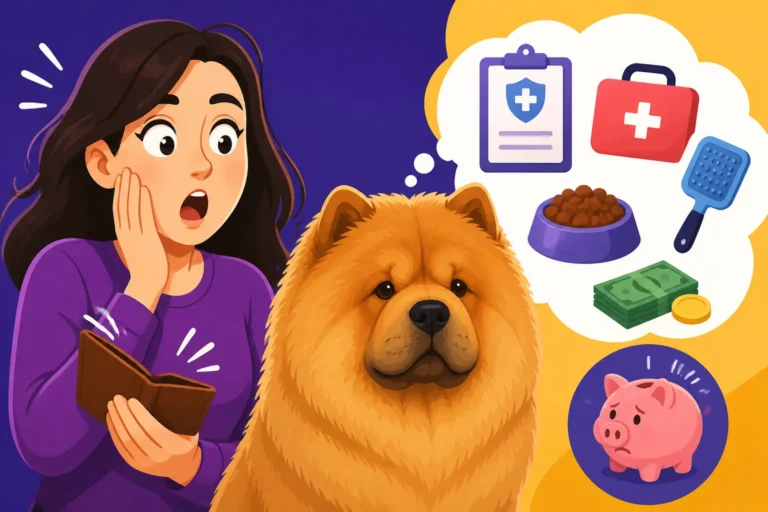
One of the most heartbreaking moments for a Chow Chow owner is seeing their beloved dog in pain, especially when it involves their eyes. Entropion, where the eyelids roll inward, is a signature problem for our chows, leading to constant irritation, discomfort, and potentially severe damage. The thought of surgery can be daunting, not just emotionally but financially, leaving many of us feeling overwhelmed and wondering what to expect. This guide is here to shed light on the various costs associated with entropion surgery for your Chow Chow, helping you understand each component so you can prepare and make informed decisions for your furry family member.
Understanding Entropion and Why Surgery Is Needed for Your Chow Chow
It's a tough pill to swallow when you realize your Chow Chow, with their beautiful, dense coat and regal demeanor, is facing a condition that causes chronic pain. Entropion isn't just a minor annoyance; it's a serious issue that demands attention, and for most Chows, surgery truly is the only lasting solution.
What Entropion Does to a Chow Chow's Eye
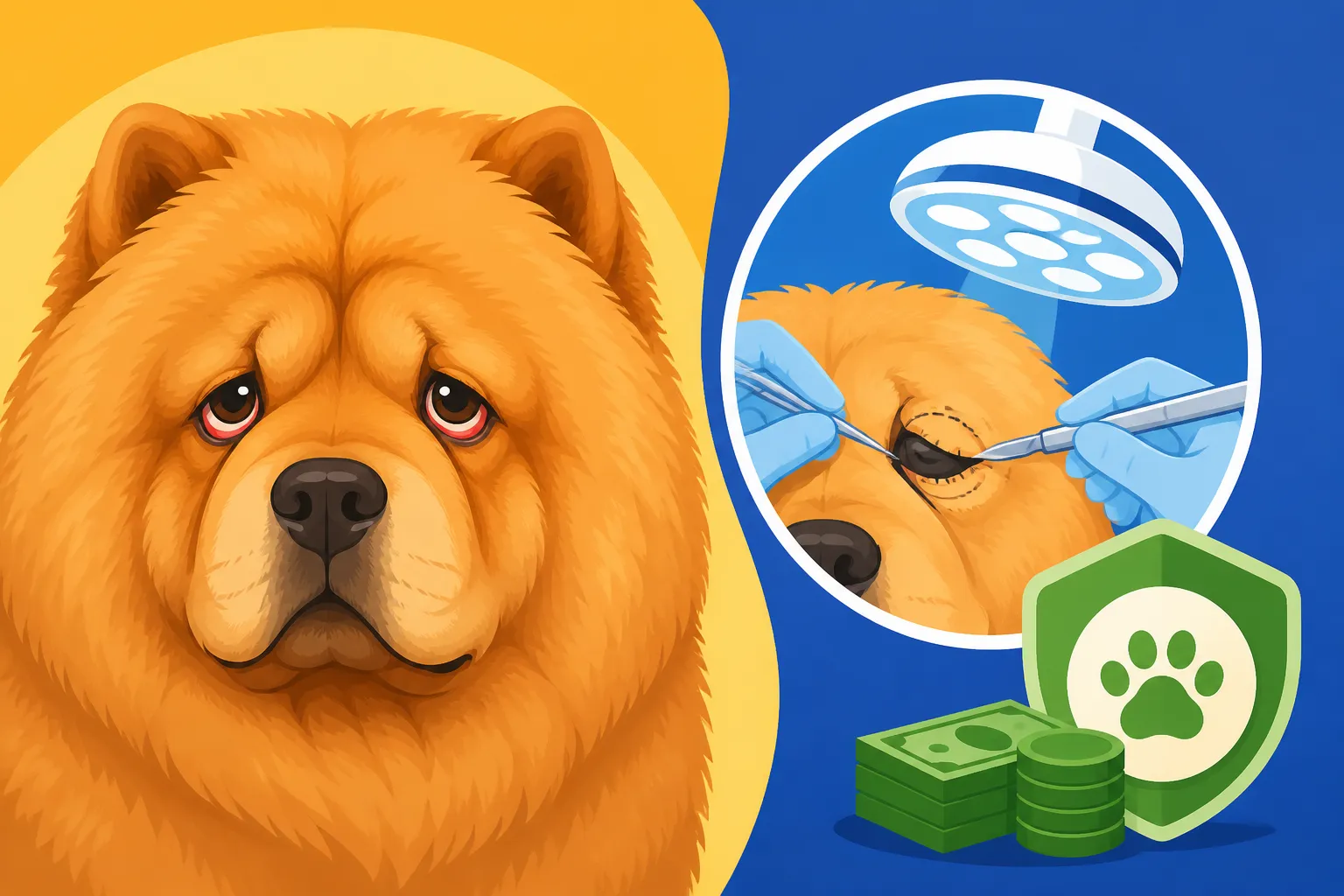
Imagine having eyelashes constantly scratching your eyeball. That's essentially what entropion feels like for a Chow Chow. The eyelid margin, instead of sitting neatly away from the eye, rolls inward, allowing the eyelashes and even the surrounding fur to rub against the delicate surface of the cornea. This constant friction causes a range of problems, from mild irritation and excessive tearing to more severe issues like conjunctivitis, corneal abrasions, and even corneal ulcers. These ulcers are not just painful; they can become infected and, if left untreated, can lead to permanent vision impairment or even loss of the eye itself. It's a progressive condition, meaning it tends to get worse over time without intervention. You might notice your dog squinting more than usual, rubbing their face, or having discharge from their eyes. These are often early Signs a Chow Chow Has Entropion, and they're clear indicators that something is terribly wrong and your Chow is in distress.
Why a Chow Chow's Eyelid Rolls Inward
Our Chows are undeniably handsome, with their unique facial structure and deep-set eyes that give them that characteristic "scowl." Unfortunately, these very features, while part of their breed standard, also predispose them to entropion. The breed's conformation, including the heavy head, broad skull, and the way their skin folds around their eyes, all contribute to this problem. Sometimes, it's the weight of the fur or the tension of the facial muscles. Other times, it's simply the way the eyelid itself is formed. This is why Entropion Is the Chow Chow's Signature Problem – it's woven into their genetics and physical traits. It’s not something you did or didn't do; it's just part of being a Chow Chow, which can be frustrating when you just want them to be comfortable. Understanding this helps us approach the problem with compassion rather than self-blame.
The Necessity of Surgical Intervention
While there might be temporary relief methods, like lubricating eye drops or antibiotic ointments for secondary infections, these are never a cure for entropion. They only manage the symptoms, providing fleeting comfort while the underlying issue—the inward-rolling eyelid—continues to rub. Think of it like putting a bandage on a leaky pipe; it might slow the drip, but it won't fix the leak. For a permanent solution that genuinely alleviates pain and prevents further damage, surgery is almost always required. The goal of the surgery is to correct the eyelid's position, allowing it to sit normally and prevent the lashes from irritating the eye. This procedure, often called blepharoplasty, is designed to reshape the eyelid so that it rolls outward as it should, providing immense relief to your Chow Chow. Don't let anyone tell you to just live with it; their comfort and vision are too important. For a deeper dive into the procedure, you can read about How Entropion Is Repaired in a Chow Chow.
The Core Components of Entropion Surgery Costs
When you receive an estimate for your Chow Chow's entropion surgery, it won't be a single, flat fee. Instead, it'll be broken down into several distinct categories, each reflecting a crucial part of the process. Understanding these components can help you decipher the bill and see exactly where your money is going.
Veterinary Consultation and Diagnostics
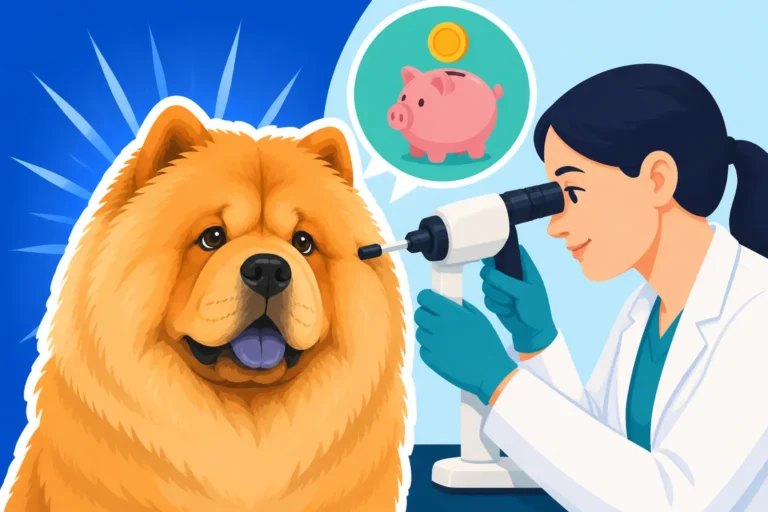
Before any surgery can be scheduled, your veterinarian needs to thoroughly examine your Chow Chow to confirm the diagnosis of entropion and assess its severity. This initial consultation will include a comprehensive eye exam, which might involve staining the cornea to check for ulcers or abrasions, and a general physical exam to ensure your Chow is otherwise healthy enough for surgery. If your vet suspects other underlying issues or wants a specialist's opinion, they might recommend a referral to a veterinary ophthalmologist. This specialist will conduct an even more detailed examination, often using specialized equipment to evaluate the eyes.
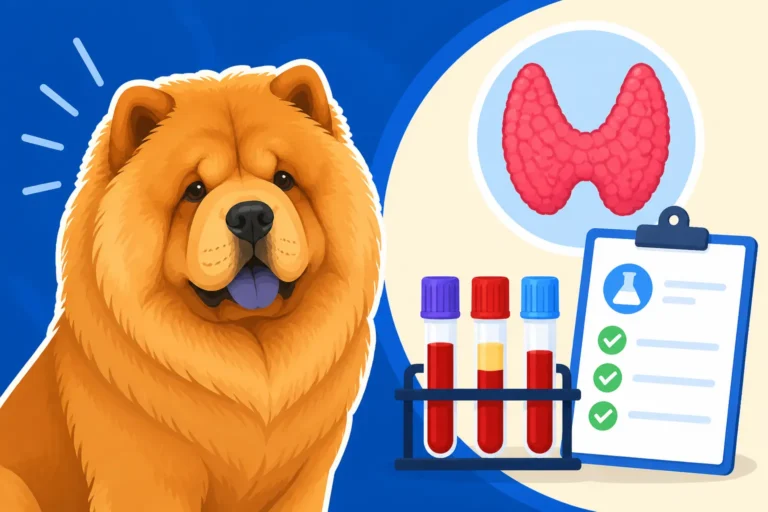
Beyond the eye exam, pre-surgical bloodwork is almost always required. This usually includes a complete blood count (CBC) and a biochemistry panel to check organ function and ensure there are no hidden issues that could complicate anesthesia or recovery. These diagnostic steps are essential for ensuring your Chow Chow's safety and tailoring the best surgical plan, but they do come with their own set of costs. Remember, these initial diagnostic fees are a necessary investment to safeguard your pet's health during what is a delicate procedure.
Anesthesia and Monitoring Fees
Anesthesia is a significant component of any surgical procedure, and for Chow Chows, it's an area that often requires extra care and attention. Our Chows can sometimes be a bit more sensitive to sedatives and anesthesia than other breeds, which means careful monitoring is absolutely critical. The cost here covers the anesthetic drugs themselves, as well as the specialized equipment and staff dedicated to monitoring your dog's vital signs throughout the entire procedure. This includes heart rate, respiratory rate, blood pressure, oxygen saturation, and body temperature.
Many clinics will have a dedicated veterinary technician whose sole job is to monitor your Chow Chow under anesthesia, adjusting dosages as needed and ensuring their safety every single second. This intense level of care is vital for a breed like the Chow Chow, where complications, though rare, can arise. It's not just about putting them to sleep; it's about doing so as safely as possible, minimizing risks, and ensuring a smooth recovery from the anesthesia itself. Don't hesitate to ask your vet about their anesthesia protocols and how they specifically cater to the unique needs of a Chow Chow. It can give you immense peace of mind. For more on this, you might be interested in Whether a Chow Chow Tolerates Anesthesia.
The Surgical Procedure Itself
This is the core of the cost – the actual performance of the entropion repair. The surgeon's fee accounts for their expertise and time in performing the delicate procedure to reshape the eyelid. It's a skilled surgery, especially when you consider the precision needed to ensure the eyelid rolls out just enough, but not too much, to prevent recurrence or other issues. This part of the cost also often includes the use of the operating room, surgical supplies (sutures, sterile drapes, instruments), and the support staff who assist the surgeon.
The complexity of the surgery can vary. Sometimes, it's a relatively straightforward adjustment; other times, if there's significant scar tissue or if multiple eyelids (upper and lower, or both eyes) are affected, the procedure becomes more involved. The goal is always to provide a long-term solution. When thinking about How Entropion Is Repaired in a Chow Chow, remember that it’s not just about cutting; it’s about a precise surgical technique that requires extensive training and experience. The surgeon's fee is a reflection of this specialized skill.
Post-Operative Care and Potential Follow-Up Expenses
The journey doesn't end when your Chow Chow wakes up from surgery. The post-operative period is just as crucial for a successful outcome and will incur its own set of costs. This phase focuses on pain management, preventing infection, and ensuring proper healing.
Medications and E-Collar
After surgery, your Chow Chow will be sent home with several medications designed to keep them comfortable and aid in healing. These typically include pain relievers to manage any discomfort, anti-inflammatory drugs to reduce swelling, and sometimes antibiotics to prevent infection, especially if a corneal ulcer was present. You'll also likely receive specific eye drops or ointments to keep the surgical site clean and moist, or to further protect the cornea.
And then there's the infamous E-collar, often affectionately (or not so affectionately) known as the "cone of shame." This protective collar is absolutely essential to prevent your Chow Chow from rubbing, scratching, or pawing at their surgical site, which could tear sutures or introduce bacteria, leading to serious complications. While some clinics include the E-collar in the overall surgical fee, others might charge for it separately. The cost of these medications and the E-collar can add a noticeable amount to your total bill, but they are non-negotiable for a smooth recovery. You might even want to check online retailers like Chewy for certain non-prescription items or special comfort cones if your vet allows.
Follow-Up Examinations
Just like with human surgery, follow-up appointments are critical to monitor your Chow Chow's healing progress. Typically, your vet will want to see your Chow Chow a few days after surgery to check the incision sites and ensure everything is healing well. A second visit might be scheduled a week or two later to remove sutures, if non-dissolvable ones were used, and to perform another thorough eye exam. These follow-up exams ensure that the eyelids are in their correct position and that there are no signs of infection or other complications.
These visits are vital, as they allow your vet to catch any potential issues early, before they escalate. Sometimes, a Chow Chow puppy might undergo a temporary "eyelid tacking" procedure if the entropion is diagnosed very young, and those puppies often require additional follow-up to see if permanent surgery is still needed once they are older. This is especially true for young pups, as discussed in When a Chow Chow Puppy Gets Eyelid Tacking. Each follow-up appointment will have a consultation fee, adding to the overall cost of treatment.
Managing Complications
While entropion surgery has a high success rate, complications can sometimes arise, and it's important to be prepared for this possibility, both emotionally and financially. One of the most common concerns is the potential for the entropion to recur, meaning the eyelid rolls inward again. This might happen if the initial correction wasn't sufficient or if scar tissue forms. In such cases, a second, corrective surgery might be necessary. This can be heartbreaking to face, and unfortunately, it comes with additional surgical and anesthesia costs. Learning Whether a Chow Chow Needs Entropion Surgery Twice can give you an idea of the likelihood.
Other potential complications include infection at the surgical site, which would require additional antibiotics and potentially more frequent vet visits. There's also the risk of over-correction, where the eyelid turns too far outward (ectropion), though this is less common. If your Chow developed a What a Corneal Ulcer Does to a Chow Chow before or after surgery, treating that complication will also add to the bill, requiring specialized drops or even additional procedures. Being aware of these possibilities allows you to have a realistic budget and understand the full spectrum of care your Chow Chow might need.
Factors That Influence the Total Cost of Entropion Surgery
It's natural to wonder why the price tag for entropion surgery can vary so widely. It's not just a single procedure with a fixed cost; several factors play a significant role in determining your final bill.
Geographic Location and Clinic Type
Where you live can have a substantial impact on veterinary costs. Generally, vet clinics in large metropolitan areas or regions with a higher cost of living tend to have higher prices than those in rural areas. This is due to variations in overhead costs like rent, staff salaries, and even the competitive landscape among veterinary practices. A specialist veterinary ophthalmologist, often found in larger cities, will also typically charge more than your general practice veterinarian, given their advanced training, specialized equipment, and expertise.
While your regular vet can perform entropion surgery, for complex cases or if you want the highest level of specialized care, seeking out a board-certified veterinary ophthalmologist might be recommended. This often means traveling further and paying a premium, but for many Chow Chow owners, the peace of mind that comes with a specialist's hands-on approach is worth it. It's not uncommon for owners to travel across state lines to find the right specialist, further influencing the total cost through travel expenses.
Severity and Number of Affected Eyelids
The extent of your Chow Chow's entropion directly affects the complexity and thus the cost of the surgery. If only one eyelid (say, the lower lid on one eye) is mildly affected, the surgical time and effort will be less than if both eyes have severe entropion involving both upper and lower eyelids. Correcting four eyelid margins is simply more work and requires more precision than correcting one.
Furthermore, if your Chow has developed a severe corneal ulcer or other secondary complications due to chronic irritation, these issues will need to be addressed either before, during, or after the entropion repair, adding to the overall treatment expense. For instance, treating a deep corneal ulcer can involve daily eye drops that can become an additional monthly expense, as outlined in What a Chow Chow's Eye Drops Cost a Month. The more complex the case, the more time the veterinary team will spend, the more materials will be used, and the higher the final bill will be.
The Age of Your Chow Chow
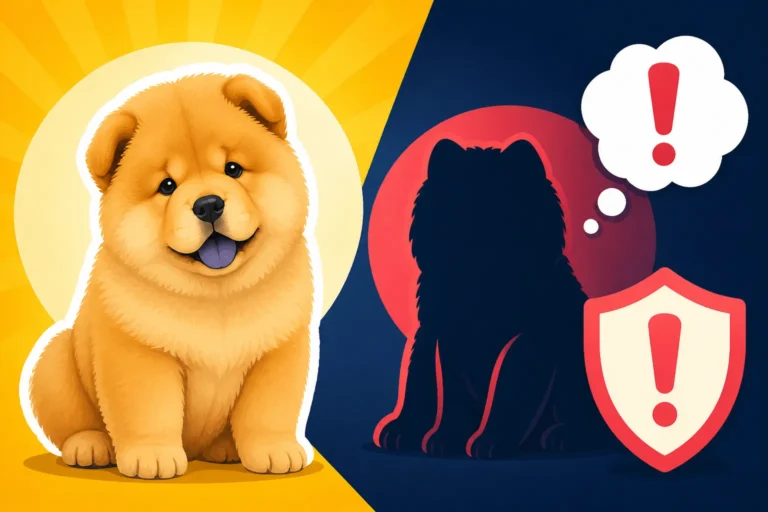
The age at which your Chow Chow undergoes entropion treatment can also influence the cost. In young Chow Chow puppies, especially those whose eyelids are just starting to roll inward, vets might opt for a temporary procedure called eyelid tacking. This involves placing temporary sutures to evert the eyelid, providing relief as the puppy grows, and sometimes, the issue resolves on its own as their facial structure matures. This procedure is generally less invasive and less expensive than full corrective surgery.
However, eyelid tacking is often a temporary measure, and many puppies still require permanent corrective surgery once they are older, usually after their skull has fully developed, which is typically around 6-12 months of age. If your Chow Chow is an adult and needs the full surgical correction, the cost will reflect the permanent nature of the procedure. It's a different approach, and typically more involved than a simple tacking procedure. So, if your Chow experiences entropion as a puppy, you might face costs for both tacking and then, later, full surgery.
Navigating Financial Options for Your Chow Chow's Entropion Surgery
Facing an unexpected vet bill for something like entropion surgery can be stressful. Thankfully, there are several avenues you can explore to help manage the financial aspect of your Chow Chow's care.
Pet Insurance Coverage for Entropion
Pet insurance can be a lifesaver when it comes to unexpected veterinary expenses, but it's crucial to understand how it works, especially concerning pre-existing conditions. Many pet insurance providers, like Healthy Paws, offer policies that can significantly offset the cost of surgery, provided the condition isn't considered "pre-existing" at the time you enroll your dog. A pre-existing condition is generally defined as any illness or injury that showed symptoms before your policy began or during its waiting period. Since entropion is a genetic condition and often presents early in a Chow Chow's life, timing is everything when it comes to insurance.
If your Chow Chow showed signs of entropion before you got insurance, or if you wait until symptoms appear, it's highly likely that the surgery will be excluded from coverage. This is why many experienced Chow Chow owners recommend enrolling in pet insurance as early as possible, ideally when your puppy is very young and healthy. Read the policy details carefully and ask direct questions about genetic conditions and waiting periods. For more insights, delve into Whether Insurance Covers a Chow Chow's Entropion. Even if entropion isn't covered, insurance can still be invaluable for other health issues your Chow Chow might face down the line.
Payment Plans and Veterinary Financing
If pet insurance isn't an option or doesn't cover the full cost, don't despair. Many veterinary clinics understand the financial strain of unexpected medical bills and offer payment plans directly or through third-party financing services. Companies like CareCredit are specifically designed to help pet owners manage vet expenses by offering deferred interest or low-interest payment options. It's essentially a credit card for healthcare, allowing you to pay off the cost of the surgery over time.
It's always a good idea to discuss your financial concerns with your vet's office manager as soon as possible. They can often provide information on available payment options, help you apply for financing, or even work with you to create a manageable payment schedule. Don't let financial worries stop you from getting your Chow Chow the care they need; there are often solutions available if you're open to exploring them.
Considering Breed-Specific Rescues and Aid Programs
For Chow Chow owners facing significant financial hardship, there are often resources available to help. Breed-specific rescues, like the Chow Chow Club of America Rescue, sometimes have funds or programs to assist owners with veterinary bills, especially for common breed-specific issues like entropion. These organizations are passionate about the welfare of Chow Chows and may be able to offer grants, connect you with resources, or provide advice.
Additionally, various charitable organizations exist to help pet owners afford emergency or essential veterinary care. While these programs often have specific eligibility requirements and limited funds, it's always worth researching and applying. A quick search online for "pet financial aid" or "Chow Chow veterinary assistance" might lead you to organizations dedicated to helping dogs in need. It's a sad reality that vet care can be expensive, but you don't have to face it alone.
Here's a quick overview of potential costs involved in entropion surgery:
| Cost Component | Description | Typical Timing | Potential Cost Shape (Low to High) |
|---|---|---|---|
| Initial Consultation/Exam | General vet visit to diagnose entropion | Pre-surgery | Lower |
| Specialist Consult | Veterinary ophthalmologist assessment (if referred) | Pre-surgery | Medium to Higher |
| Pre-surgical Bloodwork | Tests to ensure health for anesthesia | Pre-surgery | Medium |
| Anesthesia & Monitoring | Drugs, equipment, and staff for safe sedation | During surgery | Medium to Higher |
| Surgical Procedure (per eye) | Surgeon's fee, operating room, materials for correction | During surgery | High |
| Medications | Pain relief, anti-inflammatories, antibiotics, eye drops | Post-surgery | Lower to Medium |
| E-collar | Protective cone to prevent rubbing | Post-surgery | Lower |
| Follow-up Exams | Checks on healing, suture removal | Post-surgery (1-2 visits) | Lower to Medium |
| Complication Management | Treatment for infection, repeat surgery, corneal ulcer | Post-surgery | Variable, potentially High |
This table provides a generalized view, and actual costs will vary widely based on the factors discussed above. Always get a detailed estimate from your veterinary clinic.
Disclaimer
This article is for general informational purposes only and does not constitute professional advice. Laws, prices and regulations vary by location and change over time. Consult a qualified professional for guidance on your specific situation.