Entropion Is the Chow Chow’s Signature Problem
It’s a heartbreaking sight to see your beloved Chow Chow squinting, tearing up, or constantly pawing at their eyes. For many Chow Chow owners, this isn't just a fleeting irritation; it's a persistent, painful reality caused by entropion, a genetic condition where their eyelids roll inward. This comprehensive guide will walk you through everything you need to know about entropion in Chow Chows, from understanding its causes to navigating diagnosis, treatment, and recovery.
Understanding Entropion: The Chow Chow's Unique Challenge
Entropion, for those of us with Chow Chows, isn't just a veterinary term; it's a constant concern that impacts our furry family members' comfort and vision. It's a condition that sadly feels like a signature problem for the breed, leaving many owners feeling helpless as they watch their dogs suffer from persistent eye irritation. Understanding what causes it and why our Chows are so susceptible is the first step in tackling this painful issue.
What Exactly is Entropion?
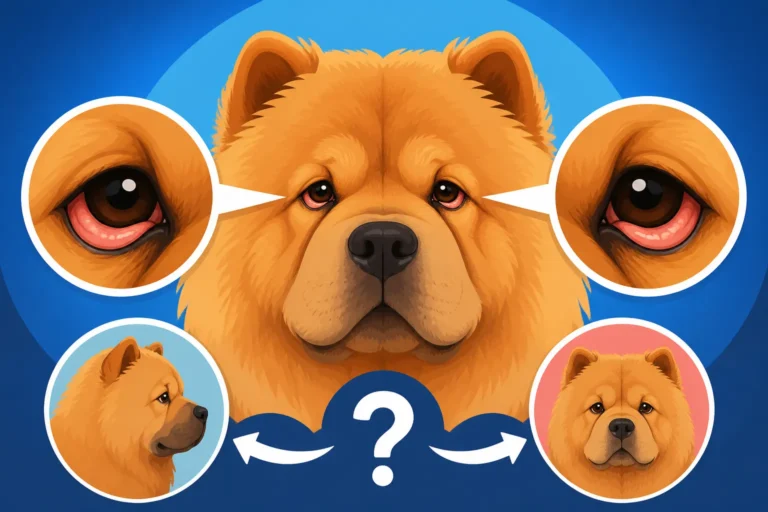
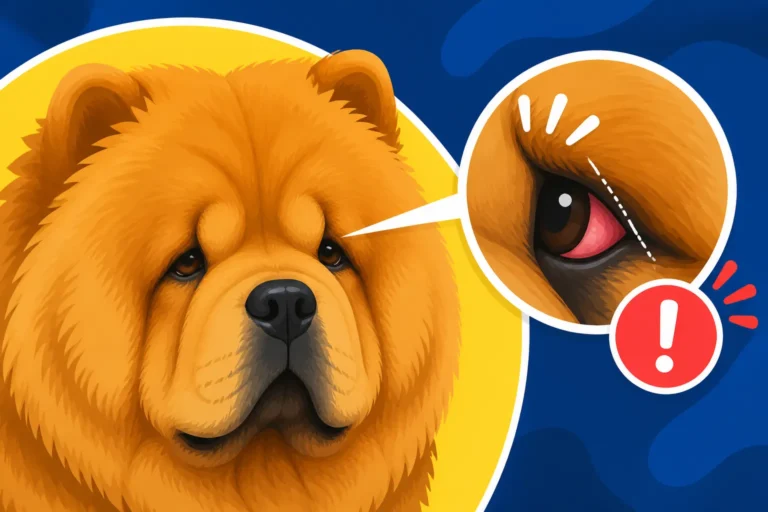
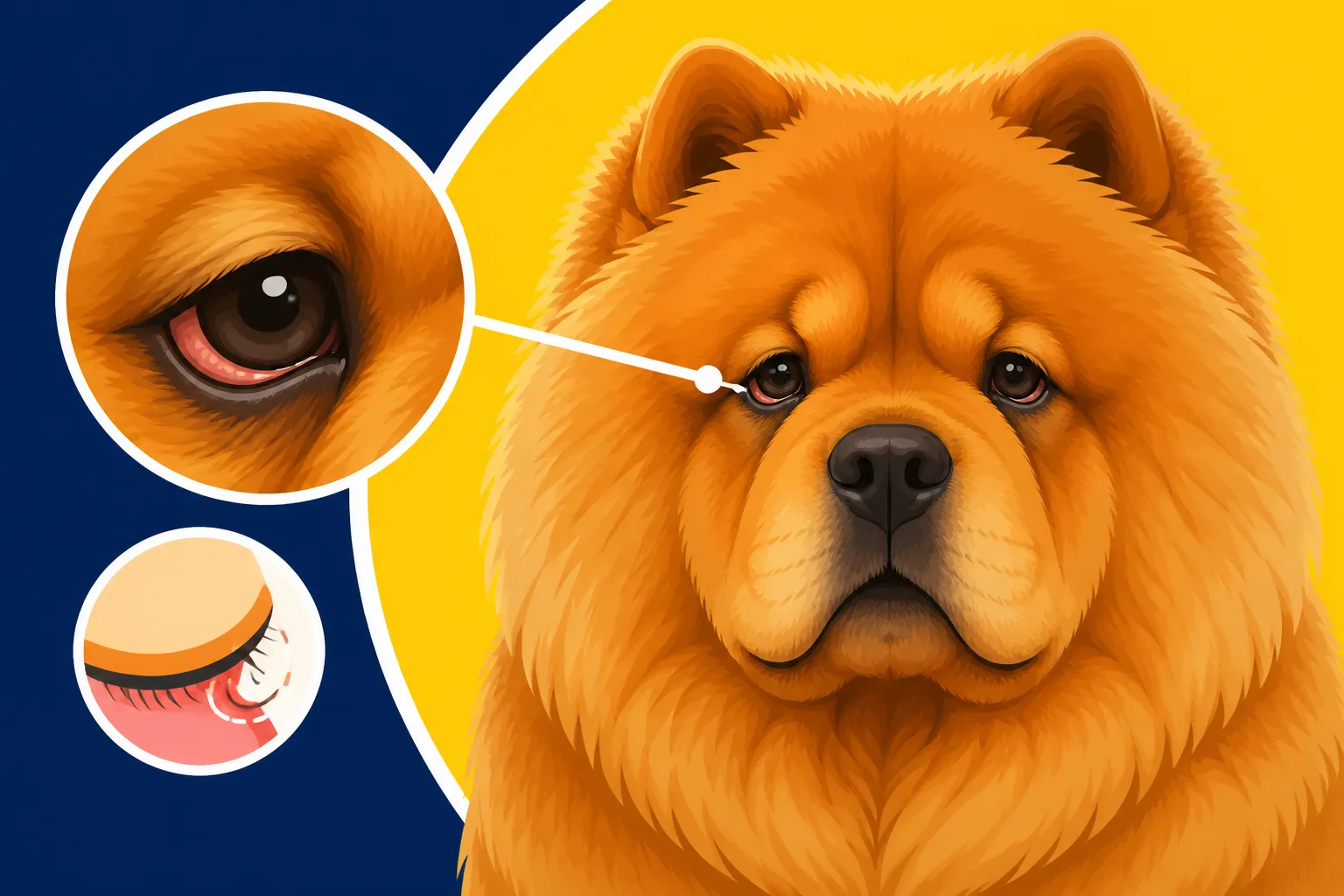
At its core, entropion is a conformational abnormality where a portion of the eyelid, usually the lower one, rolls inward towards the eyeball. Imagine having an eyelash constantly rubbing against the delicate surface of your eye, 24/7. That's essentially what your Chow Chow experiences. The eyelid margin, along with its lashes and sometimes the hair from the surrounding facial folds, rubs directly against the cornea and conjunctiva, causing chronic irritation, pain, and potentially serious damage. This isn't just uncomfortable; it's a deeply distressing experience for any dog, leading to significant discomfort that can manifest in various ways, from quiet suffering to noticeable changes in behavior. Owners often feel a deep frustration seeing their dog in discomfort, knowing it's a structural issue rather than a simple infection that clears up quickly.
Why Chow Chows Are So Prone to This Condition
The Chow Chow's distinctive and beloved appearance, with their deep-set eyes, heavy brow, and glorious facial folds, unfortunately makes them particularly prone to entropion. It’s a sad irony that the very features that give them their majestic, lion-like scowl also create the perfect storm for this painful condition. Their unique head structure contributes significantly to Why a Chow Chow's Eyelid Rolls Inward. The combination of deep-set eyes means the eyeball itself is recessed, allowing the prominent eyelid to fold in more easily. Additionally, the heavy fur and skin folds around their eyes can push the eyelid inwards, exacerbating the problem. This isn't just bad luck; it's a strong genetic predisposition that has been identified within the breed, making it a critical health concern for anyone who loves or plans to own a Chow Chow. Responsible breeders will be very upfront about this risk and actively work to reduce its prevalence in their lines.
Recognizing the Signs: Catching Entropion Early
Spotting entropion isn't always straightforward, especially with a breed as stoic and often reserved as the Chow Chow. They aren't always keen to show discomfort, making it crucial for owners to be vigilant and aware of even subtle changes. Missing these early indicators can lead to prolonged pain and more severe complications down the line, which is why paying close attention to their eyes is paramount.
Early Indicators in Puppies and Young Chows
When entropion develops, often in Chow Chow puppies as young as a few weeks old, the initial signs can be quite subtle. You might notice your puppy squinting more than usual, especially in bright light. This squinting is a natural reaction to the discomfort, an attempt to protect the irritated eye. Excessive tearing, known as epiphora, is another common sign, leading to wetness or tear staining around the eyes. The fur around their eyes might appear damp or discolored, particularly in lighter-colored Chows. You might also observe redness or inflammation of the conjunctiva, the pink lining inside their eyelids. Sometimes, they might rub their face against furniture or carpet in an attempt to alleviate the irritation. It's crucial not to dismiss these as just "puppy antics" or minor allergies, especially if you notice them persisting. Understanding The Age Entropion Shows in a Chow Chow Puppy is important, as intervention at this stage can prevent further damage. Pay close attention to these Signs a Chow Chow Has Entropion, as early intervention is key.
Advanced Symptoms and Potential Complications
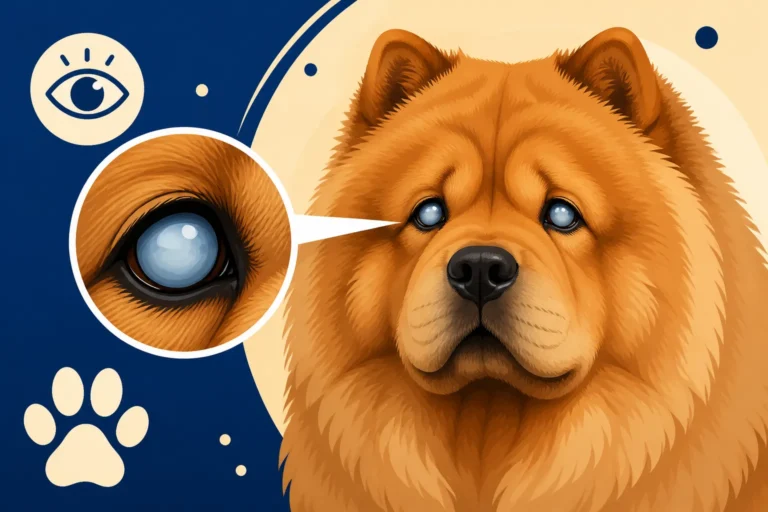
If left unaddressed, the constant rubbing of the eyelid and lashes against the cornea can lead to much more serious problems. The delicate corneal surface can become abraded, leading to painful and potentially sight-threatening What a Corneal Ulcer Does to a Chow Chow. These ulcers can range from superficial scratches to deep, infected wounds that require intensive veterinary care and can even lead to rupture of the eyeball. Chronic irritation can also cause pigmentation of the cornea, where the clear surface turns cloudy or dark, further impairing vision. In severe, untreated cases, particularly if deep ulcers or persistent inflammation lead to corneal scarring, entropion absolutely has the potential to cause significant vision loss or even Whether Entropion Can Blind a Chow Chow. Beyond the physical damage, your Chow Chow will be in chronic pain, which can affect their overall demeanor, making them more withdrawn or even irritable due to constant discomfort.
The Diagnostic Journey: What to Expect at the Vet
When you suspect entropion, a trip to your veterinarian is the critical next step. It can feel daunting, especially if your Chow Chow is typically reserved or wary of strangers, but a thorough examination is essential for proper diagnosis and treatment planning. Being prepared for what the vet will do can help ease both your and your Chow's anxiety during the visit.
Initial Examination and Ocular Assessment
During your visit, your veterinarian will perform a comprehensive physical examination, paying particular attention to your Chow Chow's eyes and facial structure. They will visually inspect the eyelids, looking for any inward rolling, redness, or discharge. They might gently roll the eyelids to observe their natural position and how they interact with the eyeball. Often, a specialized ophthalmoscope or bright focal light will be used to get a magnified view of the cornea and surrounding tissues. A common diagnostic tool is the fluorescein stain test. This involves applying a harmless, orange dye to the surface of the eye. If there's any damage to the cornea, such as an ulcer or abrasion, the dye will adhere to it and glow bright green under a special blue light, making even tiny lesions visible. For many Chow owners, the thought of their dog enduring an eye exam can be stressful, especially given their tendency to be less outwardly expressive than some breeds. However, your vet understands this and will approach your Chow Chow with patience and care, ensuring the examination is as gentle and stress-free as possible.
Ruling Out Other Eye Conditions
One of the vital steps in the diagnostic process is differentiating entropion from other eye conditions that can present with similar symptoms. For instance, Distichiasis in a Chow Chow, which involves extra eyelashes growing from an abnormal location on the eyelid and irritating the eye, can mimic entropion's signs. Allergies can also cause red, itchy, and watery eyes, as can conjunctivitis (inflammation of the conjunctiva) from various causes. Your vet will carefully assess the specific presentation of your Chow Chow's symptoms. They might examine the position and type of eyelashes, check for foreign bodies in the eye, or take samples for cytology if an infection is suspected. In some cases, especially if the condition is severe or recurrent, your general veterinarian might recommend a referral to a board-certified veterinary ophthalmologist. These specialists have advanced training and equipment to diagnose complex eye conditions and can provide the most precise surgical corrections, ensuring the best possible outcome for your Chow Chow's vision and comfort.
Treatment Options for Entropion: From Temporary Relief to Permanent Solutions
Once entropion is diagnosed, the conversation naturally turns to treatment. It’s important to understand that while some temporary measures can offer relief, surgical correction is almost always the long-term solution for entropion in Chow Chows. The approach often depends on the age of your Chow and the severity of the condition.
Non-Surgical Management for Puppies
For very young Chow Chow puppies, permanent surgical correction isn't always the first step. Their facial structure is still developing, and sometimes, what appears to be severe entropion can improve as they grow. In these cases, your vet might suggest temporary solutions like eyelid tacking. This procedure involves placing a few sutures in the eyelid to evert (roll outward) the eyelid margin, holding it in a more normal position for several weeks. This temporary fix protects the cornea from irritation while the puppy grows, allowing any ulcers to heal and reducing discomfort. It buys time, giving the puppy's head a chance to mature and potentially "grow into" their eyelids. During this period, lubricating eye drops or ointments might also be prescribed to keep the eye moist and further reduce irritation. However, it's crucial to understand that eyelid tacking is not a cure; it's a temporary measure. The hope is that by the time the sutures are removed or dissolve, the eyelids will have developed enough to stay in the correct position. If the entropion returns, permanent surgery will likely be necessary once the puppy is older and their facial bones have fully developed. This careful approach helps determine The Age a Chow Chow's Entropion Is Repaired with definitive surgery.
The Permanent Surgical Correction
For adult Chow Chows, or puppies where temporary tacking hasn't resolved the issue, surgical correction, typically a modified Hotz-Celsus procedure, is the definitive treatment. This surgery involves removing a small, crescent-shaped piece of skin and muscle from the affected eyelid, allowing the eyelid to roll outward and assume a normal position. The incision is usually made just below the lash line for the lower lid or above the lash line for the upper lid. The veterinary surgeon meticulously calculates the precise amount of tissue to remove to achieve the correct eyelid tension and position. The goal is not just to correct the roll but to maintain the Chow Chow's characteristic facial expression as much as possible, though some subtle changes are often unavoidable. The success rate of this surgery is generally very high, significantly improving the dog's comfort and preventing further corneal damage. However, due to the unique anatomy of Chow Chows and the potential for scar tissue formation or the initial correction being slightly off, some dogs may require a second, minor revision surgery later on. This is why discussing Whether a Chow Chow Needs Entropion Surgery Twice with your vet is important for managing expectations. This procedure is the primary method for How Entropion Is Repaired in a Chow Chow.
Post-Surgery Care and Recovery: Ensuring a Smooth Healing Process
Undergoing surgery is a significant event for any dog, and the recovery period is just as crucial as the procedure itself. Proper post-operative care is essential to ensure your Chow Chow heals well, minimizes complications, and gets back to living comfortably. This phase requires dedication and patience from you as an owner.
Immediate Post-Operative Period
Immediately after surgery, your Chow Chow will likely be groggy from anesthesia. They will almost certainly come home wearing an Elizabethan collar, often called an E-collar or "cone of shame." While your Chow Chow might express their displeasure with this cumbersome accessory, it is absolutely non-negotiable for protecting the surgical site from rubbing or scratching, which could dislodge sutures or introduce infection. Keep that cone on! Your vet will prescribe medications, typically a course of oral antibiotics to prevent infection, pain relievers to manage discomfort, and possibly anti-inflammatory drugs to reduce swelling. You'll need to administer these diligently according to the schedule provided. For the first few days, you might notice some mild swelling or bruising around the eyes, which is normal. Keep a close eye on the incision for excessive redness, discharge, or any signs of pain that don't seem to be managed by the prescribed medication. Activity should be restricted; no jumping, rough play, or long walks. A quiet, comfortable space where your Chow can rest undisturbed is ideal for this critical period of healing. Expect the full recovery process to take several weeks, so understanding How Long a Chow Chow Recovers From Eye Surgery is key to setting realistic expectations.
Long-Term Management and Follow-Up
The journey doesn't end once your Chow Chow is home. Several follow-up appointments with your veterinarian or the veterinary ophthalmologist will be necessary to monitor the healing process and ensure the correction is stable. Typically, sutures are removed 10-14 days after surgery, though dissolvable sutures may be used. During these appointments, the vet will check the eyelid position, inspect the cornea, and assess for any signs of complications or recurrence. Even after full recovery, continued vigilance is important. While surgery is usually highly effective, it's not impossible for a small degree of entropion to recur, especially if the initial correction was conservative or if the facial structure changes over time. You should continue to monitor your Chow Chow's eyes regularly for any return of squinting, tearing, or redness. Gentle cleaning around the eyes, as advised by your vet, can also help maintain hygiene. Should you ever notice any recurring signs, don't hesitate to contact your vet immediately. Early detection of any secondary issues or recurrence allows for prompt management and prevents the painful cycle from starting all over again.
Financial Considerations and Breeder Responsibilities
When dealing with a health condition like entropion, especially one that often requires surgical intervention, the financial aspect is a significant concern for many Chow Chow owners. Beyond the immediate costs, there's also the question of prevention, which often ties back to responsible breeding practices.
Estimating the Costs of Entropion Treatment
The cost of diagnosing and treating entropion can vary widely depending on your geographic location, the specific veterinary practice, and the severity of your Chow Chow's condition. Initial veterinary consultations, diagnostic tests like fluorescein staining, and any prescribed eye drops or ointments can range from a few hundred dollars. If eyelid tacking is performed on a puppy, this might cost anywhere from $300 to $800, as it's a minor procedure often done under light sedation. However, the definitive surgical correction for entropion is a much more involved procedure, typically requiring general anesthesia, specialized surgical equipment, and careful post-operative monitoring. For a single eye, surgical correction can cost between $800 and $2,000 or more, and if both eyes are affected – which is very common in Chow Chows – the total bill could easily double, reaching upwards of $4,000. These figures also don't always include follow-up appointments, additional medications, or potential revision surgeries. It's a significant financial commitment, which is why understanding What Entropion Surgery Costs on a Chow Chow is crucial for budgeting.
The Role of Pet Insurance and Responsible Breeding
Given the potentially high costs associated with entropion surgery, pet insurance can be a literal lifesaver for Chow Chow owners. Plans from providers like Healthy Paws often cover unexpected veterinary expenses, including surgical procedures for conditions like entropion, provided the condition isn't pre-existing when you enroll your pet. It's crucial to sign up for pet insurance early in your Chow Chow's life, ideally before any signs of entropion or other hereditary conditions emerge, to ensure coverage. Researching different plans and understanding their waiting periods and coverage limits is essential.
Beyond insurance, responsible breeding plays an absolutely vital role in reducing the incidence of entropion. Reputable Chow Chow breeders are acutely aware of this breed predisposition and actively screen their breeding stock for eye health. They should be able to provide clear documentation of ophthalmic examinations, usually performed by a certified veterinary ophthalmologist, for both parents. A responsible breeder will also provide a health guarantee that addresses hereditary conditions like entropion. They will usually not breed dogs that have been diagnosed with entropion or have close relatives with severe forms of the condition. When choosing a puppy, always ask about the eye health history of the parents and their lines. This due diligence on your part supports ethical breeding and helps ensure you bring home the healthiest possible Chow Chow, potentially saving you from future heartbreak and significant veterinary bills. Understanding What a Chow Chow Breeder Should Have Tested is critical in this regard, and knowing Whether Insurance Covers a Chow Chow's Entropion can provide peace of mind.
Comparing Entropion Symptoms, Complications, and Treatment Stages
To help visualize the journey from initial concern to full recovery, this table outlines the key aspects of entropion in Chow Chows.
| Aspect | Puppy/Early Stage Symptoms | Advanced Stage/Complications | Treatment Stage 1 (Often for Puppies) | Treatment Stage 2 (Definitive) | Post-Surgical Care |
|---|---|---|---|---|---|
| Common Signs | Squinting, excessive tearing, redness, pawing at eyes | Persistent pain, vision impairment, cloudy/dark cornea | Squinting, irritation, tear staining | Eyelid rolling inward, corneal damage | Incision healing, discomfort, E-collar use |
| Primary Concern | Discomfort, potential for early corneal damage | Severe pain, corneal ulcers, infection, vision loss | Temporary relief, protection of cornea, allowing growth | Permanent anatomical correction, prevention of recurrence | Infection prevention, pain management, proper healing |
| Diagnostic Tools | Visual inspection, fluorescein stain test, ophthalmoscope | Visual inspection, fluorescein stain test, slit-lamp exam | Visual inspection | Full ocular exam, fluorescein stain, precise measurements | Visual inspection of surgical site, suture assessment |
| Intervention | Topical lubricants, antibiotics (if infection present) | Intensive medical management for ulcers, potential emergency surgery | Eyelid tacking (temporary sutures), lubricating drops | Hotz-Celsus surgery (tissue removal) | E-collar, oral antibiotics, pain medication, anti-inflammatories |
| Outcome Goal | Alleviate irritation, prevent damage, observe for growth | Halt progression, save vision, reduce pain | Protect eye while puppy matures, avoid early permanent surgery | Eliminate rubbing, restore comfort, preserve vision | Complete healing, minimal scarring, functional eyelids |
| Potential Risks | Untreated pain, progression of damage | Blindness, eye rupture, chronic pain, systemic infection | Sutures falling out, temporary relief, recurrence, minor discomfort | Over- or under-correction, infection, scarring, need for revision surgery | Infection, dislodged sutures, self-trauma, recurrence of entropion |
| Cost Implications | Moderate (consult, drops, minor procedures) | High (intensive treatment, emergency surgery, specialist fees) | Moderate (vet visit, tacking procedure, medications) | High (anesthesia, surgeon's fees, facility costs, medications) | Moderate (medications, follow-up visits) |
Disclaimer
This article is intended for informational purposes only and does not constitute professional veterinary advice. Always consult with a qualified veterinarian or veterinary ophthalmologist for any health concerns or before making any decisions about your Chow Chow's medical care.