What Hip Radiographs Cost on a Chow Chow
Anyone who loves a Chow Chow knows they can be a breed that keeps you on your toes, especially when it comes to their health. Worrying about your furry companion's comfort and well-being, particularly with something as potentially debilitating as hip problems, can be incredibly stressful. This guide is here to walk you through everything you need to know about the costs associated with getting hip radiographs for your Chow Chow, helping you understand the "why" and "what" behind those vet bills.
Understanding Why Hip Radiographs Are Necessary for Chow Chows
It’s easy to feel overwhelmed when your vet suggests X-rays, especially for a condition that might not even be showing obvious signs yet. But for a breed like the Chow Chow, hip radiographs are far from a frivolous suggestion; they’re a crucial tool for understanding and managing their long-term orthopedic health.
The Threat of Hip Dysplasia in Chow Chows
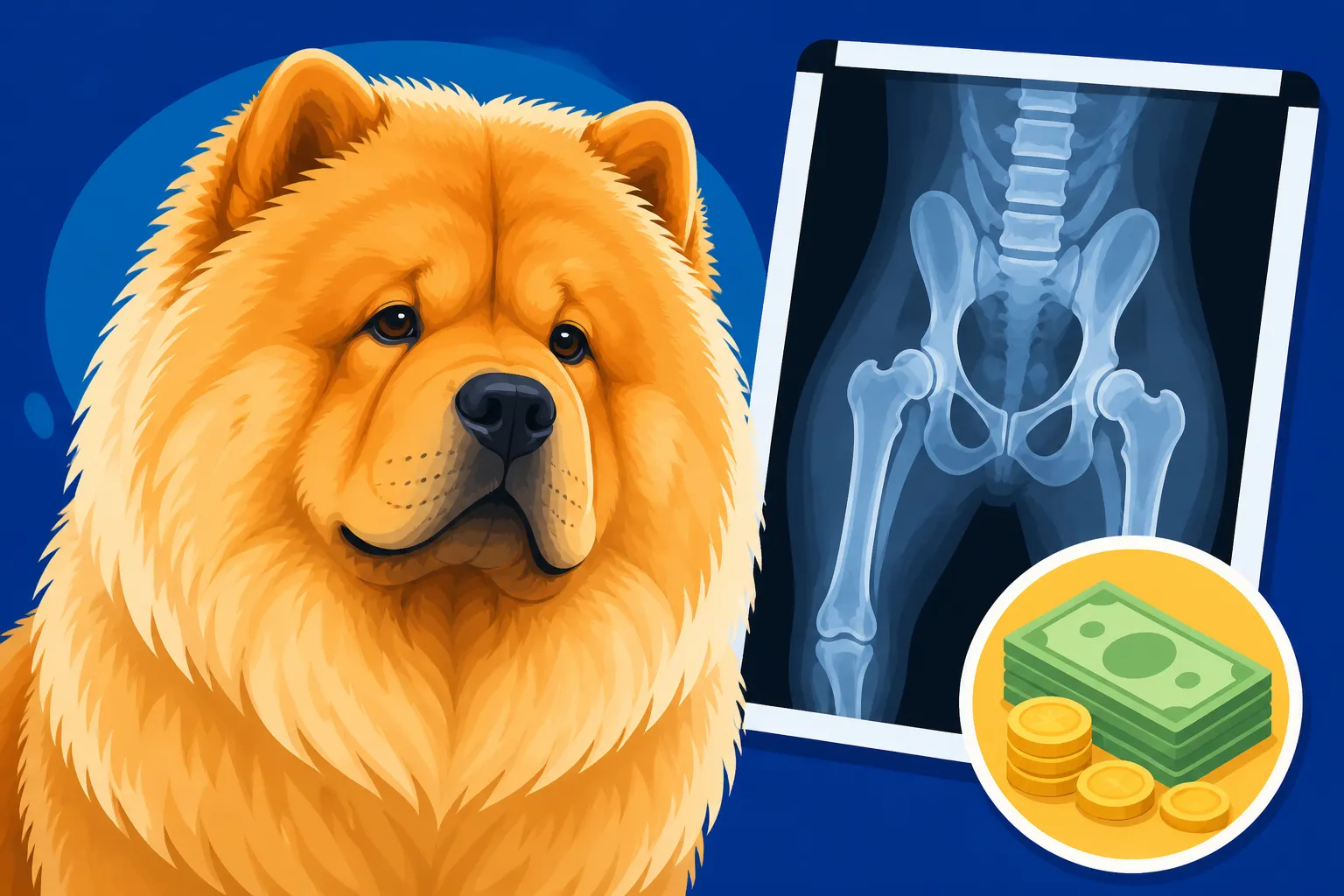
Hip dysplasia is one of those genetic conditions that lurks in the background for many large breeds, and Chow Chows are unfortunately no exception. It's essentially a malformation of the hip joint, where the ball (the head of the femur) doesn't fit snugly into the socket (the acetabulum) of the pelvis. Instead of a smooth, gliding motion, you get grinding and looseness. Over time, this abnormal movement leads to wear and tear, inflammation, and ultimately, painful arthritis. Hip Dysplasia in a Chow Chow
For a Chow Chow, with their distinctive, rather straight rear leg structure and dense, compact build, hip dysplasia can be particularly troublesome. You might notice a subtle lameness, a reluctance to jump, or difficulty getting up after rest. Sometimes, they might even adopt a "bunny hop" gait to minimize pressure on their painful hips. However, Chow Chows are famously stoic. They often mask pain incredibly well, making it challenging for even the most observant owner to detect problems until the condition is quite advanced. This inherent toughness, while admirable, means that by the time you see clear signs, your dog might be experiencing significant discomfort. Early screening allows for proactive management, which can make a world of difference in their quality of life.
Beyond Breeding: Why Pet Owners Should Consider Screening
Many people associate hip radiographs with breeding dogs – breeders want to ensure they aren't passing on genetic predispositions to their puppies. And it's true, responsible breeders will certainly have their dogs evaluated. What a Chow Chow Breeder Should Have Tested However, thinking hip X-rays are only for breeding animals misses a huge piece of the puzzle for pet owners.
Even if your Chow Chow isn't destined for the show ring or fathering/mothering a litter, knowing the condition of their hips is incredibly empowering. If your dog is showing any stiffness, limping, or changes in their activity level, a hip radiograph can provide a definitive diagnosis. Without it, you're guessing, and "waiting to see" often means waiting until the pain is severe and the joint damage is irreversible.
Early detection of hip dysplasia means you can start managing the condition right away. This might involve weight management, controlled exercise, physical therapy, joint supplements, or anti-inflammatory medications. For example, if you know your Chow Chow has moderate dysplasia, you can adjust their exercise routine to avoid high-impact activities that could worsen the joint. Brands like Chewy and Ollie offer a variety of joint supplements and specialized diets that can support hip health, and integrating these early can be incredibly beneficial. Knowing gives you options, helps you make informed decisions, and ultimately gives your beloved Chow Chow the best chance at a comfortable life, regardless of whether they ever become a parent.
The Factors Influencing the Cost of Chow Chow Hip Radiographs
It’s natural to wonder about the price tag when your vet suggests diagnostic imaging. The truth is, the cost of hip radiographs for a Chow Chow isn't a fixed number you can just look up. Several factors play a significant role in how much you'll ultimately pay, and understanding these can help you budget and prepare.
Veterinary Practice Location and Type
Just like real estate, veterinary costs are often location-dependent. A general practice vet in a bustling city center with high overheads will likely charge more for the same procedure than a clinic in a rural or suburban area. This isn't necessarily about greed; it's about the cost of doing business in different economic environments.
Beyond geography, the type of facility also makes a difference. A standard general veterinary practice offers routine care, including X-rays. Their equipment and staffing are typically designed for common diagnostic needs. However, if your Chow Chow needs a more in-depth evaluation or if your vet suspects a complex case, they might refer you to a specialty veterinary hospital. These hospitals often have advanced imaging equipment, such as digital radiography systems that provide higher resolution images, and may have board-certified veterinary radiologists on staff. The expertise and specialized equipment at these facilities naturally come with a higher price point. While your regular vet might do a great job with initial screening, a specialist referral means you're paying for advanced diagnostic capabilities and expert interpretation, which can be invaluable in trickier cases.
Sedation or Anesthesia Requirements
This is arguably the single biggest cost driver for accurate hip radiographs in almost any dog, and especially for a breed as independent and sometimes resistant to handling as a Chow Chow. To get truly diagnostic images of the hips, the dog must be positioned perfectly straight, with their hind legs extended precisely and symmetrically. Any slight rotation or movement can distort the image and make it impossible to properly assess the hip joint's conformity.
For most dogs, achieving this level of perfect stillness and precise positioning requires sedation or even light anesthesia. Trying to manually hold a conscious Chow Chow in these positions, especially if they are already feeling discomfort, is not only difficult but also potentially stressful and even dangerous for the dog and staff. Whether a Chow Chow Tolerates Anesthesia
The costs associated with sedation or anesthesia are not just for the drugs themselves. They include:
- Pre-anesthetic bloodwork: To ensure your Chow Chow's organs (like liver and kidneys) are functioning properly and can safely metabolize the anesthetic agents.
- Anesthetic agents and monitoring: The cost of the specific drugs used, plus the fees for veterinary technicians who constantly monitor vital signs (heart rate, breathing, oxygen levels, blood pressure) throughout the procedure.
- Recovery time and supervision: Your Chow Chow will need supervised recovery as the sedation wears off.
All these components add up, often accounting for a significant portion of the total bill. It's a non-negotiable step for obtaining high-quality, diagnostic radiographs. What a Chow Chow's Sedated Exam Costs
Number of Views and Orthopedic Consultation
A basic hip radiograph screening usually involves a couple of specific views – typically a ventrodorsal extended view (where the dog is on its back with legs extended). This might be sufficient for a general assessment or preliminary screening.
However, if there's an ambiguity, if your vet suspects other issues, or if you're seeking official certification (like for breeding purposes), more views might be required. For instance, a "frog-leg" view might be added, or oblique views to highlight specific areas of the joint. Each additional X-ray image adds to the cost, as it involves more time, more materials, and more staff effort.
Furthermore, while your primary care veterinarian is perfectly capable of reading basic radiographs, complex cases or formal certifications often require interpretation by a board-certified veterinary radiologist or orthopedic specialist. These specialists have undergone extensive additional training to interpret diagnostic images with a keen eye for subtle abnormalities that might be missed by a general practitioner. There's usually a separate fee for this specialist review, which provides an invaluable second opinion and ensures the most accurate diagnosis possible. This is particularly relevant if you are concerned about What Elbow Dysplasia Does to a Chow Chow or other complex orthopedic issues, as their expertise covers a broad range of skeletal concerns.
Here's a general idea of how these factors might influence the cost, keeping in mind specific dollar amounts are variable:
| Factor | General Vet (Rural) | General Vet (Urban) | Specialist Vet Hospital |
|---|---|---|---|
| Basic Radiographs (No Sedation) | Lower | Moderate | Moderate |
| Basic Radiographs (Sedated) | Moderate | Moderate to Higher | Higher |
| Comprehensive Radiographs (Sedated, Multiple Views, Specialist Review) | N/A (Referral Likely) | Higher | Very High |
What to Expect During the Radiograph Process and Post-Procedure Costs
Getting hip radiographs for your Chow Chow isn't just about the financial cost; it's also about understanding the process and preparing for what comes next. Knowing what to expect can ease your mind and help you advocate for your dog.
The Procedure Itself: A Deeper Look
When you bring your Chow Chow in for hip radiographs, the process typically follows a clear protocol to ensure both safety and diagnostic accuracy.
First, your vet will conduct a thorough physical examination to assess your dog's overall health and any obvious signs of pain or lameness. They'll discuss the procedure with you, answer any questions, and have you sign consent forms. If sedation or anesthesia is required (which, as we've discussed, is usually the case for accurate hip X-rays), your Chow Chow will likely undergo pre-anesthetic bloodwork. This is a crucial step to identify any underlying issues that could make anesthesia riskier.
Once cleared, your Chow Chow will be given a sedative or light anesthetic. The veterinary team will then carefully position your dog on the X-ray table. This precise positioning is critical – think of it like posing for a very specific photograph, but your dog needs to be perfectly still and aligned. The X-ray machine will then take a series of images from different angles. Throughout this, your dog's vital signs will be continuously monitored by a dedicated technician. After the images are acquired, your Chow Chow will be moved to a recovery area where they are closely watched as the sedation wears off. They might be a little groggy or wobbly for a few hours afterward, which is completely normal.
Potential Additional Costs and Follow-up
The radiographs themselves are a diagnostic tool, providing a snapshot of your Chow Chow's hip health. But the journey doesn't necessarily end there. Once the results are in, there might be further costs depending on the findings.
If your Chow Chow is diagnosed with hip dysplasia, your vet will discuss a treatment plan. This can range from conservative management to surgical intervention. Conservative management typically involves:
- Medications: Anti-inflammatory drugs (NSAIDs) to manage pain and swelling, which can be a recurring cost.
- Joint Supplements: Products containing glucosamine, chondroitin, and MSM can help support joint health. Brands like Healthy Paws may cover some of these if prescribed, while Chewy and Ollie often carry a wide range of reputable options. Whether a Chow Chow Needs Joint Supplements
- Weight Management: Keeping your Chow Chow at a healthy weight is paramount to reduce stress on their joints. This might involve dietary changes or special foods. Keeping a Chow Chow at the Weight Its Elbows Can Carry
- Physical Therapy: Specialized exercises, hydrotherapy, or laser therapy can strengthen muscles and improve mobility.
- Lifestyle Adjustments: Limiting high-impact activities, providing orthopedic beds, and using ramps can also help. The Age a Chow Chow Gets Arthritis
If the dysplasia is severe and significantly impacts your Chow Chow's quality of life, surgical options might be discussed. These surgeries, such as Femoral Head Ostectomy (FHO) or Total Hip Replacement (THR), are specialized, complex procedures that come with a much higher price tag than diagnostics alone, often involving extensive post-operative care and rehabilitation.
It's also worth noting that regular follow-up appointments, including re-evaluation or periodic X-rays to monitor the progression of arthritis, may also incur additional costs over your Chow Chow's lifetime. Therefore, while the initial radiograph cost is important to consider, it's just one piece of the potential long-term financial commitment to managing hip dysplasia. Thinking about pet insurance from providers like Healthy Paws early on can be a wise move, as it may help mitigate some of these substantial future expenses.
Disclaimer
This article is for general informational purposes only and does not constitute professional advice. Laws, prices and regulations vary by location and change over time. Consult a qualified professional for guidance on your specific situation.