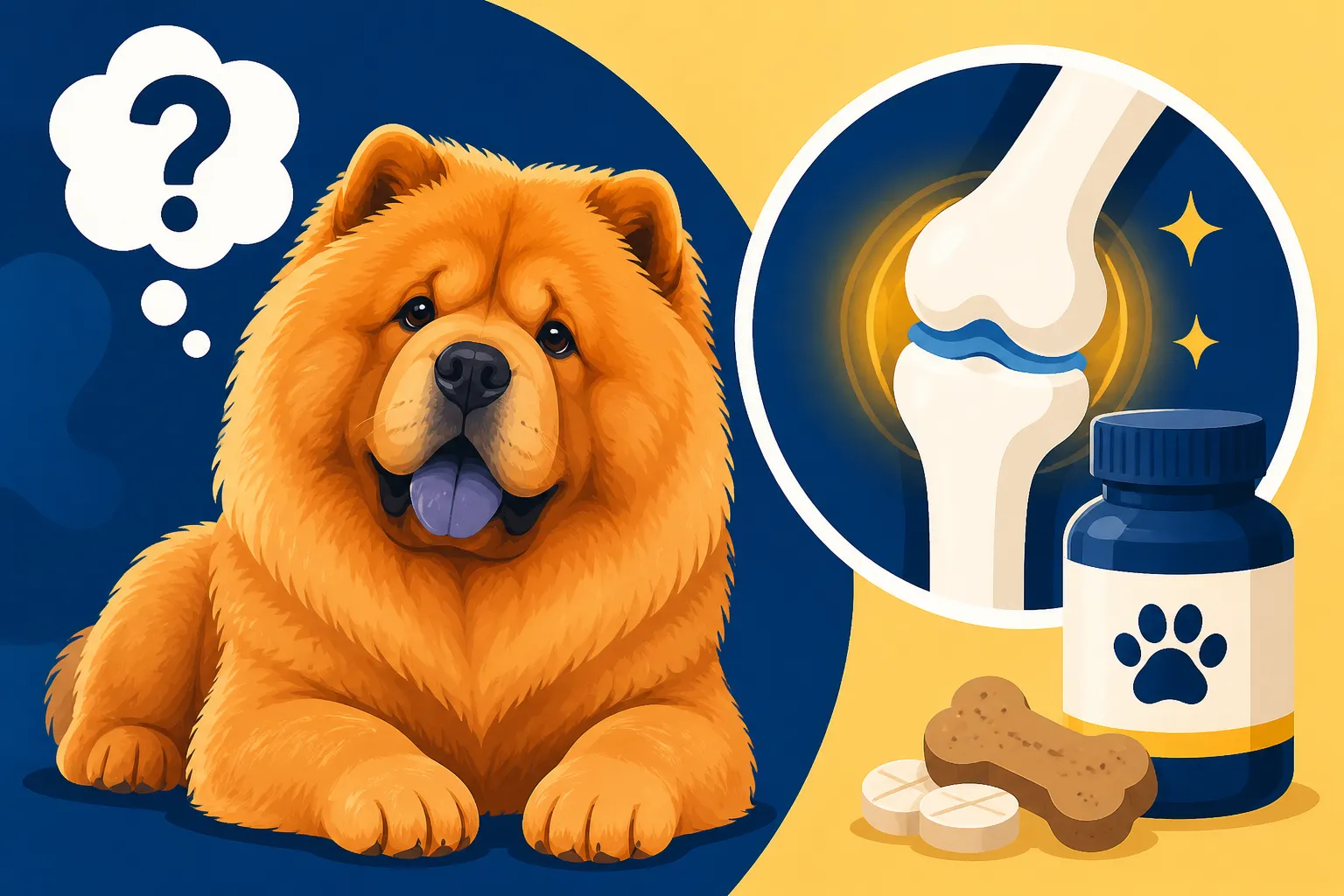
Whether a Chow Chow Needs Joint Supplements
It's completely natural to worry about your Chow Chow's joints. These magnificent, sturdy dogs have a build that, while distinctive and beautiful, can unfortunately predispose them to certain orthopedic challenges as they age, or even earlier in life. Many Chow Chow owners find themselves wondering if there's more they can do to support their beloved companion's mobility, and whether joint supplements are truly a necessary part of their care regimen. This guide is here to help you understand the unique joint considerations for Chow Chows and explore whether supplements might play a role in their long-term comfort and health.
The Chow Chow's Unique Joint Challenges
Let's be real: owning a Chow Chow means embracing their distinctive physique, from their lion-like mane to their rather unique way of moving. But these very characteristics, which make them so endearing, also come with some built-in considerations for their joint health that every owner should understand. It's not just about getting older; sometimes these issues can surface surprisingly early.
Predisposition to Elbow and Hip Dysplasia
One of the biggest concerns for many large breeds, and certainly for our Chows, is the specter of hip and elbow dysplasia. These are developmental conditions where the joints don't form correctly, leading to a loose fit, abnormal wear, and eventually, arthritis. It's a truly heartbreaking diagnosis, especially when you see your active pup start to slow down.
Chow Chows, unfortunately, are among the breeds with a known predisposition to both Elbow Dysplasia Ranks the Chow Chow Near the Top and Hip Dysplasia in a Chow Chow. This isn't to say every Chow will get it, but the genetic likelihood is significant enough that responsible breeders perform extensive health testing. When the elbow joint, for instance, doesn't articulate smoothly – perhaps the bone doesn't sit snugly in its socket – every movement causes friction and damage. Over time, this cumulative stress leads to inflammation, pain, and the breakdown of cartilage. Imagine trying to walk with a pebble in your shoe all day, every day – that's a mild comparison to the constant discomfort a dysplastic joint can cause. Symptoms might be subtle at first, maybe a slight limp after a long walk, or a reluctance to jump. However, as the condition progresses, you'll see more pronounced lameness, stiffness, and clear signs of pain. Early detection through veterinary examinations and X-rays is paramount to managing these conditions effectively and exploring all possible avenues for comfort, which may include joint supplements as part of a broader treatment plan. You can read more about What Elbow Dysplasia Does to a Chow Chow.
The Impact of Their Stilted Gait and Straight Rear Legs
Have you ever watched your Chow Chow move and thought, "That's an interesting walk?" You're not alone! Their characteristic "stilted gait" and relatively straight rear legs are hallmarks of the breed, a direct result of their unique anatomical structure. While it gives them that regal, bear-like amble, it's not without its implications for their joints.
Unlike many other breeds that have more angulated rear legs designed for powerful springing and running, the Chow Chow's straighter stifle means less shock absorption when they move. Every step, every trot, sends more direct impact through their knees and hips. Over years, this can contribute to increased wear and tear on the cartilage and supporting structures of these joints. It's like having a car with a less effective suspension system; every bump in the road is felt more acutely. This constant, subtle trauma can accelerate the onset of degenerative joint disease, or arthritis, even in dogs not predisposed to dysplasia. You might notice your Chow hesitating before climbing stairs or seeming a bit stiff after a nap, especially as they get older. Understanding this inherent mechanical factor helps us appreciate why proactive joint support might be particularly relevant for this breed. It’s not about fixing a flaw, but understanding their biology and providing the best possible support to keep them comfortable for The Eight to Twelve Years a Chow Chow Gets.
Why Weight Management is Crucial for Joint Health
This one might seem obvious, but it's astonishing how many Chow Chows carry a little extra weight, often hidden beneath that magnificent double coat! It’s easy to misjudge What an Adult Chow Chow Should Weigh because they're so fluffy, but extra pounds are an absolute villain when it comes to joint health, especially for a breed already prone to orthopedic issues.
Think of it this way: every extra pound your Chow carries translates to several pounds of additional pressure on their joints, particularly their hips, knees, and elbows. For a dog that might already have a genetic predisposition to How Common Elbow Dysplasia Is in Chow Chows or whose straight rear legs already put more stress on their joints, this added burden is like pouring gasoline on a fire. It exacerbates existing conditions, speeds up the degeneration of cartilage, and significantly increases pain and discomfort. Overweight Chows are not only less active and more prone to mobility issues, but they also experience more severe symptoms from conditions like arthritis. Even losing a few pounds can make a dramatic difference in their comfort and mobility. Regular monitoring of their body condition – learning to feel for ribs and a tucked waist underneath that plush coat – is critical. A healthy, lean weight is one of the most impactful preventative measures you can take for your Chow Chow's joint health, often more so than any supplement alone. If you're unsure, ask your vet or groomer to help you assess Signs a Chow Chow Is Overweight.
Understanding Joint Supplements: What's Inside?
When you start looking into joint supplements, it can feel like stepping into a dense jungle of scientific-sounding names and marketing claims. It's confusing, and every brand seems to promise the moon. But at their core, most joint supplements for dogs contain a few key ingredients designed to support cartilage health, reduce inflammation, and improve joint lubrication.
Common Ingredients and Their Purported Benefits
Let's demystify some of these ingredients you'll see popping up time and again on supplement labels. Understanding what each one aims to do can help you have a more informed conversation with your veterinarian.
-
Glucosamine: This is perhaps the most well-known joint supplement ingredient. Glucosamine is an amino sugar that plays a crucial role in maintaining healthy cartilage – the flexible connective tissue that cushions the ends of bones in a joint. The theory is that supplementing glucosamine helps the body repair and maintain this cartilage, and it might even have some mild anti-inflammatory properties. For a Chow Chow experiencing the early signs of stiffness or even diagnosed with mild dysplasia, glucosamine is often a foundational ingredient. Many pet parents report seeing subtle improvements in their dog's mobility and comfort after consistent use. Brands like Chewy offer a wide range of glucosamine products, from chewable tablets to powders.
-
Chondroitin Sulfate: Often paired with glucosamine, chondroitin sulfate is another natural component of cartilage. It's believed to help maintain the elasticity of cartilage and inhibit the enzymes that break it down. Think of it as teamwork: glucosamine helps build, and chondroitin helps protect. Together, they aim to create a more resilient and healthy joint environment. The combination is very popular because studies suggest they work synergistically.
-
MSM (Methylsulfonylmethane): This is an organic sulfur compound, and it's included in many joint supplements primarily for its purported anti-inflammatory and pain-relieving effects. While it doesn't directly rebuild cartilage, reducing inflammation and pain can significantly improve a dog's comfort and willingness to move, which in turn helps maintain muscle mass around the joints. It's often the ingredient people look for when their Chow Chow is showing signs of discomfort or The Age a Chow Chow Gets Arthritis.
-
Omega-3 Fatty Acids (EPA and DHA): These aren't just for a shiny coat! Omega-3s, particularly EPA (eicosapentaenoic acid) and DHA (docosahexaenoic acid), found in fish oil, are powerful natural anti-inflammatories. Inflammation is a major component of joint pain and degeneration. By reducing systemic inflammation, omega-3s can help alleviate discomfort and slow the progression of arthritis. They're often recommended not just as joint support, but for overall health, including skin, coat, and cognitive function. Many high-quality dog foods, including some formulations by Ollie, incorporate omega-3s, but supplemental amounts are often higher for therapeutic joint benefits.
-
Green-Lipped Mussel: Hailing from New Zealand, green-lipped mussel extract contains a unique combination of omega-3s, glucosamine, chondroitin, and other beneficial nutrients. It's a powerhouse ingredient that offers broad-spectrum support for joint health and inflammation reduction. Some owners swear by it for its comprehensive approach.
-
Hyaluronic Acid (HA): This substance is naturally found in joint fluid and cartilage, acting as a lubricant and shock absorber. Supplementing HA is thought to improve the viscosity of joint fluid, leading to better joint lubrication and cushioning.
It's important to remember that the efficacy of these supplements can vary from dog to dog, and results are typically seen over weeks or months, not days. Consistency is key!
When to Consider Starting Joint Supplements
So, when is the right time to introduce these supplements to your Chow Chow? It's not a one-size-fits-all answer, but there are definitely some key indicators and age markers to keep in mind.
Firstly, age is a major factor. While How Long a Chow Chow Lives on Average is about eight to twelve years, many vets suggest starting a preventative joint supplement regime around the age of 5 or 6 for breeds prone to joint issues, even if they aren't showing overt signs of discomfort. This proactive approach aims to support cartilage health before significant degeneration occurs, potentially delaying the onset or severity of arthritis. For a Chow Chow, given their breed predispositions, this preventative window is particularly relevant.
Secondly, activity level and lifestyle play a role. A Chow Chow that's regularly active, enjoys long walks (within reason for the breed's straight rear legs and heat tolerance), or engages in any mild dog sports might benefit from earlier support due to increased joint usage. Conversely, a less active Chow might still benefit from support to maintain what mobility they have.
Thirdly, and perhaps most importantly, is a diagnosis of an orthopedic condition. If your Chow Chow has been diagnosed with hip dysplasia, elbow dysplasia, or even early signs of arthritis by your veterinarian, then joint supplements become a crucial part of their management plan. In these cases, supplements aren't just preventative; they're therapeutic, aiming to reduce pain, improve mobility, and slow disease progression. You might notice your dog is starting to stiffen up or struggle more with getting comfortable after lying down, which can be signs of How an Aging Chow Chow Stiffens.
Lastly, consider their growth phase. For Chow Chow puppies, especially those from lines with known joint issues, some breeders and vets advocate for careful monitoring and a diet specifically formulated for large breed puppies that promotes slow, steady growth. While not directly a "joint supplement" in the adult sense, preventing rapid growth can mitigate the risk of developmental orthopedic diseases. Discussing specific interventions or supplements for growing puppies with your vet is vital to ensure you're not over-supplementing or inadvertently causing issues with calcium and phosphorus balance. Why a Chow Chow Puppy Needs Controlled Growth is crucial for their skeletal development.
Ultimately, the decision to start joint supplements should always be made in consultation with your veterinarian, who can assess your Chow Chow's individual needs, health history, and current joint status.
Consulting Your Vet: The Non-Negotiable Step
I cannot stress this enough: before you run out and buy the latest, greatest joint supplement, talk to your veterinarian. It’s tempting to try and fix things ourselves, especially when we see our beloved Chows struggling, but your vet is your best resource for informed decisions about your dog's health.
Why Self-Prescribing is Risky
It's easy to get caught up in online reviews or advice from well-meaning friends at the dog park. However, self-prescribing joint supplements for your Chow Chow can be risky for several reasons.
Firstly, accurate diagnosis is paramount. Is your Chow Chow limping because of early arthritis, or is it something else entirely, like a soft tissue injury, a neurological issue, or even something more serious like a bone tumor? Joint supplements won't fix everything, and delaying a proper diagnosis can lead to worsening conditions or missed opportunities for more effective treatments. Your vet can perform a thorough physical exam, observe your Chow's gait, and if necessary, recommend diagnostics like X-rays to truly understand what's going on inside their joints. Without this foundational knowledge, you're essentially shooting in the dark.
Secondly, not all supplements are created equal, and dosages matter. The pet supplement industry isn't as tightly regulated as human pharmaceuticals. This means there can be a wide variation in the quality, purity, and actual concentration of active ingredients in different products. Some might contain less of the beneficial ingredients than advertised, while others might have contaminants. Your vet can recommend reputable brands that have undergone third-party testing or have a proven track record of efficacy and safety. Furthermore, correct dosing is critical. Too little might be ineffective, and too much could lead to side effects. What works for a tiny terrier won't be the same for a robust Chow Chow.
Thirdly, potential interactions with other medications are a real concern. If your Chow Chow is already on other medications for various health conditions, adding a joint supplement without veterinary oversight could lead to adverse interactions. For instance, some anti-inflammatory supplements could interact with prescribed NSAIDs. Your vet has a complete picture of your dog's health and medication history and can advise on safe combinations. Don't risk compromising your Chow's health by guessing.
Beyond Supplements: A Holistic Approach to Joint Care
While joint supplements can be a valuable tool, they are just one piece of a much larger puzzle when it comes to comprehensive joint care for your Chow Chow. A truly holistic approach considers several interconnected factors to maximize comfort and mobility.
-
Controlled Exercise: It might sound counterintuitive to exercise a dog with joint issues, but appropriate, controlled exercise is crucial. It helps maintain muscle strength around the joints, which provides natural support and stability. Weak muscles lead to more joint instability and pain. This isn't about letting your Chow run wild at the dog park if they have mobility issues, but rather consistent, low-impact activities. Think short, leashed walks on soft surfaces, gentle swimming (if your Chow tolerates water), or even underwater treadmill therapy. The key is to avoid high-impact activities, sudden stops and starts, and excessive stair climbing, especially when they are younger and their growth plates are still open. How Far a Chow Chow Should Walk Daily needs to be balanced with their individual condition.
-
Diet and Weight Management: As we discussed earlier, maintaining an ideal body weight is non-negotiable. Work with your vet to determine the appropriate calorie intake and choose a high-quality diet that supports overall health. Some veterinary therapeutic diets are specifically formulated to support joint health, containing higher levels of omega-3s and other beneficial ingredients. Remember, it's about finding that sweet spot where they're lean but still receiving all necessary nutrients. If your Chow is a picky eater, which some can be, finding the right food can be a challenge. Feeding a Chow Chow That Eats Less Than You Expect often requires patience and consistency.
-
Physical Therapy and Rehabilitation: This is a rapidly growing field in veterinary medicine and can be incredibly beneficial for Chows with joint issues. A certified canine rehabilitation therapist can develop a personalized program that includes exercises to improve strength, flexibility, balance, and proprioception (awareness of body position). Techniques might include therapeutic massage, stretching, range of motion exercises, hydrotherapy, and even modalities like laser therapy or acupuncture to reduce pain and inflammation. This kind of hands-on approach can dramatically improve quality of life.
-
Supportive Environments: Make your home as joint-friendly as possible. This means providing orthopedic beds that cushion joints, using ramps or steps to help them access furniture or vehicles, and ensuring good traction on slippery floors with rugs or carpet runners to prevent slips and falls. For an older Chow, these small changes can make a huge difference in their daily comfort and confidence. Whether an Aging Chow Chow Needs Help Getting Up often points to the need for these environmental modifications.
-
Pain Management: For Chows experiencing significant pain from arthritis or dysplasia, your vet might prescribe anti-inflammatory medications (NSAIDs), pain relievers, or other medications to manage discomfort. These are often used in conjunction with supplements and other therapies to provide maximum relief. The goal is always to keep your Chow Chow comfortable and mobile for as long as possible.
By combining supplements with these other strategies, you're giving your Chow Chow the best possible chance at a long, comfortable, and mobile life.
Choosing and Administering Joint Supplements
Once you've had that all-important conversation with your vet and decided that joint supplements are the way to go for your Chow Chow, the next step is navigating the myriad of options available. It can still feel overwhelming, but focusing on quality and understanding how to best administer them will make the process smoother.
Navigating the Market: Quality and Reputation
With so many brands out there, how do you choose a joint supplement that's actually effective and safe for your beloved Chow Chow? This is where research and critical thinking come into play.
Firstly, look for reputable brands. Your veterinarian will likely have specific brands they trust and recommend, often those that are "veterinary specific" or have undergone rigorous quality control. These brands are typically more transparent about their ingredient sourcing, manufacturing processes, and have often conducted their own clinical trials or third-party testing to verify purity and potency. Examples of well-regarded brands are often available through veterinary clinics, or trusted online retailers like Chewy and Amazon will carry reputable options.
Secondly, check for certifications. In the absence of strict FDA regulation for pet supplements, look for voluntary certifications that indicate a company adheres to certain quality standards. In the US, the National Animal Supplement Council (NASC) quality seal is a good indicator. Products with the NASC seal have met specific requirements for quality control, labeling accuracy, and adverse event reporting. This gives you a bit more peace of mind that what's on the label is actually in the product.
Thirdly, ingredient synergy and dosage. Review the ingredient list. Does it contain the combination of ingredients your vet recommended (e.g., glucosamine and chondroitin)? Are the dosages appropriate for a dog of your Chow Chow's size? Many products come with dosage recommendations based on weight, but your vet might suggest a slightly different amount based on the severity of your dog's condition. Avoid products with excessive fillers, artificial colors, or flavors that aren't necessary.
Finally, read reviews but remain skeptical. While user reviews can offer insights into palatability (whether dogs will actually eat them!) and perceived effectiveness, remember that individual results vary greatly. What works wonders for one dog might not for another, and sometimes improvements can be attributed to the placebo effect (on the owner, not the dog!). Use reviews as a general guide, but let your vet's advice on brand reputation and ingredient quality be your primary filter.
Remember that investing in a higher-quality supplement from a trusted source, even if it costs a bit more, is often a better long-term strategy than opting for the cheapest option with questionable ingredients.
Delivery Methods and Palatability
So, you've chosen a high-quality joint supplement. Now, how do you actually get your Chow Chow to take it? Chows can be famously discerning, and some are just not keen on anything new in their food bowl. Luckily, supplements come in various forms to help with this.
-
Chewable Tablets or Soft Chews: These are often the easiest and most popular option. Many are flavored (bacon, chicken, liver) to make them more appealing. For some Chows, these are like treats, and they'll happily gobble them down. If your Chow is a bit suspicious, you might need to pretend it's a special treat, or even crumble it into a small amount of something irresistible like peanut butter (xylitol-free!), plain yogurt, or cream cheese. Brands like Chewy and Amazon often have a vast selection of these.
-
Powders: Powders can be a great option for Chows who are wary of pills or chews. You can sprinkle them directly over their regular food. The key is to mix it in thoroughly, perhaps with a little water or low-sodium broth, to ensure it adheres to the kibble and isn't just sitting on top to be avoided. Some powders are virtually tasteless, while others have a mild flavor.
-
Liquids: Liquid supplements can be mixed into food or, if your Chow tolerates it, administered directly into their mouth with a syringe (without the needle, of course!). This can be a good choice for dogs with dental issues or those who are very adept at spitting out pills.
-
Capsules or Tablets (unflavored): These are often the most challenging. For a Chow who won't take a chew, you might need to "pill" them directly or hide the capsule in a small piece of food. This could be a dollop of canned food, a piece of cheese, or a specially designed "pill pocket." Just be sure they actually swallow the pill and don't cleverly eat the treat and spit out the capsule! Some pet parents find success by wrapping pills in a small amount of a tasty soft treat, like those available from brands like Ollie, which often have a texture that can easily conceal medication.
Tips for Success:
- Consistency is Crucial: Whatever method you choose, administer the supplement consistently as directed. Joint supplements aren't like pain medication that provides immediate relief; they work cumulatively over weeks and months.
- Make it a Positive Experience: Associate the supplement with something good. If it's a chew, call it a "special treat." If it's mixed into food, make mealtime a calm and pleasant experience.
- Start Small: If introducing a new flavor or texture, start with a smaller amount and gradually increase to the full dose over a few days, if appropriate, to allow your Chow to adjust.
- Observe and Adjust: Pay attention to how your Chow Chow responds both to the supplement itself (any digestive upset?) and to its perceived benefits. If you notice a positive change in their mobility or comfort, that's a great sign! If not, after a reasonable trial period, discuss other options with your vet.
Table: Common Joint Supplement Ingredients and Their Primary Roles
| Ingredient | Primary Role | Examples of Action |
|---|---|---|
| Glucosamine | Cartilage Repair & Maintenance | Supports synthesis of new cartilage; mild anti-inflammatory |
| Chondroitin Sulfate | Cartilage Protection & Elasticity | Inhibits enzymes that degrade cartilage; improves fluid |
| MSM | Anti-inflammatory & Pain Relief | Reduces pain signals; decreases inflammation |
| Omega-3 Fatty Acids | Anti-inflammatory | Reduces systemic inflammation; supports joint health |
| Green-Lipped Mussel | Comprehensive Joint Support (Omega-3s, Gluc/Chond) | Anti-inflammatory; provides building blocks for cartilage |
| Hyaluronic Acid | Joint Lubrication & Shock Absorption | Improves viscosity of synovial fluid; cushions joints |
By approaching joint supplementation with knowledge, quality products, and veterinary guidance, you can provide meaningful support to your Chow Chow's long-term mobility and comfort.
Disclaimer
This article is for general informational purposes only and does not constitute professional advice. Laws, prices and regulations vary by location and change over time. Consult a qualified professional for guidance on your specific situation.