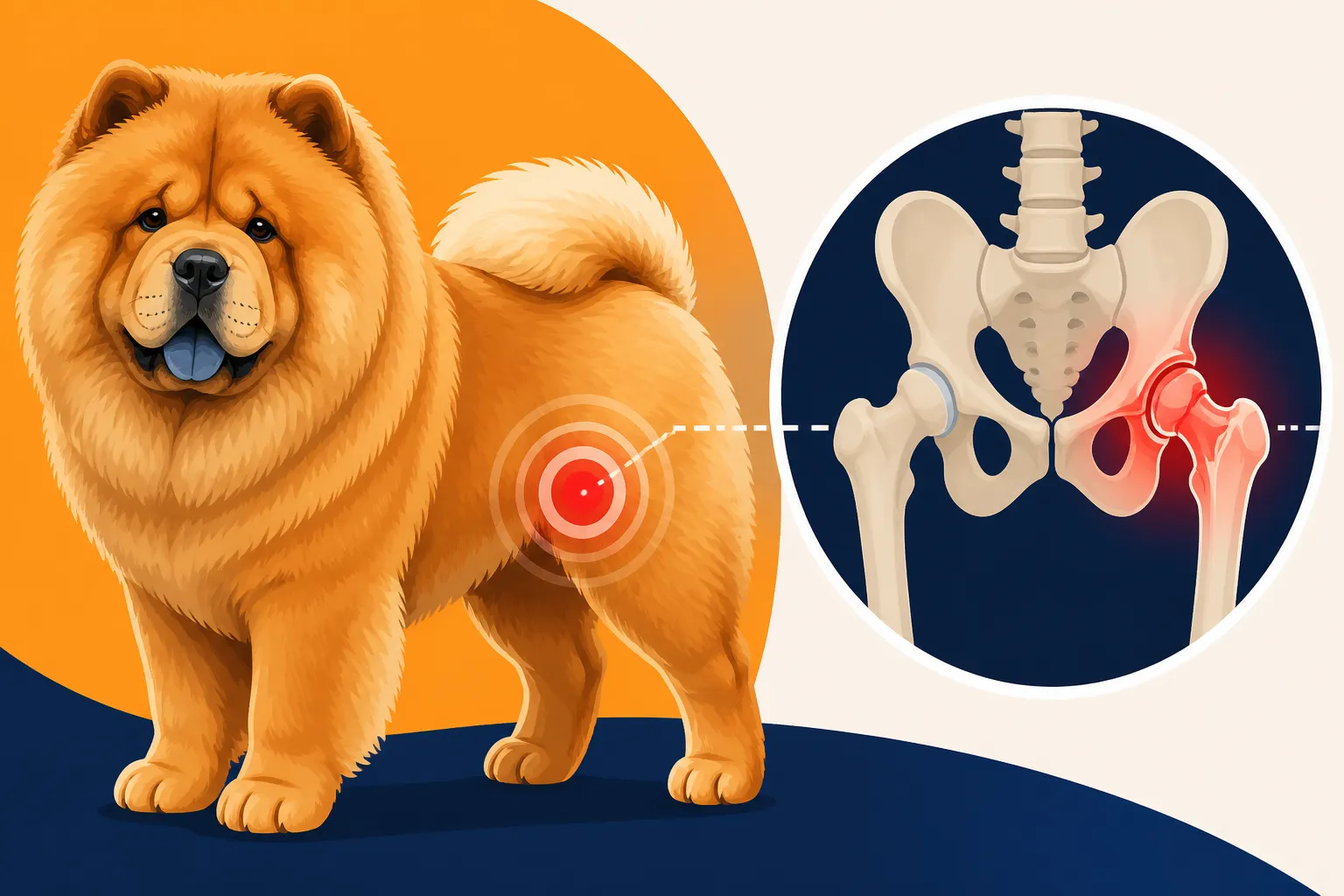
Hip Dysplasia in a Chow Chow
The distinct, almost regal appearance of a Chow Chow can be incredibly captivating, but beneath that magnificent coat lies a breed prone to certain health challenges. One of the most heartbreaking and common issues owners face is hip dysplasia, a condition that can gradually diminish their dog's mobility and quality of life, often leaving you feeling helpless and unsure of how to best support your beloved companion. This guide aims to thoroughly demystify hip dysplasia in Chow Chows, offering you a deep understanding of its causes, how to spot the signs, and the comprehensive treatment and management strategies available to help your Chow Chow live as comfortably as possible.
Understanding Hip Dysplasia in Chow Chows
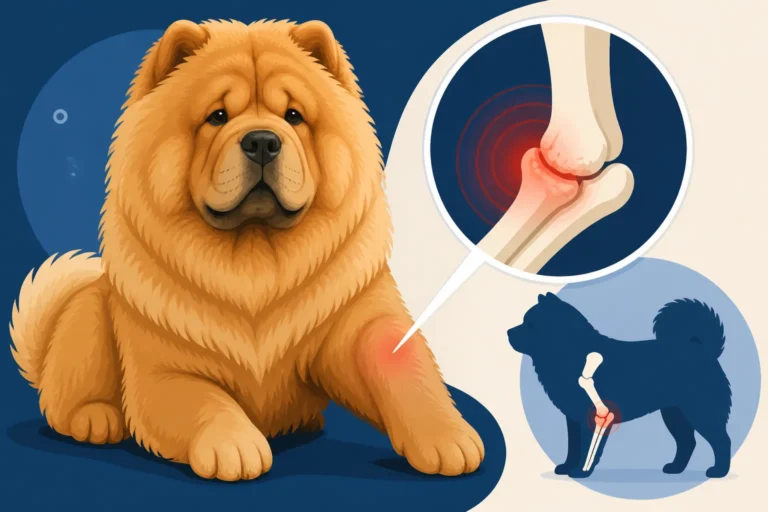
Hip dysplasia is a developmental condition that affects the hip joint, a "ball and socket" joint where the head of the femur (thigh bone) fits into the acetabulum (socket) of the pelvis. When this joint doesn't form correctly, it leads to a loose fit, causing instability and, over time, painful degeneration. For Chow Chows, with their unique structure and genetic predispositions, understanding this condition is crucial.
Understanding the Anatomy of the Chow Chow Hip
A healthy hip joint in any dog allows for smooth, pain-free movement, much like a well-oiled machine. The femoral head should sit snugly and deeply within the acetabulum, with a layer of smooth cartilage protecting the bone surfaces and joint fluid providing lubrication. This allows for a wide range of motion without friction. In Chow Chows, the genetic blueprint sometimes interferes with this ideal formation. Imagine trying to fit a round peg into a slightly misshapen hole – it might go in, but it won't be stable, and every movement will cause wear and tear. This genetic component is a significant reason why Hip Dysplasia in a Chow Chow is a concern for the breed, making early awareness and responsible breeding practices incredibly important.
The hip joint is also surrounded by muscles, ligaments, and a joint capsule, all working together to stabilize it. When dysplasia is present, these supporting structures may stretch or tear under the constant stress of an ill-fitting joint, exacerbating the problem. Over time, the body tries to compensate by laying down new bone, leading to osteophytes (bone spurs) and further restricting movement, a hallmark of degenerative joint disease or osteoarthritis. This process is not sudden; it's a slow, insidious decline that can begin even when your Chow Chow is a puppy, long before you notice any outward limping or discomfort.
How Poor Formation Leads to Joint Degeneration
The primary issue in hip dysplasia is laxity – the looseness of the joint. Instead of a tight fit, the femoral head might "subluxate" or partially dislocate from the socket with every step. This abnormal motion is incredibly damaging. The cartilage, which is designed to cushion and absorb shock, starts to fray and erode because it's no longer working under ideal, stable conditions. It's like a tire wearing unevenly because of bad alignment.
As the cartilage breaks down, bone-on-bone friction increases, leading to inflammation and pain. The body's natural response to this instability and damage is to try and stabilize the joint, often by producing more bone. This results in the formation of those aforementioned bone spurs and remodeling of the joint surfaces, which might seem like a solution, but actually contributes to stiffness, further pain, and a decreased range of motion. This entire degenerative process is progressive; without intervention, the condition will continue to worsen. The severity can vary greatly, from mild laxity that causes minimal discomfort to severe malformation that results in debilitating pain and crippling lameness, making it hard for your Chow Chow to even stand up or walk comfortably. Understanding this progression helps us appreciate why early diagnosis and consistent management are so vital.
Recognizing the Signs of Hip Dysplasia
It can be incredibly frustrating trying to figure out if your Chow Chow is just being a typical, somewhat stoic Chow, or if they're genuinely in pain. Their tendency to be a bit aloof and their dense coat can sometimes mask subtle signs of discomfort, making it even harder for owners to pick up on problems early. But knowing what to look for can make all the difference.
Subtle Early Indicators in Puppies and Young Adults
Hip dysplasia often begins to manifest in Chow Chow puppies as young as a few months old, or in young adults. The signs at this stage can be very subtle and easily mistaken for normal puppy clumsiness or a slight stiffness after play. You might observe a "bunny hop" gait, where your Chow Chow uses both hind legs simultaneously to propel themselves forward, especially when running. This is their way of minimizing discomfort by keeping the hip joints stable. They might also seem reluctant to play or jump, or show hesitation when climbing stairs – a common challenge for Chows, especially if they have issues like Whether a Chow Chow Puppy Should Climb Stairs.
Another sign can be a general stiffness, particularly after they've been resting or sleeping, which seems to improve as they warm up. You might notice they have trouble getting up from a lying position, or they might shift their weight unusually when standing. Some owners report a decrease in overall activity level; a once playful puppy might become more sedentary. Keep an eye out for a narrower stance in the hind legs, as they try to bring their legs closer together to reduce weight-bearing on the painful outer hip. Their musculature might also start to change; you might see muscle atrophy (wasting) in the hindquarters due to disuse, or, conversely, increased muscle development in the front limbs as they try to compensate and carry more weight forward. Trust your gut if something just doesn't seem quite right with their movement or enthusiasm.
Progressive Symptoms and Impact on Mobility
As hip dysplasia advances, the symptoms become more pronounced and impossible to ignore. The subtle limp you might have initially dismissed could turn into a noticeable lameness, affecting one or both hind legs. Your Chow Chow might become openly painful when touched around the hips or when standing up. They may vocalize their discomfort, whine, or even snap if the pain is severe, especially during grooming or handling.
You might observe a significant reduction in their range of motion, making simple acts like sitting squarely or extending their legs difficult. Their once proud, stilted gait, which is characteristic of the breed due to their straight rear leg, can become even more exaggerated or awkward as they try to minimize hip movement. They may develop what's called "waddling" as they walk, shifting their weight from side to side. Climbing stairs or jumping into the car might become impossible, requiring assistance or causing obvious pain. The loss of muscle mass in the hind legs will become more evident, and their overall posture might change, with a more sloped back as they try to alleviate pressure on their hips.
In severe cases, the chronic pain and inflammation can lead to significant osteoarthritis, further limiting mobility and severely impacting their quality of life. This is why early detection and proactive management are so critical, allowing us to intervene before the condition progresses to a debilitating stage. If you're noticing any of these advanced signs, it's definitely time for an immediate veterinary consultation.
Diagnosing Hip Dysplasia in Chow Chows
Getting a definitive diagnosis for hip dysplasia can sometimes feel like a puzzle, especially with a breed as unique as the Chow Chow. Vets rely on a combination of physical examination, observing your dog's movement, and, most importantly, specialized imaging to confirm the condition and assess its severity.
The Importance of Veterinary Examination and Gait Analysis
When you first bring your Chow Chow in with concerns about their mobility, your veterinarian will start with a thorough physical examination. They'll gently palpate your dog's hips, feeling for any signs of pain, instability, or crepitus (a grinding sound or sensation in the joint). They'll assess your Chow Chow's range of motion, carefully manipulating their hind legs to see how far they can extend and flex without discomfort. This can be challenging with a Chow Chow's sometimes resistant nature and dense coat, so a calm, experienced vet is a huge plus.
Beyond the hands-on exam, observing your Chow Chow's gait is incredibly insightful. Your vet will ask you to walk your dog, maybe even jog a little if they're comfortable, to see how they move. They'll look for that characteristic "bunny hop," any limping, stiffness, or an unnatural swing of the hips. Sometimes, subtle lameness is easier to spot when your dog is trotting or turning. This observational component is vital because it shows how your dog uses their joints in real-time, under their own power. Don't be surprised if your vet wants to see them walk both towards and away from them, and from the side, to get a full picture. This initial assessment helps the vet decide if further, more definitive diagnostic steps, like X-rays, are necessary.
Radiographic Screening: OFA and PennHIP Evaluations
To definitively diagnose hip dysplasia and grade its severity, X-rays are indispensable. There are two primary methods for evaluating hip radiographs in dogs: the Orthopedic Foundation for Animals (OFA) certification and the PennHIP method. Both provide valuable information, but they approach the assessment differently.
OFA Evaluation:
The OFA method involves taking a single, specific X-ray image of your Chow Chow's hips while they are positioned in dorsal recumbency (on their back) with their hind legs extended straight back and parallel to each other. This position is held with light sedation, or sometimes general anesthesia, to ensure muscle relaxation and proper positioning. The X-ray is then sent to the OFA, where three independent, board-certified veterinary radiologists evaluate the images based on seven criteria, including hip joint conformation, subluxation, and signs of degenerative joint disease. They then assign a hip rating: Excellent, Good, Fair (all considered "passing" or non-dysplastic), Borderline, or Mild, Moderate, Severe (all considered dysplastic).
The OFA evaluations are typically performed after a dog is 24 months old to ensure full skeletal maturity, though preliminary evaluations can be done earlier. This method has been widely used for decades and is a common benchmark for breeders aiming to reduce the incidence of hip dysplasia in their lines. It's a key part of responsible breeding, and you should always ask a breeder about What a Chow Chow Breeder Should Have Tested before committing to a puppy.
PennHIP Evaluation:
PennHIP (University of Pennsylvania Hip Improvement Program) is a newer, more objective, and quantitative method that assesses hip laxity, which is a primary indicator of hip dysplasia. It requires three distinct X-ray views, typically under sedation or anesthesia:
- Distraction View: This view measures the maximum laxity or looseness of the hip joint. A special device is used to gently push the femoral heads out of the acetabula, allowing for a precise measurement of how much the joint can distract.
- Compression View: This view measures how tightly the femoral head fits into the socket when compressed.
- Hip Extended View: Similar to the OFA view, this provides a conventional radiographic assessment of hip conformation.
From these images, a distraction index (DI) is calculated. The DI is a numerical measurement of hip laxity, ranging from 0 (very tight) to 1 (very loose). Dogs with a DI closer to 0 are considered to have tighter hips and a lower risk of developing hip dysplasia. PennHIP evaluations can be performed on dogs as young as 16 weeks (4 months), providing an earlier assessment of hip laxity, which can be beneficial for early intervention or breeding decisions. PennHIP also provides breed-specific laxity data, allowing for comparison of your dog's hips to others within the Chow Chow breed.
Both OFA and PennHIP are valuable tools, and many responsible breeders utilize one or both to make informed breeding decisions and reduce the genetic predisposition to hip dysplasia. Understanding these methods will help you interpret your vet's findings and make informed choices for your Chow Chow's health.
| Feature | OFA (Orthopedic Foundation for Animals) | PennHIP (University of Pennsylvania Hip Improvement Program) |
|---|---|---|
| Primary Goal | Evaluate hip joint conformation for signs of degenerative joint disease. | Quantitatively measure hip joint laxity (looseness) and risk of dysplasia. |
| Number of Views | One standard hip-extended view. | Three views: distraction, compression, and hip-extended. |
| Age for Evaluation | 24 months for final certification (prelims at 4+ months). | As early as 16 weeks (4 months). |
| Assessment Type | Subjective grading by 3 radiologists (Excellent to Severe). | Objective, quantitative Distraction Index (DI) (0 to 1). |
| Predictive Value | Good for assessing current state; less predictive for future laxity. | More predictive of future osteoarthritic changes based on laxity. |
| Sedation/Anesthesia | Usually required for proper positioning. | Required for all three views to ensure accuracy. |
| Cost | Generally less expensive per X-ray than PennHIP. | Typically more expensive due to multiple views and specialized training. |
Managing Hip Dysplasia: Treatment Options
Receiving a diagnosis of hip dysplasia can feel overwhelming, but the good news is that there are many ways to manage the condition and improve your Chow Chow's quality of life. The chosen treatment path often depends on the severity of the dysplasia, the dog's age, and your family's circumstances, including your budget. Pet insurance providers like Healthy Paws can often alleviate the financial burden of these treatments, making more options accessible.
Conservative Management: Pain Relief, Exercise, and Supplements
For many Chow Chows, especially those with mild to moderate hip dysplasia or those who are not candidates for surgery, conservative management is the first line of defense. The goal here is to reduce pain, inflammation, and slow the progression of arthritis, allowing your dog to remain as comfortable and mobile as possible.
Pain relief is paramount. Non-steroidal anti-inflammatory drugs (NSAIDs) are commonly prescribed by veterinarians to reduce pain and inflammation in the joints. Medications like carprofen (Rimadyl), meloxicam (Metacam), or firocoxib (Previcox) can make a significant difference in your dog's comfort level and willingness to move. Your vet will determine the appropriate dosage and monitor for any side effects. In some cases, other pain medications like gabapentin may be used in conjunction with NSAIDs for more comprehensive pain control.
Controlled exercise is another critical component. While it might seem counterintuitive to exercise a dog with hip pain, maintaining muscle mass around the hip joints actually helps to stabilize them. High-impact activities like jumping, long runs, or intense fetch should be avoided. Instead, focus on low-impact, consistent exercise like short, frequent leash walks and swimming. Swimming is particularly excellent as it builds muscle without putting stress on the joints. Hydrotherapy, where your Chow Chow walks on an underwater treadmill, is also a fantastic option to build strength and improve range of motion in a controlled, supportive environment. These therapies can be incredibly beneficial in preventing How an Aging Chow Chow Stiffens prematurely.
Weight management is non-negotiable. Every extra pound your Chow Chow carries puts additional stress on their already compromised hip joints, accelerating cartilage breakdown and increasing pain. Working with your vet to achieve and maintain an ideal body weight is one of the most impactful things you can do. This often involves carefully monitoring their food intake – remembering that How Many Cups a Day an Adult Chow Chow Eats can vary based on activity level – and ensuring they get appropriate exercise. Consider a diet specifically formulated for weight management or joint health.
Joint supplements can also play a supportive role. Glucosamine and chondroitin sulfate are popular choices, believed to help support cartilage health and reduce inflammation. Omega-3 fatty acids, often found in fish oil, are powerful natural anti-inflammatories. While supplements won't cure hip dysplasia, they can certainly help manage the symptoms and support joint health, especially when started early. Always discuss any supplements with your veterinarian to ensure they are appropriate for your Chow Chow and won't interact with other medications.
Surgical Interventions: From FHO to Total Hip Replacement
When conservative management is no longer sufficient to maintain a good quality of life, or in cases of severe dysplasia, surgical options become a vital consideration. These procedures aim to either remove the source of pain or reconstruct the joint entirely.
Femoral Head Ostectomy (FHO):
An FHO is a salvage procedure primarily recommended for smaller dogs (generally under 50-60 pounds), but it can be an option for larger dogs like Chow Chows if other surgeries are not feasible. In this procedure, the head and neck of the femur are surgically removed. This eliminates the painful bone-on-bone grinding. The body then forms a "false joint" of scar tissue and muscle where the femoral head once was. The success of an FHO largely depends on post-operative physical therapy to build strong muscles that support the new false joint. While it doesn't create a normal hip, it can significantly reduce pain and allow for acceptable mobility in many dogs.
Triple Pelvic Osteotomy (TPO) / Double Pelvic Osteotomy (DPO):
These procedures are generally performed on younger dogs (typically under 10-12 months) who have significant hip laxity but minimal to no evidence of degenerative joint disease. The goal of TPO or DPO is to surgically cut the pelvis in three (TPO) or two (DPO) places and then rotate the acetabulum (hip socket) to better cover the femoral head. This increases the stability of the joint and reduces laxity, thereby preventing or slowing the progression of arthritis. This is a complex surgery with a significant recovery period, but for the right candidate, it can offer an excellent long-term outcome.
Total Hip Replacement (THR):
Considered the "gold standard" for treating severe, debilitating hip dysplasia, a Total Hip Replacement involves replacing both the damaged femoral head and the acetabulum with artificial implants (a prosthetic ball and socket). This procedure completely eliminates the source of pain and can restore near-normal hip function, giving your Chow Chow a new lease on life. THR is a major surgery requiring specialized equipment and an experienced veterinary orthopedic surgeon. It's also the most expensive option, with costs ranging from several thousand dollars per hip. Recovery involves strict confinement followed by a carefully managed physical therapy program. The success rate for THR is very high, typically over 90-95%, with most dogs experiencing a dramatic reduction in pain and improved mobility. When considering such significant medical expenses, it's worth noting that having pet insurance, such as through Healthy Paws, can be incredibly beneficial, helping cover a substantial portion of these costs. Knowing What an Aging Chow Chow's Bills Look Like can prepare you for potential future costs, making early insurance enrollment a smart decision.
Deciding on surgery is a big decision, and your veterinary team will help you weigh the pros and cons of each option, considering your Chow Chow's individual needs, the severity of their condition, and your family's ability to commit to post-operative care and rehabilitation.
Preventative Measures and Responsible Breeding
While you can't entirely prevent hip dysplasia if your Chow Chow has a genetic predisposition, there are significant steps you can take to minimize its severity and manage its onset. Responsible breeding practices are at the forefront of prevention, coupled with attentive care from puppyhood.
The Role of Genetics and Choosing a Reputable Breeder
Hip dysplasia is a polygenic trait, meaning it's influenced by multiple genes. It's also affected by environmental factors, but genetics play a substantial role. This is why choosing a reputable breeder is the single most important preventative measure you can take. A responsible Chow Chow breeder will be transparent about the health history of their breeding stock and will have all their breeding dogs tested for hip dysplasia (and other common breed issues like elbow dysplasia and eye conditions) by organizations like OFA or PennHIP.
They should be able to provide you with certifications for both the sire and dam (parents) of your puppy, showing their hip scores. Look for parents with "Good" or "Excellent" OFA ratings, or low PennHIP distraction index scores. A breeder who tells you they "know" their dogs' hips are fine without providing official certifications is a red flag. These certifications are not just formalities; they are critical tools that breeders use to make informed decisions and actively work towards reducing the incidence of hip dysplasia in future generations. You should also ask about the hip health of grandparents and siblings if possible, as this gives a broader picture of the line's genetic health. A commitment to health testing, even if it adds to What Elbow and Eye Certification Costs a Chow Chow Breeder, is a hallmark of an ethical breeder dedicated to the welfare of the breed.
Furthermore, a good breeder will prioritize slow growth in their puppies. They'll feed a high-quality, appropriate diet, often a large-breed puppy food, that doesn't encourage excessively rapid growth, as this can exacerbate hip laxity in predisposed puppies. They'll also counsel you on appropriate exercise for a growing puppy to protect their developing joints.
Environmental Factors: Diet, Exercise, and Puppy Care
Even with genetically sound parents, environmental factors during a Chow Chow puppy's crucial growth period can influence the expression of hip dysplasia. This means that even if your puppy has good genes, improper care can still contribute to the development or worsening of the condition.
Controlled Growth and Diet:
Rapid growth, particularly in large breeds, is a known risk factor for hip dysplasia. It puts excessive stress on developing joints. Therefore, feeding a high-quality diet specifically formulated for large-breed puppies is essential. These diets are designed to support steady, controlled growth rather than maximizing growth speed. Avoid overfeeding, which can lead to excessive weight gain and stress on immature joints. Monitor your puppy's weight and body condition closely, consulting with your vet about proper nutrition. Understanding Why a Chow Chow Puppy Needs Controlled Growth is key to their long-term joint health.
Appropriate Exercise:
While exercise is important for overall health, it must be carefully managed in a growing Chow Chow puppy to protect their developing joints. Avoid high-impact activities like jumping off furniture, aggressive fetching, or long, strenuous runs, especially on hard surfaces. Activities that involve sudden stops, starts, and twists should also be minimized. Instead, focus on moderate, controlled exercise such as short, frequent walks on soft surfaces like grass, and supervised play sessions. Allowing too much free-running or roughhousing with other dogs can also put undue stress on their hips. As a Chow Chow owner, remembering that Elbow Dysplasia Ranks the Chow Chow Near the Top of breeds affected by joint issues further emphasizes the need for careful exercise management from a young age.
Avoiding Trauma and Injury:
Minor injuries or repeated stress to the hip joints during growth can also contribute to dysplasia. This means being mindful of slippery floors, which can cause splits and falls, and discouraging excessive stair climbing, especially in very young puppies, as noted in Whether a Chow Chow Puppy Should Climb Stairs. Providing good traction indoors can be as simple as using rugs or runners. When lifting your puppy, always support their hindquarters to avoid putting strain on their hips.
By combining the responsible selection of a puppy from health-tested parents with meticulous attention to diet, controlled exercise, and environmental management during their growth, you can significantly reduce the risk and severity of hip dysplasia in your Chow Chow. Proactive care truly is the best medicine for these magnificent dogs.
Disclaimer
The information provided in this article is for educational and informational purposes only, and does not constitute veterinary advice. Always consult with a qualified veterinarian for any health concerns or before making any decisions related to your Chow Chow's care.