What a Chow Chow’s Thyroid Panel Costs
Finding out your beloved Chow Chow needs bloodwork can be a little daunting, especially when it involves specialized tests like a thyroid panel. The worry isn't just about what the results might reveal, but also the inevitable question: "How much is this going to cost me?" It's a common, completely valid concern, as veterinary bills can quickly add up. This guide aims to shed some light on what a Chow Chow's thyroid panel entails, why it’s often recommended for the breed, and the various factors that influence the overall expense, helping you feel more prepared.
Understanding the Chow Chow Thyroid Panel
When your vet suggests a thyroid panel for your Chow Chow, it's not just a random test; it's usually because there’s a suspicion of hypothyroidism, a condition where the thyroid gland doesn't produce enough hormones. For our Chows, with their unique genetic predispositions, this isn't an uncommon concern, and catching it early can make a huge difference in their quality of life.
Why Thyroid Testing is Crucial for Chow Chows
Chow Chows, like several other breeds, have a higher genetic likelihood of developing hypothyroidism, particularly a type called autoimmune thyroiditis. This is where the dog's own immune system mistakenly attacks its thyroid gland. It's a silent threat that can slowly manifest in a myriad of symptoms, often dismissed as normal aging or behavioral quirks. You might notice subtle changes at first, like your Chow seeming a bit more lethargic than usual, or perhaps a slight weight gain even if their diet hasn't changed. Their beautiful, dense coat might start to look dull, thin out in patches, or even become brittle. Some owners report their Chows seeking out warm spots more often or becoming less tolerant of cold weather.
The insidious nature of hypothyroidism means these signs can be gradual, making it easy to miss in the early stages. However, if left untreated, it can lead to more serious issues, affecting everything from their heart rate to their metabolism and even their cognitive function. This is why a proactive approach, especially if you have an older Chow Chow or one showing vague symptoms, is always best. Understanding What Autoimmune Thyroiditis Does to a Chow Chow is key to appreciating the importance of this testing.
What a Thyroid Panel Includes
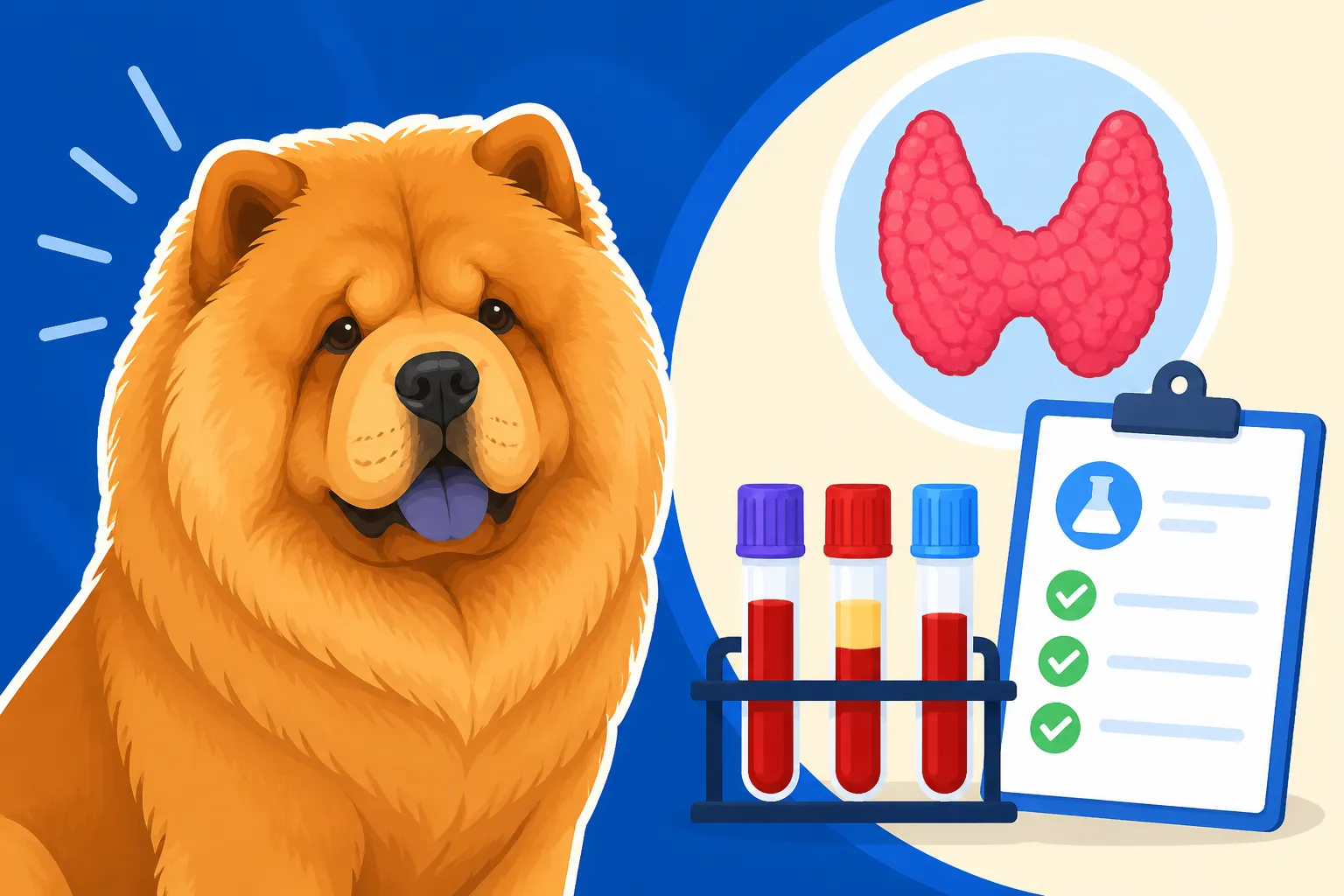
A full thyroid panel is more than just a single blood test; it’s a comprehensive look at several hormones and indicators that give your veterinarian a complete picture of your Chow Chow's thyroid function. It’s like looking at several pieces of a puzzle to understand the whole image. Typically, a basic panel will measure total T4 (thyroxine), which is the primary hormone produced by the thyroid gland. However, for a breed like the Chow Chow, a more exhaustive panel is often recommended to get a truly accurate diagnosis.
A comprehensive panel usually includes:
- Total T4 (TT4): Measures the total amount of thyroxine in the blood, both bound to proteins and free.
- Free T4 (FT4): This measures only the unbound, biologically active form of thyroxine. It's often a more accurate indicator, especially if other health issues might be affecting TT4 levels.
- Total T3 (TT3): Measures the total triiodothyronine. While less commonly a primary diagnostic tool for hypothyroidism, it provides additional context.
- Free T3 (FT3): Measures the unbound, active form of triiodothyronine.
- Canine Thyroid-Stimulating Hormone (cTSH): This hormone, produced by the pituitary gland, stimulates the thyroid to produce T4 and T3. In hypothyroid dogs, cTSH levels are often high because the pituitary is trying to kick a sluggish thyroid into gear.
- Thyroglobulin Autoantibodies (TgAA): This is crucial for detecting autoimmune thyroiditis. If these antibodies are present, it confirms that the immune system is indeed attacking the thyroid, even if hormone levels are still within the normal range in early disease.
Sometimes, a vet might also recommend additional tests, such as a cholesterol panel, as elevated cholesterol can sometimes be a secondary indicator of hypothyroidism. Your vet will decide the best course of action based on your Chow Chow's specific symptoms and history. For a deeper dive into the specific indicators, you might want to read Signs a Chow Chow's Thyroid Is Low.
Factors Influencing Thyroid Panel Costs
The cost of a thyroid panel for your Chow Chow isn't a fixed price. It can fluctuate quite a bit depending on several factors, from where you live to the specific tests included in the panel. It's not unlike comparing prices for various services; a small, local business often has different overheads than a large, specialty chain.
Geographic Location and Veterinary Practice
Just like human healthcare, veterinary costs can vary significantly by region. If you live in a bustling urban area, especially a high-cost-of-living city, you'll generally find that veterinary services, including specialized diagnostic tests, come with a higher price tag. This is largely due to factors like higher rent for vet clinics, increased staff wages, and higher operating expenses. Conversely, clinics in rural areas or smaller towns might offer these services at a more modest sum.
Beyond the general location, the type of veterinary practice also plays a role. A general practice veterinary office, where your Chow Chow gets their routine checkups, might charge one amount. However, if your case is complex or requires further consultation, your vet might refer you to a veterinary internal medicine specialist or an endocrinologist. These specialized practices, with their advanced equipment and highly trained staff, typically have higher fees. Think of it as visiting a general practitioner versus a specialist physician for yourself – the expertise comes at a different rate. They often use external labs with advanced technology, which also adds to the cost.
Scope of the Panel and Lab Fees
As we discussed, a thyroid panel can range from a basic screening to a comprehensive diagnostic work-up. The more hormones and antibodies your vet needs to test for, the higher the cost will be. A basic T4 test might be relatively inexpensive, perhaps a fraction of the cost of a full panel that includes Free T4, cTSH, and TgAA. Each additional parameter adds to the laboratory processing fees. These labs often use highly sensitive equipment and specialized reagents, which contribute to the overall expense.
Many veterinary practices send blood samples to external reference laboratories, which are specialists in veterinary diagnostics. These labs have the capacity to run a vast array of tests and provide expert interpretation, but they charge the veterinary clinic for their services, which is then passed on to the pet owner. Sometimes, clinics might offer in-house testing for basic T4, which can be quicker and potentially less expensive, but might lack the comprehensive detail needed for a definitive diagnosis in a Chow Chow. It’s worth discussing with your vet exactly which tests they recommend and why, so you understand the value behind the cost.
Additional Veterinary Services
It's rare that a thyroid panel is the only thing you'll pay for during a diagnostic visit. There are usually other associated costs that can add up. The initial consultation fee for the veterinary visit itself is almost always a separate charge. This covers the vet's time to examine your Chow Chow, discuss their symptoms, review their history, and formulate a diagnostic plan. If your Chow Chow is particularly anxious or has a strong personality, like many Chows can, your vet might even recommend mild sedation to ensure a smooth blood draw, which would be an additional charge. Why a Chow Chow Is Hard to Examine at the Vet explains some of these challenges.
Should the thyroid panel reveal hypothyroidism, there will be follow-up costs. This includes the price of the medication (typically synthetic thyroid hormone, which your Chow Chow would likely take for life), and subsequent re-check blood tests to ensure the medication dosage is correct and effective. These follow-up tests might not be as extensive as the initial diagnostic panel but are necessary to monitor treatment. Over your Chow Chow's lifespan, these ongoing costs can become a significant part of their overall care budget.
Budgeting for Thyroid Health in Your Chow Chow
Owning a Chow Chow means being prepared for various health needs, and their thyroid health is certainly one to keep in mind. Proactive budgeting and understanding your options can prevent financial stress down the line. It's not just about the upfront cost of the panel, but the potential for long-term management.
The Role of Pet Insurance
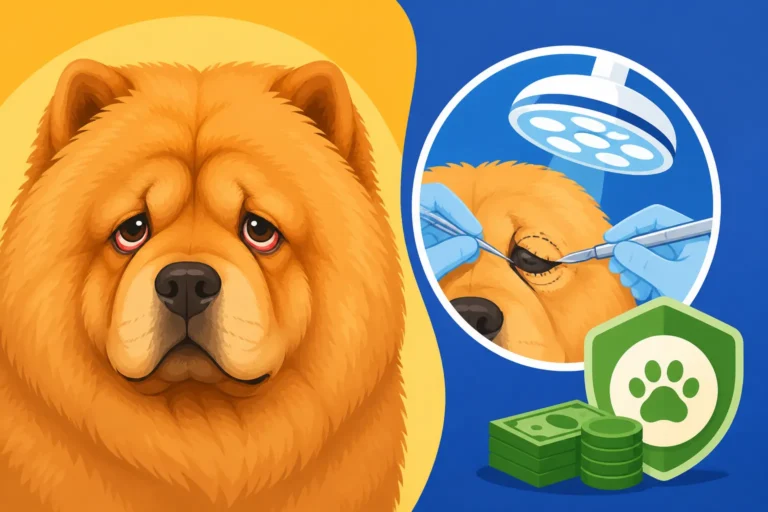
Pet insurance can be a real lifesaver when unexpected veterinary bills hit, and it’s something every Chow Chow owner should consider, especially given the breed's predispositions to conditions like hypothyroidism, Entropion Is the Chow Chow's Signature Problem, and Elbow Dysplasia Ranks the Chow Chow Near the Top. When it comes to thyroid panels and subsequent treatment, pet insurance policies vary widely. Generally, if your Chow Chow is diagnosed with hypothyroidism after you've enrolled them in an insurance plan and passed any waiting periods, the costs for diagnostic testing and medication are often covered, subject to your deductible and reimbursement rate.
However, a crucial point to understand is the concept of "pre-existing conditions." If your Chow Chow showed signs of hypothyroidism or was diagnosed with it before you obtained insurance, or during the waiting period, the condition would likely be considered pre-existing and therefore excluded from coverage. This is why it’s always best to get pet insurance as early as possible in your Chow Chow's life, ideally when they are a puppy. Companies like Healthy Paws offer various plans, and it’s always wise to get quotes and carefully review their policy details regarding chronic conditions and diagnostic testing before committing. Don't assume anything; read the fine print and ask specific questions about chronic conditions if you are concerned. You may also want to compare with What Pet Insurance Costs on a Chow Chow at Eight to see how premiums change.
Preventive Care and Ongoing Management
Even if pet insurance isn't an option or doesn't cover everything, incorporating preventive care into your budget is paramount for your Chow Chow's long-term health. Regular wellness exams, which include a thorough physical check-up, are critical for early detection of any health issues, including subtle signs of a sluggish thyroid. Your vet might suggest routine bloodwork as part of an annual check-up, especially for older Chows, or if they notice anything concerning during their physical exam. These routine screenings can sometimes catch issues before they become full-blown problems, potentially saving you from more extensive and costly diagnostic tests later on. How Often a Chow Chow Needs a Wellness Exam is an important consideration for ongoing care.
If your Chow Chow is diagnosed with hypothyroidism, ongoing management will involve daily medication. The cost of this medication can vary based on the specific type, dosage, and whether you purchase it from your vet or through an online pharmacy. Many pet owners find that ordering prescription medications through reputable online retailers like Chewy can sometimes be more cost-effective. For some Chows, dietary considerations may also come into play, and services like Ollie, which provides fresh, custom-portioned dog food, might be an option to discuss with your vet, especially if a specific nutrient profile is recommended to support overall health alongside medication. Budgeting for these recurring medication costs is essential, as hypothyroidism is typically a lifelong condition requiring consistent treatment.
| Thyroid Panel Component | What it Measures | Why it's Important for Chow Chows |
|---|---|---|
| Total T4 (TT4) | Total thyroxine (bound and free) | Initial screening, can be influenced by non-thyroid illnesses. |
| Free T4 (FT4) | Biologically active, unbound thyroxine | More accurate indicator of thyroid function, less affected by other factors. |
| Canine TSH (cTSH) | Pituitary hormone stimulating thyroid | High levels indicate a struggling thyroid (primary hypothyroidism). |
| Thyroglobulin Autoantibodies (TgAA) | Antibodies attacking thyroid gland | Confirms autoimmune thyroiditis, common in Chows, even with normal T4/TSH initially. |
| Total T3 (TT3) | Total triiodothyronine (bound and free) | Provides additional context, less primary for diagnosis. |
| Free T3 (FT3) | Biologically active, unbound triiodothyronine | Additional context, less primary for diagnosis. |
Ultimately, while the cost of a thyroid panel for your Chow Chow can vary, it’s an invaluable investment in their health and well-being. Early diagnosis and consistent management of hypothyroidism can significantly improve their quality of life, allowing your fluffy companion to enjoy many more comfortable years by your side. Being prepared and informed about these potential expenses is a crucial part of responsible Chow Chow ownership.
Disclaimer
This article is for general informational purposes only and does not constitute professional advice. Laws, prices and regulations vary by location and change over time. Consult a qualified professional for guidance on your specific situation.