States That Bar Insurers From Refusing a Chow Chow
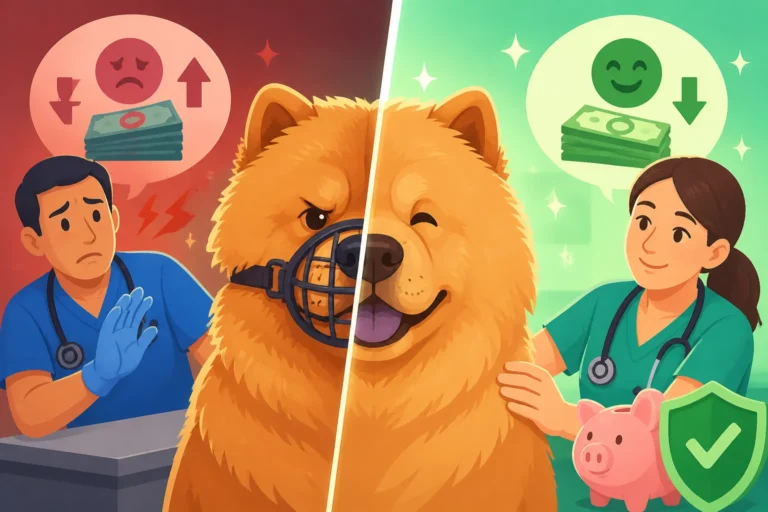
One of the most frustrating aspects of owning certain dog breeds, including our beloved Chow Chows, is encountering breed discrimination when it comes to insurance. Many loving and responsible owners face higher premiums, policy denials, or even cancellations, simply because of their dog's breed, not its actual behavior. This guide is here to shed light on how this happens and, more importantly, to explore the landscape of states that are actively working to prevent insurers from making these unfair distinctions.
The Unseen Burden: Breed-Specific Insurance Discrimination
It feels deeply unfair, doesn't it? You’ve done your research, you’ve trained your Chow Chow, and you know your furry friend is a well-behaved member of the family. Yet, when it comes to something as essential as homeowners or renters insurance, you hit a wall. Suddenly, your dog's breed becomes a liability, and you're treated differently, even if your Chow Chow has never so much as barked at a stranger in an inappropriate way. This isn't just an inconvenience; it can be a significant financial and emotional burden.
What Is Breed-Specific Legislation BSL and How Does It Connect to Insurance?
Breed-Specific Legislation (BSL) refers to laws that ban or restrict certain dog breeds, often based on assumptions about their inherent dangerousness rather than individual behavior. While BSL typically originates at the municipal or county level, targeting breeds like pit bulls, Rottweilers, and sometimes even Chow Chows, its ripple effect extends far into the insurance industry. Insurers, always assessing risk, often look to these local ordinances or their own internal actuarial data, which may unfortunately lump entire breeds into a "high-risk" category.
The problem here is that insurance companies aren't always evaluating your individual dog. They're looking at statistics and perceptions, which can be heavily skewed by media portrayal or past incidents involving other dogs of the same breed. For a Chow Chow owner, this means your calm, well-socialized companion can be branded a danger simply because of its genetics. You might feel like you're constantly having to prove your dog's innocence, and it’s an exhausting battle for something that shouldn't even be an issue. It forces dedicated owners to scramble, searching for policies that don't penalize them for their choice of companion. You might be surprised to learn that Insuring a Chow Chow When Carriers Say No is a very real challenge for many.
Why Do Insurers Discriminate Against Certain Breeds?
From an insurer's perspective, it boils down to perceived risk. They calculate the likelihood of a claim being filed due to a dog bite or other dog-related incident. When certain breeds are disproportionately represented in bite statistics, or if there's widespread public fear surrounding them, insurers may categorize them as higher risk. This isn't always fair, of course, because these statistics often fail to account for factors like irresponsible ownership, lack of socialization, or even misidentification of breeds.
For Chow Chows, part of the challenge stems from their powerful build, dense coat, and sometimes aloof nature. Their reserved demeanor can be misinterpreted as aggression, and their deep-set eyes, which can limit peripheral vision, can cause them to startle more easily, leading to defensive reactions if not properly socialized. This combination, however, does not make every Chow Chow inherently dangerous, and most owners know their dogs are gentle giants to their chosen family. Yet, the insurance industry often uses a broad brush, painting all dogs of a certain breed with the same stroke, regardless of their individual temperament or training. This means What a Chow Chow Adds to a Homeowners Premium can be significant, if coverage is even offered.
The Welcome Mat: States That Prohibit Breed-Specific Insurance Discrimination
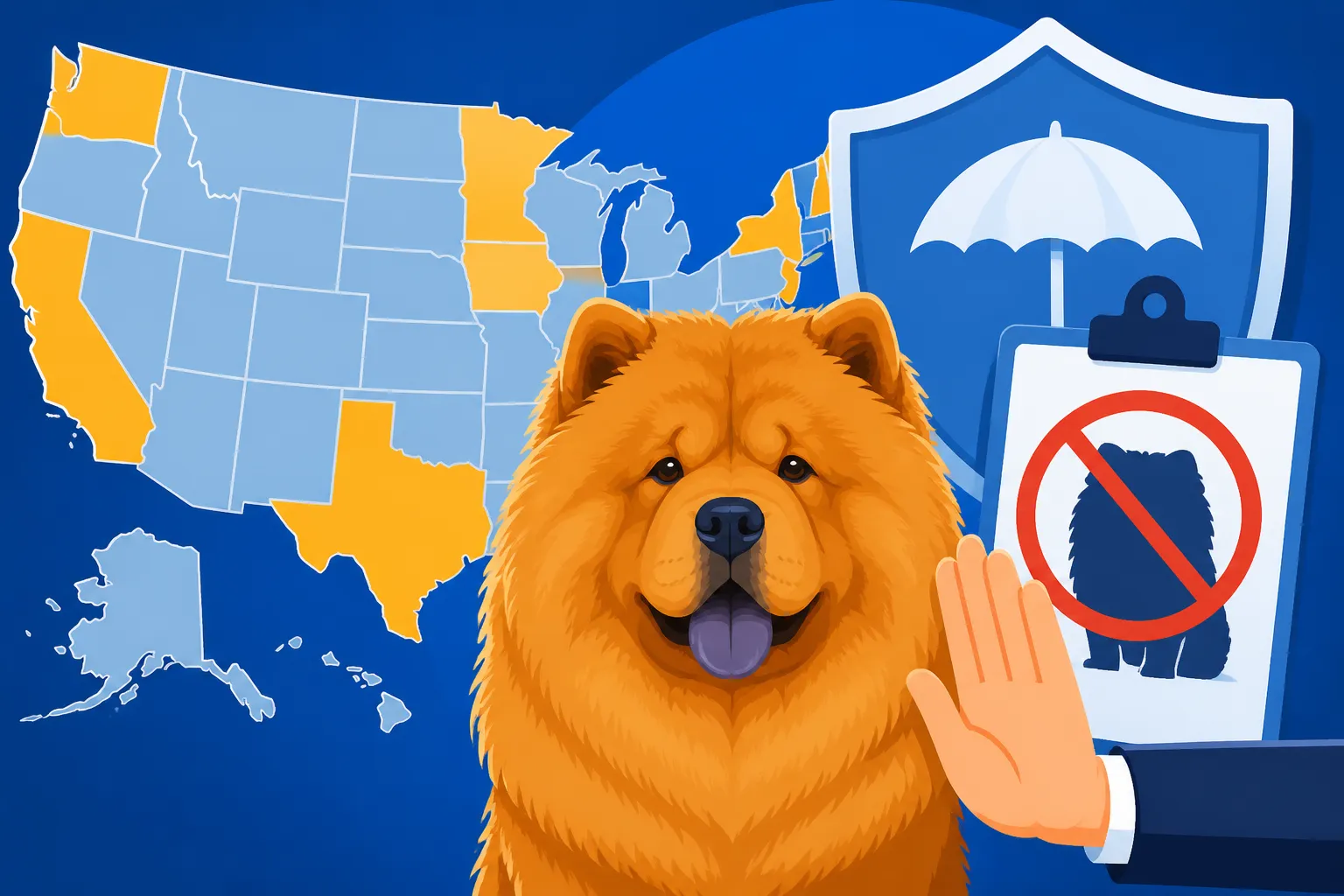
The good news for Chow Chow owners is that not all states tolerate this kind of breed-based discrimination from insurance companies. A growing number of progressive states have recognized the unfairness of these blanket policies and have enacted laws to prohibit insurers from denying or charging higher premiums based solely on a dog's breed. These laws are a huge win for responsible pet owners, as they shift the focus from a dog's lineage to its actual behavior and history.
How "All Breeds Welcome" Laws Function
These laws typically state that an insurance company cannot refuse to issue, cancel, or increase the premium of a homeowners or renters insurance policy based solely on the breed of dog owned by the applicant or policyholder. Instead, insurers are generally required to base their decisions on the individual dog's history, such as whether it has a documented bite history or a record of dangerous behavior. This makes so much more sense, right? It respects the fact that every dog is an individual, and a Chow Chow that has successfully completed obedience training and lives peacefully within its family is a very different risk than one with a history of aggression.
For example, in a state with such a law, an insurance company could not automatically deny coverage to a family simply because they own a Chow Chow. However, if that specific Chow Chow had, for instance, a documented history of biting someone, then the insurer would be justified in adjusting the policy or even denying coverage, based on the dog's actions, not its breed. This distinction is crucial and offers a layer of protection for owners of breeds often unfairly targeted. When you're looking for new coverage, it's wise to specifically ask agents about their company's stance on breed restrictions and if they operate in states with these protective laws.
The Impact of Anti-Discrimination Laws on Chow Chow Owners
These laws are truly game-changers. For Chow Chow owners, they mean you might not have to jump through nearly as many hoops to secure adequate insurance for your home. It can lead to more affordable premiums and a wider array of choices, rather than being stuck with limited, expensive options. Imagine the relief of not having to choose between your beloved dog and affordable housing because Whether a Landlord Can Refuse a Chow Chow or an insurer denies you.
Moreover, these laws send a powerful message: dogs should be judged by their deeds, not their breed. This helps to combat the negative stereotypes that often plague breeds like the Chow Chow. It supports responsible ownership by rewarding those who train and care for their dogs properly, rather than penalizing them based on outdated prejudices. It encourages a more nuanced understanding of canine behavior across the board.
Here's a simplified look at how different regulatory environments approach dog breed and insurance:
| Category | Insurer's Approach | Impact on Owners of Restricted Breeds (e.g., Chow Chow) |
|---|---|---|
| No Breed-Specific Laws | Insurers can deny or raise rates based on breed. | Limited options, higher premiums, potential denials. |
| Laws Prohibiting Discrimination | Insurers cannot deny or raise rates based solely on breed; must consider individual history. | More options, fairer premiums, focus on individual dog. |
| Breed-Specific Legislation (BSL) at local level | May influence insurer perception; local bans can affect policy eligibility. | Increased scrutiny, possible denial if dog is banned in area. |
Navigating the Insurance Maze with Your Chow Chow
Even if you live in a state that has laws protecting against breed-specific insurance discrimination, it's still smart to be proactive. The insurance landscape can be tricky, and not all agents or companies are equally informed or flexible. It's about being your own best advocate and knowing what questions to ask to ensure your Chow Chow isn't unfairly penalized.
Researching Your State's Regulations
The first step is always to understand the laws in your specific state. A quick search of your state's Department of Insurance website can often provide valuable information. Look for consumer guides or legislative updates regarding homeowners or renters insurance and breed restrictions. Knowing your rights empowers you to challenge unfair denials or rates. This can save you from unnecessary stress and expense, preventing scenarios where What a Chow Chow Costs Over Its Lifetime becomes inflated due to insurance woes.
If your state does have protective laws, make sure your insurance agent is aware of them and is applying them correctly. Sometimes, an agent might be operating with outdated information or simply isn't specialized enough in pet-related policies. Don't be afraid to politely educate them or seek out another agent who is more knowledgeable and understanding of these nuances.
Shopping for a Pet-Friendly Policy
When you’re actively shopping for homeowners or renters insurance, be upfront about owning a Chow Chow. Ask directly about their breed policies. Some companies have more progressive stances, even in states without explicit anti-discrimination laws. It pays to shop around and get multiple quotes. Don't just settle for the first quote you receive.
Look for companies that focus on individual dog assessments rather than blanket breed bans. Some insurers might require a letter from your veterinarian vouching for your dog's temperament, proof of obedience training, or documentation of good behavior. These are reasonable requests that demonstrate your Chow Chow is a well-managed pet, not a perceived menace. While you're researching policies, don't forget pet-specific health insurance like Healthy Paws, which can help with vet bills from unexpected illnesses or accidents, separate from your home insurance liability. This can be especially helpful for covering things like Whether Insurance Covers a Chow Chow's Autoimmune Disease or unexpected injuries.
The Value of Responsible Ownership and Training
Ultimately, the best defense against any form of discrimination is responsible ownership. A well-trained and socialized Chow Chow is not only a joy to live with but also a strong argument against baseless fears. Early socialization is paramount for Chow Chows, helping them adapt to various sights, sounds, and people. A solid foundation in obedience training, even basic commands, can make a huge difference in how your dog interacts with the world and how it's perceived by others. You might want to consider Whether a Chow Chow Needs a Professional Trainer Early to get that strong foundation.
Maintaining good records of your Chow Chow's vet visits, vaccinations, and any professional training classes can also be beneficial. This documentation can serve as evidence of your dog's health and good behavior if an insurer ever questions their risk profile. For everyday needs, from training treats to grooming supplies, sites like Chewy are invaluable for stocking up, ensuring your Chow Chow is well-cared for. A happy, healthy Chow Chow is less likely to have behavioral issues that could lead to insurance claims.
Specialized Pet Liability Insurance
If, despite your best efforts, you find it challenging to get standard homeowners or renters insurance, or if you simply want an extra layer of protection, consider looking into specialized pet liability insurance. These policies are designed specifically to cover damages or injuries caused by your pet, often regardless of breed. They can act as a standalone policy or supplement your existing home insurance. This can be a smart move, especially if you live in an area with less favorable insurance laws, giving you peace of mind.
Remember, every Chow Chow deserves to be judged as an individual, and the fight against breed discrimination in insurance is an important one. By staying informed, advocating for your dog, and choosing the right policies, you can ensure your Chow Chow enjoys a secure and well-covered life. And sometimes, a high-quality, specialized diet can make a huge difference in managing weight or sensitive stomachs, with brands like Ollie offering tailored meal plans that contribute to overall health and well-being.
Disclaimer
This article is for general informational purposes only and does not constitute professional advice. Laws, prices and regulations vary by location and change over time. Consult a qualified professional for guidance on your specific situation.