Patellar Luxation in a Chow Chow
There's nothing quite as heart-wrenching as seeing your beloved Chow Chow take an odd hop, skip a beat, or suddenly favor a leg. These majestic, often stoic dogs can be masters at hiding discomfort, leaving you worried and wondering if that strange gait is just a quirk or something more serious. If you've noticed a sudden lameness or an intermittent "skipping" motion in your Chow Chow's hind leg, you might be dealing with patellar luxation, a common orthopedic condition that this comprehensive guide will help you understand and manage.
Understanding Patellar Luxation in Chow Chows
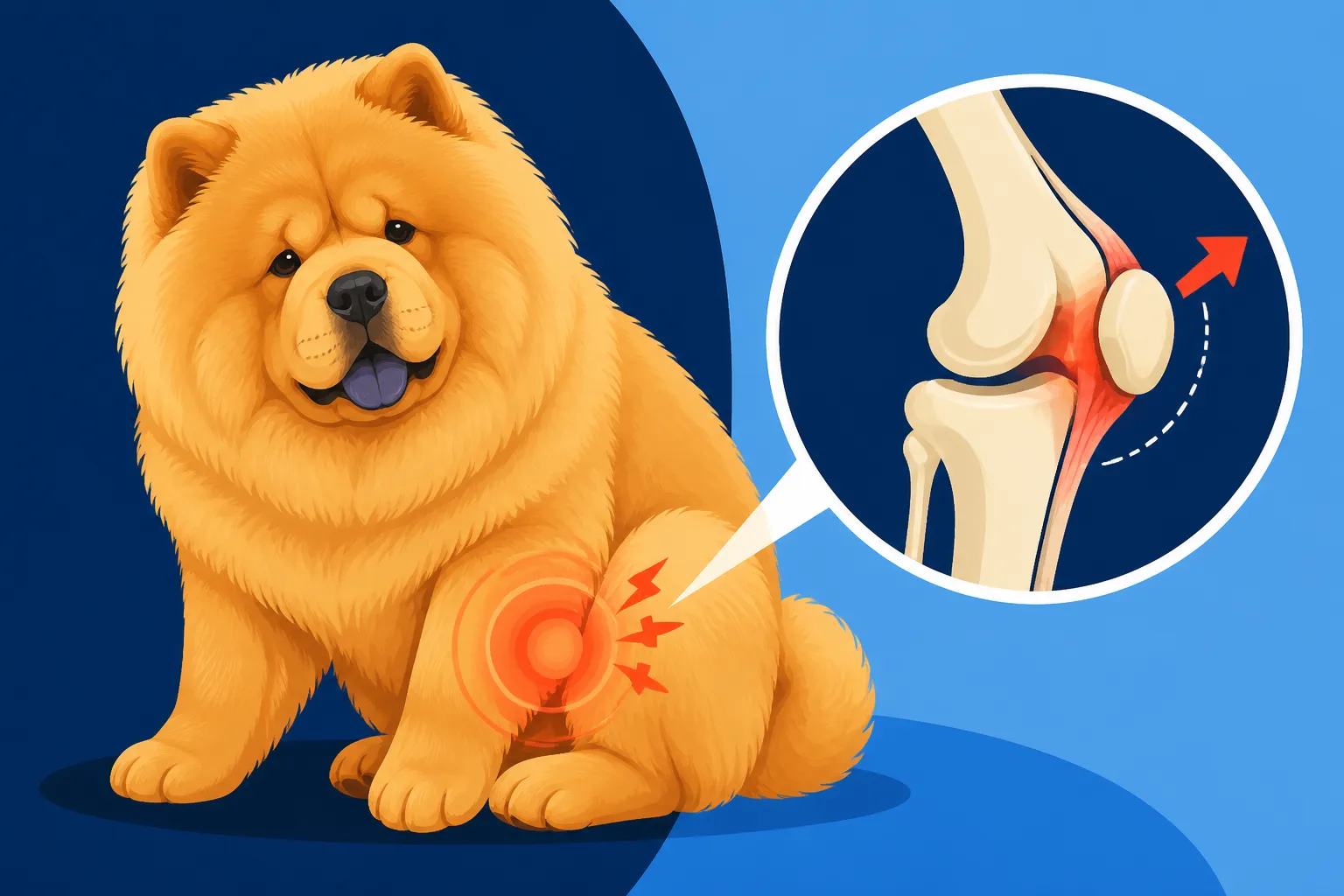
Patellar luxation, often referred to as a "slipped kneecap," is a condition where the patella (kneecap) dislocates or moves out of its normal groove in the femur (thigh bone). In dogs, this usually occurs when the kneecap slips to the inside (medial luxation) or, less commonly, to the outside (lateral luxation) of the thigh bone. While it can affect any dog breed, smaller breeds are more prone to medial luxation, and certain larger breeds, including Chow Chows, can also be predisposed due to their unique conformation.
The Mechanics of a Slipped Kneecap
Imagine your Chow Chow's kneecap as a small, almond-shaped bone that sits in a specially designed groove at the end of the femur, known as the trochlear groove. This kneecap is part of the stifle (knee) joint and acts like a pulley, allowing the quadriceps muscles to straighten the leg efficiently. Ligaments hold the patella in place, ensuring it glides smoothly within its groove as the leg bends and extends.
In patellar luxation, several factors can contribute to the kneecap slipping out. Often, the trochlear groove is too shallow, or the alignment of the leg bones – the femur and tibia – is incorrect. For Chow Chows, their unique rear leg conformation, specifically their relatively straight rear leg, can sometimes contribute to altered biomechanics of the stifle joint, making them more susceptible to this condition. When the patella slips out, it causes the leg to temporarily lock up or become unstable, leading to that characteristic skip or lameness you might observe. The severity of the luxation can vary greatly, from occasional slips that self-correct to persistent dislocations that require surgical intervention.
Grading the Severity of Patellar Luxation
Veterinarians classify patellar luxation into four grades, from I to IV, based on the severity of the dislocation and how easily the kneecap can be manipulated back into place. Understanding these grades is crucial for determining the best course of action for your Chow Chow.
- Grade I: This is the mildest form. The patella can be manually luxated (pushed out of the groove) but easily pops back into place on its own. Your Chow Chow might show almost no symptoms, or perhaps just an occasional skip when running or playing. It's often an incidental finding during a routine vet check-up.
- Grade II: The patella luxates more frequently and sometimes remains out of place for longer periods, but can still be manually reduced or will pop back in spontaneously as the dog extends its knee. You'll likely notice more consistent skipping, reluctance to put full weight on the affected leg, or intermittent lameness. This is often the point where owners start to notice something is truly amiss with their dog's gait.
- Grade III: In this grade, the patella is luxated most of the time. While it can still be manually put back into the groove, it will quickly pop out again when released. Dogs with Grade III luxation often carry the affected leg or walk with a persistent crouch in their rear limbs. The limb alignment can also start to show more obvious deformities.
- Grade IV: This is the most severe form. The patella is permanently luxated and cannot be manually returned to its proper position within the trochlear groove. Dogs with Grade IV patellar luxation typically have severe lameness, an abnormal crouched stance, and significant deformity of the leg. Their mobility is severely compromised, and surgery is almost always recommended to improve their quality of life.
It's important to remember that these grades aren't static; a Grade I luxation can progress to a higher grade over time, especially if left unaddressed or if the dog engages in high-impact activities. Regular veterinary check-ups and prompt attention to any changes in gait are key.
Recognizing the Signs and Symptoms
Chow Chows are known for their somewhat aloof nature and can be incredibly stoic when it comes to pain. This means that a subtle limp or an occasional skip might be the only initial indicators of patellar luxation, making it challenging for even the most observant owner to catch early. Learning to recognize these nuanced signs is paramount to ensuring your furry companion gets the timely care they need.
The Characteristic "Skip" and Other Gait Changes
The most classic sign of patellar luxation is an intermittent "skip" or "hop" in your Chow Chow's stride. You might observe them running or walking, then suddenly pick up one hind leg for a few steps, often shaking it, before putting it back down and continuing as if nothing happened. This happens when the kneecap slips out of its groove, causing a momentary inability to bear weight on that leg. Once the kneecap pops back in, the dog can use the leg normally again.
Beyond the obvious skip, watch for other changes in how your Chow Chow moves. They might start to "bunny hop" when running, using both hind legs together, especially if both kneecaps are affected. You might notice them favoring one leg slightly, or a general reluctance to engage in activities they once enjoyed, like jumping onto the couch or climbing stairs. Their typical Why a Chow Chow Moves With a Stilted Gait might make it harder to spot a subtle skip, so paying close attention during walks and playtime is crucial.
Behavioral Cues and Pain Indicators
Because Chow Chows can be quite adept at masking pain, you'll need to look beyond obvious limping for more subtle behavioral changes. A dog in discomfort might become more withdrawn or irritable. If your Chow Chow, usually a creature of habit, suddenly avoids physical interaction or becomes less tolerant of being touched, especially around their hindquarters, it could be a sign of pain.
Watch for specific indicators related to their legs. They might chew or lick excessively at their knee area, trying to soothe discomfort. When rising from a resting position, they may appear stiff or have difficulty getting up, particularly after a long nap. A tell-tale sign is reluctance to extend their leg fully or exhibiting pain when you gently try to manipulate their knee joint. Understanding How a Chow Chow Hides Pain is vital, as their seemingly stoic demeanor can delay recognition of serious issues. If you notice any of these signs, even if they're fleeting, a vet visit is absolutely warranted.
| Grade | Patellar Position | Symptoms Observed | Treatment Options |
|---|---|---|---|
| I | Easily luxated, self-corrects | Occasional skip, minimal pain, often asymptomatic | Conservative management, monitoring |
| II | Luxates frequently, some manual reduction | Intermittent lameness, more frequent skips, mild pain | Conservative management, potential surgery if worsening |
| III | Luxated most of the time, easily reduced but re-luxates | Persistent lameness, crouched stance, moderate pain | Surgery typically recommended |
| IV | Permanently luxated, non-reducible | Severe lameness, significant deformity, severe pain | Surgery almost always required, complex procedures |
Diagnosing and Treating Patellar Luxation
If you suspect your Chow Chow might have patellar luxation, the next step is a visit to your veterinarian. Early and accurate diagnosis is key to developing an effective treatment plan and preventing further complications, such as the development of arthritis in the affected joint down the line.
The Veterinary Examination and Imaging
When you bring your Chow Chow in, your vet will perform a thorough physical examination, focusing on their musculoskeletal system. This includes observing their gait, palpating their stifle joints, and manipulating the patella to check for luxation. During this process, they'll assess how easily the kneecap can be moved out of its groove, whether it stays out, and if it causes pain. Your vet might be able to confirm a luxation right on the exam table by feeling the patella slip.
To get a clearer picture of the joint's overall health and to rule out other conditions, X-rays will often be recommended. While X-rays don't directly show the kneecap moving, they can reveal abnormalities in the trochlear groove, any deformities of the femur or tibia, and signs of existing arthritis. Sometimes, because Chow Chows can be quite uncooperative during examinations due to their reserved nature or discomfort, mild sedation might be necessary to get accurate X-rays or a thorough physical assessment. This also helps in checking for other concurrent conditions like Hip Dysplasia in a Chow Chow, which can sometimes present with similar hind leg lameness.
Conservative Management vs. Surgical Intervention
The treatment approach for patellar luxation depends heavily on the grade of luxation, the severity of your Chow Chow's symptoms, their age, and their overall health.
-
Conservative Management (Non-Surgical): For Grade I or mild Grade II luxations that cause minimal or no discomfort, conservative management might be the initial recommendation. This primarily focuses on reducing strain on the knee joint and managing pain. Key components include:
- Weight Management: Keeping your Chow Chow at a healthy, lean weight is crucial. Excess weight puts significant stress on all joints, exacerbating luxation and accelerating arthritis. This ties directly into the advice on Keeping a Chow Chow at the Weight Its Elbows Can Carry, emphasizing the importance of a lean physique for joint health.
- Controlled Exercise: Low-impact activities are encouraged, such as regular, moderate walks on soft surfaces. High-impact activities like jumping, quick stops and starts, or running on slippery floors should be avoided. If your Chow Chow puppy is diagnosed with a mild luxation, it's wise to limit activities like climbing stairs excessively until When a Chow Chow's Growth Plates Close to prevent further strain on developing joints.
- Joint Supplements: Glucosamine, chondroitin, and omega-3 fatty acids can help support cartilage health and reduce inflammation. Your vet can recommend appropriate dosages and formulations.
- Anti-inflammatory Medications: For episodes of pain or inflammation, your vet may prescribe non-steroidal anti-inflammatory drugs (NSAIDs) to provide relief.
-
Surgical Intervention: For Grade II luxations that cause consistent pain, Grade III, or Grade IV luxations, surgery is usually the most effective long-term solution. The goal of surgery is to realign the patella and deepen the trochlear groove so the kneecap tracks properly. Common surgical procedures include:
- Trochleoplasty (Deepening the Trochlear Groove): This involves surgically deepening the groove in the femur where the kneecap sits, creating a more secure channel.
- Tibial Crest Transposition: The tibial crest, a bony prominence where the patellar ligament attaches on the tibia, is cut and reattached in a new position to correct the alignment of the quadriceps mechanism.
- Lateral Imbrication: Tightening the joint capsule on the outside of the knee to help pull the patella back into place.
- Femoral Osteotomy: In severe cases with significant bone deformity, a surgeon might need to cut and realign the femur itself, a more complex procedure.
The specific technique or combination of techniques chosen will depend on your Chow Chow's individual anatomy and the nature of their luxation. Recovery from surgery typically involves a period of restricted activity, pain medication, and often physical therapy. The cost of such surgeries can be substantial, often ranging from $1,500 to $4,000 per knee or even more, which is a significant factor for many owners. This is where comprehensive pet insurance like Healthy Paws can truly be a lifesaver, helping to cover a substantial portion of these unexpected veterinary expenses, giving you peace of mind during a stressful time.
Living with Patellar Luxation
Whether your Chow Chow undergoes surgery or manages their patellar luxation conservatively, long-term care and lifestyle adjustments are essential for their comfort and quality of life. It’s about creating an environment that supports their joint health and minimizes the risk of re-injury or progression of the condition.
Post-Surgery Recovery and Rehabilitation
If your Chow Chow has surgery, the recovery period is critical and requires patience and dedication. Immediately after surgery, your vet will provide detailed instructions on pain management, wound care, and activity restrictions. This typically involves several weeks of strict crate rest or very limited leash walks to allow the surgical site to heal. It’s a challenging time, as active dogs will want to move, but adherence to these restrictions is vital for a successful outcome.
Physical rehabilitation often follows the initial healing phase. This can include a variety of exercises designed to improve range of motion, strengthen muscles around the knee, and restore normal gait. Hydrotherapy (underwater treadmill) is often a fantastic low-impact option that builds muscle without stressing the recovering joint. A certified canine rehabilitation therapist can guide you through specific exercises, ensuring your Chow Chow recovers safely and effectively. Keep in mind that rehabilitation, much like the surgery itself, can incur additional costs, which again highlights the value of pet insurance like Healthy Paws in making these crucial treatments more accessible.
Long-Term Management and Lifestyle Adjustments
Even after successful surgery or with conservative management, patellar luxation often requires lifelong attention to prevent complications like arthritis or re-luxation.
- Maintain Ideal Weight: As mentioned earlier, this cannot be stressed enough. A healthy weight is the cornerstone of joint health for any dog, but especially for a Chow Chow with a history of patellar luxation. Regularly assess your dog's body condition and adjust their diet as needed.
- Controlled Exercise: Continue with a regimen of moderate, consistent exercise that avoids high-impact stress on the knees. Short, frequent walks are better than long, strenuous ones. Avoid activities that involve sharp turns, jumping, or sudden stops. Think about How a Chow Chow's Gait Wears Its Joints over time, and aim for smooth, controlled movements.
- Joint Support: Many vets recommend ongoing joint supplements. These can include formulations with glucosamine, chondroitin, MSM, and omega-3 fatty acids, all aimed at supporting cartilage and reducing inflammation.
- Environmental Modifications: Make your home dog-friendly. Use ramps instead of stairs if your Chow Chow struggles with Whether a Chow Chow Puppy Should Climb Stairs, and place non-slip rugs on slick floors to prevent slips and falls that could re-injure the knee. A comfortable orthopedic bed can also provide extra support for aging joints.
- Regular Veterinary Check-ups: Schedule routine follow-up appointments with your vet to monitor the knee joint, check for signs of arthritis, and adjust the management plan as needed. Early detection of any issues can prevent them from escalating. While The Age a Chow Chow Gets Arthritis varies, a history of patellar luxation can accelerate its onset, making vigilant monitoring even more important.
The Role of Pet Insurance in Managing Costs
Caring for a Chow Chow with patellar luxation can be a significant financial undertaking. The diagnostic tests, specialist consultations, potential surgery, medications, and ongoing rehabilitation costs can quickly add up. For many owners, the financial strain can be as stressful as the concern for their dog's health.
This is where investing in pet insurance, such as a plan from Healthy Paws, can make a profound difference. Policies designed to cover accidents and illnesses can help reimburse a large portion of these veterinary expenses, significantly reducing your out-of-pocket costs. Having a good insurance plan in place means you can make decisions about your Chow Chow's care based on what’s best for their health, rather than being limited by financial constraints. It offers invaluable peace of mind, knowing that if a major health issue like patellar luxation arises, you're better prepared for the financial implications. Consider looking into pet insurance when your Chow Chow is young, before any pre-existing conditions develop, to ensure the broadest coverage possible.
Disclaimer
The information provided in this article is for general informational purposes only and is not a substitute for professional veterinary advice. Always consult with a qualified veterinarian for any health concerns or before making any decisions related to your Chow Chow's medical care.