Signs a Chow Chow Has Glaucoma
It's absolutely heartbreaking to see your beloved Chow Chow suffer, and few things strike fear into a Chow owner's heart like sudden eye issues. Their deep-set eyes, while beautiful, are unfortunately prone to several significant problems, and glaucoma is one of the most devastating. This guide is here to walk you through the subtle and not-so-subtle signs that your Chow Chow might be grappling with glaucoma, helping you recognize the red flags before this aggressive disease steals their sight.
Understanding Glaucoma in Chow Chows
Glaucoma is a serious eye condition characterized by increased pressure within the eye, known as intraocular pressure (IOP). This elevated pressure damages the optic nerve, which transmits visual information from the eye to the brain. If left untreated, the damage to the optic nerve becomes permanent, leading to irreversible vision loss and, tragically, blindness. For Chow Chows, recognizing the signs early isn't just important; it's often the only chance to preserve their precious eyesight.
Why Chow Chows Are Prone to Glaucoma
Our Chows are undeniably special, but their unique anatomy, particularly in their eyes, comes with some predispositions to certain health challenges. When it comes to glaucoma, Chow Chows are unfortunately considered a high-risk breed, primarily due to their ocular structure. Specifically, they are prone to what’s known as primary closed-angle glaucoma. This isn't just a random occurrence; it's deeply rooted in their genetics.
The issue stems from a structural anomaly in the drainage angle of the eye. Imagine the eye as a complex system that constantly produces a fluid called aqueous humor. This fluid needs to drain out at a steady rate to maintain a healthy internal pressure. In many Chow Chows, the drainage angle, which is essentially the natural pathway for this fluid to exit, is significantly narrower than in other breeds. This anatomical quirk means that the fluid can't escape as efficiently as it should. Over time, or sometimes very suddenly, this narrow angle can become completely blocked, leading to a rapid and dramatic increase in eye pressure. This specific predisposition is a major reason why Why a Chow Chow's Drainage Angle Is Narrow is such a crucial topic for any Chow owner to understand. It’s not about poor breeding in many cases, but rather a breed-specific characteristic that requires vigilance.
The Urgency of Glaucoma Diagnosis
When we talk about glaucoma in Chow Chows, "urgency" is not an exaggeration. Unlike some chronic conditions that progress slowly, glaucoma can strike with alarming speed, transforming a healthy eye into a blind one in a matter of days, or even hours, if the pressure rises dramatically. This rapid onset is what makes it such a terrifying prospect for Chow owners. One day your Chow is seeing perfectly fine, and the next, they're bumping into furniture and showing signs of extreme pain.
The reason for this devastating speed lies in the delicate nature of the optic nerve. This nerve is extremely sensitive to pressure. When the intraocular pressure spikes, it compresses the optic nerve, restricting blood flow and causing irreversible damage to the nerve fibers. Think of it like a hose being squeezed shut – the water flow stops, and if it stays squeezed for too long, the hose itself gets damaged. The higher the pressure and the longer it persists, the more extensive and permanent the damage. This is why understanding How Fast Glaucoma Blinds a Chow Chow is essential for every owner; it truly is an emergency that demands immediate veterinary attention. Delaying even a few hours can mean the difference between saving some vision and losing it entirely.
Early Behavioral Signs You Might Miss
Chow Chows are famously stoic, a trait that makes them both endearing and challenging when it comes to recognizing illness or pain. They aren't prone to whininess or dramatic displays of discomfort. This means that as an owner, you need to become incredibly attuned to subtle shifts in their behavior, especially when it comes to something as painful as glaucoma. Missing these early, quiet cues can cost them their sight.
Subtle Changes in Your Chow's Demeanor
Because Chow Chows are so good at hiding pain, the initial signs of glaucoma often manifest as very slight alterations in their personality or routine. You might notice your usually calm companion becoming a bit more irritable than usual. Perhaps they snap or growl when approached from a certain side, especially if that's the affected eye, or when touched near their head. They might start withdrawing from family interactions, choosing to lie in a quiet, darker corner of the house rather than their usual spot in the living room. This isn't just them being "grumpy"; it could be a desperate attempt to cope with intense head or eye pain.
Think about how much a chronic headache affects your own mood and desire to socialize. Your Chow is likely experiencing something far more severe. They might show a general reluctance to play, even with their favorite toy, or refuse to go on walks they once enjoyed. These changes are easy to dismiss as "just getting older" or "being a Chow," but when combined with other indicators, they're critical clues. It's a testament to How a Chow Chow Hides Pain that we must look beyond obvious limping or yelping for signs of distress.
Head Tilting and Eye Rubbing
Two physical behaviors that often signal eye discomfort, including the early stages of glaucoma, are head tilting and eye rubbing. If you see your Chow Chow repeatedly tilting their head to one side, especially when focusing on something or interacting with you, it could be an unconscious effort to use the "good" eye more effectively or to alleviate pressure on the painful eye. They might also hold their head at an unusual angle, trying to find a position that minimizes the throbbing pain.
Eye rubbing is another common, yet often misinterpreted, sign. A Chow might rub their eye with a paw, or try to rub their face along the carpet or furniture. While this can definitely indicate a simple irritant, like a stray hair or dust, if it's persistent, concentrated on one eye, and accompanied by other changes, it's a major warning sign. This behavior can quickly exacerbate the problem, leading to secondary infections or even corneal ulcers. It’s crucial not to dismiss this as mere itching. Remember that your Chow Chow’s eyes are prone to other issues like entropion, where the eyelid rolls inward, causing constant irritation, so any eye discomfort warrants a closer look to differentiate between these potential problems. This is why understanding Signs a Chow Chow Has Entropion can also be helpful for comparison.
Visible Physical Indicators of Glaucoma
While behavioral changes can be subtle, glaucoma will eventually manifest in more obvious physical alterations to the eye itself. These are the signs that often prompt a panicked call to the vet, and rightly so. Knowing exactly what to look for can save critical time.
The Appearance of the Affected Eye
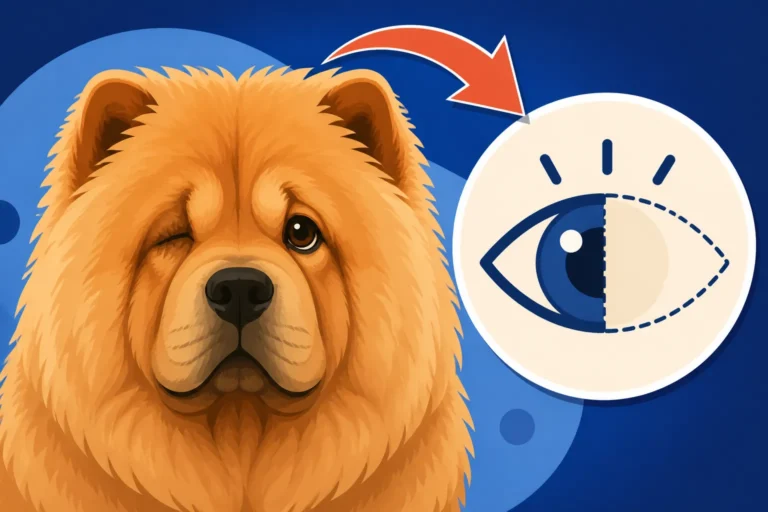
The most telling physical signs of glaucoma appear directly in the eye, particularly when the intraocular pressure (IOP) begins to rise significantly. One of the first things you might notice is a change in the size of the pupil. In a glaucoma-affected eye, the pupil might appear dilated (larger) and unresponsive to light compared to the healthy eye. This is due to the pressure impacting the nerve pathways that control pupil constriction.
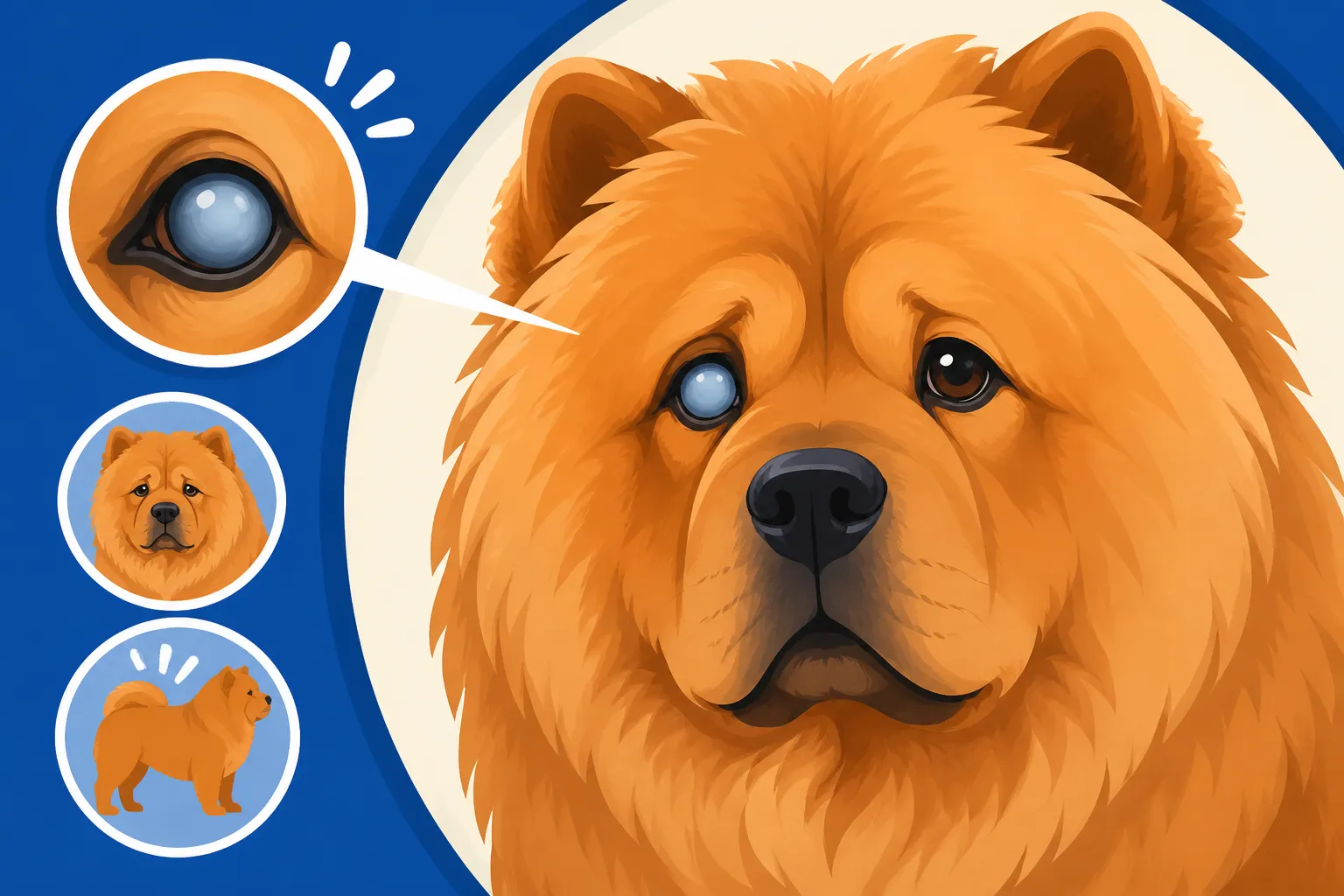
Perhaps even more striking is the cloudiness of the cornea, the clear outer layer of the eye. This cloudiness, called corneal edema, gives the eye a hazy, bluish, or dull appearance. It's caused by fluid accumulation within the cornea due to the increased pressure. The white part of the eye, the sclera, might also become noticeably red and inflamed, a condition known as episcleral injection, indicating significant irritation. In later stages, if the pressure has been high for an extended period, the entire eyeball itself might appear larger, or "bulging" – a condition known as buphthalmia. This irreversible enlargement is a clear sign of chronic, uncontrolled high pressure. If you notice any of these signs, don't wait; it's an emergency. Learning Signs a Chow Chow's Eye Pressure Is Rising is critical, as it truly is a race against time.
Discharge and Tearing
While not always the first or most dramatic sign, changes in eye discharge and tearing can also point towards glaucoma. An eye experiencing pain and inflammation from high pressure might produce excessive tears, a condition called epiphora. This isn't just a watery eye; it can be persistent, leading to tear staining on the fur beneath the eye, which can be particularly noticeable on lighter-colored Chows. These tears are often a reflex response to the discomfort.
In some cases, you might also observe a mucousy or purulent (pus-like) discharge. While this type of discharge is more commonly associated with infections or other inflammatory conditions, it can occur secondarily to glaucoma if the irritation leads to bacterial growth, or if the eye's natural defenses are compromised. Any abnormal or excessive discharge from your Chow Chow’s eyes warrants investigation, but when combined with the other physical changes mentioned, it amplifies the urgency. It's important to differentiate this from the typical eye discharge some Chows might have due to their deep-set eyes, which can trap debris. With glaucoma, the discharge is usually accompanied by other more serious symptoms like pain and cloudiness.
Pain-Related Symptoms and Their Severity
When glaucoma sets in, the pain can be excruciating. Imagine a constant, severe headache localized in one eye, combined with pressure. Our Chows, despite their tough exterior, feel this intensely. Recognizing the signs of this pain is paramount.
Squinting and Light Sensitivity
One of the most immediate and telling indicators that your Chow Chow is experiencing significant eye pain is persistent squinting, also known as blepharospasm. This isn't just a casual blink; it's a tight, forced closure of the eyelids, often accompanied by reluctance to open the eye fully. The squinting is an involuntary response to the intense pressure and discomfort within the eye. It's their natural way of trying to protect the painful eye from external stimuli.
Accompanying the squinting is often pronounced light sensitivity, or photophobia. You might notice your Chow actively seeking out darker areas of the house, shying away from bright lights, or even refusing to go outside on sunny days. This is because light can exacerbate the pain in an already compromised eye. The pupil, being dilated, allows more light in, which can be overwhelming and painful for the damaged retina and optic nerve. Observing these two signs together should trigger an immediate alarm for any Chow owner, signaling severe discomfort and the urgent need for veterinary intervention. They might also appear hesitant to climb stairs or navigate in dim lighting, further indicating vision compromise and pain.
Appetite Loss and Lethargy
Severe pain, regardless of its source, often takes a heavy toll on an animal's overall well-being. Glaucoma is no exception. A Chow Chow experiencing the intense pain of elevated intraocular pressure might completely lose their appetite or show a marked decrease in interest in food. Even their favorite treats might be turned down. This isn't just about pickiness; it's often a direct consequence of feeling unwell and being in constant discomfort.
Furthermore, lethargy and a general lack of energy are common. Your usually active (for a Chow, anyway!) dog might become unusually quiet, sleep more than usual, and show little enthusiasm for walks or playtime. They might appear depressed or withdrawn, spending more time resting or just lying down listlessly. These systemic signs of illness, when combined with the more specific eye-related symptoms, strongly suggest that your Chow Chow is battling a serious and painful condition. Remember, Chows are masters at masking their pain, so when these general signs of discomfort become apparent, it usually means the underlying problem is significant. It’s also crucial to monitor their overall health, as diseases like Autoimmune Disease in a Chow Chow can also impact their general demeanor and appetite, making a veterinary check-up for any changes imperative.
What to Do If You Suspect Glaucoma
Discovering that your Chow Chow might have glaucoma can be incredibly frightening. The immediate next steps you take are critical for their vision and comfort. This is not a situation where you "wait and see."
Immediate Veterinary Action
If you observe any of the signs of glaucoma discussed above, consider it an immediate veterinary emergency. Do not delay. Call your veterinarian or an emergency veterinary clinic right away and explain your concerns. Tell them you suspect glaucoma in your Chow Chow and that you need to be seen as soon as possible. Time is of the essence when it comes to saving vision. The speed at which you act can literally determine whether your Chow maintains some sight or becomes permanently blind in the affected eye.
When you arrive at the clinic, the veterinarian will perform a thorough ophthalmic examination. The most crucial diagnostic tool for glaucoma is a tonometer, a device used to measure the intraocular pressure (IOP) of the eye. This measurement is non-invasive and quick, and it will confirm whether the eye pressure is elevated. They may also use an ophthalmoscope to examine the internal structures of the eye, particularly the optic nerve, to assess for damage. In some cases, if a specialist is available, they might recommend an immediate referral to a veterinary ophthalmologist, especially for ongoing management. This swift action is paramount. Remember that financial preparedness for emergencies is also important, and considering pet insurance like Healthy Paws, which covers accidents and illnesses, can offer peace of mind when facing urgent, expensive treatments. What a Chow Chow's Eye Pressure Check Costs might give you an idea of initial expenses.
Ongoing Management and Support
Once a glaucoma diagnosis is confirmed, treatment will likely begin immediately to reduce the eye pressure. How a Chow Chow's Glaucoma Is Treated often involves a combination of topical eye drops designed to decrease fluid production or increase fluid drainage, and sometimes oral medications. In severe cases, or if medical management isn't sufficient, surgical options might be considered to improve drainage or destroy fluid-producing cells. However, it's important to be realistic: glaucoma in Chows is often difficult to manage long-term, and vision loss can still occur despite aggressive treatment. The goal is often to preserve vision for as long as possible and to manage pain effectively.
If your Chow Chow does lose vision in one or both eyes, rest assured that most dogs adapt remarkably well to blindness. They rely heavily on their other senses – smell and hearing – and can navigate their familiar environment with surprising ease. Your role will involve maintaining a consistent home layout, using vocal cues more often, and ensuring their environment is safe. This might include using scent markers, keeping pathways clear, and avoiding sudden changes. A routine of Whether a Chow Chow Needs a Yearly Eye Exam is vital for prevention and early detection in the healthy eye, as glaucoma often affects both eyes eventually, even if not at the same time. Investing in robust pet insurance like Healthy Paws early on can significantly ease the financial burden of these ongoing treatments and specialist visits, as glaucoma care can be quite expensive over your Chow's lifespan, which typically spans The Eight to Twelve Years a Chow Chow Gets. Preparing yourself for How a Chow Chow Adjusts to One Eye or even complete blindness can help you support them through this challenging journey.
Summary of Glaucoma Signs in Chow Chows
To help you quickly identify potential issues, here's a table summarizing the key signs to watch for:
| Category | Early/Subtle Signs | Advanced/Emergency Signs |
|---|---|---|
| Behavioral Changes | Increased irritability, withdrawal, reluctance to play | Extreme lethargy, loss of appetite, vocalizing pain |
| Head & Eye Movement | Frequent head tilting, mild eye rubbing | Persistent squinting, pawing at the eye |
| Eye Appearance | Slight redness in the whites of the eye, minor discharge | Cloudy/blue cornea, dilated pupil unresponsive to light, red and inflamed eye, visibly enlarged eyeball (buphthalmia) |
| Vision | Bumping into objects on one side, hesitation in dim light | Obvious vision loss, inability to navigate familiar spaces, bumping into walls |
| Pain Level | Reluctance to be touched around the head, subtle discomfort | Severe pain causing withdrawal, aggression, or yelping |
Disclaimer
The information provided in this article is for educational and informational purposes only and does not constitute veterinary advice. Always consult with a qualified veterinarian for any health concerns or before making any decisions related to your pet's medical care.