Whether Entropion Can Blind a Chow Chow
It's an incredibly distressing moment for any Chow Chow owner: you look into those deep-set, soulful eyes, and instead of seeing clarity, you notice redness, discharge, and your beloved companion constantly squinting or rubbing their face. The worry starts to creep in – could this persistent eye irritation, which we often learn is entropion, actually lead to something as devastating as blindness? This guide is here to unravel that fear, explaining exactly how entropion can progress and, more importantly, what steps you can take to protect your Chow Chow's precious sight.
Understanding Entropion and Its Immediate Impact on Vision
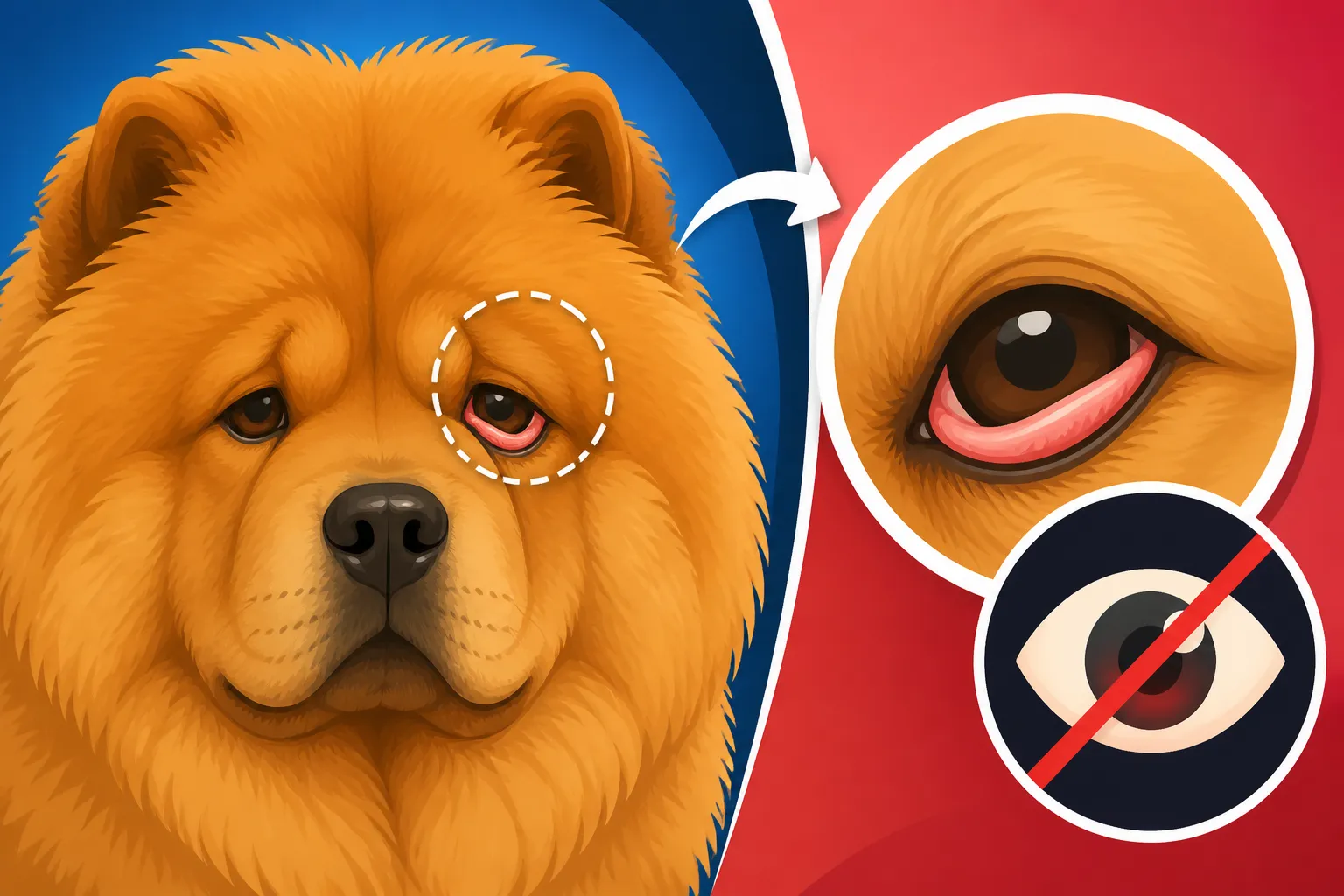
Entropion isn't just a minor cosmetic issue; it's a painful condition where your Chow Chow's eyelid rolls inward, causing the eyelashes and surrounding fur to constantly rub against the sensitive surface of the eyeball. This constant friction is not only excruciatingly uncomfortable, but it's also a direct assault on their vision, starting subtle but with serious implications if left unaddressed.
The Mechanics of Eyelid Rolling and Constant Irritation
Chow Chows are particularly prone to entropion due to a combination of their unique facial structure, including their deep-set eyes, broad skulls, and sometimes the way their abundant facial folds push the eyelid inward. Imagine having tiny, stiff hairs perpetually scratching your cornea – that's what your Chow Chow experiences every waking moment. This constant mechanical irritation doesn't just feel bad; it triggers a cascade of physical responses. The eye tries to protect itself by producing excessive tears, leading to a watery discharge, and the surrounding tissues become inflamed and swollen.
At this initial stage, your dog's vision might not be completely gone, but it's certainly compromised. The pain causes them to squint, effectively narrowing their field of vision. The excessive tearing and inflammation can create a cloudy film over the eye, making it harder for light to enter and for your dog to perceive their surroundings clearly. It's like trying to see through a constantly weeping, irritated lens. This persistent discomfort can also impact their behavior, making them more withdrawn or irritable because they're constantly in pain. You might notice them bumping into things they usually navigate with ease, especially in low light or unfamiliar environments, simply because their vision is already hindered by the discomfort.
Early Signs of Vision Impairment Beyond Squinting
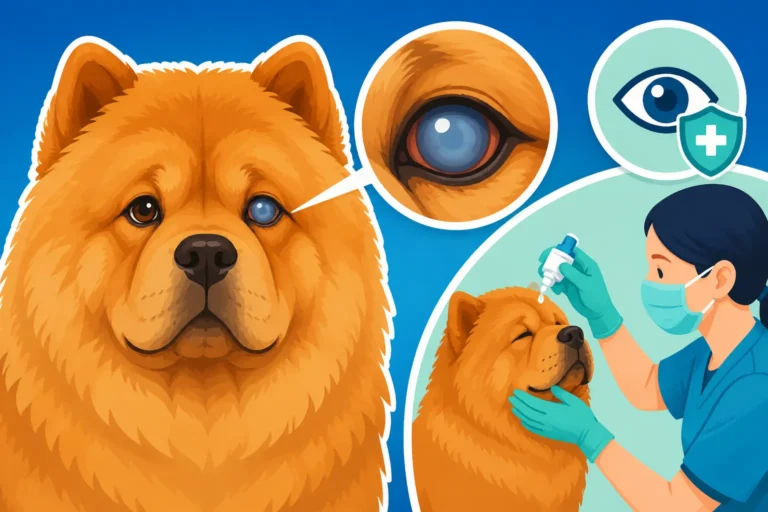
While squinting is arguably the most obvious symptom of entropion, there are other, more subtle signs that your Chow Chow's vision is already being impacted. Look closely at their eyes: is there a milky or bluish haze developing over the cornea? This could indicate early corneal edema or superficial scarring, both of which scatter light and reduce visual acuity. You might also observe them rubbing their eyes frequently with their paws or against furniture, which only exacerbates the problem, potentially introducing bacteria and further damage.
Beyond the physical signs, pay attention to changes in their spatial awareness and confidence. A Chow Chow who usually bounds up stairs might hesitate or misjudge steps. They might become more clumsy, bumping into objects or walls more frequently than before. In a familiar home environment, these changes might be less noticeable at first because dogs rely heavily on scent and memory, but in new places or if objects are moved, their struggles become more apparent. They might also show reluctance to go out at night or into dimly lit areas, or be more easily startled by sudden movements from their periphery, largely because their already limited peripheral vision (a common trait in breeds with deep-set eyes) is further compromised by the rolling eyelid. These aren't just signs of discomfort; they are clear indicators that the integrity of their vision is under threat, and ignoring them could pave the way for more severe, irreversible damage.
The Progression of Untreated Entropion and the Alarming Risk of Blindness
If entropion is left uncorrected, the initial discomfort and mild vision impairment can quickly escalate into serious, permanent damage. The constant rubbing of hair on the cornea leads to a chain reaction of destructive processes that can, unequivocally, result in blindness. It's not a question of "if" but "when" permanent damage occurs if the condition isn't addressed.
The Threat of Corneal Ulcers and Scarring
The most direct and common pathway to blindness from entropion is through corneal ulcers and subsequent scarring. Imagine sandpaper rubbing repeatedly over a delicate surface. That's what your Chow Chow's eyelashes do to their cornea. This constant abrasion causes microscopic scratches, which can quickly deepen into painful corneal ulcers. These ulcers are essentially open wounds on the surface of the eye.
Once an ulcer forms, it creates an entry point for bacteria, leading to severe eye infections. The body's immune response to these infections further exacerbates the problem, leading to inflammation and pain. A deep or infected corneal ulcer can be devastating. If the ulcer penetrates through the layers of the cornea, it can even lead to perforation of the eyeball, a true emergency that can result in the loss of the eye itself.
Even if an ulcer doesn't perforate, the healing process often involves the formation of scar tissue. This scar tissue, known as corneal fibrosis or melanosis (pigmentation), is opaque. It acts like a permanent smudge or dark cloud over the surface of the eye, physically blocking light from reaching the retina. The more severe and frequent the ulcers, the more extensive the scarring. Over time, enough scar tissue can accumulate to completely obscure the pupil, effectively blinding the affected eye. This scarring is often irreversible, even after the entropion is corrected, which is why timely intervention is so critical to preserving sight. You can learn more about What a Corneal Ulcer Does to a Chow Chow to understand the severity of this particular complication.
Secondary Infections and Glaucoma Complications
Beyond corneal ulcers, untreated entropion leaves the eye vulnerable to a host of secondary complications that can also lead to vision loss. The continuous irritation and excessive tearing create a warm, moist environment ripe for bacterial and fungal growth. Conjunctivitis, a common inflammation of the eye's lining, becomes chronic and can spread to other parts of the eye. These infections cause severe pain, discharge, and further inflammation, all of which contribute to reduced vision.
While less common than corneal damage, chronic inflammation from entropion can also, in rare cases, contribute to an increase in intraocular pressure, potentially leading to a form of secondary glaucoma. Glaucoma is a terrifying condition where increased pressure damages the optic nerve, leading to rapid and often irreversible blindness. While Chow Chows are also predisposed to primary closed-angle glaucoma, which can blind a Chow Chow in days, the chronic inflammation and structural changes from severe, untreated entropion could, theoretically, exacerbate or trigger secondary forms in an already susceptible eye. It's a compounding risk, adding another layer of danger to an already perilous situation.
Irreversible Damage and Complete Vision Loss
The progression from initial irritation to permanent blindness due to entropion is a stark reality. Once significant corneal scarring has occurred, or if deep infections lead to structural damage within the eye, the damage can be irreversible. Even if the entropion is eventually corrected, the vision lost due to extensive scarring or optic nerve damage will not return. In the most severe cases, where the eye becomes completely non-functional, chronically painful, or severely infected, surgical removal of the eye (enucleation) might be the only option to relieve the dog's suffering.
This table illustrates the escalating risks and consequences of untreated entropion:
| Stage of Entropion | Symptoms | Potential Impact on Vision | Risk of Permanent Blindness |
|---|---|---|---|
| Mild | Squinting, excessive tearing, mild redness | Temporary blurriness, discomfort | Low |
| Moderate | Persistent squinting, discharge, redness, visible corneal haziness | Chronic pain, reduced visual acuity, sensitivity to light | Moderate (with prolonged exposure to irritation) |
| Severe | Profound pain, thick discharge, visible corneal ulcers, significant scarring/pigmentation | Severely impaired vision, constant pain, potential for perforation | High |
| Chronic/Untreated | Blindness, ruptured globe, chronic infection, extreme pain | Complete vision loss | Almost Certain |
The thought of your Chow Chow losing its sight is heartbreaking. Understanding that early intervention is not just about comfort but about preserving their world is paramount. Waiting too long means risking permanent damage that no amount of future treatment can undo. This is why addressing signs of What Entropion Does to a Chow Chow's Eye at the earliest stage is so important.
Treating Entropion to Preserve Your Chow Chow's Sight
The good news amidst the serious risks is that entropion is a treatable condition. With timely and appropriate veterinary care, the progression towards blindness can almost always be halted, and your Chow Chow's comfort and vision can be restored.
Timely Diagnosis and Early Intervention
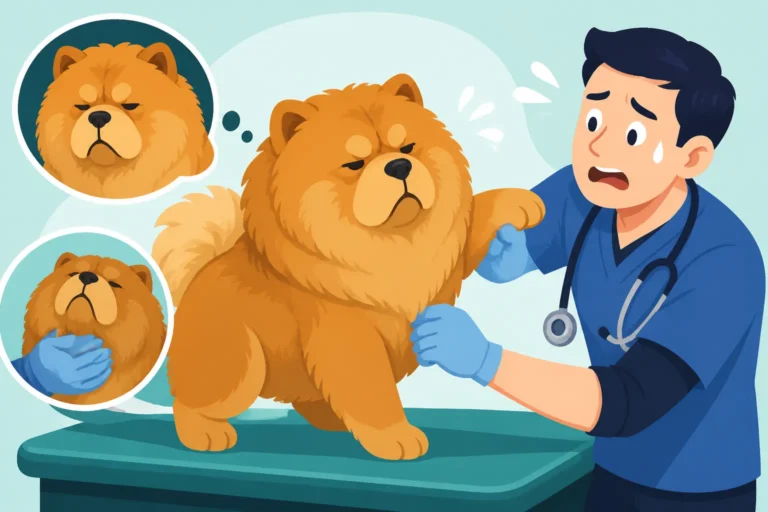
The key to preventing permanent vision loss is vigilance and prompt veterinary attention. If you notice any Signs a Chow Chow Has Entropion – persistent squinting, excessive tearing, redness, or your dog rubbing its eyes – do not delay in scheduling an appointment with your veterinarian. They will perform a thorough eye examination, often using a special stain (fluorescein) to detect any corneal abrasions or ulcers that might already be present.
For puppies, entropion can sometimes appear as early as a few weeks old. While some very mild cases in puppies might temporarily improve as their facial structure matures, it's crucial for a vet to monitor this closely. Often, temporary procedures like eyelid tacking are recommended for puppies to provide relief and prevent damage until they are old enough for definitive surgery. The age at which a Chow Chow's entropion is typically repaired varies, but early intervention prevents irreversible scarring during critical developmental stages. Remember, an eye that is constantly irritated is an eye at risk, and the sooner treatment begins, the better the prognosis for preserving full vision.
Surgical Correction: The Primary Solution
For most Chow Chows with persistent or severe entropion, surgical correction is the definitive and most effective treatment. This procedure, known as blepharoplasty, aims to remove a small strip of skin and muscle from the affected eyelid, effectively "rolling" the eyelid outward to its normal position. The goal is to ensure the eyelashes no longer make contact with the cornea, thereby eliminating the source of irritation.
The surgery is typically performed under general anesthesia. An experienced veterinary ophthalmologist or general practitioner will carefully measure and mark the precise amount of tissue to be removed to achieve the correct eyelid tension. The incision is then meticulously closed with fine sutures. The procedure is highly successful in alleviating pain and preventing further damage. Post-operative care usually involves keeping the surgical site clean, administering prescribed eye drops (antibiotics and anti-inflammatories), and often an Elizabethan collar to prevent your Chow Chow from rubbing or scratching the healing eye. Most dogs recover remarkably well, and the relief they experience is profound. Understanding How Entropion Is Repaired in a Chow Chow can help demystify the process and ease any anxieties about the procedure.
Managing Discomfort and Preventing Further Damage While Awaiting Surgery
While surgery is the ultimate solution, there might be a period where your Chow Chow needs relief before the procedure can take place. This might be due to scheduling, or if your vet is assessing a puppy's growth. During this time, your vet might recommend several palliative measures to minimize discomfort and prevent the condition from worsening.
These measures often include lubricating eye drops or artificial tears to create a barrier between the lashes and the cornea, reducing friction. Antibiotic eye drops or ointments may be prescribed if there's evidence of infection or to prevent one from developing, especially if corneal ulcers are present. Anti-inflammatory medications, both topical and oral, can help reduce swelling and pain. In some cases, a very soft contact lens might be placed on the eye to protect the cornea. It's vital to follow your vet's instructions precisely for these temporary treatments. While they can offer significant relief, they are not a cure for entropion. They buy time but do not solve the underlying anatomical problem. The ultimate goal is always to proceed with surgical correction to ensure long-term comfort and vision preservation.
Long-Term Outlook and Lifelong Vigilance
Even after successful surgical correction, the journey to safeguarding your Chow Chow's eye health isn't over. Due to their breed predisposition, ongoing vigilance and proactive care are essential to ensure their vision remains protected throughout their lives.
Post-Surgery Recovery and Potential for Recurrence
After entropion surgery, your Chow Chow will need a period of careful recovery. This typically involves wearing an Elizabethan collar for 10-14 days to prevent them from interfering with the stitches, along with a regimen of prescribed eye drops or ointments. Most dogs bounce back quickly, and you'll likely see an immediate improvement in their comfort level and a significant reduction in squinting and tearing.
However, it's important to understand that while entropion surgery is generally very successful, there can sometimes be a need for a second procedure, particularly in growing puppies where facial structures are still developing. In some cases, if too much or too little tissue was removed, or if scarring causes the lid to roll inward again, a revision surgery might be necessary. This is not uncommon and shouldn't be seen as a failure of the initial surgery, but rather a step to achieve the optimal long-term outcome. You might be wondering Whether a Chow Chow Needs Entropion Surgery Twice, and this is a valid concern that your veterinary ophthalmologist can discuss with you, often depending on the severity of the initial condition and the individual dog's healing.
Why Regular Eye Exams Remain Crucial for Chow Chows
Even a Chow Chow who has had successful entropion surgery requires ongoing eye care and regular check-ups. Due to their genetics and distinctive facial features, they remain predisposed to various eye conditions. This includes not only the potential for entropion to recur or to affect another eyelid, but also other issues such as glaucoma, distichiasis (extra eyelashes growing from the eyelid margin), or even cataracts as they age.
Routine veterinary examinations, especially annual wellness checks, should always include a thorough eye exam. For Chow Chows, it's particularly beneficial to have a veterinarian who is familiar with the breed's specific ophthalmic challenges. They can monitor for subtle changes, assess the success of previous surgeries, and catch any new issues early before they escalate. It's a small investment of time that can make a monumental difference in preserving your dog's quality of life and preventing future vision problems. Consider a dedicated Whether a Chow Chow Needs a Yearly Eye Exam to stay on top of their ocular health.
Financial Planning for Potential Eye Care
The cost of veterinary care, especially for specialized procedures like entropion surgery, can be a significant concern for many pet owners. A single entropion surgery can range from several hundred to a couple of thousand dollars per eye, depending on your location, the complexity of the case, and whether a specialist is involved. If a second surgery is needed, or if other eye conditions arise, these costs can quickly add up.
This is where responsible financial planning comes into play. Pet insurance can be a lifesaver, helping to cover a substantial portion of veterinary bills. Companies like Healthy Paws offer various plans that can mitigate the financial impact of unexpected health issues, including breed-specific conditions like entropion, provided the policy is in place before any symptoms appear. It's crucial to research and choose a plan that fits your budget and offers comprehensive coverage for hereditary and congenital conditions. Waiting until your Chow Chow shows signs of entropion means it will be considered a pre-existing condition, and insurance likely won't cover it. Proactive enrollment is key.
Beyond insurance, setting aside a dedicated emergency fund for your pet is a wise decision. Knowing that you have financial resources available can alleviate stress and allow you to make the best medical decisions for your Chow Chow without financial constraints. Investing in pet insurance or savings accounts helps ensure that you can provide the necessary care to protect your Chow Chow's eyes and maintain their overall health throughout their lifespan. While you consider the immediate costs, also factor in What a Chow Chow Costs Over Its Lifetime to prepare for all potential expenses.
Disclaimer
This article is intended for informational purposes only and does not constitute veterinary advice. Always consult with a qualified veterinarian for any health concerns or before making any decisions about your pet's medical care.