How a Chow Chow’s Eye Pressure Is Measured
The sinking feeling in your stomach when your beloved Chow Chow's eyes look a little off, a bit redder than usual, or perhaps they're squinting more often, is something no pet parent ever wants to experience. Eye issues can be particularly distressing in our Chows because their deep-set eyes and abundant facial wrinkles already make it tough to spot problems early. This guide is here to demystify one of the most critical diagnostic procedures for their eye health: how a Chow Chow's eye pressure is measured, why it's so important, and what those numbers really mean for your furry family member.
Understanding Ocular Pressure in Chow Chows
It’s easy to overlook something as seemingly abstract as "eye pressure," but for a Chow Chow, it's a matter of critical importance that can dictate whether they maintain their sight or face irreversible blindness. Their unique anatomy, which makes them so charming, also unfortunately predisposes them to certain ocular challenges, with glaucoma being one of the most severe.
Why Eye Pressure is a Big Deal for Chows
Chow Chows, with their magnificent lion-like ruffs and distinctive scowls, are simply breathtaking. However, beneath those thoughtful brows lie eyes that are particularly vulnerable to conditions like glaucoma. Unlike many breeds, Chow Chows are known for having a genetic predisposition to primary closed-angle glaucoma. This isn't just a minor issue; it means the drainage angle within their eye, responsible for allowing fluid (aqueous humor) to exit, is inherently narrower than it should be. When this angle becomes blocked, fluid builds up, and the pressure inside the eye — known as intraocular pressure (IOP) — skyrockets. This rapid increase in pressure can quickly damage the optic nerve, leading to excruciating pain and permanent vision loss.
Because of this unique anatomical challenge, understanding and regularly monitoring your Chow Chow's eye pressure isn't just a recommendation; it's a vital part of their preventative care plan. Early detection of rising IOP is the single most important factor in saving their vision. If you've ever wondered Why the Chow Chow Is a Closed Angle Glaucoma Breed, it all comes down to this inherited structure that makes eye pressure measurement indispensable.
The Dangers of Untreated High Pressure
When your Chow Chow's eye pressure goes unchecked and untreated, the consequences can be devastatingly swift. High IOP directly harms the delicate optic nerve, which transmits visual information from the eye to the brain. Think of it like a hose being squeezed: eventually, the flow stops completely. In the eye, this "flow" is blood supply and nerve function. As the pressure builds, it compresses the optic nerve, disrupting its ability to send signals. This damage is often irreversible.
The speed at which this can happen is terrifying. We're not talking about weeks or months here; Glaucoma Can Blind a Chow Chow in Days, sometimes even hours, if the pressure spike is severe enough. Beyond vision loss, the dog experiences intense pain, often described as a severe headache or migraine, due to the pressure inside the eye. This pain can manifest as rubbing the eye, lethargy, loss of appetite, or an unwillingness to be touched. If left untreated, the affected eye might eventually enlarge, bulge, or even require removal to alleviate the suffering. This is why immediate veterinary attention is always necessary if you suspect your Chow Chow might have elevated eye pressure.
The Tools and Techniques for Measuring Eye Pressure
Measuring eye pressure in dogs isn't as simple as using a blood pressure cuff, but modern veterinary medicine has provided us with reliable and relatively non-invasive tools. These devices, called tonometers, allow veterinarians to get an accurate reading of the intraocular pressure, helping them diagnose conditions like glaucoma long before irreversible damage occurs.
Tonometry: The Gold Standard
When your Chow Chow needs their eye pressure checked, your vet will use a specialized instrument called a tonometer. There are a couple of common types, but they all share the same goal: to measure the resistance of the cornea to a gentle force, which correlates directly with the internal pressure of the eye.
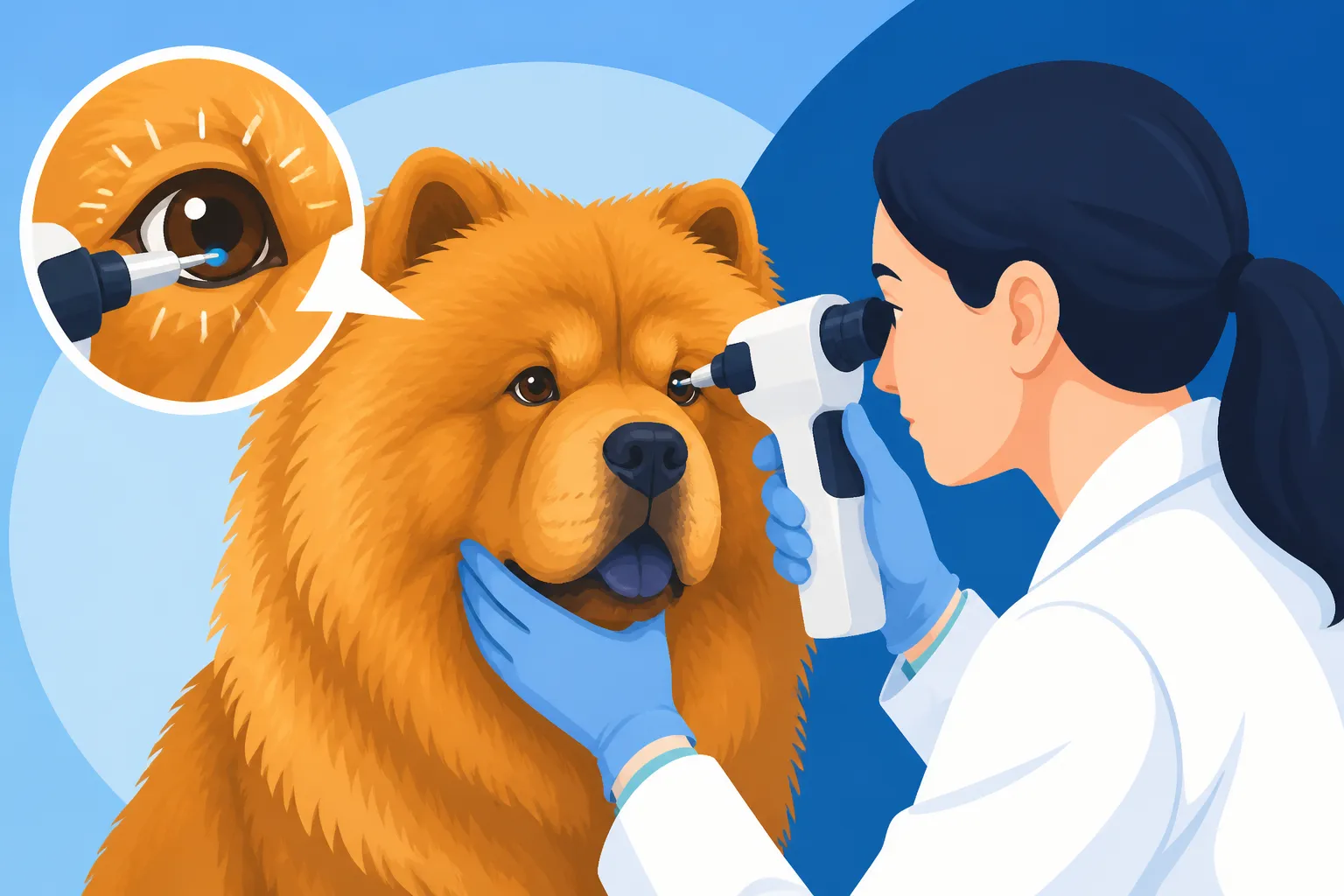
The two main types you'll likely encounter are applanation tonometers and rebound tonometers. Applanation tonometers, like the Tonopen, work by gently flattening a tiny area of the cornea and measuring the force required to do so. It's a very precise method, often used by veterinary ophthalmologists. Rebound tonometers, such as the Icare Tonometer, are becoming increasingly popular in general practice because they are often less intimidating for dogs. These devices work by launching a tiny, lightweight probe that briefly touches the cornea and then bounces back. The deceleration of the probe on impact is measured, and this data is used to calculate the IOP. Imagine a tiny, harmless tap on the surface of the eye – that's essentially what it feels like. Both types are highly accurate when used correctly. The key is that the procedure is quick and generally well-tolerated, minimizing stress for your sensitive Chow.
What to Expect During the Examination
Bringing your Chow Chow in for an eye pressure check can feel a bit nerve-wracking, especially if your dog is already a bit wary of strangers or vet visits. The good news is that the procedure itself is quick and minimally invasive. When you arrive, the veterinary team will usually take your dog to a quiet examination room. The first step typically involves applying a few drops of topical anesthetic to your Chow's eye. This numbs the surface of the cornea, ensuring your dog feels no discomfort from the tonometer touching their eye. It’s important to remember that Chow Chows can be quite stoic and may hide pain, so ensuring their comfort is paramount during any medical procedure.
Once the anesthetic has taken effect – usually within a minute or two – the vet or a trained technician will gently hold your Chow Chow's head still. With a rebound tonometer, they’ll hold the device a few millimeters from the eye and take several rapid readings. You'll hear a soft "tap, tap, tap" sound as the probe makes contact. For an applanation tonometer, the tip of the device will be gently pressed against the cornea for a moment. Most Chows tolerate this very well, especially with a calm handler, gentle praise, and perhaps a tasty treat. The entire measurement process for both eyes usually takes less than a minute. Your vet will then average the readings to get an accurate assessment. This procedure is a routine part of a comprehensive eye exam, which is crucial for monitoring conditions like glaucoma. If you're concerned about costs, it's worth noting that What a Chow Chow's Eye Pressure Check Costs is generally a reasonable investment in their long-term health, and many pet insurance plans, like those from Healthy Paws, can help cover the expenses of diagnostic tests and treatments for conditions like glaucoma.
Interpreting the Numbers: What is Normal and What is Not
Getting a number back from an eye pressure test can be confusing if you don't know what you're looking at. It's not just about a single reading; it's about understanding the context, your Chow Chow's breed predisposition, and how these numbers fit into their overall health picture.
Normal Range vs. Danger Zones
For most dogs, including Chow Chows, a normal intraocular pressure (IOP) typically falls within the range of 10 to 25 mmHg (millimeters of mercury). However, this isn't a hard and fast rule, and your veterinarian will consider individual factors. Readings consistently above 25 mmHg, especially if accompanied by other clinical signs like redness, cloudy eyes, or visible discomfort, are a major red flag for glaucoma. Anything in the high 20s or 30s is cause for concern, and pressures in the 40s or higher are considered a medical emergency requiring immediate intervention to prevent blindness.
The critical thing to remember is that glaucoma can be insidious. A Chow Chow might have perfectly normal pressure one day, and then it could spike dramatically the next. This is why regular monitoring is so crucial, especially for a breed known to be at risk. Even if your Chow isn't showing obvious signs, a baseline reading allows your vet to track changes over time. Your vet will not only look at the number but also how it compares between both eyes. A significant difference in pressure between the left and right eye can also indicate a problem, even if one eye is still within the 'normal' range.
Factors Influencing Readings
While tonometry is a reliable diagnostic tool, several factors can influence the readings, making interpretation a nuanced process for your vet. First and foremost, the dog's temperament and stress level play a role. A nervous or struggling Chow Chow might have slightly elevated readings due to muscle tension or adrenaline. This is why a calm environment and a gentle approach, possibly with mild sedation if necessary, are important. This is one reason why many Chows benefit from a Fear Free practice approach.
Secondly, certain medications can affect IOP. Some drugs, like specific eye drops, are designed to lower pressure, so if your Chow is already on treatment, their readings will reflect that. Conversely, other systemic medications could potentially affect IOP. Even external factors, like the time of day, can cause slight fluctuations in eye pressure. For example, IOP can sometimes be a little higher in the morning. Your veterinarian is trained to take all these variables into account, and they'll often take multiple readings or even repeat the test over several visits to establish a clear pattern. This is why it's so important to have a vet who understands the nuances of the breed and their specific needs, recognizing that Why a Chow Chow's Deep Set Eye Causes Trouble goes beyond just appearance.
Follow-Up and Monitoring
If your Chow Chow has been diagnosed with glaucoma or is considered high-risk due to their breed and family history, follow-up and continuous monitoring become a cornerstone of their health management. This isn't a one-and-done test; it's an ongoing commitment to preserve their vision. Initially, if glaucoma is diagnosed, your vet will likely recommend frequent rechecks – perhaps daily or weekly – to ensure that the prescribed medications are effectively lowering the intraocular pressure. This close monitoring is vital to prevent How Fast Glaucoma Blinds a Chow Chow.
As the condition stabilizes, the frequency of these checks might decrease, but regular monitoring will remain a lifelong necessity. For high-risk Chows without an active diagnosis, annual or bi-annual eye pressure checks are highly recommended. These regular check-ups allow your vet to catch any subtle increases in IOP before they become critical. Remember, prevention and early intervention are key. Pet insurance providers, such as Healthy Paws, often stress the importance of these routine exams and early diagnostics, as they can significantly impact long-term outcomes and the cost of care. Understanding What a Chow Chow's Eye Exams Cost a Year can help you budget for this essential care.
Proactive Steps for Chow Chow Owners
As Chow Chow parents, we naturally want to do everything we can to keep our beloved companions healthy and happy. When it comes to their eyes, being proactive is perhaps even more critical given their predisposition to serious conditions like glaucoma. This means not only staying on top of veterinary visits but also becoming adept at noticing the subtle cues your dog might be giving you.
Regular Veterinary Check-ups
This cannot be stressed enough: regular veterinary check-ups are the bedrock of preventative care for your Chow Chow. Given the breed’s unique ocular risks, comprehensive eye examinations should be a standard part of their annual wellness visit. Many vets will incorporate a routine eye pressure check using a tonometer into these exams, especially if they are familiar with the Chow Chow breed's predispositions. If your vet doesn't routinely perform IOP checks, don't hesitate to ask for one, particularly if your Chow is approaching middle age or has any family history of eye problems.
Beyond general wellness, consider scheduling specialized visits with a veterinary ophthalmologist. These experts have advanced equipment and training to detect the most minute changes and offer the most detailed assessment. They can perform a gonioscopy, which visually examines the eye's drainage angle directly, offering a more precise risk assessment for closed-angle glaucoma. This level of proactive care is especially important for Chow Chows. It’s highly recommended that you ensure Whether a Chow Chow Needs a Yearly Eye Exam and, if possible, consider adding an ophthalmologist visit to their routine. The peace of mind, and more importantly, the potential to save your dog's sight, is absolutely worth it.
Recognizing the Subtle Signs
Chow Chows are notoriously stoic, a trait that makes them incredibly resilient but also means they can hide pain or discomfort remarkably well. This makes it challenging for owners to spot early signs of eye issues, particularly the subtle ones that precede a full-blown glaucoma crisis. However, being vigilant and knowing what to look for can make all the difference. Keep an eye out for changes in their behavior or the appearance of their eyes.
Look for signs like squinting, excessive blinking, or holding one eye partially closed. Your Chow might also start rubbing their face or eye on furniture or with their paw more frequently. A change in the eye itself, such as redness in the white part of the eye, a cloudy or bluish appearance to the cornea (the clear front part of the eye), or a dilated pupil that doesn't react to light, are all significant warning signs. You might also notice a slight aversion to light (photophobia). Even subtle behavioral shifts, like becoming more withdrawn, less playful, or showing a decreased appetite, can sometimes be linked to the pain of rising eye pressure. If you notice any of these Signs a Chow Chow Has Glaucoma, it's crucial to contact your vet immediately. Don't wait to see if it improves on its own, as every hour can count when dealing with glaucoma. Remember, their dense coat and the natural scowl of the breed can sometimes hide these visual cues, making your keen observation even more vital for their wellbeing.
Understanding Your Chow Chow's Ocular Health
| IOP Reading (mmHg) | Interpretation | Action Recommended |
|---|---|---|
| 10-25 | Normal | Routine monitoring, yearly checks for at-risk Chows. |
| 26-30 | Borderline/Suspect | Re-check soon, further diagnostics (gonioscopy), close monitoring. |
| 30+ | Elevated (Possible Glaucoma) | Immediate veterinary consultation, start medication, diagnostic tests. |
| 40+ | Severely Elevated (Emergency) | Urgent veterinary emergency, aggressive treatment to lower pressure immediately. |
| Significant Difference Between Eyes | Unilateral Problem | Investigate underlying cause, even if one eye is "normal." |
Navigating your Chow Chow's eye health can feel daunting, especially with the potential for serious conditions like glaucoma. However, by understanding how eye pressure is measured, what the results mean, and what signs to watch for, you become their best advocate. Proactive care, including regular veterinary check-ups and being observant of subtle changes, is truly the key to a long, happy, and sighted life for your companion. While the costs of specialized care and potential long-term medication for conditions like glaucoma can add up, having pet insurance like Healthy Paws can provide immense financial relief, allowing you to focus on your Chow's health without added stress. Early detection of issues that require How a Chow Chow's Glaucoma Is Treated can make a world of difference.
Disclaimer
This article is intended for informational purposes only and is not a substitute for professional veterinary advice, diagnosis, or treatment. Always seek the advice of your veterinarian or other qualified health provider with any questions you may have regarding a medical condition.