How Reliably a Chow Chow Comes When Called
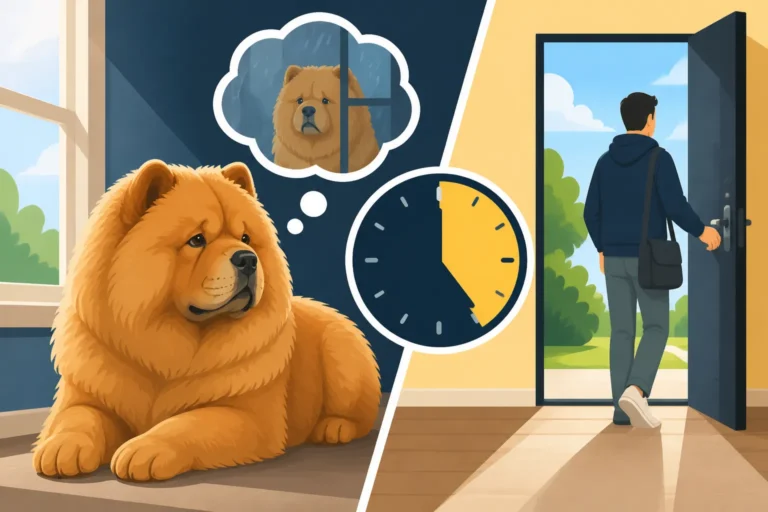
It’s a scenario many Chow Chow owners know all too well: you’re at the park, enjoying a beautiful day, when you call your beloved Chow, and… nothing. They might glance over their shoulder, perhaps even give a slow, deliberate blink, before turning back to sniff that incredibly interesting patch of grass. The frustration is real when you need your independent, sometimes stubborn, Chow Chow to come back to you quickly, whether for safety or simply for heading home. This guide will delve into the unique challenges of teaching a Chow Chow a reliable recall and offer practical, empathetic strategies to help your loyal companion respond consistently when you need them most.
The Chow Chow's Independent Nature and Recall Challenges
Let's be honest, the Chow Chow isn't your typical "eager to please" golden retriever. Their ancient roots as guardians and versatile working dogs in China have instilled in them a deep sense of self-reliance and an independent spirit that, while admirable, can make recall training a particularly interesting journey. Understanding this inherent disposition is the first step in approaching their training effectively.
Why "Come" Isn't Always a Priority
For many breeds, the command "Come!" is met with enthusiastic tail wags and a mad dash back to their human, driven by a desire for praise or a treat. For a Chow Chow, it's often more of a negotiation. Their loyalty runs deep for their chosen person, but it’s often expressed on their terms. They don't necessarily feel the urgent need to obey simply because you've asked. They might be weighing the perceived value of what they're currently doing (sniffing that fascinating scent, watching a squirrel, contemplating the existential dread of being a fluffy cloud with paws) against the reward of returning to you. This isn't defiance; it's simply their nature. They often process information and make decisions in a way that prioritizes their own interests or observations. Why a Chow Chow Ignores a Cue It Knows touches on this perfectly.
Their historical role meant they needed to think for themselves, assess threats, and protect property without constant human direction. This means that while they absolutely love and adore their people, they don't have the same innate drive to be constantly engaged or perform tricks for attention. This independent streak is part of their charm, but it undeniably adds a layer of complexity to recall training. You're not just teaching a command; you're often convincing a very intelligent, self-possessed dog that coming to you is genuinely the most worthwhile option at that moment.
The Importance of a Strong Foundation for Recall
Despite their independent streak, a reliable recall is not just a convenience; it's a life-saving command for any dog, and especially for a breed like the Chow Chow who, due to their dense coat, can overheat quickly, or whose deep-set eyes limit their peripheral vision. Imagine your Chow Chow spotting something interesting across a busy street, or wandering too far from you in an unfamiliar park. Without a solid recall, the potential dangers are immense. This is why every Chow Chow owner, no matter how much their dog seems to march to the beat of their own drum, must prioritize this skill.
Building this foundation means starting early, even before your Chow Chow puppy fully understands the world. It means establishing positive associations with the "come" command from the very beginning, turning it into a game rather than a chore. Consistency from every family member is crucial, as is making sure the environment is set up for success in the initial stages. A weak recall can lead to dangerous situations, lost dogs, or even harm to others if your Chow Chow, feeling protective or startled due to their limited peripheral vision, reacts unexpectedly to an unseen approach. This isn't about crushing their spirit, but about equipping them with a tool that keeps them safe in a world that isn't always safe for them.
Building a Reliable Recall: Strategies for Success
Training a Chow Chow for a reliable recall is less about demanding obedience and more about creating an irresistible invitation. It requires patience, creativity, and a deep understanding of what motivates your particular Chow. Forget harsh corrections or scolding; those tactics will only make your Chow Chow less likely to come when called, fostering resentment rather than cooperation.
Make "Come" the Best Thing Ever
The cornerstone of a reliable recall for a Chow Chow is making the act of returning to you the absolute best thing that could possibly happen at that moment. This means high-value rewards, not just a pat on the head or a boring biscuit. Think about what truly gets your Chow Chow excited. Is it a special piece of cheese? A bit of cooked chicken? A squeaky toy they only get when they come when called? Which Treat a Chow Chow Will Work Hardest For is a great resource for figuring this out. Whatever it is, reserve it exclusively for recall practice.
When they come to you, even if it's grudgingly at first, shower them with praise, affection, and that amazing reward. Make a big fuss! Their coming to you should feel like winning the lottery every single time. The goal is to build a positive emotional response to the word "come," so they associate it with joy, delicious treats, and happy interaction, rather than with the end of their fun or something unpleasant. Varying the reward can also keep them interested; sometimes it's a treat, sometimes a quick game of tug, sometimes just enthusiastic pets. The unpredictability makes it more exciting and less like a routine chore.
Start Small, Build Big
You wouldn't ask a child to run a marathon before they can walk, and the same principle applies to recall training with a Chow Chow. Start in a very controlled, distraction-free environment. Your living room or a quiet, enclosed backyard is perfect. Begin with short distances. Call your Chow Chow's name followed by your chosen recall word (e.g., "Miko, Come!"), and as soon as they take a step towards you, start praising and rewarding. Don't wait until they're right at your feet. Reward the intent to come.
As they become more consistent indoors, gradually introduce mild distractions. This might be another family member walking by, or a favorite toy lying on the floor. Once they're reliably coming in your yard, consider a long line. A long line, available from retailers like Amazon, allows them to have the illusion of freedom while you maintain control. Practice in safe, open spaces, letting the line drag. If they get distracted and don't respond, gently reel them in, praising and rewarding them as they approach. Never use the long line to yank them or punish them, as this will only create a negative association with the command. Remember, Training a Chow Chow a Reliable Recall emphasizes this step-by-step approach.
The progression might look like this:
- Indoors, no distractions: Short distances, high rewards.
- Indoors, mild distractions: Practice with toys or other people in the room.
- Fenced yard, no distractions: Increase distance, practice with you moving away.
- Fenced yard, mild distractions: Introduce outdoor sounds, maybe a family member walking by.
- Park with long line: Safe, open space with controlled freedom.
- Busy park with long line: Introduce more varied distractions gradually.
- Off-leash (only when absolutely certain and safe): Continue practicing in various safe, contained areas.
The Power of Consistency and Practice
Chow Chows, while intelligent, learn through consistent repetition and positive experiences. Short, frequent training sessions (5-10 minutes, several times a day) are far more effective than one long, tedious session once a week. Keep it fun, keep it positive, and always end on a high note. Every interaction is a training opportunity. Call your Chow Chow for dinner, for a favorite toy, or just for a quick cuddle, using your recall command.
Proofing the recall is essential. This means practicing in different environments, with different people calling, and with varying levels of distraction. A Chow Chow might come perfectly in your quiet backyard but completely ignore you at a busy park. This isn't because they've forgotten the command; it's because they haven't generalized it to all situations. BAXTER & Bella, an online puppy training program, often stresses the importance of proofing and offers structured lessons that can guide you through these stages, making sure your Chow Chow understands that "come" means "come" no matter where you are or what exciting things are happening around them. The more positive experiences they have coming when called in different scenarios, the stronger and more reliable that recall will become.
Common Pitfalls and Troubleshooting
Even with the best intentions, recall training with a Chow Chow can hit snags. Their independent nature means they might test boundaries or simply find the world too interesting to pay attention. Understanding common challenges and how to address them is key to maintaining progress and preventing frustration for both you and your dog.
Why Your Chow Chow Might Be Ignoring You
There are several reasons why your Chow Chow might suddenly seem to develop "selective hearing" when you call them. First and foremost, distraction is a huge factor. A rabbit darting across the park, another dog approaching, or even just an intriguing smell can be far more compelling than your voice. Remember, their ancient instincts are strong. Second, lack of motivation can play a role. If your rewards aren't exciting enough, or if you've become predictable, your Chow Chow might decide the current activity is more rewarding. How Reliably a Chow Chow Comes When Called really delves into this.
Another reason could be negative associations. If "come" is only used when something unpleasant is about to happen (like a bath, nail trim, or leaving a fun place), your Chow Chow will quickly learn to avoid it. They aren't stupid; they connect the dots. Lastly, sometimes they might simply not understand the command in a new context. If you've only practiced in a quiet house, a loud, busy environment can be overwhelming, and they might genuinely not process your cue. It's not necessarily an act of defiance, but rather a gap in their learning experience. Taking these factors into account helps you re-evaluate your approach rather than just getting angry.
Avoiding Recall Killers
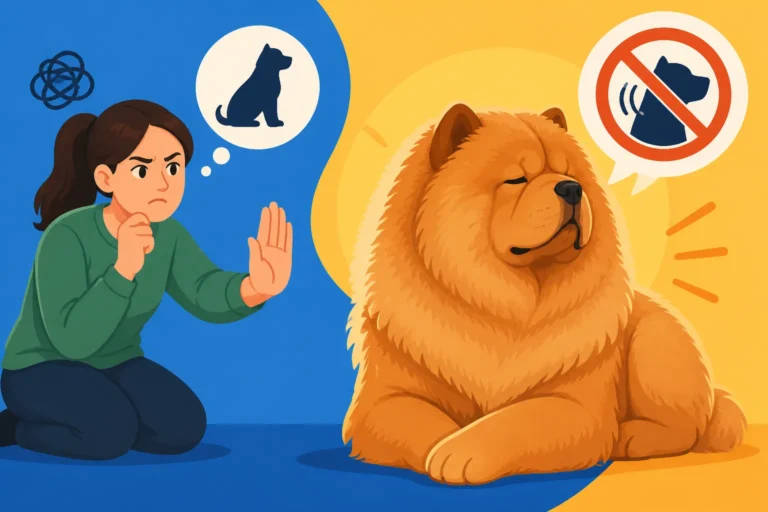
There are certain actions that can inadvertently destroy a reliable recall, especially with a sensitive and independent breed like the Chow Chow. The biggest recall killer is punishment. If your Chow Chow eventually comes to you after being called multiple times, and you scold them or show frustration, you've just taught them that coming to you leads to unpleasantness. They will remember that. Instead of rushing to you, they'll become wary and hesitant. No matter how frustrated you feel, always greet their return with positivity.
Another common mistake is using the recall command only for "bad" things. If "come" always means the end of playtime at the park, or being put on a leash to go home, or heading straight into the dreaded vet's office, your Chow Chow will learn to dread the word. Instead, mix it up. Call them to you, give them a super special treat, then immediately release them to go back to playing. This teaches them that coming to you doesn't always mean the fun stops; sometimes, it's just a pit stop for something wonderful. Never chase your Chow Chow if they ignore you; this often turns into a fun game for them, reinforcing the behavior you want to avoid. Instead, turn and run away from them, making exciting noises. Their instinct to chase might kick in, bringing them closer to you.
When to Seek Professional Help
There are times when despite your best efforts, your Chow Chow's recall remains inconsistent, or perhaps you're dealing with deeper behavioral issues that impact their responsiveness. This is absolutely nothing to be ashamed of. Sometimes, an experienced eye is exactly what you need. If you find yourself constantly battling your Chow Chow over recall, or if their independence borders on true defiance that compromises their safety or your peace of mind, it's time to consider a professional.
A certified professional dog trainer or a veterinary behaviorist can assess your Chow Chow's specific temperament, identify any underlying issues, and provide tailored strategies. They can offer insights into Whether a Chow Chow Needs a Professional Trainer Early and help you understand the nuances of Chow Chow behavior. For example, if your Chow Chow exhibits significant anxiety or aggression in certain situations, these issues might be overriding their ability to respond to commands, and a professional can help address the root cause. Don't wait until a dangerous incident occurs. Early intervention can make a world of difference, not just for recall, but for your overall relationship with your unique companion.
Tools and Aids for Recall Training
While your most effective tools for recall training will always be patience, positive reinforcement, and a deep understanding of your Chow Chow, certain physical aids and resources can significantly enhance your efforts. These tools are designed to facilitate safe practice, increase motivation, and provide structured guidance, all of which are invaluable when working with a breed known for its independent streak.
Long Lines and Training Leashes
A long line is arguably one of the most crucial tools for recall training, particularly with a Chow Chow. It’s essentially a very long leash, ranging from 15 to 50 feet or more, made from sturdy nylon or biothane. The beauty of a long line is that it allows your Chow Chow to experience a sense of freedom in open, safe areas while giving you the ability to intervene if they don't respond to your recall command. You can let them wander, explore, and get distracted, then practice your "come" cue. If they ignore you, a gentle, consistent pressure on the line (without yanking!) can guide them back to you, where you then lavish them with praise and rewards.
You can easily find a wide variety of long lines and training leashes on platforms like Amazon. When choosing one, consider the length that best suits your training space and your Chow Chow’s size. A longer line provides more freedom but can be trickier to manage, while a shorter one might be a good starting point. Always ensure the material is durable and comfortable for both you and your dog. The key is to use it as a teaching aid, not a restraint, ensuring that the experience of being "brought back" is always paired with positive reinforcement, never punishment. This helps your Chow Chow build a positive association with returning to you, even if they initially needed a little guidance.
High-Value Treats and Toys
As we've discussed, a Chow Chow needs a compelling reason to break away from an interesting distraction and return to you. This is where high-value treats and toys come into play. These aren't your everyday kibble or chew sticks; these are the gourmet items, the special rewards that your Chow Chow absolutely adores. For some, it might be small pieces of cooked chicken, cheese, or hot dogs. For others, a particular squeaky toy or a game of tug might be the ultimate motivator.
The trick is to reserve these high-value rewards exclusively for recall practice. If your Chow Chow only gets that super special chicken when they come when called, the command immediately gains immense value. Rotate your treats to keep things exciting and unpredictable. Consider carrying a variety of treats in a treat pouch, so you can surprise them with different delights. For toy-motivated Chows, a small, easily hidden toy that you can produce for a quick, exciting game upon their return can be just as effective. Remember, the goal is to make coming to you a more attractive proposition than anything else in the environment.
Training Programs and Resources
While self-training can be effective, sometimes a structured approach or professional guidance is incredibly helpful, especially with a breed as unique as the Chow Chow. There are numerous resources available, ranging from local puppy classes and group obedience courses to comprehensive online training programs. These resources can provide invaluable insights, step-by-step instructions, and troubleshooting tips tailored to common canine behaviors.
Online platforms like BAXTER & Bella offer detailed training curricula that can be accessed from the comfort of your home. These programs often break down complex commands like recall into manageable steps, include video demonstrations, and provide support from certified trainers. Such structured programs can be particularly beneficial for Chow Chow owners who might struggle with consistency or feel unsure about how to progress from one training stage to the next. Whether you choose an in-person class, which also offers vital socialization opportunities, or an online resource, investing in quality training materials can significantly improve your Chow Chow's recall and strengthen your bond. Remember that a well-trained Chow Chow is a safer, happier Chow Chow, and a happy owner makes for a peaceful home.
Here’s a quick summary of recall training essentials:
| Action | Description | Why it's Important for a Chow Chow |
|---|---|---|
| Use High-Value Rewards | Reserve top-tier treats (chicken, cheese) or favorite toys exclusively for recall. | Their independence means they need a very good reason to interrupt their current activity. |
| Start in Low-Distraction Areas | Begin training indoors or in a quiet, fenced yard. | Builds confidence and understanding of the command before introducing complexity. |
| Progress Gradually | Slowly introduce distractions and new environments as reliability improves. | Chows need to generalize the command to different contexts. |
| Be Consistent | Practice short, frequent sessions daily; use the command for positive interactions. | Reinforces learning and prevents the command from becoming associated with negative outcomes. |
| Never Punish | Always greet your returning Chow Chow with praise, even if they were slow. | Punishment creates fear and negative associations, making them less likely to return. |
| Use a Long Line | Allows for safe practice in open spaces while maintaining control. | Gives freedom to explore but keeps them safe while perfecting recall. |
Disclaimer
This article is for general informational purposes only and does not constitute professional advice. Laws, prices and regulations vary by location and change over time. Consult a qualified professional for guidance on your specific situation.