Whether a Chow Chow Puppy Should Visit the Vet for Nothing
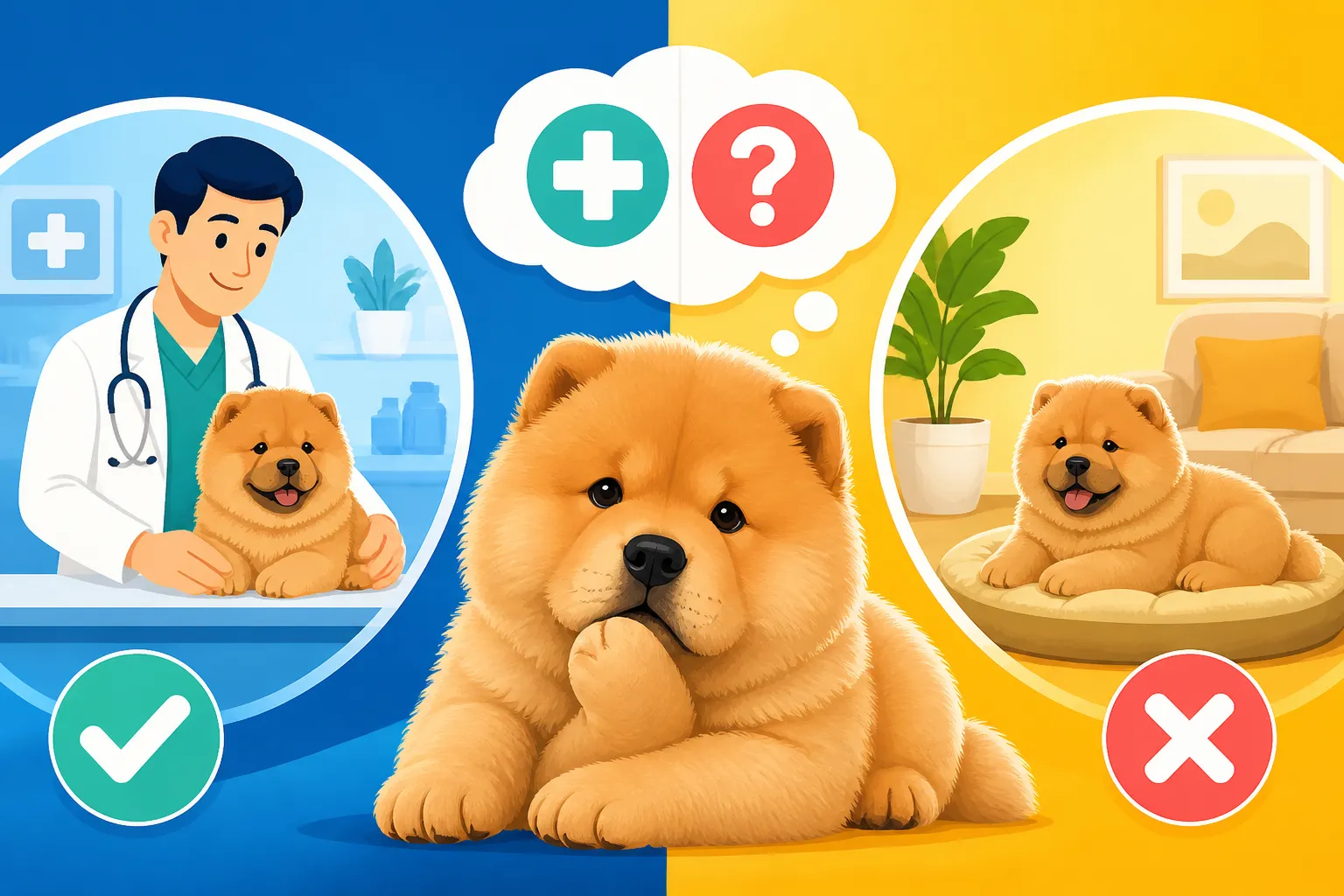
It’s a common thought for new puppy parents, especially those with a naturally reserved breed like the Chow Chow: "Why on earth would I take my perfectly healthy puppy to the vet just to say hello?" The idea of a "visit for nothing" can feel like an unnecessary expense or an extra chore, but for a Chow Chow puppy, these seemingly pointless trips are, in fact, one of the most vital investments you can make in their future health and happiness. This guide will walk you through why these "happy visits" are indispensable for your Chow and how to make them a success.
Why "Happy Visits" Aren't for Nothing with a Chow Chow
Bringing a Chow Chow puppy to the vet when they aren't sick might seem counterintuitive. After all, isn't the vet for when things go wrong? However, this breed's unique temperament and physical characteristics make positive early experiences at the clinic absolutely critical for their long-term well-being and your peace of mind.
The Chow Chow Temperament and Vet Stress
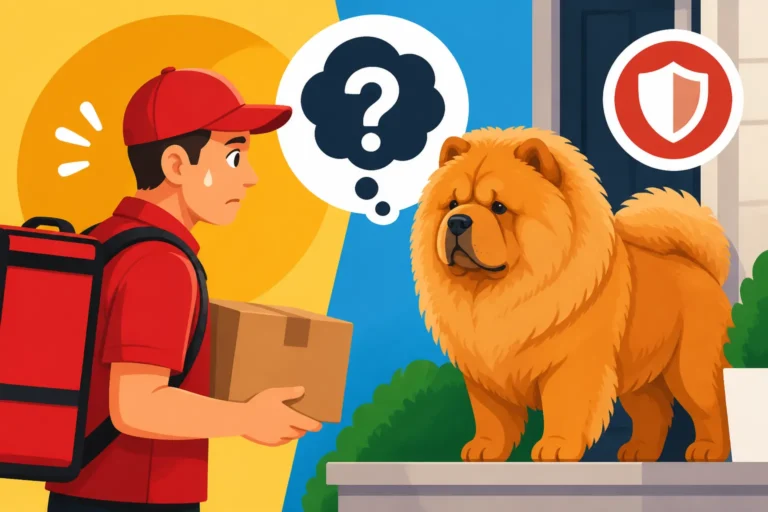
Chow Chows are renowned for their dignified, aloof, and often wary nature. They tend to bond fiercely with one or two people and can be quite reserved, if not suspicious, of strangers. The Chow Chow Bonds to One Person and Tolerates the Rest explains this dynamic beautifully. This isn't aggression; it's a deep-seated instinct to protect their inner circle and observe the unknown. Imagine a new person, in an unfamiliar place, trying to touch your Chow, poke them with cold instruments, or hold them still. If their only association with the vet is pain, fear, or restraint, this natural wariness can quickly escalate into fear-based reactions, making future necessary visits incredibly stressful for everyone involved. A stressed Chow Chow can be a formidable challenge for even the most experienced veterinary staff, potentially leading to the need for sedation for routine procedures, which adds expense and risk.
Building Positive Associations from the Start
The goal of a happy visit is to flip the script. Instead of the vet being a scary place where bad things happen, it becomes a place of treats, praise, and gentle, non-invasive interactions. Think of it as proactive socialization, much like introducing your puppy to new sounds or friendly people, but specifically tailored to the veterinary environment. These early positive exposures help your Chow Chow build a foundation of trust and familiarity, associating the clinic, the smells, the sounds, and the people with pleasant experiences. This early conditioning can significantly mitigate the breed's natural inclination towards guardedness, teaching them that vet visits can be neutral or even good.
The Unique Challenges of Examining a Chow Chow
Beyond their temperament, Chow Chows present specific physical challenges during veterinary examinations. Their dense, often voluminous double coat, particularly on rough-coated Chows, can hide a multitude of skin issues or changes in body condition. Why a Chow Chow's Dense Coat Hides Skin Disease delves into this. Their deep-set eyes, while giving them that distinctive "scowl," can make eye exams tricky and contribute to conditions like entropion, which often requires careful examination. Why a Chow Chow's Deep Set Eye Causes Trouble explains more about this. If a Chow is already stressed, allowing a vet or technician to thoroughly check these areas, lift their lips to examine their unique blue-black tongue, or feel for lumps and bumps, becomes exponentially harder. Regular, positive visits make these necessary checks easier and more effective, ensuring potential problems are caught early.
What a "Nothing" Vet Visit Actually Looks Like
So, what exactly happens during one of these low-stakes, high-reward visits? It's not a full examination with vaccines and blood draws. Instead, it's a carefully orchestrated series of positive interactions designed to desensitize your Chow Chow puppy to the clinic environment.
Focusing on Positive Reinforcement and Rewards
The primary objective is to create positive associations. When you arrive, the staff, pre-briefed on your goal, will likely greet your puppy with calm voices and high-value treats. I'm talking about the good stuff—cheese, cooked chicken, peanut butter (xylitol-free, of course). You'll want to bring your own stash, too. Many owners find a small, easily transportable bag of their Chow's favorite treats from a brand like Amazon's private label pet food lines or specialty dog treat companies is invaluable. The visit might involve simply walking into the reception area, getting a treat, and leaving. Or, if your puppy is comfortable, it could progress to walking onto the scale for a treat, being gently touched by a vet tech for another treat, and then maybe even getting a quick peek in their ears or a gentle lift of a paw – all followed immediately by more delicious rewards. The key is that nothing "bad" happens; no needles, no uncomfortable restraint, just positive experiences and tasty rewards.
Gradual Exposure to Common Vet Experiences
These visits are about breaking down the intimidating vet experience into manageable, non-threatening parts.
- The Waiting Room: Just being in the waiting room with its various smells and sounds, then receiving a treat, can be a win.
- The Exam Room: Going into an exam room, exploring it, and getting treats without any examination pressure helps. Maybe your Chow sits on the exam table for a treat, or just stands beside it.
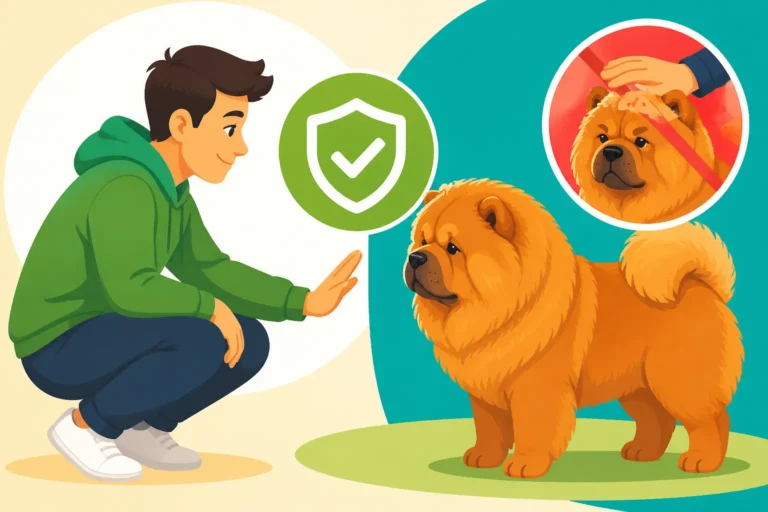
- Gentle Handling: Staff might offer a gentle touch, a quick pat, or run a hand over their coat – always paired with a treat. This helps them get used to different people touching them in unusual ways, which is crucial for a breed that tends to be wary of strangers. You can even practice this at home, gently touching your Chow's paws, ears, and tail, rewarding them with treats for calm acceptance. For specific guidance on building this cooperative care at home, resources like BAXTER & Bella’s online puppy school can offer structured lessons on teaching acceptance of handling.
- Sound and Sight: The sounds of other animals, the sight of people in scrubs, the smell of antiseptic – all become less frightening when associated with positive experiences.
Preparing Your Puppy for the Experience
Before you even step through the clinic doors, you can do some important groundwork. Practice handling your puppy at home: touch their paws, lift their lips, gently tug their ears, and reward them for calm acceptance. Get them used to being brushed regularly, especially important for their thick coat. Brushing a Chow Chow's Mane Down to the Skin is a great resource for this. Consider muzzle training with a comfortable basket muzzle. Many Chows benefit from being comfortable with a muzzle, not because they are aggressive, but because it’s a vital safety tool for everyone during stressful situations. Start with short durations, pairing the muzzle with high-value treats and praise. The goal is for your Chow to choose to put their nose in the muzzle, not to resist it.
The Long-Term Payoff: Why These Visits Are an Investment
While happy visits might seem like an extra step now, they are a powerful investment that pays dividends throughout your Chow Chow's life. The benefits extend beyond reducing stress, impacting safety, the quality of care your dog receives, and even your wallet.
Reducing Stress and Enhancing Safety for Everyone
An adult Chow Chow who is comfortable at the vet is a joy to bring in. Imagine a scenario where your dog calmly walks into the clinic, allows the vet to perform a thorough examination, and takes treats from the technicians. This isn't just a fantasy; it's the outcome of consistent happy visits. Reduced stress means your Chow is less likely to resort to fear-based behaviors like growling, snapping, or trying to escape, making the experience safer for your dog, yourself, and the veterinary team. This is particularly important for a breed that can be misunderstood due to its reserved nature and "scowling" expression. How to Read a Chow Chow's Face can help owners understand their dog's subtle cues.
Facilitating Better Healthcare Over a Lifetime
When your Chow Chow is relaxed and cooperative, the veterinary staff can perform a much more thorough examination. They can listen to the heart and lungs without a struggle, palpate the abdomen effectively, inspect the eyes and ears properly, and even draw blood or administer vaccines with minimal fuss. This translates directly to better healthcare outcomes. Early detection of issues, accurate diagnoses, and less stressful treatment protocols are all possible when your dog isn't fighting every interaction. Consider conditions like Glaucoma Can Blind a Chow Chow in Days or Elbow Dysplasia Ranks the Chow Chow Near the Top; timely and stress-free examinations are critical for managing or diagnosing these serious health concerns.
Financial Benefits and Avoiding Future Complications
While happy visits might feel like an added cost now (even if many clinics offer them for free or a minimal charge), they can save you significant money in the long run. If your Chow Chow develops severe vet phobia, future visits for even routine things like nail trims or vaccinations might require sedation, which adds considerably to the bill. What Sedating a Chow Chow for a Nail Trim Costs highlights these extra expenses. In emergency situations, a fearful, uncooperative dog can delay critical treatment or necessitate stronger, more expensive sedation. By investing time in happy visits now, you are building a foundation that reduces the likelihood of these costly and potentially dangerous interventions down the road.
Here's a quick comparison of the perceived short-term "cost" versus the actual long-term benefit:
| Short-Term Perceived "Cost" | Long-Term Real Benefit |
|---|---|
| "Wasted" time for "nothing" | Efficient, stress-free routine visits |
| Small fee (if any) for a happy visit | Avoids costly sedation for exams/procedures |
| Bringing extra treats | Enables early detection of health issues |
| Minor inconvenience | Safer experience for pet, owner, and vet staff |
| Puppy might be temporarily nervous | Enhanced overall quality of life and healthcare for Chow |
| Less anxiety for you, the owner, during vet visits |
Practical Tips for Successful Happy Vet Visits
Making these foundational visits a success requires a bit of planning and consistent effort. Here’s how you can set your Chow Chow puppy up for a lifetime of positive vet experiences.
Choosing the Right Vet Practice
Not all veterinary clinics are created equal, especially when it comes to handling sensitive breeds or promoting fear-free visits. Look for a clinic that emphasizes positive reinforcement and has a "fear-free" approach. Many practices now openly advertise their commitment to reducing stress for pets. Ask specific questions:
- Do they offer happy visits for puppies?
- Are their staff trained in low-stress handling techniques?
- Are they comfortable with dogs that are initially reserved or wary, like Chow Chows?
- Do they have separate waiting areas or quieter times for anxious pets?
A vet who understands and respects the unique temperament of a Chow Chow will be an invaluable partner in your journey.
Essential Gear and Treats
Always come prepared!
- High-Value Treats: As mentioned, bring your Chow Chow's absolute favorite, irresistible treats. These should be soft, easy to chew quickly, and truly rewarding. Think small pieces of boiled chicken, cheese, or even liverwurst. You can find excellent options on Amazon that are specifically designed for training.
- Muzzle: Even if your puppy is the sweetest thing, muzzle training them from a young age to accept a comfortable basket muzzle is a proactive safety measure. It's not about anticipating aggression, but about ensuring that if a stressful situation ever arises, you have a tool that keeps everyone safe without causing further trauma.
- Comfortable Leash and Collar/Harness: Ensure your Chow is wearing comfortable, secure gear that allows for control without causing discomfort or irritation.
- Your Presence: Your calm and confident demeanor is crucial. If you're stressed, your Chow Chow will pick up on it.
Consistency is Key
These aren't one-and-done visits. Aim for several short, positive experiences before your puppy's first official exam or vaccine appointment. Once a month or every other month for the first six months, then perhaps quarterly, can make a huge difference. Continue these visits even after they've had their initial puppy shots and are comfortable with exams. A quick pop-in, a treat from the front desk, and a friendly word from a tech, then leaving, helps maintain that positive association. Remember, building trust and comfort is an ongoing process, especially for a breed as discerning as the Chow Chow. It's an investment in their overall happiness and makes something potentially scary into something manageable, or even enjoyable.
Disclaimer
This article is for general informational purposes only and does not constitute professional advice. Laws, prices and regulations vary by location and change over time. Consult a qualified professional for guidance on your specific situation.