Whether a Chow Chow Needs a Professional Trainer Early
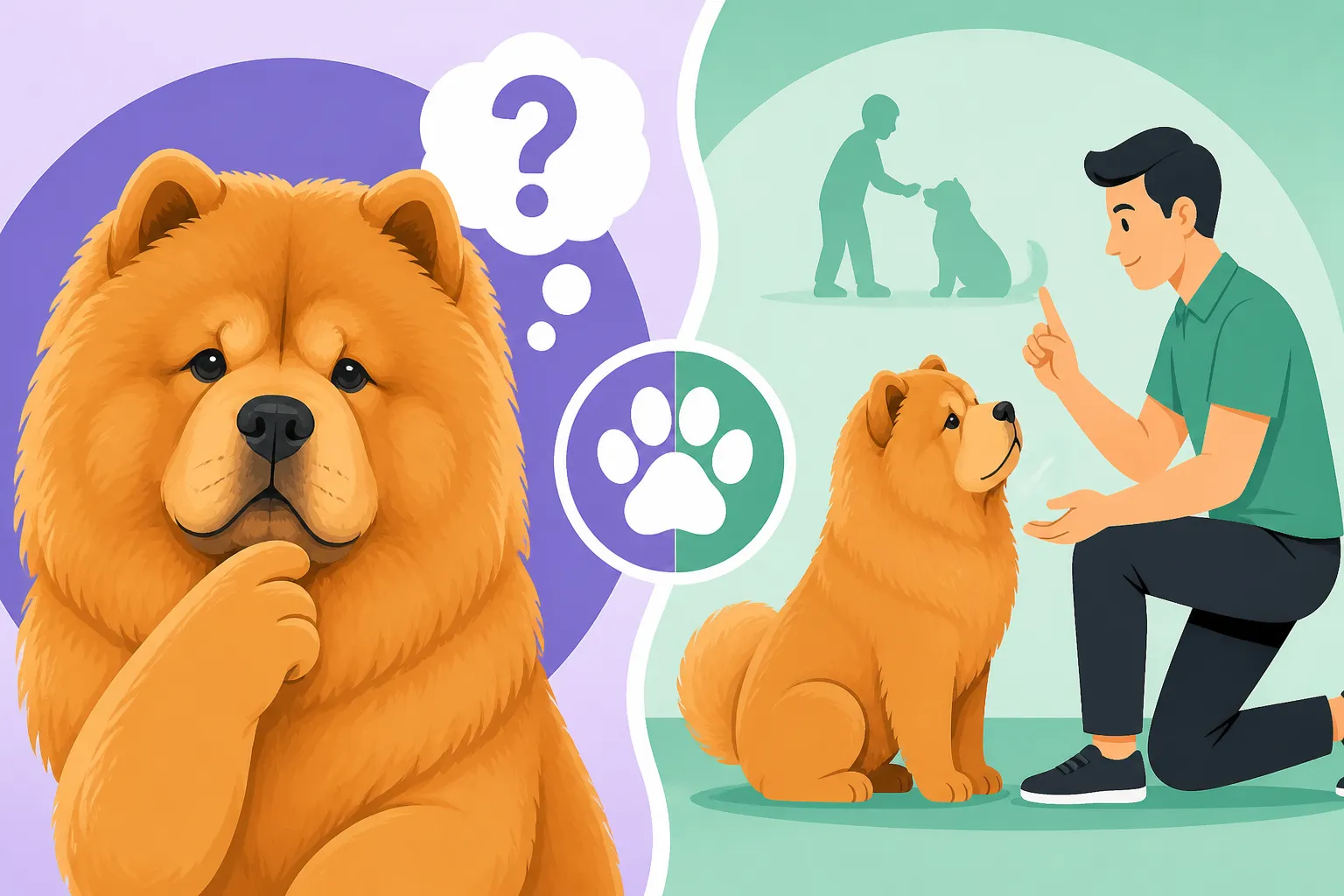
Bringing a Chow Chow puppy home is an exciting time, but many new owners quickly find themselves wondering if their independent, lion-like companion needs a little extra help. The distinct personality of a Chow Chow, often described as cat-like in its aloofness and self-sufficiency, can present unique challenges that leave even experienced dog owners scratching their heads. This guide will dive deep into why early professional training isn't just a luxury but a crucial investment for setting your Chow Chow up for a lifetime of good manners and a strong, trusting bond with you.
Understanding Your Chow Chow's Unique Learning Style
Let's be real, a Chow Chow isn't your typical Golden Retriever. Their intelligence is undeniable, but it's paired with a fierce independence and often a "what's in it for me?" attitude that can make traditional obedience methods feel like you're talking to a brick wall. Understanding these inherent traits is the first step in appreciating why a specialized approach to training, often best facilitated by a professional, is so beneficial.
The Independent Spirit and Its Challenges
Chow Chows are thinkers, not blind followers. They were bred for centuries to be guardians and companions, roles that required them to make decisions independently, sometimes far from human direction. This means they often don't see the point in performing a trick simply because you asked. If there's no clear benefit or motivation for them, they might just give you that signature Chow scowl and walk away. This isn't stubbornness in a malicious sense; it's simply their nature. For instance, repeatedly asking for a "sit" when they're perfectly comfortable lying down might result in them Why a Chow Chow Ignores a Cue It Knows. A professional trainer can help you understand how to tap into their intrinsic motivation rather than forcing compliance.
This independent streak also means that corrections, especially harsh ones, are often counterproductive. A Chow Chow is incredibly sensitive to unfairness or perceived injustice and can quickly shut down or become resentful. Imagine trying to force a cat to do something it doesn't want to do – it's a similar dynamic. They respond far better to mutual respect and clear, consistent communication. The wrong approach can quickly erode trust, which is incredibly difficult to rebuild with a Chow Chow.
The Crucial Socialization Window
One of the most critical reasons for early intervention, professional or otherwise, is the Chow Chow's socialization window. This isn't just about meeting other dogs and people; it's about forming positive associations with the world around them during their most formative weeks. From about 3 to 16 weeks, a puppy's brain is like a sponge, soaking up every experience and forming its understanding of what is safe, what is threatening, and how to react. For a breed that can naturally be reserved or wary of strangers, maximizing this window is paramount.
An undersocialized Chow Chow can become overly protective, fearful, or even reactive, posing significant challenges later in life. Picture a puppy who only ever sees the same few faces and rarely leaves the house. When suddenly faced with a busy park or a new visitor, their natural caution can quickly escalate to fear-aggression because they haven't learned to process novel stimuli positively. This is why professional guidance on When a Chow Chow's Socialization Window Closes and how to effectively navigate it is priceless. They can provide structured, positive exposure to various sights, sounds, people, and other well-behaved dogs, building a resilient foundation.
Chow Chow Instincts: Guarding and Caution
Chow Chows have a strong natural guarding instinct, honed over centuries. They are excellent watchdogs, often quick to alert to anything they perceive as out of place. While this is a desirable trait for many owners, it needs to be managed and channeled appropriately, especially when they are puppies. Without proper guidance, this guarding behavior can become excessive or misplaced, leading to issues like resource guarding or territorial aggression.
Think about a Chow Chow guarding its food bowl, a favorite toy, or even a particular spot on the couch. What a Chow Chow Guards and Why stems from a deep-seated instinct to protect valuable resources. A professional trainer can help you establish clear boundaries and teach your Chow Chow that you are a benevolent leader who provides all good things, rather than someone they need to guard against or protect things from. Early training can differentiate between appropriate alerting and problematic possessiveness, ensuring your Chow Chow is a confident protector, not an anxious one.
Why Early Professional Training is a Smart Investment
Given their unique characteristics, thinking of early professional training for your Chow Chow less as a luxury and more as an investment in a harmonious future is helpful. It lays the groundwork for a well-adjusted dog and helps prevent future behavioral issues that are far more costly and challenging to resolve.
Foundation for Good Manners and Communication
A professional trainer brings invaluable expertise in reading canine body language and understanding behavior modification techniques. For a Chow Chow, who often communicates subtly and can be misunderstood, this is crucial. A trainer can teach you how to speak "Chow Chow" and how to respond in ways that resonate with their personality. They’ll emphasize positive reinforcement, finding what truly motivates your particular dog. While some Chow Chows are highly How Food Motivated a Chow Chow Is, others might prefer a specific toy or praise.
Imagine you're trying to teach "stay." Your Chow Chow might understand the command but sees no reason to hold still if a squirrel runs by. A professional trainer helps you build that value, making "stay" not just a command, but a positive choice for your dog. They also instill essential foundation behaviors like polite leash walking, recall, and impulse control, which are vital for a strong partnership. This isn't just about rote obedience; it's about developing a mutual language and respect, which is the bedrock of living happily with such an independent breed.
Navigating Common Chow Chow Hurdles
Chow Chows come with a few physical and temperamental quirks that can make handling tricky without proper desensitization. Their deep-set eyes, for example, limit their peripheral vision. This means they can be easily startled if approached from behind or the side, sometimes leading to a defensive snap. Why a Chow Chow Snaps at Someone It Did Not See is often a reaction to being surprised, not malice. A trainer can guide you on how to approach your Chow Chow safely, how to teach others to do the same, and how to make them comfortable in situations where their vision might be compromised.
Grooming and veterinary visits can also be a struggle if not introduced properly and early. That dense double coat requires significant maintenance, and many Chow Chows resist being brushed or having their feet handled. Teaching a Chow Chow to Accept Being Groomed is a process that benefits greatly from professional guidance. A trainer can show you desensitization techniques and positive reinforcement strategies to make these necessary activities stress-free for both of you. Many Chows also develop an aversion to veterinary exams due to their reserved nature and sometimes uncomfortable procedures. Early positive exposure, facilitated by a trainer, can make all the difference in their willingness to be handled, even if it's just for How Often a Chow Chow Needs a Wellness Exam.
Preventing Behavioral Problems Down the Road
The old adage "an ounce of prevention is worth a pound of cure" is particularly true for Chow Chows. Addressing potential behavioral issues like leash reactivity, resource guarding, or fear-based aggression when your Chow Chow is a puppy is significantly easier than trying to unravel ingrained habits in an adult dog. An adult Chow Chow who has learned that barking at strangers or lunging at other dogs gets them what they want (distance) is a much harder case to retrain.
Consider the financial and emotional toll of a dog with serious behavioral issues. Vet visits for stress-related conditions, property damage, potential liability issues, and the sheer frustration of living with a difficult dog can be immense. Early professional training is an investment that can save you significant money and heartache in the long run. By setting clear expectations, building confidence, and addressing any budding issues with a professional's help, you're paving the way for a calm, confident, and well-behaved companion. For instance, being prepared for potential issues can also mean looking into pet insurance options like Healthy Paws early on, just in case those unforeseen behavioral vet visits or related injuries occur.
Choosing the Right Trainer for Your Chow Chow
Since Chow Chows are a unique breed, not just any trainer will do. You need someone who understands their psychology, respects their independence, and uses methods that build trust rather than break it.
Experience with 'Difficult' or Independent Breeds
When looking for a trainer, it's absolutely vital to find one who has specific experience with independent, strong-willed, or "bully" breeds. They should understand that a Chow Chow's lack of immediate compliance isn't defiance; it's often a thought process or a lack of motivation. A trainer accustomed to highly biddable breeds might quickly become frustrated, and that frustration will trickle down to your dog.
Ask potential trainers about their experience with breeds like Chow Chows, Akitas, or other Northern breeds. Inquire about their understanding of breed-specific traits, such as guarding instincts, aloofness, and the unique challenges presented by their physical features (like those deep-set eyes!). An experienced trainer will be able to adapt their methods to suit your Chow Chow's personality, rather than trying to fit your dog into a rigid, one-size-fits-all training program.
Positive Reinforcement and Relationship-Based Methods
This cannot be stressed enough: choose a trainer who exclusively uses positive reinforcement and relationship-based training methods. Avoid any trainer who advocates for dominance theory, uses harsh corrections, choke chains, prong collars, or e-collars. For a Chow Chow, Why Harsh Correction Backfires on a Chow Chow is a lesson learned quickly and often results in them shutting down, becoming fearful, or even aggressive. Their trust is hard-earned and easily shattered.
A good positive reinforcement trainer will focus on rewarding desired behaviors, shaping new ones, and building a strong, trusting bond between you and your Chow Chow. They will teach you how to motivate your dog using things your Chow Chow values, whether it's a favorite toy or a high-value treat (like those found on Chewy or even fresh food options from Ollie, which can be fantastic motivators). The goal is to make learning fun and rewarding for your dog, turning training sessions into enjoyable interactions rather than dreaded chores.
Focus on Socialization and Handling Acclimation
Beyond basic obedience, a good trainer for a Chow Chow will place significant emphasis on proper socialization and handling acclimation. They should offer structured socialization classes or guidance on how to safely introduce your puppy to a variety of environments, people, and other dogs. This isn't just about letting your puppy run wild with others; it's about controlled, positive experiences that build confidence.
They should also incorporate handling exercises into their curriculum. This includes getting your Chow Chow comfortable with having their paws touched (for nail trims!), ears checked, and generally being examined – essential for vet visits and grooming sessions. Teaching a Chow Chow to Have Its Feet Handled or tolerating a thorough brushing around their sensitive areas are skills best learned early with professional guidance. A trainer might suggest visiting the groomer's for short, positive "happy visits" even before full grooming is needed, helping your puppy get used to the sounds and smells, preventing fear later on. Whether a Chow Chow Puppy Should Visit the Groomer Early is a fantastic idea, and a good trainer will support this.
The table below summarizes some key differences between a do-it-yourself approach and hiring a professional for early Chow Chow training.
| Aspect | Do-It-Yourself Approach (Without Professional Guidance) | Professional Training (Early Intervention) |
|---|---|---|
| Understanding Temperament | Based on general dog knowledge or limited breed research, potentially misinterpreting Chow Chow cues. | Expert insight into Chow Chow psychology, helping you read and respond effectively to subtle signals. |
| Socialization Quality | Often unstructured, potentially overwhelming or insufficient, leading to fear or reactivity. | Structured, positive, and controlled exposure to varied stimuli, building confidence and resilience. |
| Behavioral Problem Prevention | Reactive approach; problems often become ingrained before being addressed, leading to more difficult and costly solutions. | Proactive; identifies and addresses potential issues early, preventing escalation into serious problems. |
| Handling Acclimation | Potentially inconsistent or frustrating attempts, creating aversion to grooming and vet visits. | Systematic, positive desensitization techniques for comfortable handling during grooming and vet visits. |
| Training Methods | May inadvertently use ineffective or detrimental methods, leading to a breakdown in trust or increased resistance. | Uses proven, positive reinforcement, relationship-based methods tailored to the Chow Chow's learning style. |
| Time & Effort | Requires significant self-education, trial-and-error, and consistent effort to find what works. | Provides clear, guided steps and immediate feedback, optimizing your time and effort for better results. |
| Future Relationship | Risk of a strained relationship due to misunderstandings or unresolved behavioral issues. | Fosters a strong, trusting, and respectful bond, leading to a happier, more harmonious life together. |
Ultimately, while you can attempt to train your Chow Chow solely on your own, the benefits of early professional guidance for this particular breed are immense. It's about setting your Chow Chow, and yourself, up for success right from the start.
Disclaimer
This article is for general informational purposes only and does not constitute professional advice. Laws, prices and regulations vary by location and change over time. Consult a qualified professional for guidance on your specific situation.