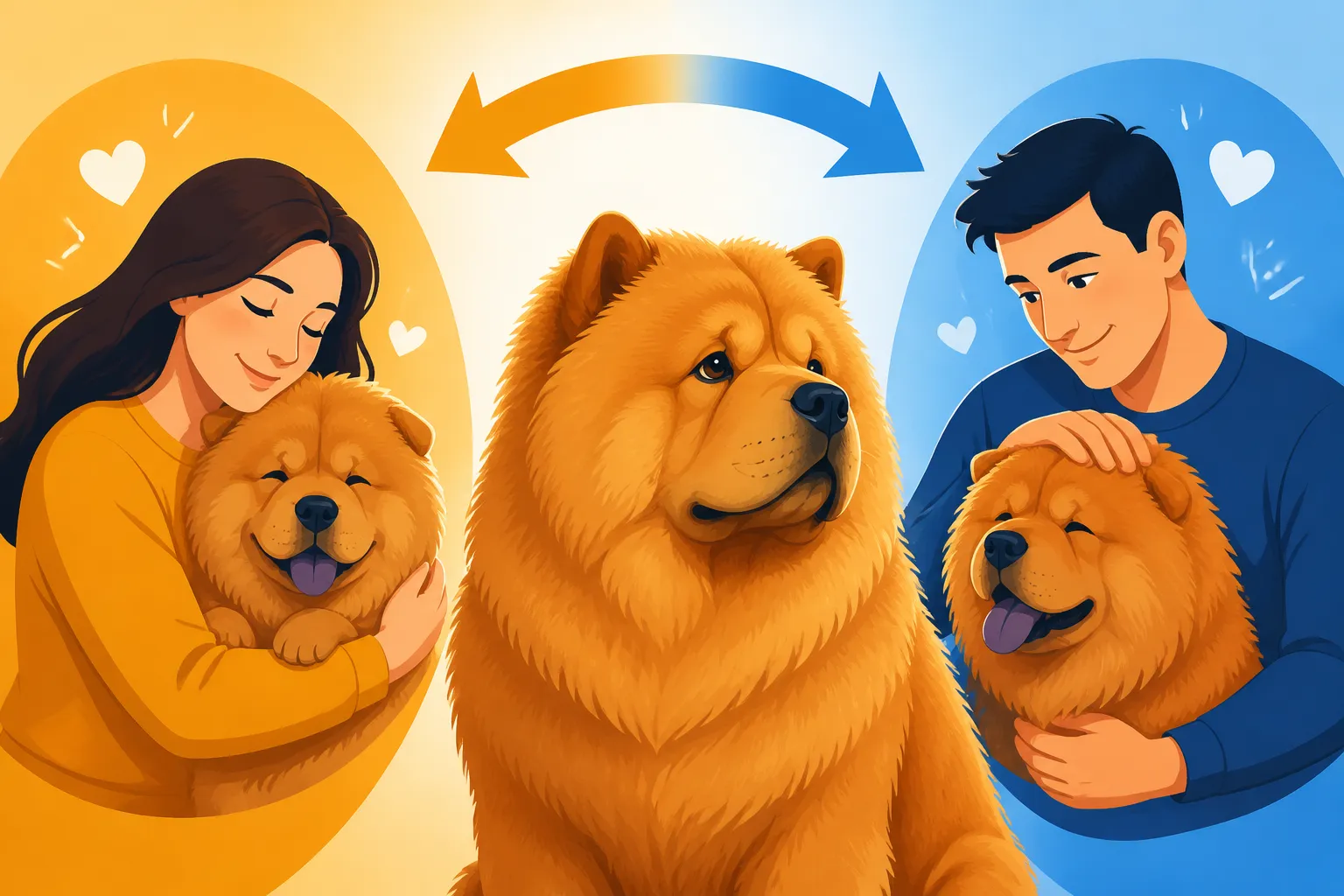
Whether a Chow Chow’s Bond Can Shift
It's a common worry for Chow Chow owners, especially if life circumstances are changing or have changed: "My Chow Chow is so devoted to me, what happens if I'm not the primary person anymore?" Or perhaps you're a secondary family member wondering if you can ever truly "break in" to that coveted inner circle. This guide will explore the often-misunderstood nature of a Chow Chow's bond, and whether that deep, singular connection can indeed shift, and what that might look like for your furry family member.
Understanding the Chow Chow's Unique Bond
Chow Chows aren't like golden retrievers who greet every new face with exuberant tail wags and slobbery kisses. They are a breed known for their dignity, their independence, and that famous "one-person dog" reputation. This isn't just a stereotype; it's deeply ingrained in their personality, and understanding it is key to appreciating their loyalty and how it might evolve.
The "One-Person Dog" Reputation
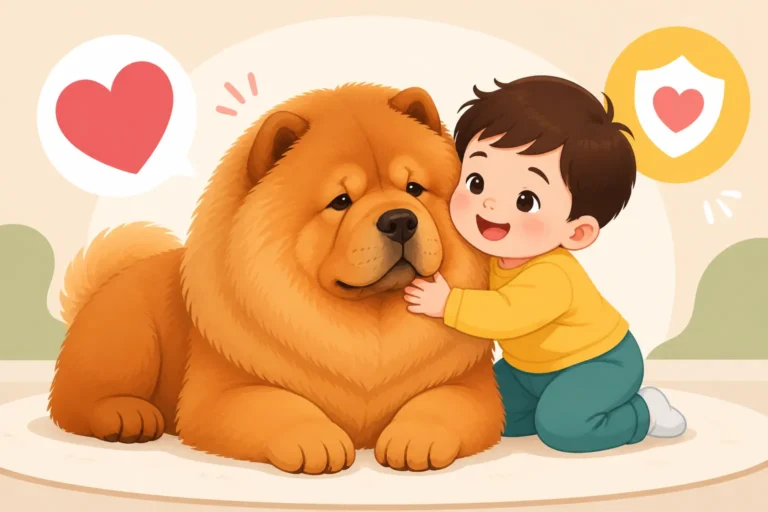
When we talk about a Chow Chow being a "one-person dog," what we're really saying is that they tend to form an incredibly strong, almost singular, attachment to one individual in the household. This person is often their world, their confidant, and the one they trust implicitly. This bond is something truly special, built on mutual respect and often a quiet understanding that doesn't need constant fanfare. It's not that they dislike other people or family members; it's simply that their deepest emotional connection is reserved for that one chosen human. They might tolerate others, be polite, or even accept affection from them, but it’s different. It's a profound loyalty that often leaves other family members feeling a little like they're just staff, albeit very loved staff. For more on this, you might find our article The Chow Chow Bonds to One Person and Tolerates the Rest particularly insightful.
This intense connection isn't usually forged overnight. It develops over time, often beginning in puppyhood, as the Chow Chow carefully observes and evaluates the humans around them. Once that bond is formed, it's incredibly robust, providing a sense of security and stability for the dog. They thrive on the routine and predictability that comes with their chosen person, often mirroring their moods and staying close by, even if just in the same room. It's a quiet devotion that can be incredibly fulfilling, but it also raises questions about what happens if that primary person is no longer available in the same way.
Factors Influencing Initial Bonding
The formation of that initial, powerful bond in a Chow Chow is rarely accidental. It's a complex interplay of who provides consistent care, engaging training, and positive affection during their formative weeks and months. A puppy will naturally gravitate towards the individual who offers the most reliable resources – food, comfort, safety, and enriching experiences. This often starts with the person who takes on the bulk of the feeding, walking, grooming, and training responsibilities right from the start.
Early socialization also plays a critical role in how a Chow Chow perceives and interacts with the world, and by extension, with different people. A well-socialized Chow Chow puppy, even if it has a clear favorite person, will likely be more accepting of others in the household and new faces, albeit still with their characteristic dignified reserve. The exposure to various sights, sounds, and gentle interactions helps them build confidence, even if they're still ultimately looking to their primary person for reassurance. Our article Why Early Socialization Decides What a Chow Chow Becomes delves deeper into the profound importance of these early experiences for your Chow Chow's temperament and relationships.
Consider the dynamic in your home: is one person consistently handling meal times, leash walks, and those quiet moments of shared space? Is one person leading the training sessions, making them fun and rewarding? These consistent, positive interactions are the bedrock upon which a Chow Chow decides who their "person" will be. It's less about who is "in charge" and more about who consistently proves themselves to be a reliable, trustworthy, and pleasant presence in their daily lives.
When and Why a Chow Chow's Primary Bond Might Shift
The idea that a Chow Chow's bond is absolutely immutable is a common misconception, leading to a lot of anxiety for owners. While their loyalty is legendary, it's not set in stone for eternity, especially in the face of significant life events or long-term changes in household dynamics. A Chow Chow's bond can shift, but it's typically a gradual process, not an abrupt change.
Major Life Changes and Their Impact
Life is full of changes, and our dogs are often impacted by them, sometimes profoundly. When a major life event occurs, particularly one that alters the daily routine or the presence of the primary person, a Chow Chow's bond can and often will adapt. It's not a betrayal of their original affection, but rather a survival mechanism and a testament to their need for stability and connection.
Consider scenarios like the primary person moving out, going away for an extended period, or even passing away. In these heartbreaking situations, the Chow Chow is left with a void. While they will undoubtedly grieve and miss their chosen human, they are also intelligent beings who seek security. They will often, over time, begin to lean more heavily on the next most consistent and reliable person in their lives. This could be a spouse, a child who has always been a secondary figure, or even a new owner in a rescue situation. It's a testament to their resilience, even if it feels difficult for humans to witness. Similarly, the introduction of a new partner or a new baby can shift dynamics. While the Chow Chow may maintain an affection for their original person, the new individual might become a more central figure if they consistently provide care and positive interaction. Our post Whether a Chow Chow Accepts a New Partner discusses this specific challenge.
It’s crucial to understand that these shifts aren't immediate. A Chow Chow won't wake up one morning and decide someone new is their person. It's a slow, often subtle transition driven by necessity and the dog's inherent desire for a strong, reliable connection. The person who steps up to provide consistent care, comfort, and routine during these times will naturally become more significant in the Chow Chow's world. This means taking over the feeding, walking, grooming, and even just the quiet presence that their original person once provided.
Gradual Shifts Through Consistent Engagement
Beyond major life changes, a Chow Chow's bond can also gradually shift or deepen with another family member through consistent, positive engagement. If you're a secondary family member who has always adored your Chow Chow but felt a bit on the periphery of their affection, there's hope! It requires patience, understanding, and a willingness to put in the work, but you absolutely can earn a stronger bond.
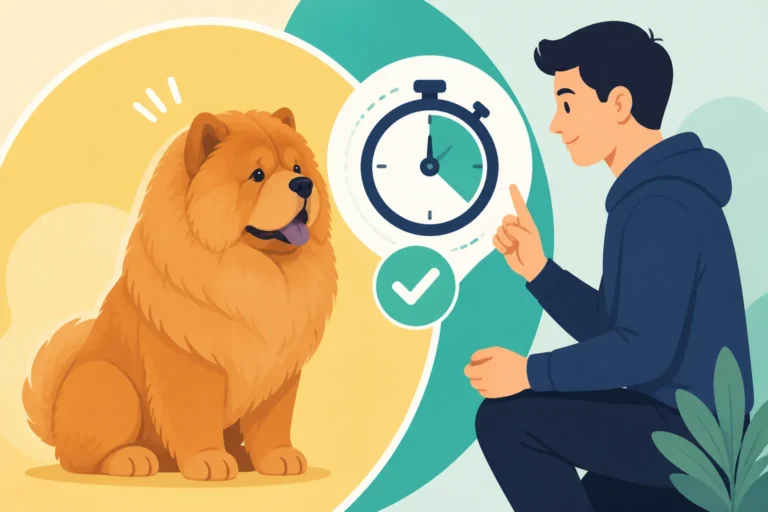
The key here is consistency. Start by taking on more of the daily care tasks: feed them, take them for walks, handle their grooming, and engage them in short, positive training sessions. Chows are intelligent and appreciate routine, and they respond well to fair, consistent leadership. Incorporating structured training can be particularly powerful for building a bond. Online platforms like BAXTER & Bella offer excellent resources for positive reinforcement training that can help you and your Chow Chow learn and grow together. When you are the one consistently providing rewards for good behavior and leading them through enjoyable activities, you become a source of positive experiences. Our article A Chow Chow Trains by Agreement, Not Obedience highlights how their independent nature means training is more about building a partnership.
These interactions don't need to be grand gestures. Simple things like offering a favorite treat after a quiet cuddle, being the one to give them their dinner every night, or consistently being the last person to offer a potty break before bed can make a huge difference over time. Remember, Chows value a calm, predictable environment. Avoid overwhelming them with excessive affection if they're not receptive, as this can backfire. Instead, focus on quiet companionship and being a reliable, gentle presence. The cumulative effect of these small, consistent efforts can gradually strengthen your connection, leading to a deepening bond where your Chow Chow increasingly seeks you out for comfort and companionship.
Facilitating a Healthy Bond Transition (or Strengthening a Secondary One)
Whether you're stepping into a primary caretaker role due to unforeseen circumstances or simply wanting to deepen your existing connection with your Chow Chow, it's absolutely possible to facilitate a healthy bond transition. It requires a thoughtful approach, deep respect for their unique personality, and a whole lot of patience.
Strategies for a New Primary Caretaker
If you find yourself in the position of becoming the primary caretaker for a Chow Chow, perhaps due to a family member's long absence or illness, it's vital to approach this role with intention and sensitivity. Your goal isn't to replace the previous bond but to establish a new, strong, and trusting relationship. Start by taking ownership of the daily routines. This means you should be the one feeding, initiating walks, and handling grooming. Consistency in these tasks will establish you as the reliable provider of their needs, which is paramount to a Chow Chow.
Creating positive associations with yourself is another crucial step. Whenever possible, be the bearer of good things. Offer treats, engage in short play sessions they enjoy, and provide comfortable resting spots. For grooming, which can be a challenging area for Chows, invest in quality tools like a good undercoat rake or slicker brush found on Amazon, and make grooming sessions calm and rewarding. Our article Teaching a Chow Chow to Accept Being Groomed offers excellent tips on this. Respect your Chow Chow's boundaries; they are not typically "in your face" dogs and can become withdrawn or even defensive if pushed too hard for physical affection. Allow them to come to you on their own terms, rewarding those moments of voluntary closeness with gentle praise or a favorite quiet activity.
Remember, a Chow Chow's personality means they are often reserved, even with their closest people. Don't expect immediate effusive displays of affection. Look for subtle signs of trust: relaxed body language in your presence, voluntarily lying near you, or seeking you out for a quiet moment. These small indicators are huge milestones for a Chow Chow. Over time, as you consistently meet their needs, respect their space, and provide a stable, loving environment, that bond will naturally strengthen, allowing them to confidently transfer their primary attachment.
The Role of Patience and Understanding
When it comes to shifting or strengthening a Chow Chow's bond, patience isn't just a virtue; it's an absolute necessity. These dogs are not known for instant gratification or immediate emotional transfers. Their loyalty is deep, and while it can shift, it will do so on their timeline, not yours. You simply cannot rush a Chow Chow into loving you more. Forcing interactions or demanding affection will almost certainly backfire, leading to increased wariness or even resistance. This is particularly true if they have experienced any significant disruption or loss. They need time to process, adjust, and build new trust.
Understanding your Chow Chow's individual personality is also critical. Some may be a bit more adaptable, while others will cling fiercely to their established routines and affections. Pay close attention to their body language. A Chow Chow gives subtle cues when they are uncomfortable, such as averting their gaze, stiffening, or flattening their ears. Respect these signals implicitly. If they back away, give them space. If they choose to lie down across the room from you, don't interpret it as rejection; simply let them be. The goal is to create an environment where they feel safe, secure, and unpressured in your presence.
Consistency in your kind and respectful interactions is the most powerful tool you have. Every meal you provide, every calm walk you take together, every gentle brush stroke, and every quiet moment of shared space builds a tiny brick in the bridge of trust between you. Platforms like BAXTER & Bella can offer guidance on consistent training methods that build positive associations. There will be days when it feels like you're making no progress, but stay the course. The reward of a Chow Chow's truly earned affection is unparalleled and deeply fulfilling. Our post How Long a Chow Chow Remembers a Bad Session emphasizes just how sensitive they can be, so keeping all interactions positive is paramount.
What to Expect: Not a "Replacement," But an Evolution
When a Chow Chow's bond shifts, it's important for everyone involved to understand that it's rarely a complete "replacement" of an old bond with a new one. Instead, it's more accurately described as an evolution—a deepening of existing secondary affections or the formation of new, strong connections in response to life's circumstances. The depth of their initial bond often means a piece of that original connection will always remain.
Maintaining Respect for the Original Bond
Even when a Chow Chow develops a new primary bond, it's vital to remember and respect the significance of their original connection. This isn't a simple case of "out with the old, in with the new." A Chow Chow's memory and emotional capacity for their chosen person are profound. If the original primary person is still alive but less present, the Chow Chow will likely retain a special fondness and familiarity for them. They might still seek out moments with that person, even if their day-to-day reliance has shifted.
Think of it less as erasing a chapter and more as adding a new, equally meaningful one to their life story. The new bond will be unique, shaped by the new dynamics and the personality of the current primary caretaker. It won't necessarily look identical to the previous bond, and that's perfectly okay. Trying to replicate an old relationship can set both you and your Chow Chow up for disappointment. Instead, focus on building an authentic connection based on the present reality. This might mean appreciating a quiet presence over boisterous play, or a deep, knowing glance over a wagging tail. Our article How a Chow Chow Shows Affection helps decipher these subtle expressions.
The new bond is not a diminishment of the old, but an expansion of the Chow Chow's capacity for connection and trust. This perspective allows both the dog and the human to move forward without the burden of expectation to erase history. It's about celebrating the unique relationships that form throughout a Chow Chow's life, each precious in its own right.
Signs of a Shifting or Deepening Bond
So, how can you tell if your Chow Chow's bond is shifting or deepening towards you? It often won't be as obvious as a dog that suddenly starts following you everywhere or showering you with kisses. Chow Chows are much more subtle in their displays of affection and trust.
Look for a general increase in seeking your presence. This might mean choosing to lie down in the same room as you more often, even if not right at your feet. They might follow you from room to room, not glued to your side, but keeping you in sight. You might notice them relaxing more deeply in your presence, perhaps sighing contentedly or melting into a soft sprawl. When you speak to them, their ears might perk up, and they might turn their head to acknowledge you, or even offer a soft "woof" or grumble in response. These are all significant indicators from a Chow Chow.
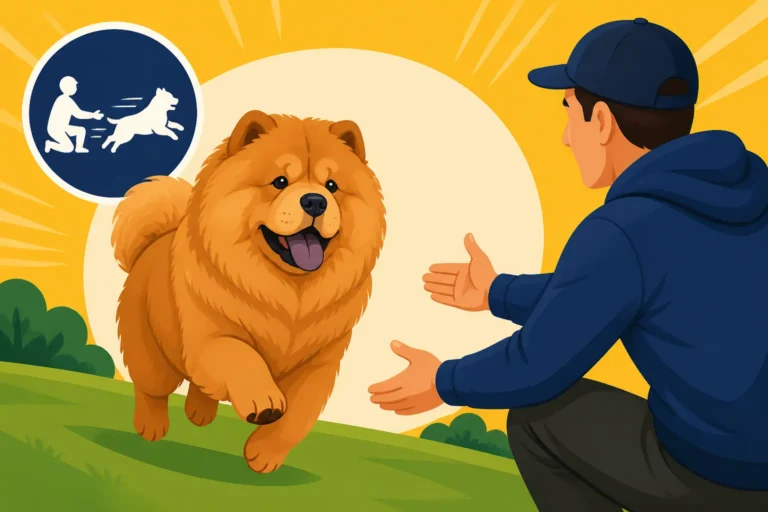
Increased responsiveness to your cues is another strong sign. If they start listening to your commands more readily, or consistently look to you for direction during walks or in new situations, their trust in your leadership is growing. Their body language will also become more relaxed around you: a softer gaze, a less stiff posture, or even a subtle leaning into your hand when you pet them. When they initiate physical contact, even a gentle nudge with their head or a lean against your leg, it's a huge sign of affection for this breed. They might even bring you a toy, a rare gesture for some Chows. For a deeper dive into their unique communication style, you might enjoy reading How a Chow Chow Shows Affection.
| Bond Strength Indicator | Low Bond (Tolerates) | Shifting/Deepening Bond | Strong Bond (Primary) |
|---|---|---|---|
| Physical Proximity | Stays in a different room, keeps distance | Chooses to lie in same room, watches you | Often near you, seeks gentle contact |
| Eye Contact | Avoids direct eye contact | Brief, soft glances; acknowledges you | Sustained soft eye contact, responsive |
| Response to Voice | May ignore or offer minimal acknowledgment | Ears may perk, head turn, subtle acknowledgment | Direct attention, often comes when called (reliably) |
| Affection Seeking | Never initiates physical contact | May lean or offer a head nudge occasionally | Initiates gentle physical contact, trusts handling |
| Relaxation Level | Often watchful, may seem reserved | More relaxed, may sigh or sprawl near you | Fully relaxed, sleeps soundly in your presence |
| Following | Stays put, uninterested in your movement | May follow you from room to room casually | Actively follows you, tracks your location |
| Grooming/Handling | Resists, tenses up, needs firm handling | Tolerates, may lean into brush or accept touch | Accepts handling with minimal resistance, relaxed |
These indicators, particularly when observed consistently over time, signal that your Chow Chow is increasingly seeing you as a trusted, important figure in their life. It's a beautiful process of earning their deep, quiet devotion.
Disclaimer
This article is for general informational purposes only and does not constitute professional advice. Laws, prices and regulations vary by location and change over time. Consult a qualified professional for guidance on your specific situation.