How Sun Worsens a Chow Chow’s Pemphigus
For Chow Chow owners whose beloved fluffy companions suffer from Pemphigus Foliaceus, the simple joy of a sunny day can unfortunately turn into a source of anxiety. Managing this challenging autoimmune skin condition is a delicate balance, and sunlight, surprisingly, can be a major trigger for flare-ups. This comprehensive guide will delve into precisely how sun exposure exacerbates Pemphigus in your Chow Chow and equip you with practical, empathetic strategies to keep them comfortable and healthy.
Understanding Pemphigus Foliaceus in Chow Chows
Pemphigus Foliaceus (PF) is an autoimmune skin disease that, while rare, is seen more frequently in certain breeds, including our beautiful Chow Chows. It’s a condition where the dog’s immune system, which is normally designed to protect the body from foreign invaders like bacteria and viruses, mistakenly attacks the connections between its own skin cells. This self-inflicted attack leads to a breakdown in the skin’s outermost layer, causing uncomfortable and often painful lesions. It's a truly frustrating and distressing condition for both the dog and their devoted human.
What is Pemphigus Foliaceus?
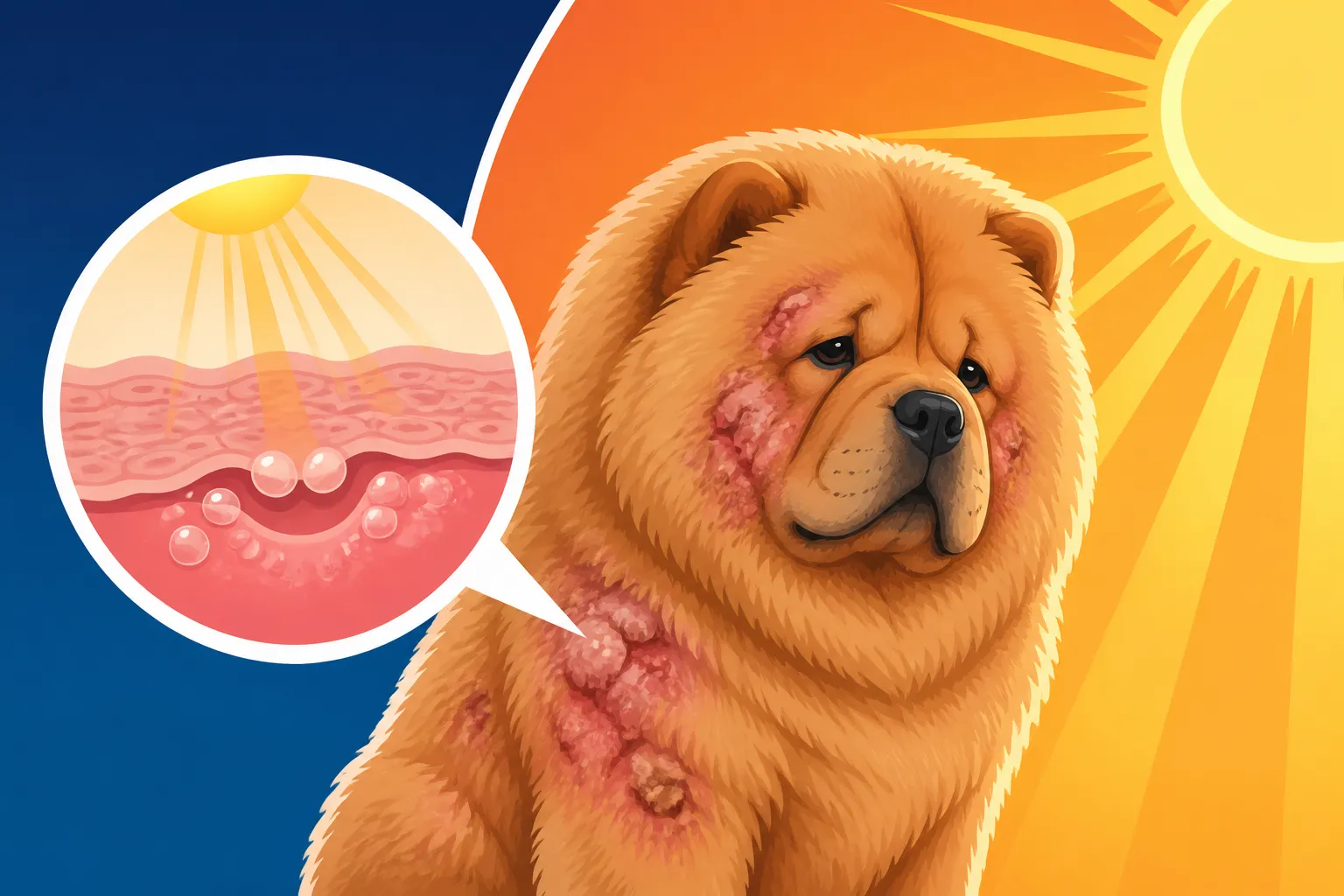
Imagine your Chow Chow's skin as a meticulously constructed brick wall, where each brick is a skin cell held together by a special mortar. In a dog with Pemphigus Foliaceus, the immune system targets and destroys this "mortar." Specifically, it attacks the desmosomes, which are cellular structures responsible for cell-to-cell adhesion. When these desmosomes are compromised, the skin cells separate, forming fluid-filled blisters just under the very top layer of the epidermis. These blisters are usually fragile and rupture quickly, leaving behind crusts, scales, and erosions. It's a chronic condition, meaning it often requires lifelong management, which can be a significant commitment for owners. Learning more about What Pemphigus Foliaceus Does to a Chow Chow can provide a deeper understanding of this complex disease.
Common Signs of Pemphigus in Chows
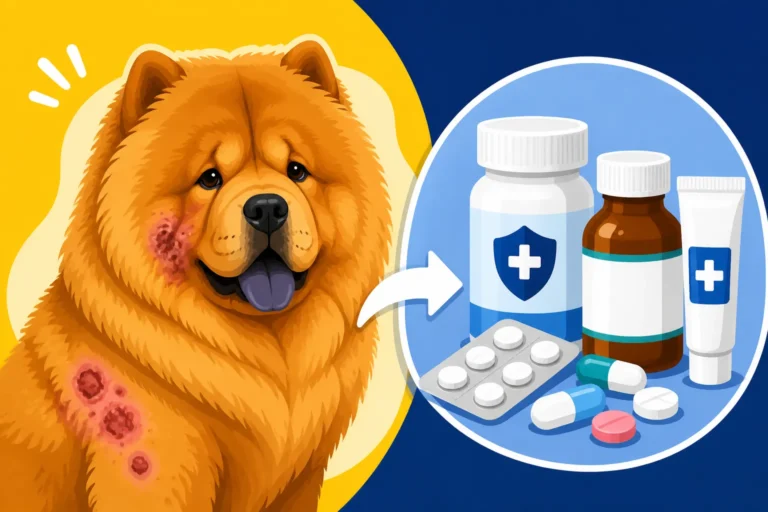
The visible signs of Pemphigus Foliaceus can vary, but they often start subtly before progressing. Owners might first notice small, pus-filled bumps (pustules) that quickly burst and form yellowish or brownish crusts. These lesions are typically symmetrical and can appear on various parts of the body. In Chow Chows, these crusts frequently appear on the bridge of the nose, around the eyes, on the ear flaps (pinnae), and on the paw pads. Sometimes, you might see them developing in the groin or armpit areas, or even generalized across the body.
Beyond the visible lesions, your Chow Chow might experience itchiness, redness, and discomfort. In more severe cases, the paw pads can become thickened, cracked, and painful, making walking difficult. You might also notice hair loss in affected areas. It’s crucial to recognize these Signs a Chow Chow Has an Autoimmune Skin Disease early, as prompt veterinary attention can make a significant difference in managing the condition and improving your dog's quality of life. This is where comprehensive pet insurance, like plans offered by Healthy Paws, can be a real lifeline, covering the often considerable costs associated with diagnosing and treating chronic conditions.
The Sun's Role in Pemphigus Flare-ups
While Pemphigus Foliaceus is an autoimmune disease, external factors can significantly influence its severity and frequency of flare-ups. Sunlight, specifically ultraviolet (UV) radiation, is a well-documented trigger and aggravator of PF in both humans and animals. For a Chow Chow already battling this condition, exposure to strong sunlight can turn a manageable situation into a painful ordeal.
UV Radiation and Immune Response
Think of UV radiation as a signal amplifier for an already overactive immune system. When your Chow Chow’s skin is exposed to UV light, it causes damage at a cellular level, even if it’s not a visible sunburn. In dogs susceptible to Pemphigus, this cellular damage acts like a stressor, further stimulating the immune response. This heightened immune activity can then lead to an increased attack on the skin's desmosomes, resulting in more widespread or severe lesion formation. It's not necessarily a direct burn that causes the Pemphigus lesions, but rather the UV light triggering a more aggressive autoimmune reaction within the skin itself. For instance, a quick morning stroll that might seem harmless can still expose your sensitive Chow Chow to enough UV to kickstart this detrimental cascade. This is particularly relevant when considering the impact of a broader Autoimmune Disease in a Chow Chow.
Specific Areas Affected by Sun
The areas of your Chow Chow most susceptible to sun-induced Pemphigus flare-ups are those with thinner hair or less pigment, and those that receive direct sun exposure. The bridge of the nose, the muzzle, and the ear flaps are prime targets. These spots are often where the initial lesions of Pemphigus tend to appear anyway, making them doubly vulnerable. For example, if your Chow Chow loves to nap in a sunbeam, even indoors through a window, these facial areas can still be affected by UVA rays.
The skin on their belly, inner thighs, and even the paw pads can also be susceptible, especially if they enjoy lying on their back in the sun. The thicker, denser coat of a Chow Chow might offer some protection on the main body, but it's important to remember that the sun's rays can still penetrate, especially during peak hours. Understanding Where Pemphigus Appears on a Chow Chow First can help you monitor these vulnerable spots closely and act proactively to prevent sun exposure from worsening the condition. If you notice any changes in these areas, even if your dog is already on medication, it's a clear sign that sun protection needs to be ramped up.
Strategies for Protecting Your Chow Chow from the Sun
Protecting a Chow Chow with Pemphigus from the sun requires a dedicated and proactive approach. It's not just about avoiding sunburn; it's about minimizing any UV exposure that could trigger a flare-up of their underlying autoimmune condition. With some careful planning and a few adjustments to your routine, you can significantly reduce the risk and keep your furry friend more comfortable.
Timing Walks and Outdoor Activities
One of the most effective strategies is to simply avoid the hours when the sun's UV index is at its highest. This typically means steering clear of outdoor activities between 10 AM and 4 PM, especially during warmer months. During these times, the sun's rays are most intense and can inflict the most cellular damage, increasing the risk of a Pemphigus flare-up. Instead, schedule walks and outdoor playtime for early morning or late evening. Think of it this way: if the asphalt is too hot for your bare hand, it's definitely too hot (and too sunny) for your Chow Chow's sensitive skin and paws.
For instance, aim for a walk before 8 AM or after 6 PM. These cooler, less sunny periods are not only safer for their skin but also crucial given that Heat Is the Chow Chow's Most Immediate Danger, reducing the risk of overheating due to their dense double coat. Even on cloudy days, UV rays can penetrate, so maintaining this schedule is still vital. Checking the local UV index can become a routine, much like checking the weather, helping you make informed decisions about when it's truly safe for your Chow Chow to enjoy the outdoors.
Physical Barriers and Sun Protection
Beyond timing, creating physical barriers against the sun is key. This involves a multi-pronged approach:
- Seek Shade: When outdoors, always ensure your Chow Chow has access to ample shade from trees, umbrellas, or covered patios. If you're at a park, choose shady spots for rests.
- Protective Clothing: Consider specially designed dog apparel that offers UV protection. Lightweight, breathable UV-blocking shirts or vests can cover large areas of the body. For their sensitive faces and ears, specialized dog hats or visors can be surprisingly effective, though getting a Chow Chow to wear one might require some patient positive reinforcement! Brands like Ruffwear or Hurtta offer robust options, but ensure any clothing allows for proper airflow to prevent overheating.
- Dog-Specific Sunscreen: This is a crucial tool, but only use sunscreens specifically formulated for dogs. Human sunscreens often contain zinc oxide or para-aminobenzoic acid (PABA), which can be toxic if ingested (and Chows will inevitably try to lick it off). Look for products without these ingredients, ideally with a physical blocker like titanium dioxide that is non-toxic. Apply it generously to vulnerable, sparsely haired areas like the bridge of the nose, ear tips, and any exposed belly skin. Always do a patch test first to ensure no adverse reactions.
- Indoor Sun Exposure: Don't forget that UVA rays can penetrate windows. If your Chow Chow loves to bask in sunbeams indoors, consider sheer curtains or UV-blocking films on windows in their favorite napping spots.
The goal is to create a comprehensive shield, much like a layered defense, against those harmful UV rays. This preventative care can significantly reduce the severity and frequency of Pemphigus flare-ups.
Managing Flare-Ups and Veterinary Care
Despite your best efforts, flare-ups can still occur. When they do, prompt and consistent veterinary care is paramount. Your vet will likely prescribe medications to manage the autoimmune response and alleviate symptoms. These often include corticosteroids like prednisone, which help suppress the immune system. Other medications, such as azathioprine or cyclosporine, might be used, often in combination with steroids, to minimize steroid side effects and achieve better long-term control. Understanding Which Medication a Chow Chow With Pemphigus Takes is essential for proper administration and monitoring.
During a flare-up, you might need to increase the frequency of medicated baths to soothe the skin and prevent secondary bacterial infections. Your vet might also prescribe topical treatments or antibiotics if infection is present. It’s a challenging time, and open communication with your veterinary dermatologist is crucial. They can adjust dosages and recommend supportive therapies to keep your Chow Chow as comfortable as possible. Remember, treating Pemphigus can involve significant costs, from consultations with specialists to ongoing medication, making pet insurance from providers like Healthy Paws a valuable consideration for peace of mind.
Long-Term Management and Living with Pemphigus
Living with a Chow Chow diagnosed with Pemphigus Foliaceus means embracing a commitment to lifelong care and diligent management. This isn't a condition that simply goes away; it requires continuous vigilance, medical adherence, and a strong partnership with your veterinary team. While the initial diagnosis might feel overwhelming, many Chows with Pemphigus can live full, happy lives with appropriate management.
Dietary Considerations and Supplements
While diet doesn't cure Pemphigus, some owners explore its role in managing autoimmune conditions. There's no one-size-fits-all answer, and any significant dietary changes should always be discussed with your veterinarian or a veterinary nutritionist. Some theories suggest that certain food allergens or ingredients might contribute to immune system overactivity in susceptible individuals. Therefore, some owners consider novel protein diets or limited ingredient diets to see if it reduces overall inflammatory responses.
Additionally, certain supplements are often recommended to support skin health and reduce inflammation. Omega-3 fatty acids, like those found in fish oil, are powerful anti-inflammatories and can help improve skin barrier function and coat quality. Antioxidants such as Vitamin E can also be beneficial in protecting cells from oxidative stress. Always ensure any supplements are vet-approved and dosed correctly for your Chow Chow's specific needs, as improper supplementation can sometimes do more harm than good.
Regular Monitoring and Vet Visits
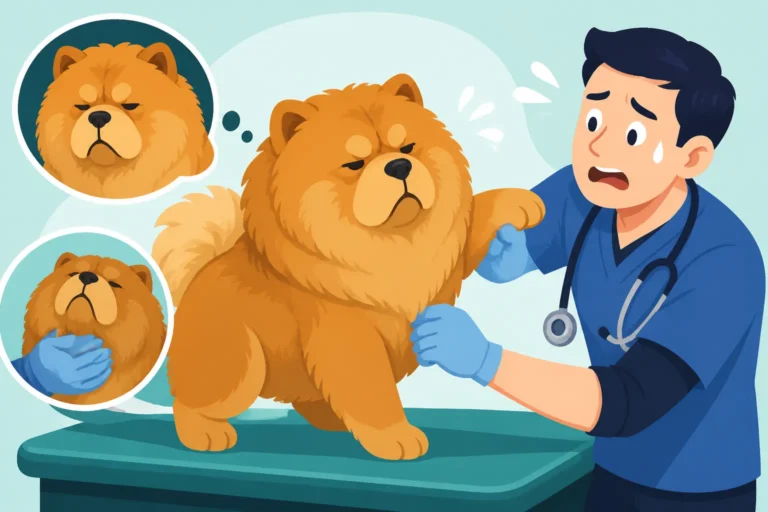
Because Pemphigus Foliaceus is a chronic condition, regular monitoring and frequent vet visits are non-negotiable. Initially, these visits might be more frequent as your vet works to stabilize the condition and find the optimal medication protocol. Once stable, your Chow Chow will still need routine check-ups to monitor their overall health, assess the effectiveness of medication, and watch for any signs of relapse or side effects. This might include blood work to check organ function, especially if they are on long-term immunosuppressants.
Your vet will also evaluate for any secondary infections, which are common in compromised skin. You'll become an expert in observing your Chow Chow's skin daily, noting any new lesions, increased redness, or changes in behavior that might indicate discomfort. Maintaining a detailed log of flare-ups, sun exposure, and medication responses can be incredibly helpful for your vet in tailoring the long-term treatment plan. It’s important to understand that Whether Pemphigus Is Lifelong in a Chow Chow is generally yes, meaning these regular check-ups become a permanent part of their care. Remember, providers like Healthy Paws can help with the financial aspect of these ongoing veterinary expenses, making consistent care more accessible.
Here’s a helpful table summarizing key considerations for sun exposure:
| Factor | Risk for Chow Chows with Pemphigus | Recommended Action |
|---|---|---|
| Peak Sun Hours | High (10 AM – 4 PM) | Avoid outdoor exposure, schedule walks for early morning or late evening. |
| Cloudy Days | Moderate | UV rays still penetrate, maintain protective measures and timing. |
| Direct Sunlight | Very High | Seek shade immediately, use physical barriers. |
| Nose/Ears/Pads | Highest | Apply dog-safe sunscreen to these areas; use hats/visors if tolerated. |
| Indoor Sunbeams | Low to Moderate | Consider UV-blocking window films or curtains in favorite resting spots. |
| Unprotected Skin | Extremely High | Always use appropriate dog-safe sunscreens or protective clothing. |
Remember that diligent, loving care and a strong partnership with your veterinarian will give your Chow Chow the best possible chance at a comfortable life, even with the challenges of Pemphigus Foliaceus.
Disclaimer
This article is for general informational purposes only and does not constitute professional advice. Laws, prices and regulations vary by location and change over time. Consult a qualified professional for guidance on your specific situation.