Which Cancers a Chow Chow Gets
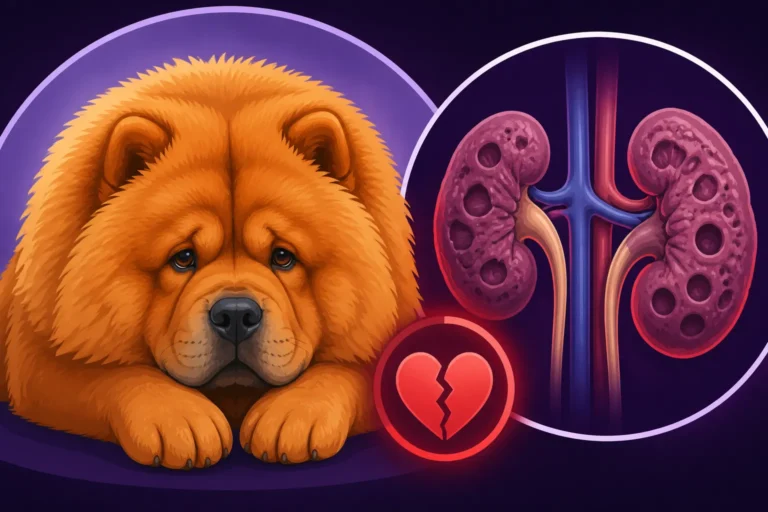
It's one of the most heartbreaking diagnoses any of us can hear for our beloved companions: cancer. As Chow Chow owners, we often worry about their unique health challenges, from their eyes to their joints, but the specter of cancer looms over every breed. This guide is here to walk you through the types of cancers that Chow Chows are unfortunately susceptible to, helping you understand what to look for, when to act, and how to give your furry friend the best chance at a long, happy life.
Understanding Cancer Risk in Chow Chows
The thought of cancer can feel overwhelming, and it's natural to feel a knot in your stomach at the mere mention of it. Like all purebred dogs, Chow Chows have certain genetic predispositions that can make them more prone to specific health issues, including some forms of cancer. While it's impossible to predict if your Chow Chow will get cancer, being aware of the common types and their signs is your best defense. Their dense coats and often aloof nature can sometimes make early detection a real challenge, as they are masters at masking discomfort until a problem becomes quite advanced.
Melanoma: A Hidden Threat in Pigmented Mouths
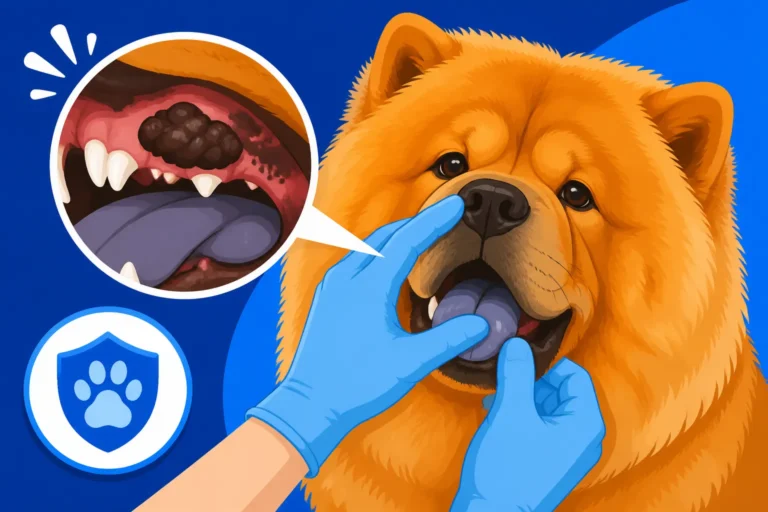
One of the most insidious cancers in Chow Chows, and indeed in many breeds with pigmented mucous membranes, is melanoma. We often associate melanoma with skin exposed to the sun in humans, but in dogs, it frequently appears in the mouth, around the nails, or on the eyelids. For a Chow Chow, with their distinctive blue-black tongues and often dark gums and palate, these oral melanomas can be incredibly difficult to spot in their early stages. You might not notice a small, dark lesion blending into the natural pigmentation until it's grown significantly or started causing your dog discomfort.
Oral melanoma is particularly aggressive. It can spread rapidly to nearby lymph nodes and even to distant organs like the lungs. The challenge lies in that initial detection. Imagine trying to see a tiny black spot on an already dark surface—it's like looking for a needle in a haystack, especially if your Chow Chow isn't keen on having their mouth examined. This is why regular, thorough mouth checks are critical, perhaps even more so for a Chow Chow. You're looking for any changes in texture, raised areas, or ulcerations, not just color changes. Even if it looks like a benign pigmented spot, it's always best to have your veterinarian take a look. Early detection can mean the difference between a localized tumor that can be surgically removed with good margins and a widespread disease. You can learn more about how to check for this specific concern in our piece on How a Chow Chow's Pigmented Mouth Hides Melanoma.
Lymphoma: A Systemic Concern
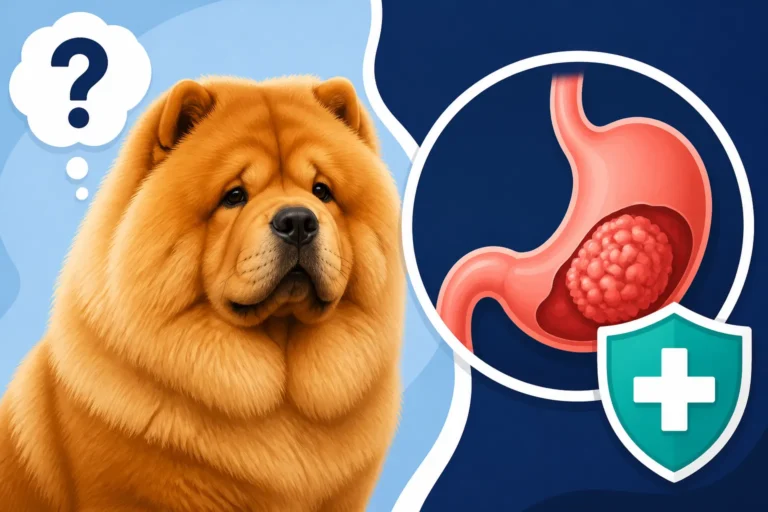
Lymphoma is another significant cancer worry for Chow Chow owners. This type of cancer originates in the lymphocytes, a type of white blood cell, and can affect various organs, including lymph nodes, spleen, liver, and bone marrow. Unlike a localized tumor, lymphoma is often a systemic disease, meaning it can be present throughout the body. There are different forms of lymphoma, including multicentric (affecting multiple lymph nodes), gastrointestinal (affecting the digestive tract), and mediastinal (affecting the chest cavity).
The signs of lymphoma can be subtle and non-specific, which makes diagnosis tricky. For multicentric lymphoma, you might feel enlarged lymph nodes, particularly under the jaw, in front of the shoulders, behind the knees, or in the groin. These usually feel like firm, non-painful lumps. However, a Chow Chow's thick coat can easily hide these swollen nodes, making them hard to detect without a very hands-on examination. If the gastrointestinal tract is affected, you might see vomiting, diarrhea, weight loss, or a decreased appetite. Mediastinal lymphoma can cause difficulty breathing or coughing. Because these symptoms can mimic many other less serious conditions, it's crucial to consult your vet if your Chow Chow exhibits any persistent changes in appetite, energy levels, or produces any unexplained lumps. Catching these signs early is paramount; treatments, including chemotherapy, can often lead to remission, giving your Chow Chow more quality time.
Mast Cell Tumors: The Great Pretender
Mast cell tumors are frustratingly common in dogs and can appear almost anywhere on the body, both on or under the skin, or internally. What makes them particularly tricky is their "great pretender" nature; they can look like anything from a benign fatty lump to an insect bite. For a breed like the Chow Chow with its dense coat, even a visible lump can be hard to differentiate from the underlying muscle or fat without a close inspection. These tumors arise from mast cells, which are part of the immune system, and they contain histamine, which can cause local swelling and redness, sometimes referred to as "Darier's sign."
The behavior of mast cell tumors is highly variable. Some are benign and slow-growing, while others are highly aggressive and can metastasize quickly. The grade of the tumor (determined by a pathologist after removal) is crucial in determining prognosis and treatment. You might notice a new lump or bump, or one that changes in size, shape, or texture. It might itch, leading your Chow Chow to lick or chew at it excessively. Since they can mimic so many other skin conditions, any suspicious lump should be aspirated by your vet. A fine needle aspirate (FNA) can often provide a preliminary diagnosis and guide treatment, which typically involves surgical removal. Given how well a Chow Chow's dense coat hides skin issues, regular full-body checks during grooming sessions are vital.
Osteosarcoma: A Threat to Long Bones
Osteosarcoma is an aggressive bone cancer that is more commonly seen in larger and giant breeds, but it can affect Chow Chows as well. This cancer primarily targets the long bones of the limbs—the ones in the leg just above the wrist or below the knee, or near the shoulder or hip. It's an incredibly painful cancer that unfortunately has a poor prognosis, even with treatment, due to its tendency to spread rapidly to the lungs and other bones.
The first sign you might notice is a subtle lameness or limping that seems to come and go. As the disease progresses, the lameness will become more consistent and severe, and your Chow Chow may show extreme pain when the affected limb is touched or moved. You might even feel a firm, painful swelling on the bone itself. It’s easy to dismiss early limping as a minor strain or arthritis, especially in an aging dog. However, if your Chow Chow develops an unexplained lameness, particularly one that persists or worsens, it's crucial to have it checked out promptly with X-rays. Because Chow Chows can be quite stoic and good at hiding pain, as we discuss in How a Chow Chow Hides Pain, by the time they show clear signs, the cancer may be quite advanced. This is where your keen observation skills become their best advocate.
Recognizing the Subtle Signs of Cancer in Your Chow Chow
Detecting cancer early in a Chow Chow can be a real challenge. Their naturally stoic demeanor means they often don't express pain or discomfort readily, and their impressive double coat can hide lumps and bumps for months. It’s up to us, their devoted companions, to be vigilant and know what subtle shifts to look for. Think of yourself as their personal health detective.
Changes in Appetite and Weight
One of the most common, yet easily overlooked, signs of underlying illness, including cancer, is a change in your Chow Chow's appetite or weight. Has your Chow Chow, who typically enjoys their meals, started leaving food behind? Are they suddenly uninterested in treats they once loved? A sustained decrease in appetite can signal discomfort, nausea, or a systemic illness. Conversely, some cancers can lead to an unexplained weight loss, even if your dog seems to be eating normally. This "cancer cachexia" means the cancer cells are consuming nutrients rapidly, leading to muscle wasting despite adequate food intake. Regularly weighing your Chow Chow and feeling their body condition during grooming can help you spot these changes, as their dense coat can make weight loss less obvious visually. Our article, How a Chow Chow's Coat Hides Weight Loss, offers more insights.
Unexplained Lumps, Bumps, or Swellings
This might seem obvious, but with a Chow Chow's voluminous fur, finding a new lump can be like searching for a tiny stone in a thick rug. When you're brushing your Chow Chow, especially during their twice-yearly coat blows, use your fingers to feel all over their body. Pay close attention to areas like their neck, armpits, groin, and behind their knees, where lymph nodes are located. Any new lump, bump, or swelling, no matter how small, warrants a veterinary check. Not all lumps are cancerous, of course, but it’s always better to be safe than sorry. Remember, mast cell tumors can mimic benign fatty tumors, so don't assume.
Lethargy and Behavioral Changes
A Chow Chow is not typically a high-energy dog, but you know your dog's normal level of activity. If they seem more tired than usual, less interested in walks or playtime, or simply sleep more throughout the day, it could be a sign something is amiss. Lethargy can be a symptom of many health problems, including systemic cancers that cause fatigue or anemia. Beyond physical energy, also watch for changes in behavior. Is your Chow Chow more irritable, withdrawn, or seeking solitude more than usual? Pain or discomfort due to cancer can certainly alter their usual calm demeanor, making them more reluctant to interact or even a bit snappy if touched in a sore spot. They might also become less tolerant of being groomed or having their feet handled, which can be a sign of discomfort or pain.
Persistent Lameness or Difficulty Moving
As we touched on with osteosarcoma, unexplained lameness is a serious red flag, especially if it doesn't resolve with a day or two of rest. Bone cancer is intensely painful, and while a Chow Chow's straight rear legs and somewhat stiff gait can sometimes mask minor issues, persistent limping, favoring a limb, or reluctance to bear weight should never be ignored. Beyond bone cancer, lameness can also indicate nerve involvement from a spinal tumor or muscle weakness from systemic disease. If your Chow Chow starts having trouble getting up, going up stairs, or shows stiffness that doesn't improve after they've moved around a bit, it's time for a veterinary visit.
Here's a quick guide to common cancer types and what to watch for:
| Cancer Type | Common Locations | Key Symptoms to Watch For | Severity & Prognosis |
|---|---|---|---|
| Oral Melanoma | Mouth (gums, tongue, lips), nail beds, eyelids | Dark, raised, or ulcerated lesions in mouth; swelling; bleeding; difficulty eating | Highly aggressive, metastasizes quickly. Early detection is crucial for better prognosis. |
| Lymphoma | Lymph nodes (neck, armpit, groin), spleen, liver, GI tract | Enlarged, non-painful lymph nodes; weight loss; vomiting/diarrhea; lethargy; poor appetite | Variable, depends on type and stage. Often responsive to chemotherapy, but recurrence common. |
| Mast Cell Tumors | Skin (anywhere), internal organs | New or changing lumps/bumps (may be red, itchy, swollen); vomiting/diarrhea (internal) | Variable, from benign to highly aggressive. Grade determines prognosis and treatment. |
| Osteosarcoma | Long bones (legs, ribs, spine) | Persistent lameness; swelling of affected bone; severe pain | Highly aggressive, painful, often metastasizes. Poor prognosis even with treatment. |
| Hemangiosarcoma | Spleen, liver, heart, skin | Weakness; pale gums; distended abdomen; sudden collapse; skin masses (less common) | Highly aggressive, often fatal due to internal bleeding. |
| Mammary Tumors | Mammary glands (females, intact or spayed) | Lumps/masses in mammary tissue, can be single or multiple | Variable, about 50% are malignant. Early spaying significantly reduces risk. |
When to Seek Veterinary Care and What to Expect
No one wants to hear that their beloved Chow Chow might have cancer, but putting off a veterinary visit when you suspect something is wrong can significantly impact their prognosis. If you notice any of the subtle signs we've discussed, it's always best to get it checked out promptly. Your vet is your partner in your Chow Chow's health, and early detection truly matters.
The Initial Veterinary Visit and Diagnostics
When you bring your Chow Chow to the vet with concerns about a lump, lameness, or general unwellness, your veterinarian will start with a thorough physical examination. This is their opportunity to feel for enlarged lymph nodes, palpate the abdomen, listen to the heart and lungs, and closely inspect any areas of concern. Be prepared to provide a detailed history of what you've observed—when did the symptoms start? Have they changed? What's their appetite like? Your observations are invaluable.
Depending on the findings, your vet may recommend a series of diagnostic tests. These can include:
- Fine Needle Aspirate (FNA): For superficial lumps and enlarged lymph nodes, an FNA is a quick and relatively non-invasive procedure where cells are drawn out with a needle and examined under a microscope. This can often provide an immediate preliminary diagnosis for mast cell tumors, lymphoma, or even confirm a benign fatty tumor.
- Biopsy: If an FNA is inconclusive or if the lesion is internal, a biopsy may be needed. This involves taking a larger tissue sample, either surgically or using a specialized needle, for a more definitive diagnosis by a veterinary pathologist.
- Bloodwork: Comprehensive blood tests, including a complete blood count (CBC) and a biochemistry panel, can reveal systemic effects of cancer, such as anemia, inflammation, or organ dysfunction. While not diagnostic for cancer itself, they provide crucial information about your Chow Chow's overall health and ability to withstand treatment. Our article, What a Chow Chow's Yearly Bloodwork Should Cover, gives more detail.
- Imaging: X-rays are commonly used to check for bone tumors (like osteosarcoma) or to look for spread to the lungs. Ultrasounds are excellent for examining abdominal organs like the spleen, liver, or lymph nodes. In some cases, more advanced imaging like CT scans or MRI might be recommended for a detailed view of specific areas.
- Urinalysis: A routine urine test can help assess kidney function and detect other underlying issues.
Understanding that these tests are not just about finding cancer, but also about assessing your dog's overall health, can help you prepare for the process. While sometimes challenging for a wary Chow Chow, your vet will ensure your dog's comfort. You may find that a vet with a "Fear Free" approach is particularly beneficial for your Chow Chow, as discussed in Whether a Chow Chow Needs a Fear Free Practice, helping to make these necessary visits less stressful.
Treatment Options and Prognosis
Once a diagnosis is made, your vet will discuss treatment options. These can vary widely depending on the type of cancer, its stage, and your Chow Chow's overall health. Options may include:
- Surgery: For localized tumors, surgical removal is often the first and most effective treatment. The goal is to remove the entire tumor with clean margins, meaning no cancer cells are left behind.
- Chemotherapy: This involves using drugs to kill cancer cells throughout the body. It's often used for systemic cancers like lymphoma or as an adjuvant therapy after surgery to reduce the risk of recurrence. While the word "chemotherapy" can sound scary, veterinary chemotherapy is generally much less intense than human chemotherapy, with fewer side effects.
- Radiation Therapy: This uses high-energy radiation to target and kill cancer cells. It's often used for localized tumors that are difficult to remove surgically or to shrink tumors to improve comfort.
- Palliative Care: For advanced cancers or when aggressive treatment isn't feasible or desired, palliative care focuses on managing pain and symptoms to maintain your Chow Chow's quality of life. This can include pain medication, anti-inflammatory drugs, and nutritional support.
The prognosis, or outlook, for your Chow Chow will depend heavily on the specific cancer, how early it was detected, and their response to treatment. Your vet will provide you with the most realistic assessment possible, helping you make informed decisions that are right for your family and your beloved companion.
Managing Cancer Risk and Supporting Your Chow Chow
While we can't completely prevent cancer, there are definite steps you can take as a Chow Chow owner to help mitigate risk and support their health. It's about proactive care and providing the best possible environment for them.
Regular Health Check-ups and Screening
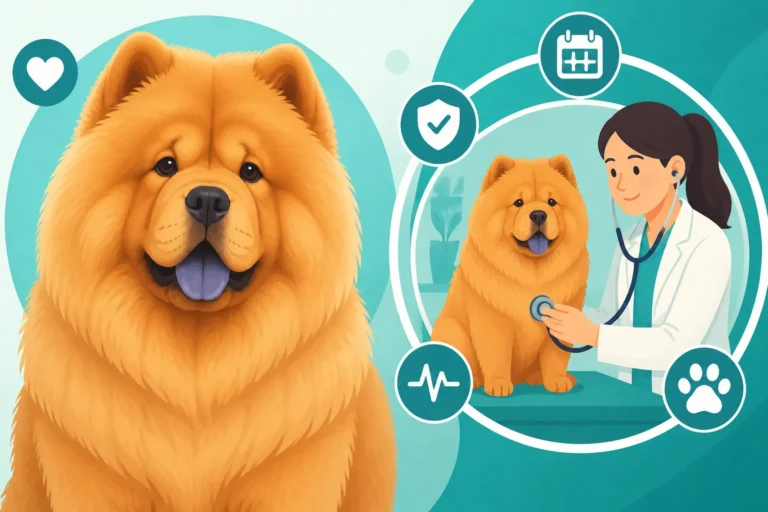
Consistent veterinary care is your Chow Chow's first line of defense against cancer. Yearly wellness exams, and even twice-yearly check-ups for senior Chows, are crucial. During these visits, your vet can perform a thorough physical exam, checking for lumps, examining the mouth, and palpating lymph nodes. These routine visits also provide an opportunity for crucial conversations about any changes you've noticed. For older Chows, particularly those over the age of eight, more frequent check-ups and routine bloodwork can help detect issues before they become emergencies. This aligns with advice on caring for an aging Chow Chow, as discussed in Caring for a Chow Chow Past Eight.
Consider regular screening measures, especially as your Chow Chow ages:
- Oral Health Checks: As mentioned, Chow Chows are prone to oral melanoma. Regularly inspecting their mouth and getting professional dental cleanings can also allow for thorough oral exams under anesthesia, potentially revealing hidden lesions.
- Palpation During Grooming: Your daily or weekly grooming sessions aren't just for keeping their magnificent coat healthy; they're also prime opportunities for you to feel for any new lumps or bumps. Run your hands over every inch of their body, from nose to tail, checking for changes under their thick fur.
- Yearly Bloodwork and Urinalysis: These tests can sometimes flag subtle changes that might indicate underlying health issues, even if they aren't specific to cancer. For instance, unexplained anemia could prompt further investigation into potential internal bleeding from a splenic tumor like hemangiosarcoma.
Diet, Weight Management, and Environment
Nutrition plays a vital role in overall health, and while no specific diet can prevent all cancers, a balanced, high-quality diet supports a strong immune system. Avoid excessive processed foods and focus on whole, recognizable ingredients. Maintaining a healthy weight is also paramount. Obesity can contribute to inflammation and puts extra strain on their joints and organs, which can indirectly impact cancer risk. It also makes it harder to feel for lumps. Remember, a Chow Chow should be kept at a weight its elbows can carry, a topic further explored in Keeping a Chow Chow at the Weight Its Elbows Can Carry.
Environmental factors are also worth considering. While Chows are indoor dogs, minimizing exposure to environmental carcinogens like secondhand smoke, certain lawn chemicals, and excessive sun exposure (especially for their nose and eyelids) can contribute to a healthier life. Ensuring they have access to clean, fresh water and a stable, comfortable environment supports their immune system.
The Role of Pet Insurance
Facing a cancer diagnosis can be emotionally devastating, and the financial burden of treatment can be substantial. This is where a good pet insurance plan can offer immense peace of mind. Companies like Healthy Paws offer coverage that can help with the costs of diagnostics, surgeries, chemotherapy, radiation, and even alternative therapies if needed. Planning for these eventualities when your Chow Chow is young and healthy, before any pre-existing conditions develop, is always the smartest approach. The overall cost of owning a Chow Chow over its lifetime, including potential medical emergencies, can be significant, and insurance can help manage these expenses. Knowing that you have financial support allows you to focus on making the best medical decisions for your furry family member without the added stress of overwhelming bills. The peace of mind that comes from knowing you can afford advanced care for your companion is truly invaluable.
Disclaimer
This article is for general informational purposes only and does not constitute professional advice. Laws, prices and regulations vary by location and change over time. Consult a qualified professional for guidance on your specific situation.