What Pemphigus Foliaceus Does to a Chow Chow
It's truly heartbreaking when your beautiful, dignified Chow Chow starts to suffer from perplexing skin issues, and you feel utterly helpless watching them itch, scratch, or develop crusty sores. These symptoms can be incredibly distressing for both you and your beloved companion, often pointing to something more serious than just a typical allergy. Among the more challenging skin conditions a Chow Chow can face is Pemphigus Foliaceus, a complex autoimmune disease that demands a deep understanding and dedicated management. This comprehensive guide will walk you through what Pemphigus Foliaceus is, how to recognize its signs, the diagnostic process, and the treatment options available to help your Chow Chow live as comfortably as possible.
What Exactly is Pemphigus Foliaceus in Chow Chows?
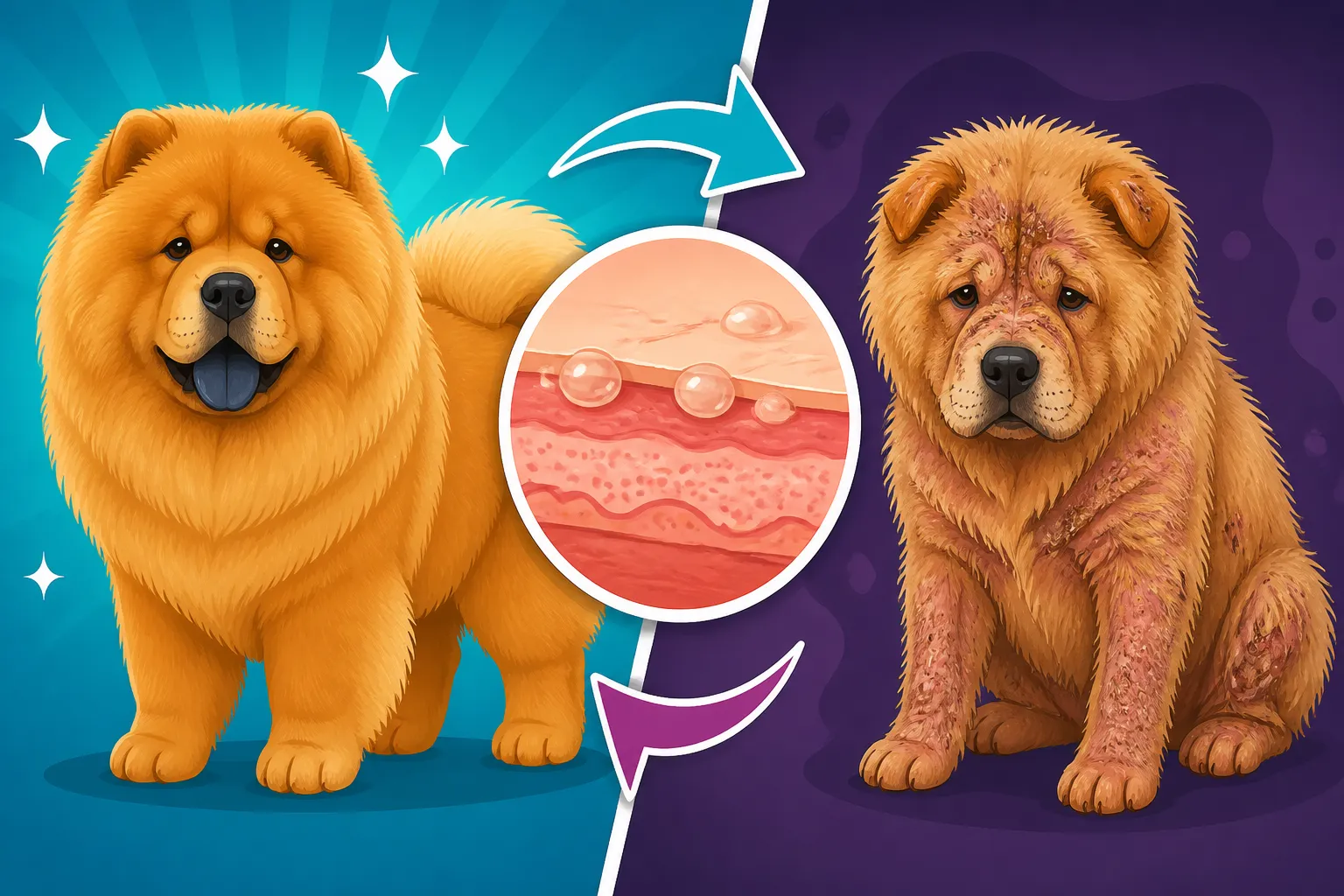
When we talk about Pemphigus Foliaceus (PF), we're delving into a condition where your Chow Chow's own immune system, which is supposed to protect them from harm, actually turns against their body. Specifically, it targets the glue that holds skin cells together in the outermost layer of the skin, the epidermis. Imagine the cells of your dog's skin are bricks in a wall, and the mortar holding them together suddenly starts to dissolve. This is essentially what happens with PF, leading to fragile skin that forms blisters and crusts. It’s a chronic, often lifelong, journey for both you and your furry friend.
An Autoimmune Attack on the Skin
Pemphigus Foliaceus is classified as an autoimmune disease, which means the body's immune system mistakenly identifies its own cells as foreign invaders. In the case of PF, the immune system produces antibodies against a specific protein called desmoglein-1, which is crucial for cell-to-cell adhesion within the epidermis. Without these proteins functioning correctly, the skin cells separate, creating tiny pockets of fluid just under the surface, which quickly rupture to form erosions and crusts. It’s a fascinating, yet devastating, biological process to witness in your pet. This is one of the reasons why understanding Why a Chow Chow's Immune System Attacks Its Skin is so vital for Chow Chow owners, as their breed seems particularly prone to these kinds of immune-mediated responses.
What makes this condition particularly challenging is its unpredictable nature. While genetics are suspected to play a role in the predisposition of certain breeds like the Chow Chow, the exact trigger for why an individual dog develops PF often remains elusive. It could be linked to stress, certain medications, or even environmental factors, but frequently, it simply appears without an obvious cause. Owners often struggle with the "why," but the focus quickly shifts to effective management once a diagnosis is made.
The Difference Between Pemphigus Foliaceus and Other Skin Conditions
It's easy to confuse Pemphigus Foliaceus with other common skin issues, especially since many conditions manifest with similar symptoms like itching, redness, and scabbing. However, PF has some distinguishing characteristics. Unlike bacterial infections, which might respond well to antibiotics, or allergies, which often improve with dietary changes or antihistamines, PF is driven by an internal immune malfunction. This means conventional treatments for common skin woes often won't resolve PF, and may even temporarily mask the severity of the underlying problem.
For example, a Chow Chow suffering from contact dermatitis might have red, itchy patches, but these are typically confined to areas that came into contact with an allergen. Food allergies might cause generalized itching and recurrent ear infections. Pemphigus Foliaceus, however, presents with a specific type of lesion – pustules (small pus-filled bumps) that are sterile (not caused by bacteria), and quickly rupture to form crusts. These crusts are often a hallmark of the disease, and differentiating them from the typical scabs of an infection is a critical step for your veterinarian. Understanding these subtle differences is key to getting the correct diagnosis and starting the right treatment path for your Chow Chow.
Recognizing the Early Signs of Pemphigus Foliaceus
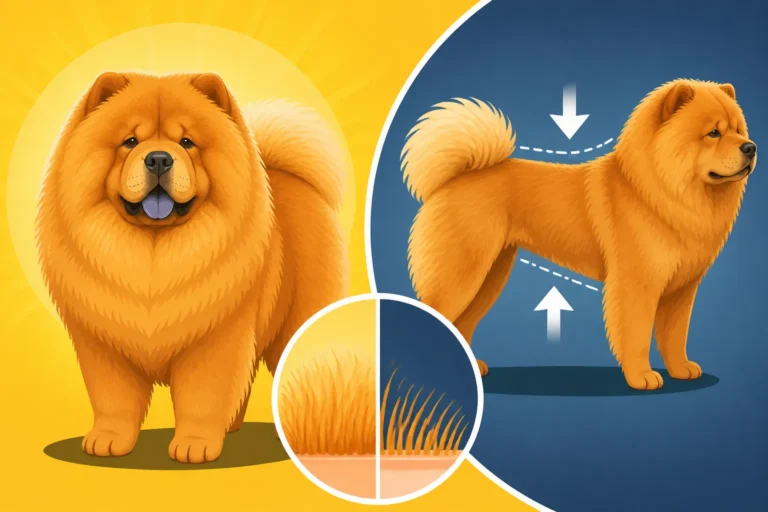
Spotting Pemphigus Foliaceus early can be tricky because its initial symptoms can mimic so many other common skin problems. However, paying close attention to specific areas of your Chow Chow's body and the nature of the lesions can give you a head start. As a breed known for its dense coat, it can be particularly difficult to observe skin changes, highlighting Why a Chow Chow's Dense Coat Hides Skin Disease. Regular grooming and tactile checks are crucial for early detection.
Where Lesions Typically Appear First
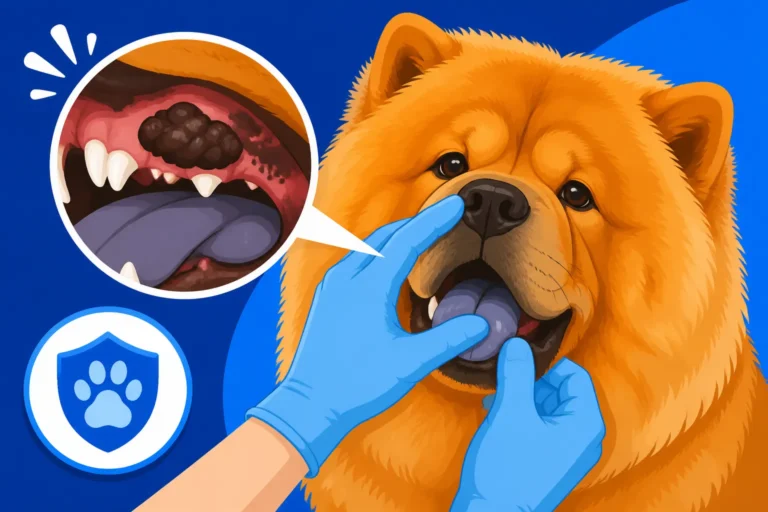
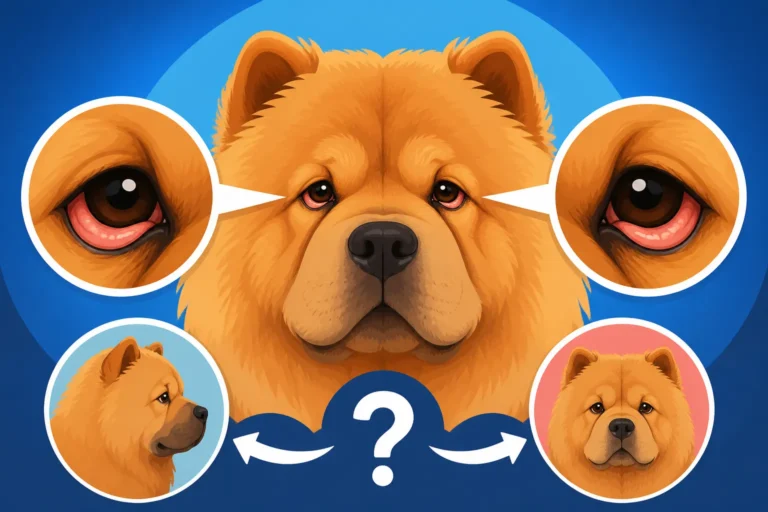
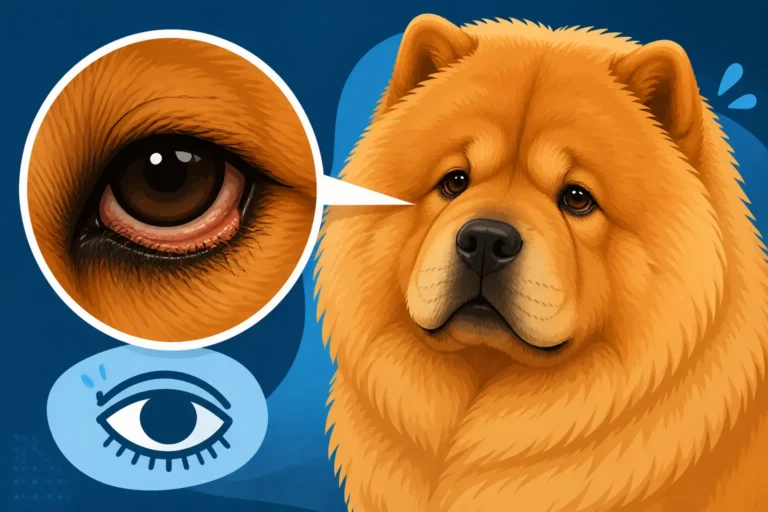
One of the most characteristic aspects of Pemphigus Foliaceus is where the skin lesions tend to start. In many Chow Chows, you'll first notice problems on the face, specifically around the eyes, ears, and nose, including the nasal planum (the black, leathery part of the nose). The bridge of the nose, around the eyelids, and the pinnae (ear flaps) are common starting points. You might see small bumps, redness, or even tiny pustules that quickly break open to form yellowish or brownish crusts. It’s not uncommon for owners to first think their dog has an infection or a severe allergic reaction in these sensitive facial areas.
Beyond the face, these tell-tale crusts can also appear on the paw pads, causing them to become thickened, cracked, and sometimes very painful, making walking difficult for your Chow Chow. This can be especially distressing, as your dog might become reluctant to move, or you might notice a subtle lameness. The groin and armpits, being areas of skin folds, are also common sites, as are the nail beds, which can become inflamed and painful. If you notice Where Pemphigus Appears on a Chow Chow First, don't delay in seeking veterinary attention.
The Evolution of Skin Symptoms
Once Pemphigus Foliaceus begins, the lesions tend to spread and evolve. What might start as a few isolated pustules and crusts on the face can gradually expand to cover larger areas of the body. You'll often observe a progression: small blisters (vesicles or bullae, though these are fragile and rarely seen intact) form, then quickly rupture, leading to erosions. These erosions then ooze and dry, forming the thick, yellowish-brown crusts that are so characteristic of PF. The skin underneath these crusts can be red, inflamed, and raw.
Over time, if left untreated, the condition can become generalized, affecting much of the body. Your Chow Chow might experience severe itching, leading to more self-trauma from scratching and rubbing, which can then introduce secondary bacterial infections. These secondary infections can complicate the picture, making diagnosis harder and treatment more challenging. Hair loss (alopecia) in affected areas is also common, and the skin may become hyperpigmented (darkened) or thickened with chronic inflammation. It's a progressive disease, and without intervention, it will almost certainly worsen, causing significant discomfort to your beloved pet. Many owners initially assume it's just really bad allergies or a persistent fungal infection, but the pattern of pustules and crusts, especially on the face and paw pads, is a strong indicator of something more serious.
The Diagnostic Journey for Pemphigus Foliaceus
Getting a definitive diagnosis for Pemphigus Foliaceus can sometimes feel like a long and frustrating road, especially given the similarities to other skin conditions. It's a process that requires a close partnership between you and your veterinarian, and potentially a veterinary dermatologist, to unravel. The goal is not just to treat the symptoms, but to accurately identify the underlying immune dysfunction.
Why a Vet Visit is Crucial
The moment you start noticing persistent or unusual skin issues on your Chow Chow, especially the crusting lesions described, a trip to the vet is absolutely non-negotiable. Self-diagnosing or trying over-the-counter remedies will likely only delay proper treatment and allow the condition to worsen. Your primary veterinarian will begin by taking a thorough history of your dog's symptoms, diet, recent changes in environment, and any medications they might be on. They’ll perform a comprehensive physical examination, paying close attention to the skin lesions, their distribution, and character. This initial assessment is crucial for ruling out more common problems like bacterial skin infections (pyoderma), fungal infections (ringworm), or severe allergic reactions.
During this visit, your vet might perform some initial diagnostic tests. These often include skin scrapings to check for mites (like demodex), fungal cultures, and cytology (examining cells from the skin under a microscope) to look for bacteria, yeast, or inflammatory cells. While these tests can help rule out other conditions, they often won't definitively diagnose PF. If the initial tests don't provide clear answers or point towards an autoimmune issue, your vet might then recommend the gold standard diagnostic procedure: a skin biopsy. Don't underestimate the importance of these first steps, as they lay the groundwork for effective treatment. Pet insurance plans, such as those offered by Healthy Paws, often cover the diagnostic costs associated with these initial veterinary consultations and tests.
The Importance of Biopsy for Confirmation
To definitively diagnose Pemphigus Foliaceus, a skin biopsy is usually required. This involves surgically removing small pieces of affected skin for microscopic examination by a veterinary pathologist. Because the characteristic lesions are often fragile pustules or crusts, your vet will try to select the newest, freshest lesions for biopsy, as these provide the most accurate diagnostic information. In some cases, your Chow Chow might need a mild sedative or general anesthesia for this procedure, especially if the lesions are in sensitive areas or if multiple samples are needed.
The pathologist will examine the biopsy samples for specific cellular changes indicative of PF. They'll look for acantholysis, which is the separation of keratinocytes (skin cells) within the epidermis, leading to the formation of characteristic subcorneal pustules. The presence of these acantholytic cells, often accompanied by neutrophils (a type of white blood cell), without evidence of bacterial infection, is a strong indicator of Pemphigus Foliaceus. Sometimes, special immunofluorescence tests are also performed on the biopsy samples to detect the presence of autoantibodies in the skin. This definitive diagnosis through biopsy is paramount, as it steers the treatment course away from standard skin remedies and towards immunosuppressive therapies specific to autoimmune conditions. Without a biopsy, treating PF is essentially guesswork, and your Chow Chow deserves a precise approach.
Managing Pemphigus Foliaceus: Treatment Options
Once your Chow Chow receives a confirmed diagnosis of Pemphigus Foliaceus, the focus shifts to management. It’s important to understand that PF is a chronic condition, and while it can be controlled, it's rarely "cured" in the traditional sense. The goal of treatment is to suppress the overactive immune system, reduce inflammation, heal the skin lesions, and improve your dog's quality of life. This usually involves a combination of systemic medications and supportive care.
Corticosteroids and Immunosuppressants
The cornerstone of treating Pemphigus Foliaceus in Chow Chows, and indeed in most dogs, involves medications that suppress the immune system. High doses of corticosteroids, such as prednisone or prednisolone, are typically the first line of defense. These powerful anti-inflammatory drugs work quickly to calm the immune response and reduce the skin lesions. However, prolonged use of high-dose steroids can come with significant side effects, including increased thirst and urination, increased appetite, weight gain, muscle weakness, and a higher susceptibility to infections. The veterinary goal is to achieve remission with an initial high dose, and then gradually taper the dosage to the lowest effective level that keeps symptoms at bay, known as a maintenance dose.
Because of the potential side effects of long-term high-dose steroids, many veterinarians will introduce other immunosuppressive medications to help reduce the steroid dose, or even replace it entirely. Common adjunct medications include azathioprine, cyclosporine (like Atopica), and mycophenolate mofetil. These drugs work through different mechanisms to modulate the immune system, and when used in combination with steroids, they can allow for lower steroid dosages, thereby minimizing side effects. Each of these medications comes with its own set of potential side effects and requires careful monitoring through regular blood tests. For owners grappling with the cost of these specialized medications, especially lifelong ones, having pet insurance like Healthy Paws can be a tremendous help in covering these recurring expenses. You might also want to explore Which Medication a Chow Chow With Pemphigus Takes in more detail with your vet.
Topical Therapies and Supportive Care
While systemic medications are crucial for addressing the underlying immune issue, topical therapies play a vital supportive role in managing Pemphigus Foliaceus and alleviating your Chow Chow's discomfort. Medicated shampoos, particularly those with antiseptic or antibacterial properties, can help prevent or treat secondary bacterial infections that often complicate PF lesions. Regular bathing with these shampoos, as recommended by your vet, can also help soften and remove crusts, allowing the skin to heal more effectively. It's important to be gentle during bathing, as the skin can be very fragile.
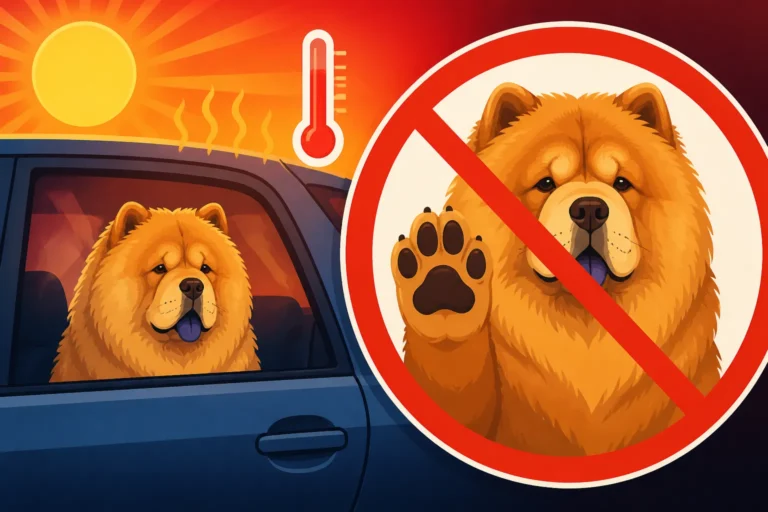
Beyond shampoos, topical steroid creams or ointments can be applied directly to localized lesions to reduce inflammation and itching. These can be particularly useful for areas like the face or paw pads. However, care must be taken to prevent your Chow Chow from licking the topical medications, as ingesting them can lead to systemic side effects or simply render the treatment ineffective. E-collars or protective booties might be necessary in some cases. Additionally, providing a comfortable, clean environment is key to preventing further irritation and infection. Keeping bedding clean and soft, and ensuring your Chow Chow has a cool, shaded place to rest, especially since Heat Is the Chow Chow's Most Immediate Danger, can contribute to their overall comfort and recovery.
Living with a Chow Chow with Pemphigus Foliaceus
Living with a Chow Chow diagnosed with Pemphigus Foliaceus means embracing a journey of ongoing care and vigilant observation. It's a commitment to managing a chronic condition, but with proper treatment and dedication, many Chow Chows can lead full and happy lives. The key is understanding the long-term nature of the disease and how to best support your furry family member.
Long-Term Management and Prognosis
Pemphigus Foliaceus is almost always a lifelong condition, meaning your Chow Chow will likely need some form of medication for the rest of their life. The goal of long-term management is to find the lowest effective dose of medication that keeps your dog in remission, preventing flare-ups while minimizing side effects. This often involves regular veterinary check-ups, potentially every few months, to assess your dog's skin, monitor for any recurrence of lesions, and perform blood tests to check organ function and blood counts, especially if they are on immunosuppressive drugs. It’s crucial to understand that Whether Pemphigus Is Lifelong in a Chow Chow is a question with a resounding "yes" for most cases, so preparation for continuous care is essential.
The prognosis for Chow Chows with Pemphigus Foliaceus is generally good with consistent treatment. Most dogs can achieve remission and maintain a good quality of life. However, owners must be prepared for potential flare-ups, which can be triggered by stress, sun exposure, or even a slight reduction in medication. These flare-ups will necessitate adjusting medication dosages, usually under strict veterinary guidance. It's a delicate balance, and patience is a virtue in managing this condition. Prompt attention to any new lesions or changes in your Chow Chow's condition is paramount to preventing a full-blown relapse.
Protecting Your Chow Chow's Delicate Skin
Beyond medication, supportive care and environmental management are crucial for a Chow Chow with Pemphigus Foliaceus. Their skin is inherently more fragile and susceptible to damage and infection. Protecting their skin from harsh elements is a significant part of their daily care. Sun exposure is a known trigger for flare-ups in some PF cases, and you might notice How Sun Worsens a Chow Chow's Pemphigus. Therefore, limiting exposure to direct sunlight, especially during peak hours, is advisable. If your Chow Chow spends time outdoors, consider applying dog-safe sunscreen to sensitive, less-furred areas, or providing shade options.
Furthermore, meticulous grooming, as discussed in detail under Rough or Smooth: the Two Chow Chow Coats and What Each Needs, is essential to monitor their skin closely and prevent matting, which can hide lesions or exacerbate skin issues. Regularly cleaning skin folds, particularly on the face, can prevent moisture buildup and secondary infections. You might also need to address Whether a Chow Chow's Skin Fold Gets Infected more frequently. Gentle handling, using soft bedding, and preventing excessive scratching (perhaps with an Elizabethan collar during severe flare-ups) will help protect their compromised skin. Staying proactive in these areas can significantly improve your Chow Chow's comfort and reduce the frequency and severity of relapses, ensuring they can enjoy their life to the fullest.
Here's a quick overview of common Chow Chow skin issues versus Pemphigus Foliaceus for comparison:
| Condition | Primary Cause | Typical Appearance | Common Locations | Diagnostic Test | Key Differentiator |
|---|---|---|---|---|---|
| Pemphigus Foliaceus | Autoimmune attack | Pustules, erosions, thick yellow-brown crusts, hair loss | Face (nose, ears, eyes), paw pads, groin, nail beds | Skin Biopsy | Sterile pustules, acantholytic cells in epidermis |
| Allergic Dermatitis | Environmental/Food Allergens | Redness, itching, hives, chronic skin thickening, ear issues | Paws, ears, belly, armpits, groin | Allergy testing, diet trial | No sterile pustules; responds to allergy management |
| Bacterial Pyoderma | Bacterial infection | Pustules, papules, crusts (often moist), hair loss | Trunk, groin, armpits, skin folds | Skin cytology, culture | Presence of bacteria; responds to antibiotics |
| Demodicosis (Mites) | Demodex mites | Hair loss, redness, scales, sometimes pustules | Face, forelegs, trunk (often localized initially) | Deep Skin Scrape | Presence of mites; specific mite treatment required |
| Ringworm (Fungal) | Fungal infection | Circular patches of hair loss, scaling, redness, crusting | Any area, often starts on head or limbs | Fungal culture, Wood's Lamp | Presence of fungal spores/hyphae; antifungal treatment |
Disclaimer
The information provided in this guide is for informational purposes only and does not constitute veterinary medical advice. Always consult with a qualified veterinarian for any health concerns or before making any decisions about your Chow Chow's care.