How to Socialize a Chow Chow Before Vaccinations Finish
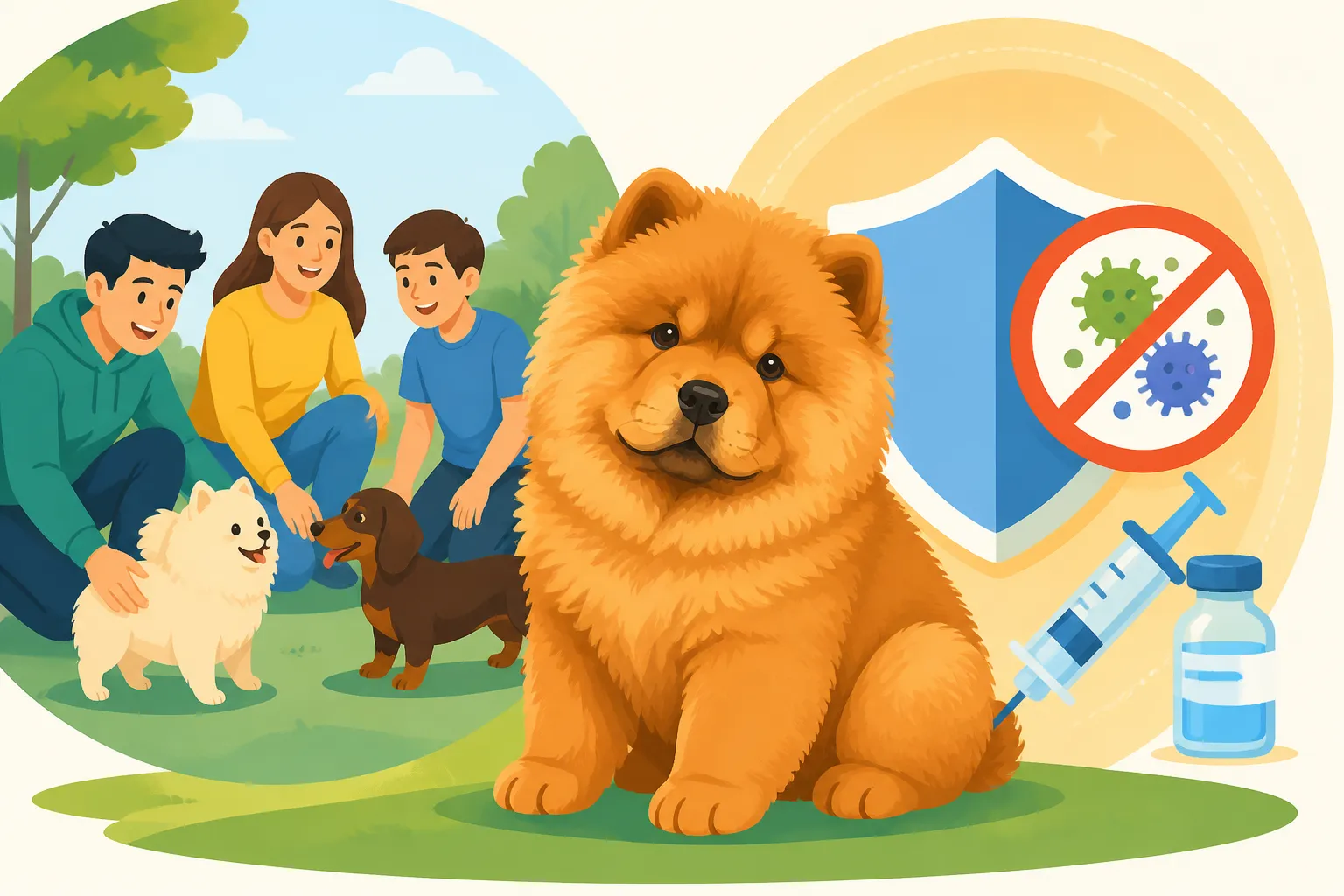
Bringing home a Chow Chow puppy is an exciting time, but it often comes with a significant worry: how do you properly socialize your new furry family member to the big wide world when they haven't yet finished their crucial vaccination series? This fear of exposing your vulnerable pup to illnesses like parvovirus or distemper is completely valid, yet delaying socialization can have profound, long-lasting negative impacts on your Chow's temperament and ability to cope with new experiences. This guide will walk you through safe, effective strategies to socialize your Chow Chow puppy during that critical window before their vaccinations are complete, helping them grow into a confident, well-adjusted companion while keeping them healthy.
Understanding the Critical Socialization Window
The period from roughly 3 to 16 weeks of age is paramount for a puppy's development. This is when their brains are like sponges, soaking up every experience and forming associations that will shape their adult personality. For a breed like the Chow Chow, known for its discerning and often reserved nature, missing this window can have more pronounced effects than with a naturally more outgoing breed. During these weeks, a puppy needs to be exposed to a vast array of sights, sounds, smells, people, and appropriate canine interactions. The challenge, of course, is that a significant portion of this window often falls before they've had all their puppy shots, making direct exposure to unknown dogs or public places risky.
A Chow Chow who misses out on varied, positive experiences during this time might grow into an adult who is overly fearful, reactive, or even aggressive towards new situations, people, or other animals. Their natural suspicion can be amplified by a lack of positive early exposure, leading to a lifetime of stress for both the dog and the owner. This isn't about creating a dog that loves everyone, which isn't typically a Chow Chow's nature, but rather one that can calmly tolerate and navigate the complexities of human society without undue anxiety or aggression. It's about building a foundation of resilience and confidence.
The trick is finding that delicate balance between protecting your puppy's physical health and nurturing their mental and emotional well-being. Thinking creatively about how to introduce novel stimuli in a controlled environment is key. Remember, socialization isn't just about meeting other dogs; it's about experiencing the world in a positive, non-threatening way. This includes everything from different floor textures to the sound of a vacuum cleaner, from the sight of children to the presence of people wearing hats or carrying umbrellas. Every small, positive interaction builds their understanding and acceptance of their environment.
Why Early Socialization Matters So Much for Chow Chows
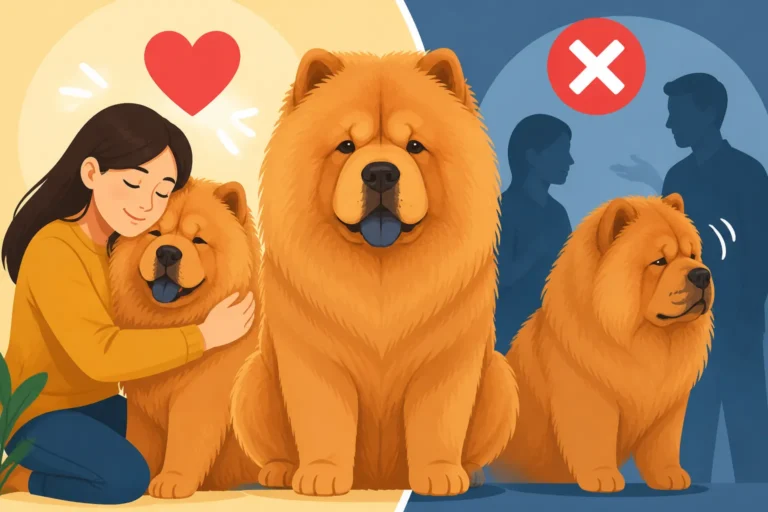
Chow Chows, with their ancient lineage and proud, independent spirit, often develop a reputation for being aloof or even aggressive if not properly guided during puppyhood. Unlike many retriever or herding breeds that thrive on constant interaction and eager-to-please attitudes, a Chow Chow is more likely to assess situations and people cautiously. This inherent wariness isn't a flaw; it's part of their unique character. However, without early, thoughtful socialization, this natural reserve can easily tip into fear, defensiveness, or intolerance. They are already predisposed to be selective with their affections and interactions, bonding strongly to one person and tolerating others. The Chow Chow Bonds to One Person and Tolerates the Rest provides more insight into this characteristic.
When a Chow Chow puppy is shielded too much during the critical socialization period, they don't learn how to process new information in a calm manner. Instead, novelty becomes a source of anxiety. Imagine a grown Chow Chow who has never seen a skateboard, a child on a scooter, or a person with a crutch. Their instinct will be to view these unfamiliar objects or people as potential threats, leading to barking, lunging, or retreating. This isn't because they are "bad" dogs, but because they lack the foundational experiences to categorize these things as harmless parts of everyday life. What an Undersocialized Chow Chow Becomes can further illustrate these challenges.
Moreover, their deep-set eyes and often prominent ruff can sometimes obscure their vision, making them prone to being startled if approached unexpectedly from the side or behind. This makes it even more vital for them to have positive experiences with people and objects moving around them from an early age, so they learn not to overreact to sudden appearances. A well-socialized Chow Chow will be much more adaptable and less likely to react defensively to perceived threats. It's about equipping them with the emotional tools to navigate a complex human world with quiet confidence, rather than constant suspicion.
Understanding Your Puppy's Socialization Timeline
The socialization window is often broken down into distinct stages, but for a Chow Chow owner, the crucial takeaway is that the most impactful learning happens rapidly. From about 3 to 8 weeks, puppies are typically still with their mother and littermates, learning crucial dog-to-dog communication and bite inhibition. Then, from 8 to around 16 weeks, they enter a period where they are most open to new experiences with humans and their environment. After 16 weeks, while learning is still possible, their natural caution typically increases, making new introductions more challenging and potentially requiring more time and patience. This is why making the most of those early weeks, even with vaccination limitations, is so vital.
Think of it like building a house: the foundation needs to be laid during a specific time for the structure to be sound. If you wait too long, you're trying to build on shifting sand. For a Chow Chow, who tends to be less overtly demonstrative and more independent than many breeds, a strong, positive foundation during this early window is particularly important for fostering trust and acceptance. When a Chow Chow's Socialization Window Closes offers additional details on this timeline.
It's not just about what they see, but also what they hear and feel. Exposure to different surfaces (grass, pavement, carpet, linoleum), various sounds (traffic, thunderstorms on a recording, doorbells, children playing), and gentle handling are all part of this critical learning. The goal is to make these experiences neutral or positive, building a robust internal library of "safe" things in the world. Remember, every experience, good or bad, leaves an imprint. Our job as Chow Chow owners is to maximize the good, controlled, and positive impressions during this formative period.
Safe Socialization Strategies Before Full Vaccinations
So, how do you safely introduce your Chow Chow puppy to the world without putting their health at risk? The key is controlled exposure, focusing on experiences that don't involve direct contact with unknown dogs or highly trafficked public areas. This means bringing the world to your puppy, or taking your puppy to the world in a protected way. It requires a bit more effort and creativity than simply visiting a dog park, but the benefits for your Chow Chow's long-term well-being are immeasurable.
One of the most effective methods is "observational socialization." This involves taking your puppy to various public places where they can see, hear, and smell the world from a safe distance, without actually touching the ground or interacting directly with other animals. Think of a bustling shopping center, a park where people are walking (but no dog areas), or a school during pickup time. Your Chow can be in a dedicated puppy carrier, a sturdy backpack, or even a puppy stroller (easily found on Amazon, for example). The goal is to provide a rich sensory experience without direct contamination risk.
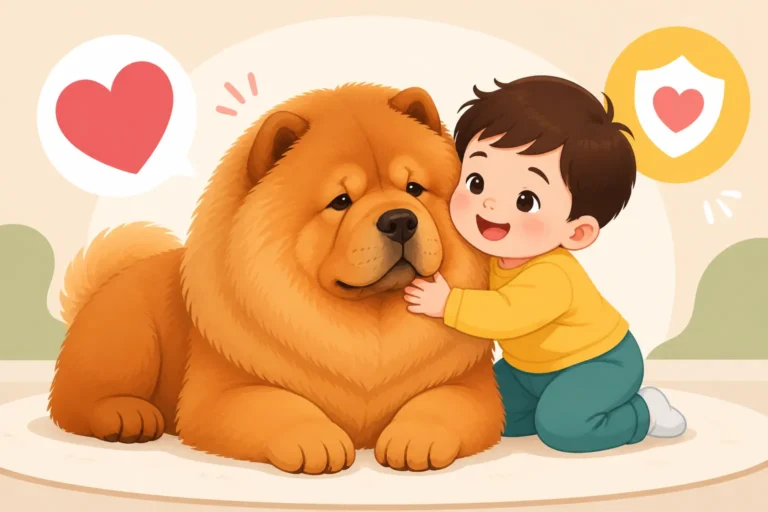
Another crucial aspect is controlled human interaction. Your Chow Chow puppy needs to meet a variety of people of different ages, genders, and appearances, including those wearing hats, glasses, or carrying packages. Invite friends and family over, but ensure they understand how to interact appropriately: gentle handling, calm voices, and always pairing the interaction with high-value treats. You want your puppy to associate new people with positive experiences, not just being overwhelmed or roughly handled. This is especially vital for a breed that can be wary of strangers.
| Safe Socialization Activities | Risky Socialization Activities |
|---|---|
| Observation from a Distance: | Direct Interaction with Unknowns: |
| Car rides to diverse locations (shopping centers, parks, schools) | Dog parks or shared dog walking trails |
| Carrying puppy in a carrier/stroller through pet-friendly stores (with permission, of course) | Pet stores where other animals have been on the floor |
| Sitting on a bench with puppy in lap (or carrier) to watch people, children, bikes, etc. | Any public place where unvaccinated dogs are likely to interact |
| Controlled visits with known, fully vaccinated, dog-friendly adult dogs (with owner permission) | Visiting veterinary clinics for reasons other than scheduled appointments (unless in carrier and not touching floor) |
| Inviting a variety of known, healthy people to your home for short, positive interactions | Having unknown guests bring their own unvaccinated pets to your home |
| Exposure to different sounds (via YouTube, recordings, or car rides) and surfaces (at home) | Allowing puppy to drink from communal water bowls outdoors |
| Virtual puppy classes or online training programs (e.g., BAXTER & Bella) | Attending large, uncontrolled puppy playgroups with unknown vaccination statuses |
Controlled Exposure to Sights and Sounds
One of the best ways to get your Chow Chow puppy comfortable with the hustle and bustle of life is through controlled exposure to various sights and sounds. Start small and close to home. Play recordings of city noises, vacuum cleaners, doorbells, or even crying babies at a low volume while your puppy is relaxed and receiving treats. Gradually increase the volume over several sessions. The key is to associate these sounds with positive things, not fear.
Once your puppy is comfortable with sounds indoors, it's time to take them on "field trips" in a secure, elevated position. A car ride is a fantastic, safe way to start. Drive to different neighborhoods, busy parking lots, or even sit parked outside a grocery store. Let your puppy observe the world from the safety of your car – people walking by, cars driving, distant sirens, children playing. You can reinforce positive behavior with gentle praise and small, tasty treats. These experiences, even if passive, are incredibly enriching for a young mind and help build resilience. How Many Car Rides a Chow Chow Puppy Needs is a useful resource for this.
For hands-on exposure, consider a dedicated puppy carrier or a dog-specific stroller. Place your Chow Chow puppy in it and take them on short walks around your neighborhood, avoiding areas where other dogs frequent. Allow them to watch people, cars, and other non-canine stimuli from their perch. This provides a sense of security while still allowing them to process new information. Remember to keep these outings short and positive, ending before your puppy gets overwhelmed or tired. The goal is positive association, not saturation.
Meeting People (and Other Safe Animals)
Meeting a wide variety of people is paramount for a Chow Chow, given their natural reserve. Invite friends, family, and even neighbors to your home. Make sure these individuals are calm, gentle, and understand how to approach a puppy without being overbearing. Have them offer treats and engage in quiet play. Encourage different types of people: men, women, children (supervised, of course), people wearing hats, glasses, or with different gaits. Each positive interaction helps your Chow Chow build a broader understanding of "safe human." How Many People a Chow Chow Puppy Should Meet and How to Introduce a Chow Chow to a Stranger offer more detailed guidance.
When it comes to other animals, stick to known quantities. If you have a friend or family member with a fully vaccinated, dog-friendly adult dog, consider controlled, brief interactions at your home (after sanitizing the area) or theirs. Ensure the adult dog is calm, has good manners, and isn't prone to rough play. Supervise these interactions closely, keeping them short and positive. The goal is polite greeting, not extended play. This limited exposure helps your Chow learn appropriate canine social cues from a stable role model without the risk of disease from unknown dogs.
For those without access to known, vaccinated adult dogs, virtual training and socialization courses can be a lifesaver. Programs like BAXTER & Bella offer online puppy classes that guide you through at-home socialization exercises, teaching you how to expose your puppy to various stimuli in a controlled, safe environment. They often include resources for handling, grooming, and preparing your puppy for real-world scenarios, all from the comfort and safety of your own home, minimizing disease risk. This is a fantastic way to lay a strong foundation for future in-person experiences.
At-Home Enrichment and Handling Practice
Socialization isn't just about external stimuli; it's also about preparing your Chow Chow puppy for necessary handling by vets, groomers, and even family members. Given the Chow Chow's thick coat and propensity for joint issues, regular grooming and vet examinations will be part of their life. Start early and make it positive. Gently touch your puppy's paws, ears, tail, and muzzle every day, pairing it with high-value treats and praise. Get them used to lying on their side or back for brief periods. Teaching a Chow Chow to Be Brushed is a great start.
Introduce different textures and surfaces within your home. Lay down a crinkly tarp, a piece of carpet, some bubble wrap, or a sheet of metal (briefly!) and encourage your puppy to investigate them with treats. This helps them become accustomed to novel sensations underfoot, which will be invaluable when they encounter various terrains outdoors. Sound machines, diffusers with calming scents (dog-safe, of course), and different types of toys can also provide varied sensory input.
Remember to introduce a variety of safe, engaging toys and puzzles. These not only provide mental stimulation but also help your puppy develop problem-solving skills and independent play, fostering confidence. Rotate toys regularly to keep them novel and exciting. Chew toys are especially important for puppies, helping them relieve teething discomfort and channeling their natural chewing instincts appropriately. A well-enriched home environment contributes significantly to a well-adjusted puppy, even before they can explore the great outdoors.
Tools and Techniques for Early, Controlled Exposure
Equipping yourself with the right tools can make a huge difference in how effectively and safely you can socialize your Chow Chow puppy before they're fully vaccinated. It's about creating controlled environments that mimic real-world scenarios without the associated health risks. These tools, combined with a patient and consistent approach, will set your Chow Chow up for success.
A crucial item is a high-quality, secure puppy carrier or a specialized puppy stroller. These allow you to transport your Chow Chow puppy to various locations where they can observe the world without touching potentially contaminated surfaces or interacting with unknown animals. Imagine taking your pup to an outdoor cafe, a busy pedestrian area, or even a hardware store that permits dogs in carriers. From their safe vantage point, they can absorb the sights, sounds, and smells of different environments, all while feeling secure and protected. For finding suitable carriers or strollers, online retailers like Amazon offer a wide array of choices to fit your specific needs and your growing Chow's size.
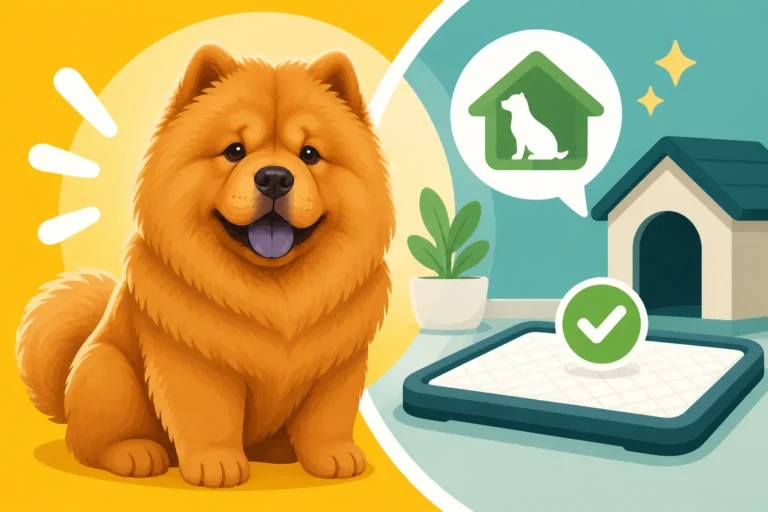
Another invaluable "tool" is a reliable long line or leash. While your puppy might not be ready for direct ground contact in public yet, a long line (think 15-30 feet) can be used in your own fenced yard or a known, safe, private area. This allows them more freedom to explore and practice recall in a controlled setting, getting used to the feel of a leash before venturing into public spaces. Even in your backyard, you can set up novel obstacles like tunnels or cardboard boxes for them to investigate, adding to their repertoire of experiences.
The Role of Carriers and Strollers
Puppy carriers and strollers are truly unsung heroes for early socialization. They are literally a safe bubble for your Chow Chow puppy, enabling them to experience a world that would otherwise be off-limits due to vaccination status. When choosing a carrier, prioritize safety, ventilation, and comfort. It should be large enough for your puppy to stand up, turn around, and lie down comfortably, but not so big that they feel insecure. For a Chow Chow, consider their adult size when making a stroller purchase, as they will grow quickly!
Using a carrier or stroller allows you to introduce your puppy to a vast array of environments: parks (from a distance, staying on paved paths), bustling city streets, outdoor shopping centers, or even quiet hiking trails where you carry them. The goal is exposure to different types of people, sounds (traffic, conversations, distant music), and visual stimuli (bicycles, skateboards, children playing, people with umbrellas). Always pair these experiences with positive reinforcement – quiet praise, gentle petting, and high-value treats. You want your puppy to associate these new, sometimes overwhelming, experiences with good things.
Remember, these outings should be short and focused on positive observation. Watch your puppy's body language closely. If they show signs of stress like yawning excessively, lip licking, panting, or trying to hide, it’s time to either move to a quieter spot or end the session. The aim is to build positive associations, not to traumatize or overwhelm. Gradually increase the duration and intensity of these outings as your Chow Chow puppy becomes more comfortable.
Virtual Learning and Online Resources
In today's digital age, virtual learning platforms have become an invaluable resource for puppy owners, especially when in-person interactions are restricted due to vaccination schedules. Online puppy classes, like those offered by BAXTER & Bella, provide structured guidance on how to safely socialize your Chow Chow puppy from home. These programs often include video tutorials, printable checklists, and even one-on-one coaching sessions, empowering you to create a rich, stimulating environment for your pup without physical exposure to external risks.
These online resources typically cover a wide range of socialization topics, from introducing your puppy to household items and different textures to desensitizing them to common sounds and preparing them for grooming and vet visits. They also provide crucial advice on positive reinforcement training techniques, which are particularly effective for an intelligent and independent breed like the Chow Chow. By participating in a virtual class, you gain access to expert advice and a community of fellow puppy owners, allowing you to learn and grow alongside your pup. What Puppy Socialization Classes Cost a Chow Chow Owner could be useful here.
Beyond structured classes, there are countless online videos and articles that demonstrate how to introduce puppies to various sights and sounds safely. For instance, you can find videos of children playing, busy street scenes, or even different animals, and play them at low volumes while your puppy is eating or relaxing. This passive exposure, coupled with positive experiences, helps to normalize these stimuli. Remember to always curate the content and ensure it’s appropriate and not too intense for a young puppy.
Safety Measures and Hygiene Best Practices
While carriers and virtual resources significantly reduce risk, maintaining strict safety and hygiene practices is still paramount when socializing an unvaccinated Chow Chow puppy. Always carry hand sanitizer and use it before and after handling your puppy, especially if you've been in a public place. If your puppy does leave their carrier for a potty break in a designated safe spot (like your own yard), pick up their waste immediately and disinfect any reusable carriers or strollers regularly.
Avoid any areas known to have high concentrations of unknown dogs, such as dog parks, popular walking trails, or communal water bowls. Even a quick sniff of an infected surface could transmit diseases. If you do allow your puppy to meet a known, fully vaccinated dog, ensure the adult dog is healthy, has a calm temperament, and that their owner is equally meticulous about vaccination and parasite prevention. These interactions should always be short, supervised, and positive.
Furthermore, make sure your puppy's vaccinations are administered on schedule by your veterinarian. While you're working on safe socialization, these vaccinations are building their immune system. Your vet is your primary resource for understanding local disease risks and tailoring a vaccination schedule that best protects your Chow Chow. Don't hesitate to discuss your socialization plans with them; they can offer specific guidance based on your geographical area and your puppy's individual health status. How Often a Chow Chow Needs a Wellness Exam is a good read.
Recognizing and Managing Overwhelm in Your Puppy
Even with the best intentions and the safest methods, it's possible for a Chow Chow puppy to become overwhelmed during socialization. This breed, with its strong guarding instincts and sometimes cautious nature, can be more sensitive to overstimulation than other breeds. Being able to recognize the subtle signs of stress and knowing how to respond is crucial for ensuring that socialization remains a positive, confidence-building experience rather than a fear-inducing one.
A stressed or overwhelmed puppy might exhibit a variety of behaviors. These can include excessive yawning when not tired, lip licking (when there's no food), turning their head away, avoiding eye contact, sniffing the ground intently, a tucked tail (though a Chow's tail is usually curled, a very tight tuck can be a sign), panting when not hot, shivering, or trying to hide behind you. Some puppies might even freeze or become completely still. A Chow Chow, being less overtly expressive than some breeds, might show more subtle signs like a slight stiffening of their body or a widening of their eyes, sometimes referred to as "whale eye" where the whites of their eyes are visible.
If you observe any of these signs, it's your cue to intervene immediately. The worst thing you can do is force your puppy to "face their fears" or push them beyond their comfort zone. This can create negative associations and exacerbate anxiety. Instead, gently remove them from the overwhelming situation. This might mean moving to a quieter corner, returning to your car, or simply ending the outing and heading home. The goal is always to end on a positive or neutral note, preventing the situation from becoming traumatic.
Signs a Chow Chow Puppy Is Stressed
It's vital to become a keen observer of your Chow Chow puppy's body language. They communicate with us constantly, even if we don't always understand. Beyond the obvious signs like crying or whimpering, look for the more subtle indicators of stress or discomfort. A Chow Chow's natural reserve means they might internalize stress more, rather than displaying overt fear or aggression, making it harder for an inexperienced owner to spot.
One common sign of stress is excessive panting when it's not warm, or rapid, shallow breathing. Another is repetitive behaviors like excessive sniffing the ground or scratching when not itchy. Yawning and lip-licking are classic canine appeasement gestures, often indicating mild stress or a desire to de-escalate a situation. Your Chow might also "shake off" as if wet, or suddenly become very itchy and start scratching, even if no actual itch exists. These are all ways your puppy tries to relieve tension or communicate discomfort.
A Chow Chow's eyes can also tell a story. While their deep-set eyes are a breed characteristic, if you notice the whites of their eyes showing more than usual (often called "whale eye"), it indicates tension. They might also turn their head away from the stimulus, break eye contact, or try to hide their face against your leg or in their carrier. Becoming familiar with Signs a Chow Chow Puppy's Eyes Are Sore could also help differentiate stress from physical discomfort. Recognizing these nuances is critical for effective, positive socialization.
How to De-escalate an Overwhelming Situation
When your Chow Chow puppy shows signs of overwhelm, your immediate priority is to safely remove them from the stressful stimulus. This could be as simple as moving further away from a noisy group of children in the park, or turning your back to a bustling street. The goal is to reduce the intensity of the sensory input until your puppy relaxes. If they are in a carrier, you might cover part of the carrier with a blanket to create a more enclosed, secure space.
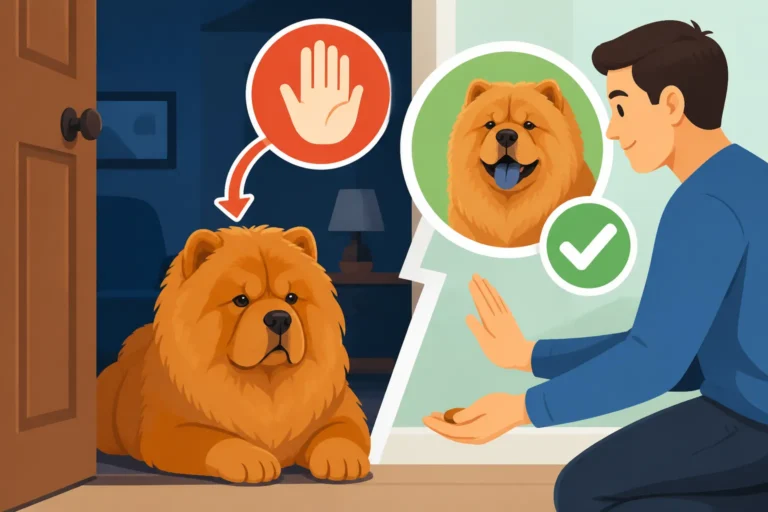
Once you've created some distance or a calmer environment, engage your puppy in a familiar, positive activity. This might be offering a high-value chew toy they love, or gently petting them while speaking in a soothing voice. If they are willing, ask for a simple, known command like "sit" and reward them generously. The aim is to shift their focus from the stressor to something positive and predictable, helping them regain their composure. Never try to comfort a fearful puppy by coddling them or saying "it's okay" in a worried tone, as this can inadvertently reinforce their fear. Instead, remain calm and confident.
Sometimes, the best solution is simply to go home. If your puppy is visibly stressed and unable to relax, pushing them further will only make future socialization attempts harder. It's better to end the session early and try again another day with a less intense environment or for a shorter duration. A successful socialization outing isn't about how long you stay out, but about the quality of the positive experiences your puppy gains. Building resilience is a gradual process, especially for a Chow Chow.
What to Do If Your Puppy Becomes Fearful or Reactive
Despite your best efforts, some Chow Chow puppies might still develop fear or reactivity towards specific stimuli, especially if they've had a negative experience or are naturally more sensitive. If your puppy consistently shows signs of extreme fear, aggression (growling, snapping), or panic in certain situations, it's crucial to seek professional guidance immediately. This is not something to try and "fix" on your own. Signs a Chow Chow Puppy Is Already Wary is a good read.
A certified professional dog trainer or a veterinary behaviorist can assess your puppy's specific reactions, help identify the underlying causes, and develop a tailored behavior modification plan. They can guide you through techniques like desensitization and counter-conditioning, which involve gradually exposing your puppy to the fear-inducing stimulus at a very low intensity while pairing it with highly positive experiences. For example, if your puppy is terrified of men with beards, the trainer might guide you on how to have a bearded person appear at a great distance while your puppy enjoys their favorite treats, slowly decreasing the distance over many, many sessions.
Early intervention is critical for Chow Chows, as problematic behaviors can become deeply ingrained and more challenging to modify as they mature. Remember, seeking help is a sign of responsible pet ownership, not failure. A professional can provide you with the tools and strategies to help your Chow Chow overcome their fears and develop into a confident, well-adjusted adult, ensuring a happier life for both of you.
Disclaimer
This article is for general informational purposes only and does not constitute professional advice. Laws, prices and regulations vary by location and change over time. Consult a qualified professional for guidance on your specific situation.