How to Stop a Chow Chow Guarding a Room
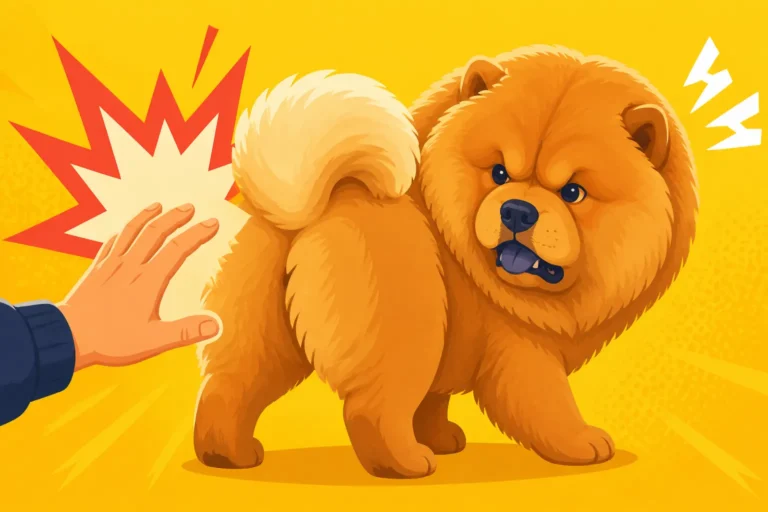
It can be incredibly unsettling when your beloved Chow Chow decides a particular room in your home is suddenly their exclusive territory, leading to growls or even snaps when anyone, even you, tries to enter. This isn't just an inconvenience; it can be a serious safety concern and deeply frustrating. This guide will walk you through understanding why your Chow Chow might develop this guarding behavior and provide actionable strategies to manage and prevent it, helping you reclaim your space and strengthen your bond.
Decoding the Root of Room Guarding in Your Chow Chow
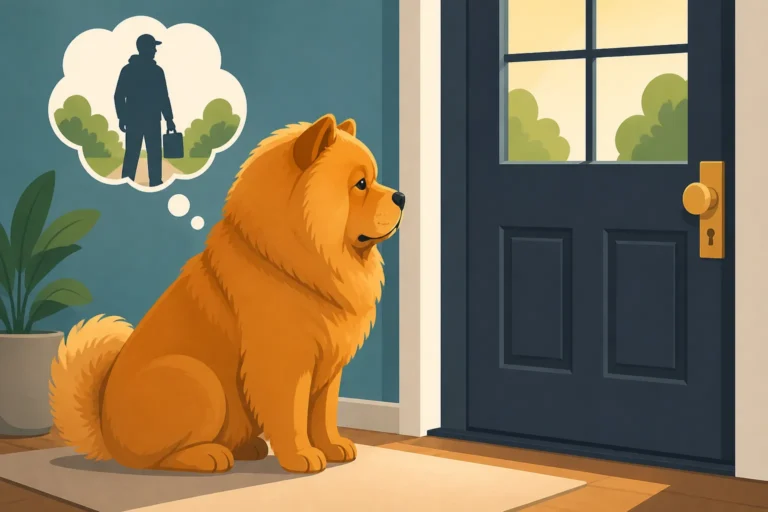
Room guarding, also known as resource guarding of space, is a behavior where a dog aggressively protects a specific area from perceived intruders. For a Chow Chow, known for their independent nature and strong territorial instincts, this can manifest quite intensely. It’s not about being "mean"; it’s usually rooted in insecurity, possessiveness, or a perceived need to control resources. Understanding the underlying reasons is the first step towards finding a solution.
Natural Instincts and Breed Tendencies
Chow Chows historically served as guardians, protectors of property, and companions. This deep-seated instinct to watch over their environment and their "flock" (which includes their home and people) is a significant factor. They often bond deeply with one primary person, and while they tolerate others, their protective instincts can be highly focused. What a Chow Chow Guards and Why explores this more deeply. This protective drive, combined with their inherent aloofness and discerning nature, can easily tip into guarding specific areas if not managed properly. They aren't always looking for trouble, but they are incredibly vigilant and take their role seriously.
Lack of Early Socialization and Exposure
One of the biggest contributors to guarding behaviors, including space guarding, is insufficient early socialization. A Chow Chow puppy needs extensive, positive exposure to various people, places, and situations during their critical socialization window. If a Chow Chow isn't taught from a young age that strangers and new experiences in their home are safe and positive, they are far more likely to develop fear-based or territorial aggression. An undersocialized Chow Chow might perceive anyone entering "their" room as a threat, even if it's a family member they generally like. This doesn't mean it's too late for an adult Chow, but early efforts are always the most impactful.
Insecurity, Fear, or Past Trauma
Sometimes, guarding behavior isn't about dominance but about fear. A Chow Chow who feels insecure, whether due to a past negative experience, a lack of clear boundaries, or even just general anxiety, might resort to guarding a space as a way to feel safe. This is particularly true for rescue Chows whose histories might include neglect or abuse. They might seek out a quiet room as their "safe haven," and then fiercely protect it because they fear losing that security. It’s a sad reality, but many dogs learn to cope with stress by controlling their immediate environment. Signs a Chow Chow Is Uncomfortable can help you recognize subtle cues related to fear or anxiety.
Unintentional Reinforcement by Owners
It’s easy to accidentally reinforce guarding behavior without realizing it. If your Chow growls when you approach "their" couch in the living room, and you retreat, you've just taught them that growling works. Similarly, if they claim a bedroom and you simply avoid it to prevent a confrontation, you're confirming to them that their guarding is effective. This doesn't mean you should challenge them aggressively, which can escalate the situation, but rather that ignoring or avoiding the behavior can inadvertently strengthen it. We often want to keep the peace, but sometimes that peace comes at the cost of fostering an unwanted behavior.
Proactive Strategies for Prevention and Management
Preventing room guarding starts from the moment you bring a Chow Chow into your home, whether as a puppy or an adult. Consistent, positive reinforcement training and clear communication are key. For Chows, who "train by agreement, not obedience," building trust and understanding is paramount.
Establishing Clear Boundaries and Leadership
Chow Chows thrive on clear structure and knowing where they stand in the household hierarchy. This doesn't mean being harsh, but rather being a consistent, fair leader. Every family member should be able to enter any room without eliciting a negative reaction. If a Chow Chow believes they are the "leader" of the house, they may feel it's their job to decide who enters where.
Tips for establishing boundaries:
- "Nothing in life is free" program: Have your Chow perform a simple command (like "sit" or "stay") before receiving anything they want – food, toys, walks, or even affection. This reinforces that you control the valuable resources.
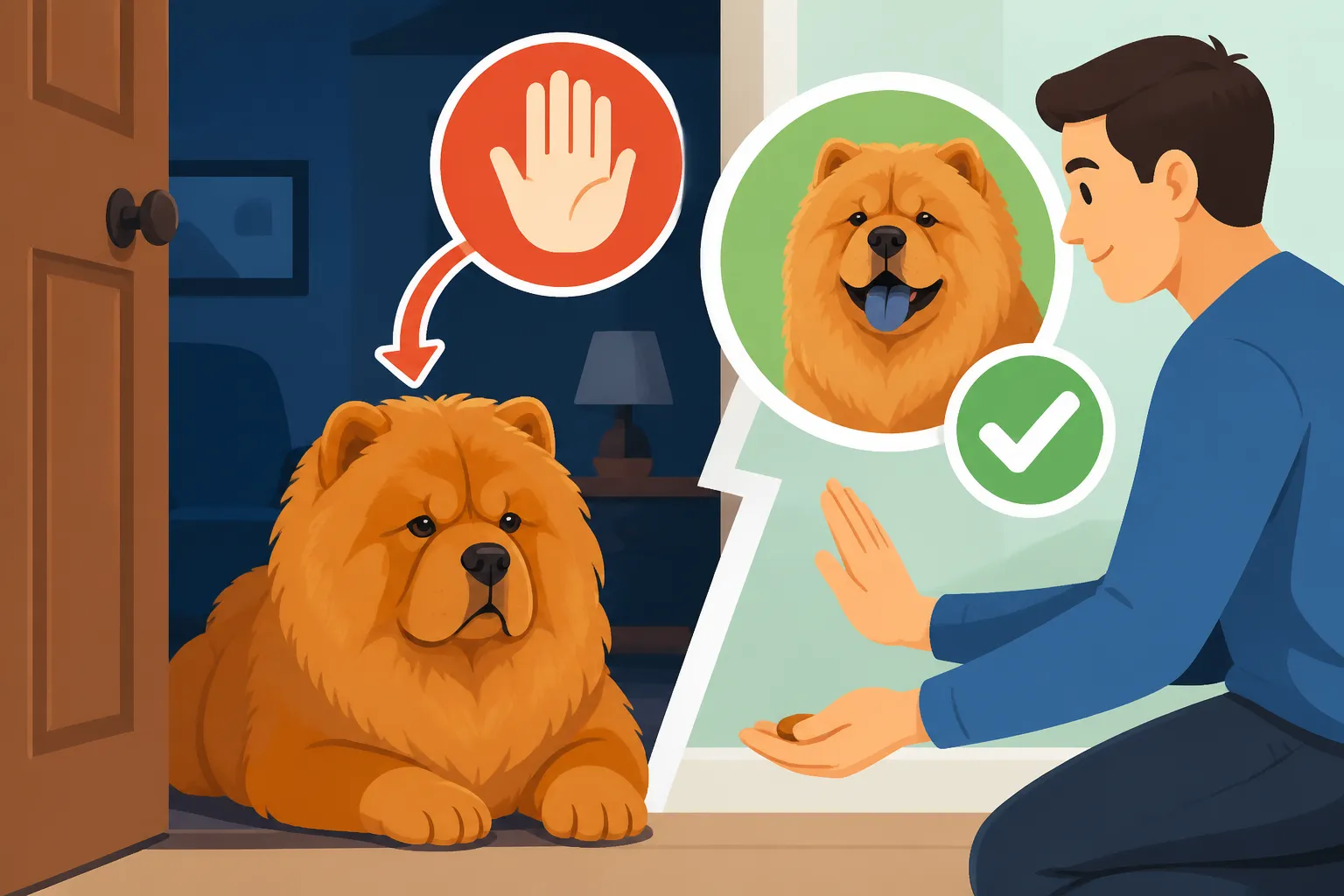
- Doorway manners: Teach your Chow to wait patiently at doorways and only enter or exit after you've given permission. This can be particularly useful for rooms they tend to guard. Use a leash initially if needed to guide them.
- Designated resting spots: Provide your Chow with their own comfortable bed or crate in common areas, rather than allowing them free rein to claim furniture or entire rooms. This gives them a secure space without needing to guard an entire area. A sturdy, comfortable crate from Amazon can be a great asset here.
Early and Ongoing Socialization
For puppies, this means introducing them to a wide variety of people, sights, sounds, and other friendly, vaccinated dogs in a positive, controlled manner. For adult Chows, it's about continuing positive exposure.
- Puppy classes: Enroll your Chow Chow in well-run puppy socialization classes. These provide controlled environments for positive interactions.
- Positive guest experiences: When guests come over, manage the introductions carefully. Have guests offer high-value treats (if your Chow is comfortable) and avoid forcing interactions. How to Introduce a Chow Chow to a Stranger offers detailed advice on this.
- Routine outings: Regularly take your Chow to places where they can observe people and the world from a safe distance, reinforcing that new experiences are not threatening. Even just sitting at a park bench and watching people pass by can be beneficial.
Desensitization and Counter-Conditioning
This is about changing your Chow's emotional response to the trigger (someone entering "their" room) from negative to positive.
- Start small: Begin with an area that's mildly guarded, or even one that's not guarded at all, to practice.
- High-value treats: Arm yourself with truly irresistible treats – cooked chicken, cheese, or hot dogs.
- The process:
- Approach the doorway of the guarded room. If your Chow reacts even slightly, back away until they calm down.
- As soon as you can approach the doorway without a reaction, toss a high-value treat into the room or just inside the doorway. Don't enter yet.
- Repeat this many times, gradually moving closer to the doorway, and eventually taking a step inside, always tossing a treat as you do so, before your Chow has a chance to react negatively.
- The goal is for your Chow to associate your approach and entry into the room with something wonderful (treats), rather than a threat.
- Patience is key: This isn't a quick fix. You might need to do dozens, even hundreds, of repetitions over days or weeks, slowly increasing your proximity and duration in the room. Always work at your Chow's comfort level. If they show any signs of stress or guarding, you've moved too quickly.
Managing Established Room Guarding Behaviors
If your Chow Chow has already developed a strong habit of guarding a room, you'll need a more structured approach, often incorporating professional guidance. This is not a behavior to take lightly or try to "dominate" your Chow out of, as Why Harsh Correction Backfires on a Chow Chow explains – it can easily escalate aggression.
Controlled Access and Management
The immediate goal is to prevent the guarding behavior from happening and being reinforced.
- Restrict access: If a specific room is consistently guarded, consider blocking your Chow's access to it, at least temporarily. Use baby gates or close doors. This removes the opportunity for them to practice the unwanted behavior.
- Leash management: When you need to enter a room they guard, have your Chow on a leash. This gives you control and prevents them from charging or escalating. Keep the leash loose and calm.
- "Trade up" strategy: If your Chow is guarding a particular item within a room, instead of just the room itself, teach them to "trade" for a higher-value item. For example, if they're guarding a toy, offer them a delicious treat in exchange. This teaches them that giving things up can lead to something even better.
Desensitization and Counter-Conditioning with a Plan
As described above, this method is crucial, but for established guarding, you'll need to be incredibly methodical and perhaps enlist the help of a certified professional.
- Identify triggers: What exactly sets off the guarding? Is it you approaching the door, stepping over the threshold, or trying to retrieve something from the room? Pinpointing the exact trigger helps you design a precise training plan.
- Systematic approach: Break down the process into tiny, achievable steps. For example:
- Standing 10 feet from the door.
- Standing 5 feet from the door.
- Touching the doorknob.
- Opening the door slightly.
- Taking one step inside.
- Taking two steps inside.
- At each step, if your Chow remains calm, offer praise and a high-value treat. If they react, go back a step. The training platform BAXTER & Bella offers virtual coaching that could guide you through such a systematic process.
- Involve all family members: Once your Chow is making progress with you, slowly introduce other family members into the training. Consistency from everyone is vital.
Considering Professional Guidance
For any form of resource guarding or aggression, consulting a qualified professional is highly recommended.
- Veterinary behaviorist: These are veterinarians with specialized training in animal behavior. They can rule out any underlying medical conditions and prescribe medication if anxiety is a significant factor.
- Certified professional dog trainer (CPDT) or certified applied animal behaviorist (CAAB): Look for individuals who use positive reinforcement methods and have experience with Chow Chows or similar guarding breeds. They can assess your specific situation, identify triggers, and develop a personalized training plan. Many offer virtual consultations now, which can be a game-changer for working with a Chow in their home environment.
Environmental Management and Tools to Support Training
Beyond direct training, managing your Chow Chow's environment and using specific tools can significantly aid in reducing guarding behaviors.
Creating a Safe and Predictable Home Environment
Chow Chows thrive on routine and predictability. A chaotic or unpredictable environment can increase anxiety, which can exacerbate guarding.
- Consistent routines: Maintain a consistent schedule for feeding, walks, potty breaks, and playtime.
- Designated safe spaces: Ensure your Chow has a comfortable, quiet space that is theirs and where they are not disturbed. This could be a crate, a dog bed in a low-traffic area, or a designated "den." This reduces their perceived need to guard other areas.
- Mental enrichment: A bored Chow Chow is more likely to create their own "job," which might include guarding. Provide plenty of mental stimulation through puzzle toys, training sessions, and interactive games. What a Bored Chow Chow Does explains more about the consequences of insufficient stimulation.
Useful Tools and Products
Several items can help you manage and train your Chow Chow.
- Baby gates or exercise pens: These are invaluable for restricting access to problem rooms while still allowing your Chow to see and hear what's happening, preventing isolation anxiety. You can find a wide variety of sturdy gates on Amazon.
- Long lines or leashes: For initial training around a guarded room, a long leash can give you control without being restrictive, allowing your Chow to move freely while still being tethered to you for safety.
- High-value treats: As mentioned, these are essential for counter-conditioning. Experiment to find what your Chow considers truly irresistible.
- Muzzles: For Chows with severe guarding issues, a comfortable, well-fitted basket muzzle can be a temporary safety tool during training sessions. This allows you to work more safely with them and prevent bites, giving you peace of mind. Remember, a muzzle is a tool, not a punishment, and should be introduced gradually and positively. Teaching a Chow Chow to Wear a Muzzle provides guidance on this.
Example Scenario: Reclaiming the Living Room
Let's imagine your Chow, "Bear," has decided the living room couch is his throne, and he growls when anyone approaches.
Initial Steps:
- Block access: Place a baby gate across the living room doorway. Bear can see in, but can't get to the couch.
- Provide an alternative: Ensure Bear has a super comfy dog bed in a common area outside the living room, perhaps in the hallway or kitchen, with a favorite chew toy.
- Desensitize: Approach the gate. If Bear is calm, toss a treat towards his bed. Repeat.
- Gradual entry: Once Bear is calm with you approaching the gate, open it, take one step into the living room, toss a treat to Bear (still outside the room), and step back out. Repeat this until Bear shows no reaction to your single step.
- Increase duration: Gradually increase the number of steps you take into the room, and the time you spend inside, always tossing treats to Bear as you enter and during your stay. The goal is for him to associate your presence in the room with good things.
- "Place" command: Teach Bear a strong "place" command on his bed. This allows you to direct him to a designated spot when you need to enter the living room. BAXTER & Bella's online training might include modules for teaching "place" or similar commands effectively.
- Leash work: If Bear tries to dart past you into the living room when the gate is open, use a leash to manage him. Practice walking past the open doorway without entering, rewarding calm behavior.
By patiently and consistently applying these methods, you can slowly change Bear's perception of the living room, from a resource to be guarded, to just another part of the home. Remember, consistency from every person in the home is absolutely critical for success.
| Strategy | Description | When to Use | Key Benefit |
|---|---|---|---|
| Controlled Access | Using gates or closed doors to prevent entry to a guarded room. | Immediately, for established guarding or prevention. | Prevents practice and reinforcement of unwanted behavior. |
| Desensitization | Gradually exposing your Chow to the trigger (room entry) at low intensity. | For existing mild-to-moderate guarding. | Reduces emotional reactivity to the trigger. |
| Counter-Conditioning | Pairing the trigger with positive experiences (treats, praise). | For existing mild-to-moderate guarding, alongside desensitization. | Changes the Chow's emotional association with the trigger. |
| "Nothing in Life Is Free" | Requiring a command before receiving resources. | For all Chows, especially those prone to guarding/dominance. | Establishes clear leadership and reinforces desired behaviors. |
| Professional Help | Consulting a vet behaviorist or certified trainer. | For moderate-to-severe guarding, or when home methods fail. | Expert assessment, tailored plan, medical intervention if needed. |
Guarding a room can be one of the more challenging behaviors to address in a Chow Chow, primarily because their independent and protective nature can make them quite determined. However, with consistent positive reinforcement, careful management, and patience, it is absolutely possible to mitigate this behavior. Always prioritize safety for both your family and your dog, and don't hesitate to seek professional help when needed. Reclaiming your home doesn't mean breaking your Chow's spirit; it means teaching them to feel secure without needing to guard.
Disclaimer
This article is for general informational purposes only and does not constitute professional advice. Laws, prices and regulations vary by location and change over time. Consult a qualified professional for guidance on your specific situation.