How Many Car Rides a Chow Chow Puppy Needs
One of the trickiest parts of raising a Chow Chow puppy is getting them comfortable with new experiences, and car rides are definitely high on that list. For a breed that often values routine and can be reserved, the jumble of new sights, sounds, and motion in a car can be a source of real anxiety or even motion sickness. It's not just about getting them from point A to point B; it’s about shaping their entire outlook on the world outside their immediate home. This guide is all about understanding why regular, positive car rides are essential for your Chow Chow puppy and how to introduce them in a way that builds confidence, not fear.
Why Car Rides Are Crucial for Your Chow Chow Puppy's Development
Think about it: your Chow Chow puppy's world starts small, probably within the four walls of your home and a fenced yard. But life demands more than that. Vet visits, grooming appointments, trips to the park, or even just a ride to a friend's house are all part of a dog's life. If the car only means scary things or feeling sick, you’re setting both of you up for a lifetime of stress. Proactive, positive exposure to car rides from an early age is absolutely non-negotiable for a well-adjusted Chow Chow.
The Importance of Early Exposure
Chow Chows, by nature, can be a bit wary of new situations and strangers. This isn't necessarily a bad thing, as it's part of their protective instinct, but it can quickly turn into fear or aggression if they aren't properly socialized. Introducing them to car rides early on, during their critical socialization window, is like giving them a portable safe space from which to view the world. They can observe new places, hear new noises, and smell countless new scents without being directly overwhelmed. This controlled exposure helps them learn that "new" doesn't automatically mean "dangerous."
Without this early foundation, you might find yourself with an adult Chow Chow who absolutely dreads getting in the car. This dread can manifest as extreme panting, drooling, whining, or even frantic attempts to escape. Imagine trying to get a 60-pound dog who is terrified of the car to the vet for an emergency! It's not just an inconvenience; it can severely impact their quality of life and your ability to care for them. Early, consistent, and positive exposure ensures that the car becomes a neutral, or even pleasant, part of their routine, rather than a source of terror. This period, often called The Weeks That Matter Most for a Chow Chow Puppy, is a golden opportunity to shape their future comfort with the world.
Preventing Car Sickness and Anxiety
Puppies, much like human children, can be prone to motion sickness. Their vestibular system, which controls balance, is still developing. While some puppies naturally outgrow it, others can develop a lifelong aversion to cars if their early experiences are consistently nauseating. For a Chow Chow, who might be more stoic or reserved, the signs of discomfort might not be immediately obvious. You might just notice subtle drooling, lip-licking, or a general reluctance to move, rather than outright vomiting.
Beyond the physical discomfort, there's the psychological aspect of anxiety. A Chow Chow who becomes anxious in the car might associate the vehicle itself with feeling unwell, even if they aren't physically sick. This anxiety can escalate over time, making even short trips a battle. By starting with very short, positive exposures, you give their bodies and minds a chance to adapt. It’s about building their tolerance in small, manageable steps, so they never reach a point of overwhelming stress or nausea. This preventative approach is far more effective and compassionate than trying to treat an established fear later on.
Building Positive Associations
The ultimate goal isn't just for your Chow Chow to tolerate car rides; it's for them to associate the car with good things. If every car ride ends at the vet with shots or unpleasant handling, it's no wonder they'll start to hate it. Instead, you want the car to be a gateway to fun adventures. Think of it as a mobile happy place. A quick trip to a new, exciting walking trail, a visit to a dog-friendly cafe patio, or even just a short drive to a quiet field for some sniff exploration.
By consistently pairing car rides with positive outcomes, you teach your Chow Chow that getting into the vehicle leads to enjoyable experiences. This positive reinforcement is incredibly powerful, especially for an independent breed like the Chow Chow who thrives on choosing to participate rather than being forced. Over time, the car becomes less about the ride itself and more about the destination and the joyful activities that follow. This builds their confidence and reduces resistance to future travel, no matter the purpose.
How Often and How Long: A Practical Guide to Car Ride Training
So, how many car rides does a Chow Chow puppy actually need? The answer isn't a hard number, but rather a consistent, gradual approach. It's about frequency and quality over intense, long sessions. Think of it as exposure therapy, but with lots of treats and praise. The key is to never push your puppy past their comfort zone, allowing them to build confidence at their own pace.
Starting Small and Short
When your Chow Chow puppy is young (ideally between 8 and 16 weeks, though you can start later with more patience), begin with the absolute basics. Forget driving anywhere at first.
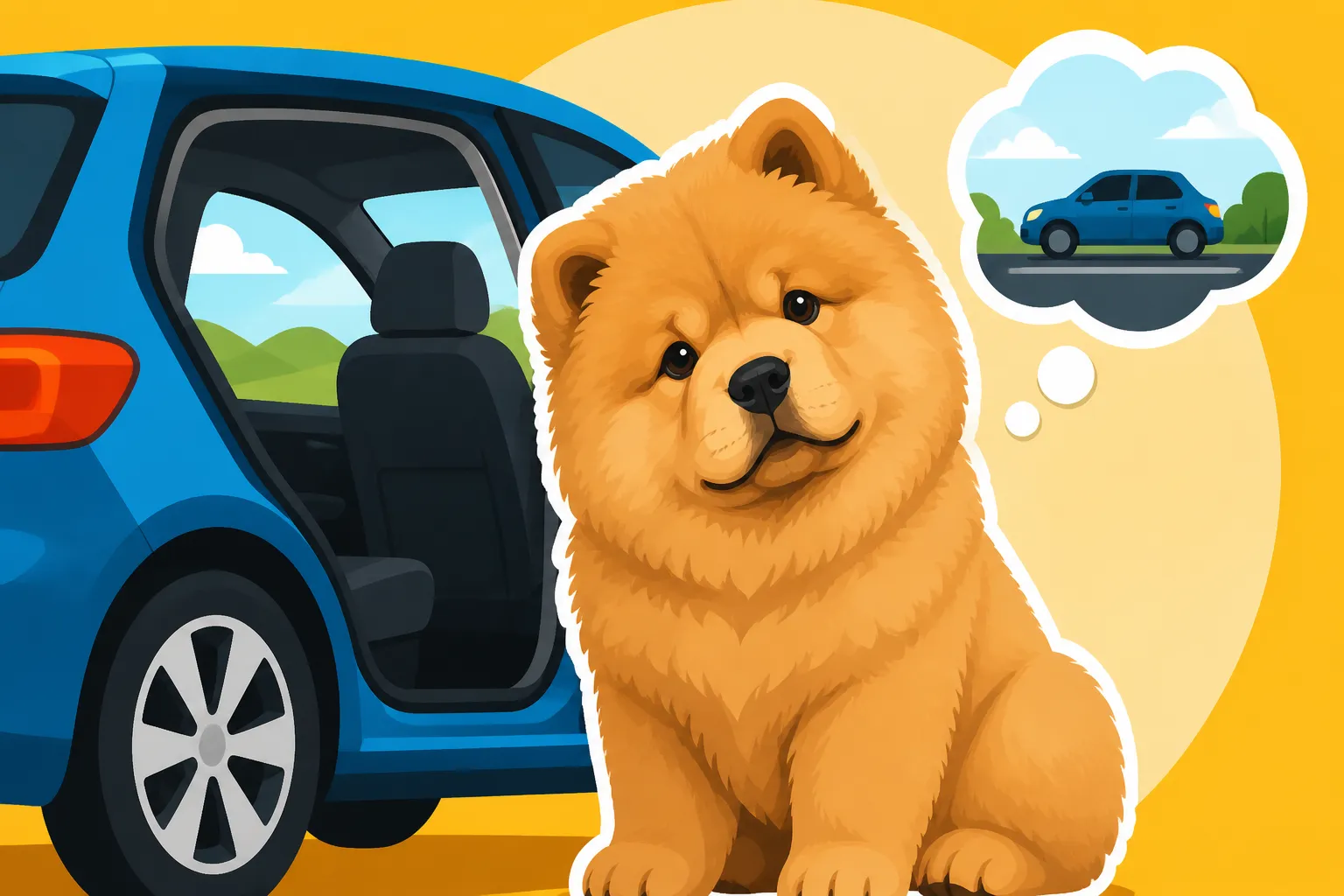
- Stationary Sessions, Engine Off: Start by simply getting your puppy to voluntarily get into the car (or gently place them in their secured crate or harness). Sit with them in the car, engine off, for a few minutes. Offer high-value treats and calm praise. Let them explore the interior a bit if they're not crated, always supervised. Do this for 5-10 minutes, a couple of times a day if possible, for a few days. The idea is to make the car a familiar, non-threatening space.
- Stationary Sessions, Engine On: Once they are relaxed with the engine off, repeat the process with the engine running. The new sounds and vibrations can be startling. Again, lots of treats, calm praise, and keep it short. 5-10 minutes is plenty. Do this 2-3 times a week until they seem completely unbothered.
- Very Short Drives: The first "ride" might just be backing out of the driveway and pulling back in. Or driving around the block once. The goal is 5-minute segments, perhaps 2-3 times a week. Always end on a positive note. Immediately after the ride, take them for a quick potty break, then perhaps a brief playtime or a puzzle toy to reinforce the positive experience. Ensure they are secured in a quality car seatbelt harness or a crash-tested crate. Brands like Kurgo or Sleepypod offer excellent options that can be found easily on Amazon, ensuring your Chow Chow is safe from sudden stops.
This table provides a sample progression, but always adjust based on your individual Chow Chow puppy's comfort level:
| Phase of Training | Frequency | Duration | Goal | Signs of Success |
|---|---|---|---|---|
| Phase 1: Static | 2-3 times/day | 5-10 mins | Car = Safe Space | Puppy enters willingly, takes treats, relaxed. |
| Phase 2: Engine On | 2-3 times/week | 5-10 mins | Car Sounds = Normal | Puppy remains relaxed with engine noise. |
| Phase 3: Short Drives | 2-3 times/week | 5-10 mins | Motion = Neutral | Puppy tolerates short movements, no obvious stress. |
| Phase 4: Increasing | 1-2 times/week | 15-30 mins | Longer Trips = OK | Puppy settles, possibly naps, interested in destination. |
Gradually Increasing Duration and Distance
Once your Chow Chow puppy is genuinely comfortable with short trips around the block, you can slowly start to increase the duration and distance. This isn't about rushing; it's about building resilience incrementally.
- The "Happy Trip" Method: Make sure that not every car ride leads to something they dislike. For every trip to the vet, make two trips to a fun place. Drive to a local park they love for a short walk, or to a friend's house where they get positive attention.
- Moderate Length Journeys: Start aiming for 15-20 minute drives. A trip across town to visit a pet-friendly store or to a different walking path would be ideal. During these trips, continue to offer praise and small treats if they are calm. Some people find that feeding a chew toy or a stuffed Kong in the car can occupy them and make the time pass pleasantly.
- The Importance of Consistency: It’s better to have several short, positive experiences each week than one long, stressful one. This consistent, low-key exposure is far more effective for a Chow Chow than infrequent, high-pressure trips. Remember, your goal is to make the car a normal, unremarkable part of their life. For more tips on early development, check out How Much Socialization a Chow Chow Puppy Needs. This consistent exposure reinforces the idea that the car is not a source of fear.
Reading Your Puppy's Cues
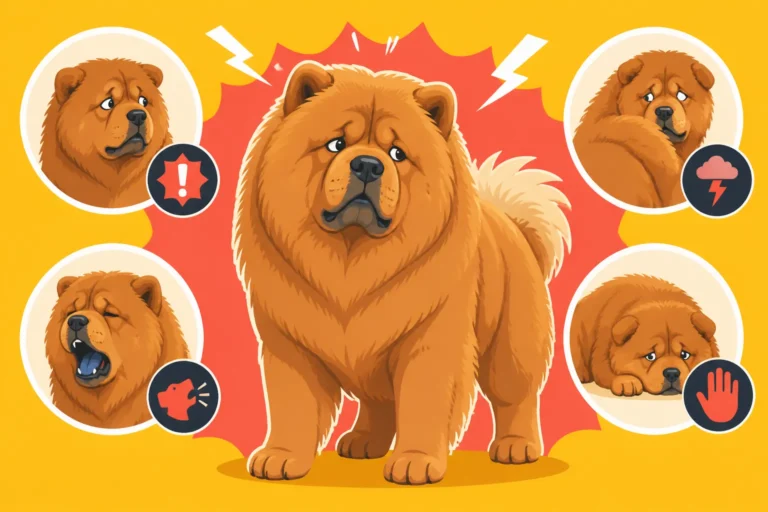
Chow Chows are masters of their own emotions, often quite subtle in their expressions. You won't always get dramatic whines or frantic pacing. It's crucial to pay close attention to subtle body language that indicates stress or discomfort.
- Subtle Signs of Stress: Look for excessive drooling, repeated yawning or lip-licking, panting when it's not hot, a stiff body posture, wide eyes, or ears pinned back. If your puppy refuses treats that they usually adore, that's a huge red flag that they're feeling anxious. Some might even try to hide or become very still and withdrawn. Understanding these subtle cues is vital, as a Chow Chow might Why a Chow Chow Gives Little Warning before escalating their distress.
- Reacting Appropriately: If you notice any of these signs, don't ignore them or push through. Pull over if safe to do so, offer comfort, or end the session. The goal is to always end on a positive or at least neutral note, never pushing them to the point of a full-blown panic attack or vomiting. If you do, you risk creating a lasting negative association. It’s better to cut a session short and try again another day than to traumatize your puppy. Remember, for a Chow Chow, pushing them too hard can lead to them completely shutting down, which is difficult to recover from in training. Learning How to Read a Chow Chow's Face is a skill you'll develop over time, but always err on the side of caution.
Making Car Rides a Positive Experience for Your Chow Chow
It's not just about the frequency and duration of car rides; it's about the entire experience. From the gear you use to the techniques you employ, every element contributes to whether your Chow Chow views the car as an enjoyable adventure vehicle or a torture chamber. Creating a safe, calm, and predictable environment is key to success.
Essential Gear for Safe and Comfortable Travel
Safety is paramount when traveling with any dog, especially a Chow Chow. A loose dog in a moving vehicle is a significant distraction and a projectile hazard in case of an accident.
- Crate Training: If your Chow Chow puppy is crate trained, a sturdy, well-ventilated travel crate can be their secure den in the car. It provides a sense of security, prevents them from distracting the driver, and offers protection. Choose a crate that allows them to stand, turn around, and lie down comfortably. Placing a familiar blanket or their favorite bed inside the crate can enhance their sense of security. Many robust travel crates are available on Amazon, from brands known for their durability.
- Safety Harnesses and Seatbelts: For dogs who prefer not to be crated, a crash-tested car safety harness and seatbelt attachment are crucial. These devices secure your Chow Chow in the back seat, preventing them from moving around too much or being thrown forward during a sudden stop. Make sure the harness fits properly and is specifically designed for car safety. Again, a quick search on Amazon for "dog crash-tested harness" will show you reputable brands. It’s worth the investment.
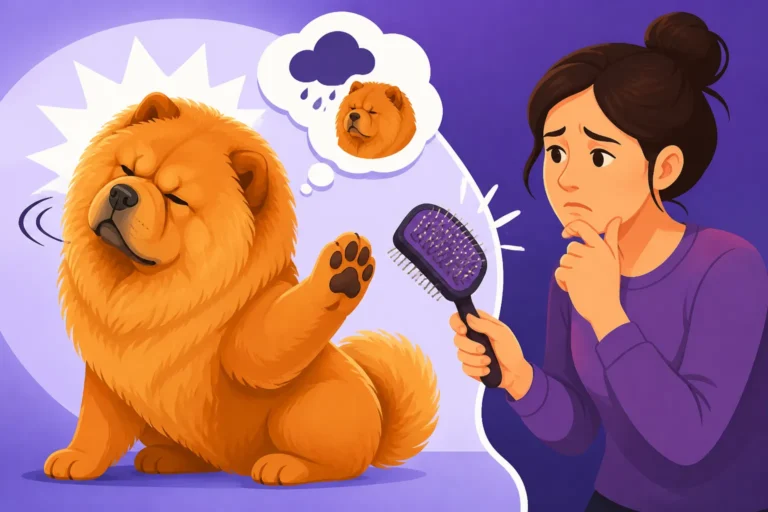
- Comfort Items: Don't forget their favorite chew toy, a puzzle feeder, or a long-lasting treat to keep them occupied. A familiar blanket or towel with your scent on it can also provide comfort and help absorb any drool. These little touches can make a big difference in making the car feel less intimidating. Teaching a Chow Chow to Be Brushed is another early training step that creates comfort with handling and new tools, similar to introducing car gear.
Tips for Managing Anxiety and Motion Sickness
Even with careful introduction, some Chow Chows might still struggle with car anxiety or motion sickness. There are strategies you can employ to help ease their discomfort.
- Food Management: For puppies prone to motion sickness, avoid feeding them a large meal right before a car ride. A small, bland treat is fine, but a full stomach can exacerbate nausea. Some owners find that withholding food an hour or two before travel helps significantly.
- Environmental Adjustments: Keep the car cool and well-ventilated. A slightly open window (just enough for fresh air, not enough for them to stick their head out unsafely) can help some dogs. Ensure a calm atmosphere inside the car—avoid loud music or sudden movements. Speaking in a soothing voice can also be reassuring.
- Calming Aids (Consult Your Vet): For more persistent anxiety, discuss options with your veterinarian. This might include calming pheromone sprays, pressure wraps (like a ThunderShirt), or even mild anti-nausea or anti-anxiety medications for severe cases. Always consult your vet before administering any medication. Training resources like those offered by BAXTER & Bella often cover desensitization techniques and positive reinforcement strategies that can be adapted for car anxiety, providing a solid foundation for managing various stressors. Sometimes, for vet trips where anxiety is very high, Teaching a Chow Chow to Wear a Muzzle proactively can make the experience safer for everyone involved, and is a great habit to start early.
Integrating Car Rides into Daily Life
The ultimate goal is for car rides to become a normal, unremarkable part of your Chow Chow's routine. The more frequently and casually they experience the car, the less special (and therefore less anxiety-inducing) each trip becomes.
- Routine Errands: Don't just save car rides for big adventures or dreaded vet visits. Take your Chow Chow with you on mundane errands. A quick drive to the post office, a trip through the drive-thru for a plain ice cube, or simply driving to a different block for their daily walk can help normalize the experience.
- Positive Destination Variation: Vary the destinations to avoid predictability. Sometimes the park, sometimes a friend's house, sometimes just a short loop around the neighborhood. This prevents your Chow Chow from anticipating a specific (potentially unpleasant) outcome every time they get in the car.
- Short and Sweet Stops: Even a brief stop where they get out, sniff around, and get back in can be beneficial. It breaks up the monotony and offers a chance for exploration. This continuous, low-key exposure teaches them that the car is just a tool for getting to places, some exciting, some mundane, but none inherently terrifying. By consistently doing this, you're not only getting your Chow Chow used to the car but also expanding their world in a safe and controlled manner.
Disclaimer
This article is for general informational purposes only and does not constitute professional advice. Laws, prices and regulations vary by location and change over time. Consult a qualified professional for guidance on your specific situation.