Whether a Chow Chow Is a One Person Dog for Life
It’s a common worry for many prospective Chow Chow owners, hearing that these majestic, lion-like dogs are notoriously "one-person dogs." The idea often conjures images of a fiercely loyal guardian who tolerates absolutely no one else, leaving other family members feeling like mere furniture in their own home. This guide dives deep into this characteristic, exploring what it truly means to be a "one-person dog" in the context of a Chow Chow, and whether this deep bond is set in stone for their entire life.
Decoding the "One-Person Dog" Trait in Chow Chows
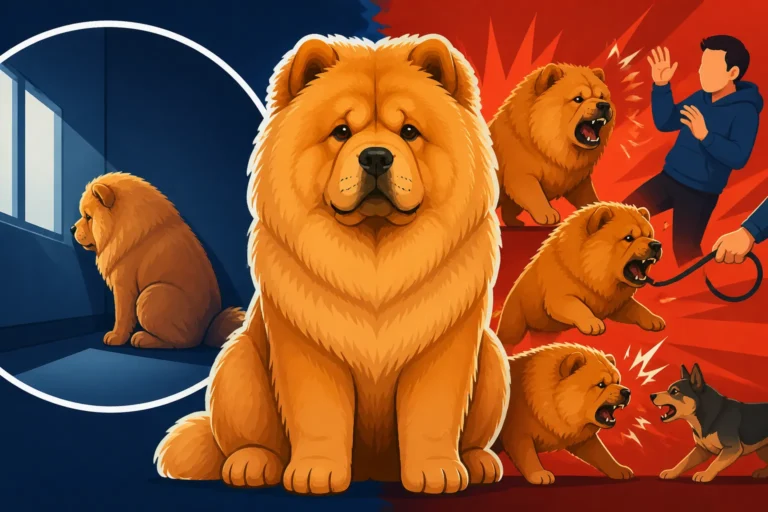
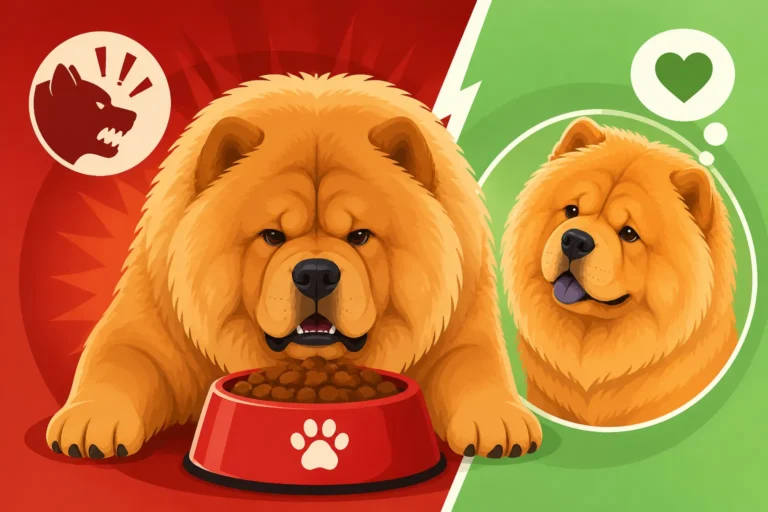
The reputation of the Chow Chow as a "one-person dog" isn't entirely unfounded, but it's often misunderstood and exaggerated. It doesn't mean your Chow Chow will growl at everyone else in the household or ignore them completely. Instead, it speaks to the unique depth and intensity of the bond they form with one particular individual.
What "One-Person Dog" Really Means for a Chow Chow
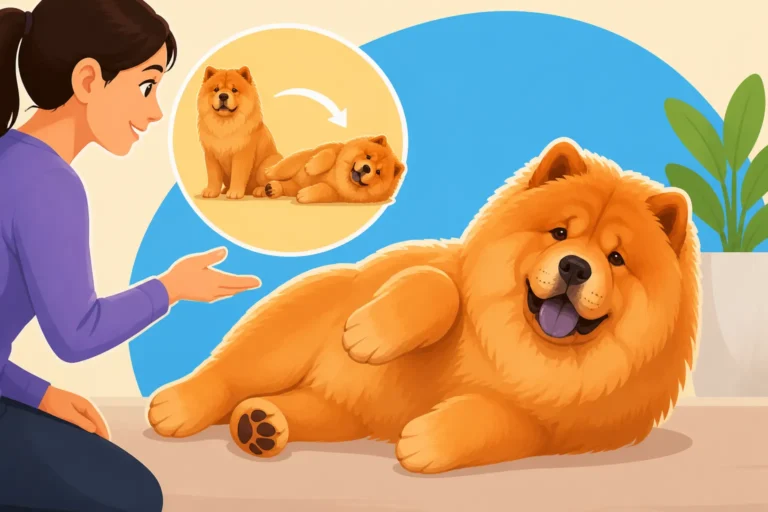
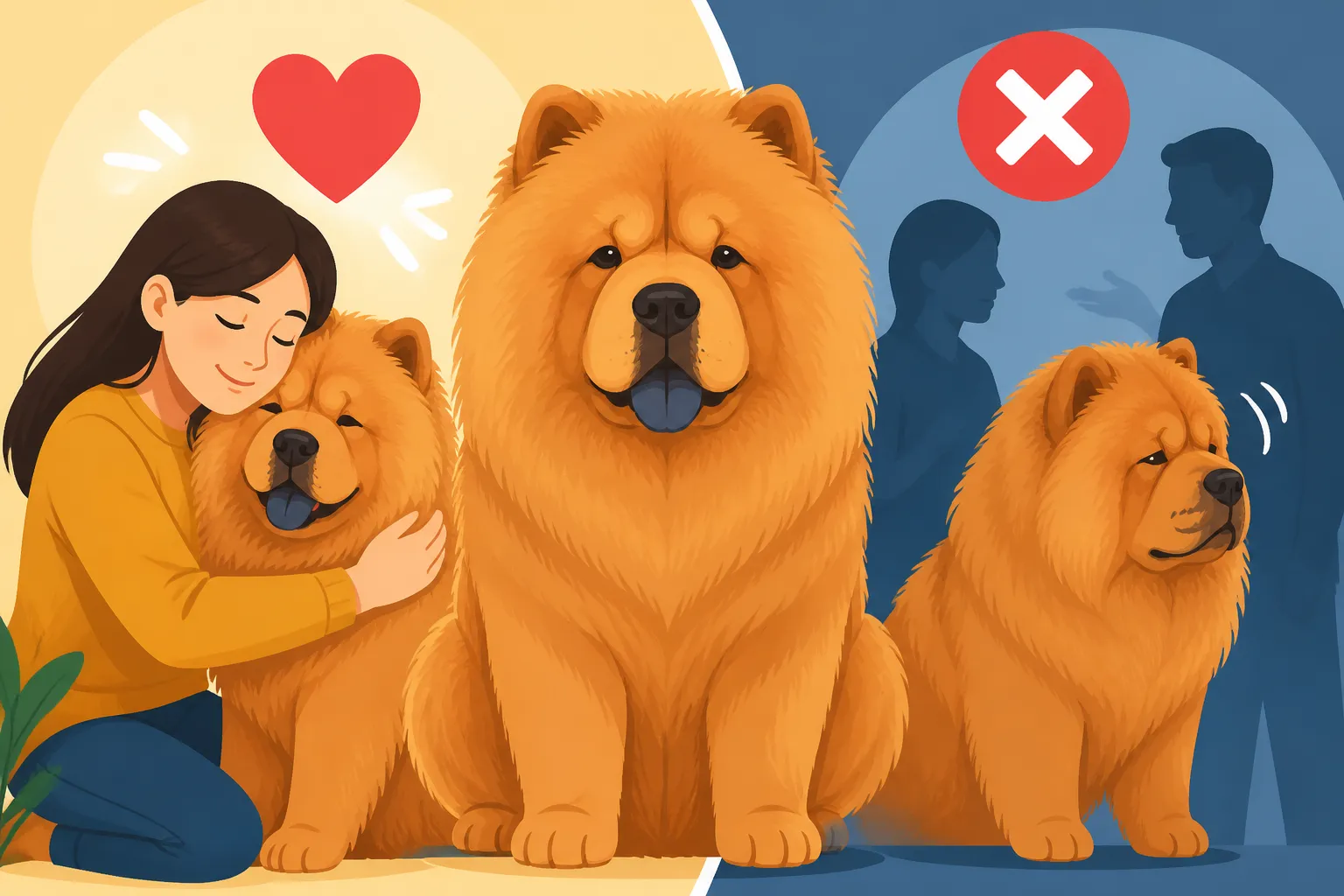
For a Chow Chow, being a "one-person dog" typically manifests as an unparalleled devotion and loyalty to their chosen human. This person becomes their confidant, their primary source of comfort, and the individual they consistently look to for guidance and interaction. When you are their person, you'll experience a quiet, profound affection that often expresses itself through subtle nudges, watchful gazes, and a calm, steadfast presence. They might follow you from room to room more readily than others, or seek your presence in a crowded space. How Close a Chow Chow Sits to You
However, this deep connection doesn't necessarily translate into outright hostility or disinterest toward other family members. It's more about a hierarchy of affection. While they might not shower everyone with enthusiastic greetings or belly rubs, they generally accept and can even grow fond of others in their inner circle. It's just that the intensity of the connection with their chosen human remains unique. Think of it less like an exclusive club and more like a tiered membership – one VIP, and several respected, appreciated members.
The Historical Roots of This Trait
To understand this trait better, we need to look back at the Chow Chow's origins. These dogs were not bred to be effusive, people-pleasing companions. The Chow Chow Is One of the Oldest Breeds in the World Their historical roles in China included guarding temples, pulling carts, and hunting. These were independent, self-reliant tasks that required a dog to be observant, discerning, and often, solitary in its duties. They were valued for their protective instincts and stoic nature, not for being the life of the party or the family's social butterfly.
This independent spirit, combined with a naturally reserved temperament, contributes to their selective bonding process. They aren't quick to trust, and once that trust is earned, it's a profound commitment. This history means they are inherently predisposed to be watchful and discerning, choosing their closest confidant carefully, rather than spreading their affections thinly across a wide group. This isn't a flaw in their character; it's simply how they are wired, a remnant of centuries of selective breeding for specific roles.
How a Chow Chow Chooses Its Person
So, if a Chow Chow tends to pick one person, how exactly does this selection process work? Is it random? Is it about who feeds them the most treats? It's a combination of factors, often boiling down to consistency, respect, and who truly understands their nuanced communication.
Factors Influencing the Primary Bond
The person a Chow Chow chooses as "their" human is often the one who provides the most consistent, positive, and respectful interaction during their formative months and beyond. This isn't just about who fills the food bowl. It's about who:
- Spends the most dedicated time: This includes training sessions, structured walks, and quiet companionship.
- Understands and respects their boundaries: Chow Chows are not naturally cuddly or overly demonstrative. The person who respects their space, avoids forcing affection, and allows them to initiate interaction often earns their trust faster. How Much a Chow Chow Wants to Be Petted
- Is calm and consistent: A Chow Chow thrives on routine and clear communication. A person who is predictable, fair, and doesn't engage in excessive boisterousness often resonates more with their reserved nature.
- Engages in positive reinforcement training: They respond best to patience and reward-based methods. The person who takes the lead in this, perhaps by using resources like BAXTER & Bella's online training programs, builds a strong foundation of trust and mutual respect.
It's a nuanced process, and sometimes, a Chow Chow might pick someone you least expect. It's rarely about force or dominance; it's about a quiet, mutual understanding that develops over time.
What This Means for Other Family Members
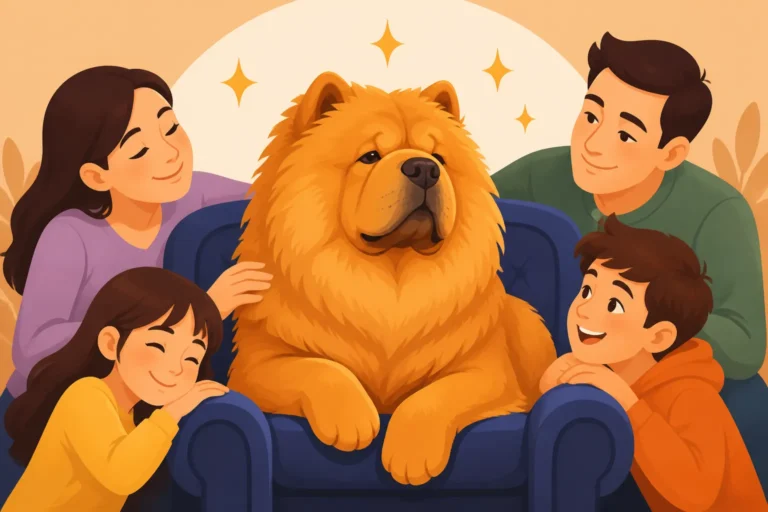
For other family members, it means that while you might not be the chosen one, you are certainly not irrelevant. A Chow Chow will typically still show polite acceptance and, with consistent positive interaction, genuine warmth towards others in the household. They might not greet you at the door with a wagging tail and a barrage of licks, but they might lean against you gently, seek a head scratch when you're relaxing, or simply enjoy your presence in the same room.
The key is to manage expectations and understand their unique way of showing affection. Don't expect a Golden Retriever's exuberance. Instead, appreciate the more subtle signs of a Chow Chow's bond: the steady gaze, the relaxed posture in your presence, the quiet willingness to be near you. How a Chow Chow Shows Affection
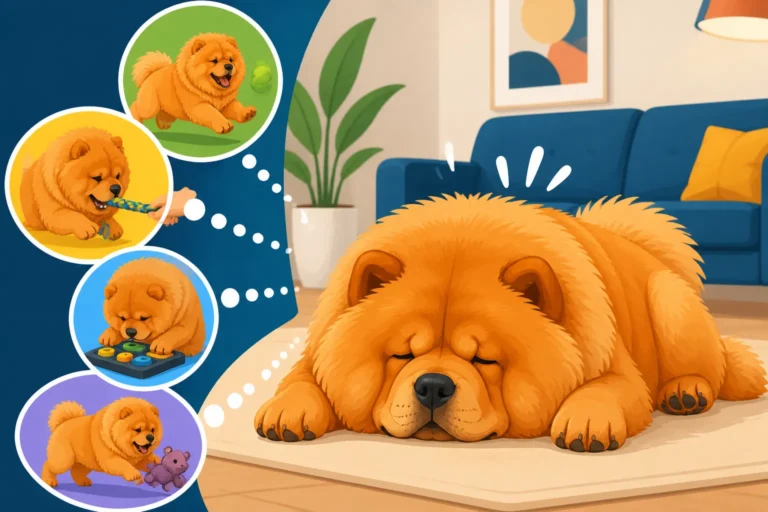
Early and consistent socialization involving all family members is absolutely crucial. How Many People a Chow Chow Puppy Should Meet Every member should participate in feeding, short training sessions, and calm play. This helps the Chow Chow learn that everyone in the home is a trusted, positive presence, even if one person ultimately holds the "VIP" status.
Can a Chow Chow's Bond Shift Over Time?
The idea of a "one-person dog for life" can be intimidating, suggesting an unchangeable dynamic. However, life happens, and circumstances change. The good news is that while a Chow Chow's initial bond is powerful, it's not always an unbreakable, immovable force.
Adapting to New Family Dynamics
Life is fluid, and families evolve. People move in, people move out, children grow up and become more independent, or new partners join the household. A Chow Chow, while deeply loyal, can and often will adapt to these changes. It might take time, patience, and a conscious effort from everyone involved, but their primary bond can indeed shift or broaden.
For example, if the initial primary caregiver goes away for an extended period, or if another family member consistently takes over the main caregiving responsibilities, the Chow Chow will often transfer a significant portion of its loyalty and affection to this new person. It’s not a betrayal of the original bond, but rather a practical adaptation. They are still dogs, and they seek connection and security. If the most reliable source of that connection changes, so too can the focus of their deep affection. Whether a Chow Chow Accepts a New Partner
The key during these transitions is consistency and patience. The new primary caregiver needs to step into that role with a full understanding of the Chow Chow's reserved nature, offering consistent positive interactions, respectful handling, and a predictable routine.
The Impact of Rehoming or Rescue
One of the most powerful proofs that a Chow Chow's bond isn't always "for life" with one specific individual comes from observing rescue Chows. These dogs, through no fault of their own, often find themselves in new homes, needing to form new bonds. While the transition can be stressful, many rescue Chow Chows successfully integrate and form incredibly deep, unwavering bonds with their new adoptive families.
A Chow Chow coming from a rescue situation, perhaps through a dedicated Chow Chow rescue organization, might initially be wary or withdrawn. But with time, kindness, and understanding, they will almost always attach themselves strongly to a new person or family. Whether an Adult Rescue Chow Chow Can Change This demonstrates their capacity to re-bond and proves that their loyalty, while profound, is not necessarily tied to a single individual throughout their entire lifespan if circumstances dictate otherwise. Their resilience and ability to form new, powerful connections are testaments to their character.
Strategies for Multi-Person Acceptance in Your Home
If you're bringing a Chow Chow into a multi-person household, or if you already have one and want to ensure everyone feels included in their affections (even if one person is clearly the favorite), there are definitely strategies you can employ.
Involving Everyone in Daily Care and Training
To foster broader acceptance and a more inclusive bond, every member of the household should be actively involved in the Chow Chow’s daily life from the very beginning. This goes beyond just occasional petting.
- Shared Responsibilities: Rotate who feeds the dog, who takes them for walks (or portions of walks), and who supervises potty breaks. This helps the Chow Chow associate positive experiences with multiple people.
- Training Time: Even if one person leads the main training sessions, everyone can practice simple cues like "sit" or "stay" for short periods. Use high-value treats (think freeze-dried liver or small pieces of cheese, found readily on Amazon or specialty pet stores) to make these interactions extra positive. Companies like BAXTER & Bella offer online puppy training that provides structured lessons for the whole family, ensuring consistency across all handlers. This not only reinforces good behavior but also strengthens bonds with everyone. How Long a Chow Chow's Training Session Should Be
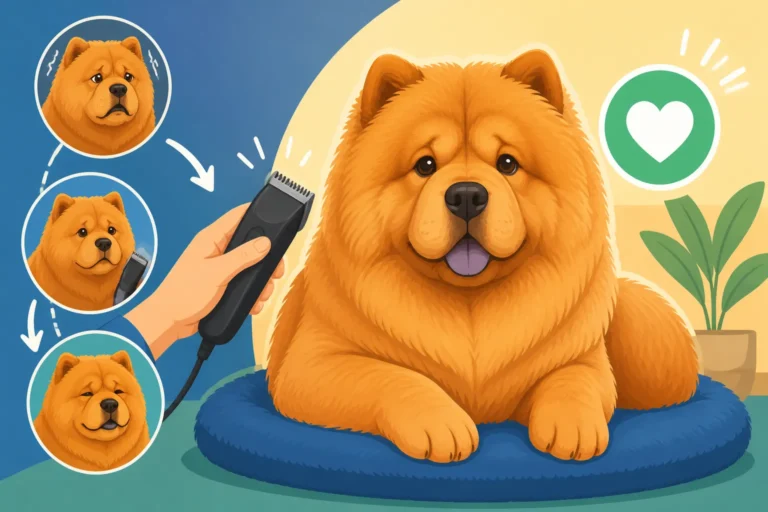
- Grooming Routine: Even if it's just a quick brush-through or wiping their face folds, having multiple people gently engage in grooming helps the Chow Chow become comfortable with different hands and reduces the chance of them only tolerating one person's touch. Teaching a Chow Chow to Be Brushed
Respecting the Chow Chow's Boundaries
This might be the single most important piece of advice for living harmoniously with a Chow Chow, especially in a multi-person household. Their reserved nature means they need their space and appreciate a respectful approach.
- No Forced Affection: Never force a Chow Chow to interact, hug, or tolerate prolonged petting if they are showing signs of discomfort. These can include turning their head away, lip licking, yawning, or stiffening their body. Signs a Chow Chow Is Uncomfortable Learning to read these subtle cues is paramount.
- Give Them Space: Ensure your Chow Chow has a designated safe space, like a crate or a bed in a quiet corner, where they can retreat and not be disturbed. This is especially important if there are children in the home.
- Calm Introductions: When guests or new family members are introduced, ensure it's done calmly and slowly. Let the Chow Chow approach on their own terms. Provide treats or a favorite chew toy (many options available on Amazon) to create positive associations with new people.
By understanding that a Chow Chow's loyalty runs deep but can also be dynamic, and by actively engaging all family members in respectful, positive interactions, you can ensure your Chow Chow thrives and forms meaningful connections with everyone in your home, even if one person remains their absolute favorite.
| Trait Aspect | "One-Person Dog" Myth (Exaggerated) | Chow Chow Reality |
|---|---|---|
| Loyalty | Exclusive and hostile to others outside the chosen person. | Deep, intense primary bond, but accepts and often develops warmth for others. |
| Affection Display | Only shows love to one, ignores or avoids all others. | Subtle, quiet affection for chosen person; polite acceptance/tolerance for others. |
| Adaptability | Incapable of shifting bonds if circumstances change (e.g., rehoming). | Can adapt and re-bond strongly with new primary caregivers/families over time. |
| Family Role | Creates household tension as only one person can manage the dog. | Can be managed by all family members with consistent, respectful training and care. |
| Socialization | Useless or impossible; they will pick one person regardless. | Crucial for broader acceptance and comfort with multiple people. |
Disclaimer
This article is for general informational purposes only and does not constitute professional advice. Laws, prices and regulations vary by location and change over time. Consult a qualified professional for guidance on your specific situation.