What a Chow Chow’s Yearly Bloodwork Should Cover
It can be incredibly disheartening when you suspect something isn't quite right with your stoic Chow Chow, but they're masters at hiding discomfort. Their dense coat, deep-set eyes, and naturally reserved demeanor can make subtle changes in their health almost impossible to spot with the naked eye. That's why annual bloodwork isn't just a routine chore; it's a vital window into their internal well-being. This guide will meticulously break down what a Chow Chow's yearly blood panel should cover, why each test matters, and how these insights can safeguard your beloved companion's health for years to come.
Why Annual Bloodwork Is Non-Negotiable for Your Chow Chow
You love your Chow Chow, and you want them to live The Eight to Twelve Years a Chow Chow Gets in comfort and good health. However, unlike some more outwardly expressive breeds, Chows are notoriously stoic. They don't often whine, limp dramatically, or show obvious signs of pain until a condition is quite advanced. This inherent trait, combined with their thick double coat that can obscure skin issues or changes in body condition, means that internal health markers become even more critical for proactive care. Annual bloodwork provides an objective snapshot of what's happening inside, allowing your veterinarian to detect potential problems long before they manifest outwardly.
The Silent Language of Illness in Chows
Imagine your Chow, looking perfectly content, perhaps enjoying a quiet snooze in their favorite spot. To the untrained eye, they seem fine. But beneath that impressive coat and calm exterior, organ systems could be quietly struggling. Conditions like kidney disease, liver issues, or metabolic imbalances often progress silently in their early stages, showing no overt symptoms. By the time a Chow Chow starts exhibiting noticeable signs, the disease might be well-entrenched, potentially making treatment more challenging and costly. Regular blood tests can catch these subtle shifts, giving your vet the opportunity to intervene sooner rather than later.
Think about how many times you've wondered, "Whether a Chow Chow Hides Pain?" The answer is a resounding yes. Their lineage as ancient, resilient working dogs means they are wired to conceal weakness. A slight change in kidney values might be the only clue that something is amiss, weeks or months before your Chow might start showing increased thirst or appetite changes. This early warning system is invaluable, allowing for dietary adjustments, medication, or further diagnostic tests before a crisis develops.
Catching Trouble Before It's Too Late
The proactive nature of annual bloodwork means you're not just reacting to illness; you're actively preventing it or mitigating its severity. For breeds like the Chow Chow, which can be predisposed to certain conditions, this foresight is paramount. For example, thyroid disease is not uncommon in Chows, and routine screening can identify an underactive thyroid early. Addressing this with medication can prevent a host of secondary issues, from coat problems and weight gain to lethargy and behavioral changes. Without a blood test, these symptoms might be dismissed as "just getting older" or attributed to their breed's naturally calm disposition.
Consider the financial and emotional toll of a sudden, severe illness versus a managed, early-stage condition. An unexpected health crisis requiring emergency veterinary care can be incredibly stressful and expensive. Many pet parents find great peace of mind knowing they have a plan for unexpected emergencies, and comprehensive pet insurance plans from providers like Healthy Paws can certainly help mitigate those financial concerns should an unforeseen diagnosis arise from annual screening. Catching a problem early can often mean less aggressive treatment, better outcomes, and ultimately, a better quality of life for your Chow Chow.
A Baseline for Life
One of the most powerful aspects of consistent annual bloodwork is the establishment of a "normal" baseline for your individual Chow Chow. While there are general reference ranges for all dogs, every dog is an individual. What might be a slightly elevated liver enzyme for one dog could be perfectly normal for your Chow. Over time, your vet accumulates a history of your Chow's unique blood profiles. This historical data allows them to spot even minor deviations from your dog's specific normal, which might not yet fall outside the broad "normal" range for the general canine population.
This personalized baseline becomes especially crucial as your Chow Chow ages. What might be considered acceptable kidney function for a young, vibrant Chow could be a red flag for a senior dog. Knowing their individual trends enables your vet to tailor advice and interventions with greater precision, rather than relying solely on generic guidelines. This nuanced approach helps keep your Chow thriving as they enter their golden years, supporting Caring for an Old Chow Chow with precise medical insight.
Key Components of a Chow Chow's Yearly Blood Panel
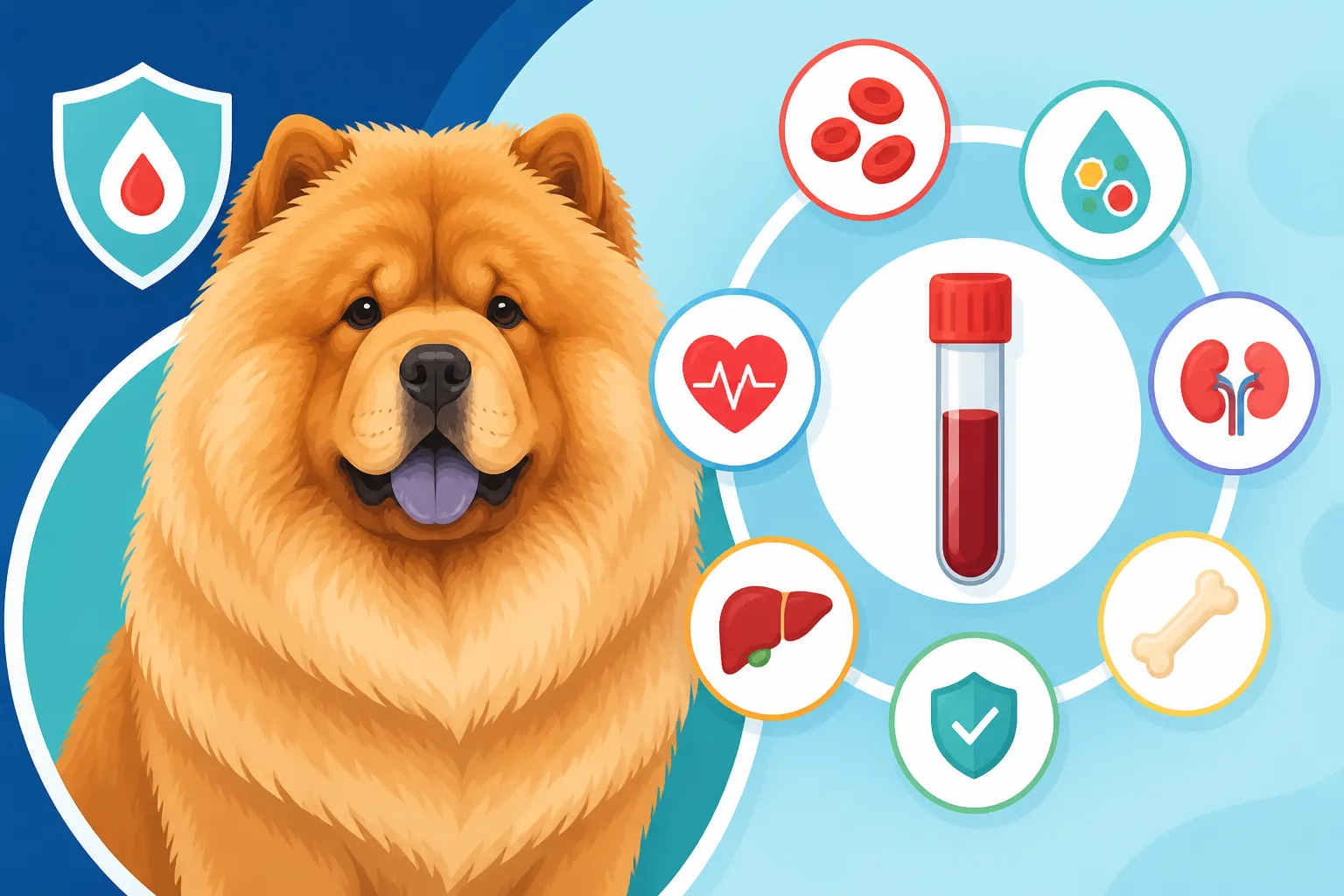
When your Chow goes in for their annual check-up, the bloodwork usually consists of a few standard components. These tests are designed to give your veterinarian a broad overview of your dog's general health, assess organ function, and detect signs of infection or inflammation. It's a comprehensive look that sets the stage for any further, more specialized investigations if needed.
The Complete Blood Count (CBC)
The Complete Blood Count, or CBC, is a foundational test. It provides detailed information about the different cells in your Chow Chow's blood: red blood cells, white blood cells, and platelets. Each component offers unique insights into their health.
- Red Blood Cells: These carry oxygen throughout the body. Abnormalities here can indicate anemia (too few red blood cells), which might point to blood loss, nutritional deficiencies, or underlying chronic disease. Conversely, too many red blood cells can indicate dehydration or certain bone marrow disorders. Your vet will look at the red blood cell count, hemoglobin levels (the oxygen-carrying protein), and hematocrit (the percentage of red blood cells in the blood) to assess oxygen-carrying capacity.
- White Blood Cells: These are your Chow's immune system's frontline defenders. A CBC measures the total white blood cell count and often breaks it down into different types, such as neutrophils, lymphocytes, monocytes, eosinophils, and basophils. Changes in these numbers can signal bacterial or viral infections, inflammation, stress, or even certain types of cancer. For instance, an elevated neutrophil count often indicates a bacterial infection, while elevated eosinophils might point to allergies or parasitic infections.
- Platelets: These tiny cells are essential for blood clotting. A low platelet count (thrombocytopenia) can lead to excessive bleeding, while a high count (thrombocytosis) can occur with certain inflammatory conditions or after trauma. Ensuring your Chow's platelets are within a healthy range is important, especially if any minor procedures or dental work are anticipated.
The Chemistry Panel
The chemistry panel, often called a serum chemistry or biochemical profile, is a collection of tests that evaluate organ function, metabolism, and electrolyte balance. It measures enzymes, proteins, and other substances in your Chow's blood.
- Organ Function: This part of the panel focuses heavily on the liver and kidneys, two of the most critical organs.
- Kidney values (like BUN and creatinine) help assess how well your Chow's kidneys are filtering waste from their blood. Elevated levels can indicate kidney disease, dehydration, or other issues affecting kidney function. These are especially important for catching problems early, as Familial Renal Dysplasia Kills Young Chow Chows and other kidney conditions can be devastating.
- Liver enzymes (like ALT, ALP, GGT, and bilirubin) can indicate liver damage, inflammation, or disease. The liver is a powerhouse organ, involved in digestion, detoxification, and protein production, so its health is paramount.
- Metabolic Function & Electrolytes: The chemistry panel also provides data on blood glucose (sugar), which is critical for diagnosing diabetes. It measures electrolytes like sodium, potassium, and chloride, which maintain hydration, nerve function, and muscle activity. Imbalances can be caused by various conditions, from vomiting and diarrhea to kidney disease or hormonal disorders. Protein levels (albumin, globulin, total protein) give clues about hydration, nutritional status, and immune system health. Calcium and phosphorus levels are also often included, important for bone health and kidney function.
Adding a Urinalysis
While not strictly bloodwork, a urinalysis is often performed in conjunction with annual blood tests because it provides crucial complementary information, especially regarding kidney and urinary tract health. It's an easy, non-invasive test that can reveal a lot.
A urinalysis examines your Chow Chow's urine for various components. Your vet will look at its concentration (specific gravity), pH, and the presence of protein, glucose, ketones, bilirubin, and blood. They'll also examine the urine under a microscope for crystals, bacteria, red blood cells, white blood cells, and casts. For instance, protein in the urine can be an early indicator of kidney disease, even before blood values change significantly. The presence of bacteria and white blood cells points to a urinary tract infection. Coupled with blood chemistry results, a urinalysis paints a much more complete picture of your Chow's kidney health, helping answer questions like "When a Chow Chow Puppy Needs Kidney Bloodwork" if age-specific concerns arise.
Beyond the Basics: Specialized Tests for Chow Chows
While the standard CBC and chemistry panel provide a great overview, some breeds, including the Chow Chow, have specific predispositions that warrant additional, more targeted testing. Integrating these specialized panels into your annual routine can offer an even deeper layer of preventive care, tailored to the unique health profile of this magnificent breed.
Thyroid Function Testing
This is, arguably, one of the most important specialized tests for Chow Chows. Hypothyroidism, an underactive thyroid gland, is particularly common in the breed. The thyroid gland produces hormones that regulate metabolism, and when it's not functioning correctly, it can lead to a host of problems that can easily be mistaken for normal aging or dismissed without proper testing.
A comprehensive thyroid panel for a Chow Chow usually includes measuring total T4 (thyroxine), free T4, and TSH (thyroid-stimulating hormone). Sometimes, autoantibody levels are also checked, as What Autoimmune Thyroiditis Does to a Chow Chow is a common cause of hypothyroidism in the breed. Elevated TSH with low T4 and free T4 levels typically confirm hypothyroidism. The symptoms can be subtle at first: lethargy, weight gain even with no change in diet, a dull or thinning coat, dry skin, and intolerance to cold. Often, owners just think their Chow is getting lazy or shedding more than usual. Knowing Signs a Chow Chow's Thyroid Is Low is vital, but objective testing provides the definitive answer, allowing for prompt treatment with thyroid hormone replacement, which is typically very effective.
Advanced Kidney Markers
For Chow Chows, especially as they approach their senior years, going beyond basic BUN and creatinine can be incredibly beneficial. While BUN and creatinine are standard indicators, they often don't become elevated until a significant portion of kidney function (around 75%) has already been lost. New advanced kidney markers, such as SDMA (Symmetric Dimethylarginine), can detect kidney disease much earlier, sometimes when as little as 25% of kidney function is lost.
Early detection of kidney issues is paramount because interventions, such as dietary changes and medications, can significantly slow the progression of the disease and improve quality of life. For an aging Chow, where the phrase "What Changes in a Chow Chow After Eight" often brings health concerns to mind, including SDMA in their annual bloodwork can provide an invaluable early warning system. This allows for proactive management rather than reactive crisis intervention, potentially extending the comfortable lifespan of your cherished companion.
Tick-Borne Disease Screening
Depending on your geographic location and your Chow Chow's lifestyle, routine screening for tick-borne diseases might be a prudent addition to their annual bloodwork. Even with diligent tick prevention, exposure can happen, and many tick-borne illnesses can cause chronic health problems if not identified and treated early. Diseases like Lyme disease, Anaplasmosis, and Ehrlichiosis can cause a range of symptoms, including lameness, fever, lethargy, and in some cases, serious organ damage.
Many veterinary clinics offer a simple in-house test that screens for several common tick-borne diseases, often alongside heartworm testing. This screening is particularly important if your Chow spends time outdoors, in wooded areas, or travels to regions where ticks are prevalent. While their dense coat might make it harder to spot ticks, blood testing can reveal hidden infections before they cause severe symptoms, allowing for timely antibiotic treatment. This proactive approach ensures that a tiny pest doesn't lead to a major health setback for your Chow.
Understanding the Results: What Your Vet Is Looking For
Once the blood samples have been run and the numbers are in, your veterinarian becomes a detective, piecing together the story your Chow Chow's body is telling. It’s not just about identifying values outside the "normal" range, but about understanding what those deviations signify in the context of your specific dog, their age, lifestyle, and overall clinical picture. Don't be afraid to ask questions; your vet wants you to understand what's happening.
Interpreting the Numbers: Normal Ranges and Red Flags
Each test on the blood panel has a reference range, typically provided on the lab report. Your vet will first scan for any values that fall significantly above or below these ranges. For instance, a very low red blood cell count could be a red flag for anemia, while high liver enzymes might suggest liver inflammation or damage. However, it's crucial to remember that a single out-of-range number isn't always cause for panic.
Sometimes, mild fluctuations can occur due to stress, recent meals, or even just individual variation. Your vet will evaluate if the change is significant enough to warrant concern, or if it's merely a slight variation. They will also consider any physical symptoms your Chow might be exhibiting – or, more commonly with this breed, not exhibiting. For example, a slightly elevated BUN could indicate early kidney issues or simply mild dehydration. This is where the art of veterinary medicine, combined with years of experience, truly comes into play. If your pet insurance, like Healthy Paws, is in place, they'll want these detailed reports to understand the medical necessity of any follow-up care.
The Holistic Picture: Not Just One Number, But the Whole Dog
The real power of annual bloodwork lies in its ability to contribute to a holistic assessment of your Chow Chow's health. Your vet doesn't look at a single number in isolation. Instead, they consider the entire panel of results, comparing them to previous years' baselines, factoring in your Chow's age (The Age a Chow Chow Is Considered Senior makes a difference!), and combining the findings with their physical exam.
For example, if the chemistry panel shows slightly elevated kidney values, and the urinalysis also indicates dilute urine and protein, these multiple indicators together strongly suggest early kidney disease. If these values are slightly off, but your Chow Chow is otherwise bright, active, and has a good appetite, your vet might recommend a recheck in a few months rather than immediate aggressive intervention. This comprehensive approach ensures that diagnoses are accurate and that treatments are appropriate for your Chow's overall condition, recognizing that their unique physiology means that "Whether a Chow Chow Is Hard to Examine at the Vet" can impact other diagnostic steps.
Proactive Steps After Diagnosis
If the bloodwork does reveal an abnormality or a potential health concern, your vet will discuss the next steps with you. This might involve further diagnostic tests, such as additional blood tests, imaging (X-rays or ultrasound), or a biopsy to get a more definitive diagnosis. Or, it could mean lifestyle modifications like a prescription diet, supplements, or medication.
For conditions like hypothyroidism, the steps are usually straightforward: daily medication and follow-up blood tests to ensure the dosage is correct. For early kidney disease, dietary changes might be recommended to reduce the workload on the kidneys. The key is that because the issue was detected early, you have options. You and your vet can create a management plan that is both effective and maintains your Chow Chow's quality of life. This proactive planning can make a world of difference, potentially extending your time with your beloved companion.
Preparing Your Chow Chow for Their Annual Bloodwork
Getting your Chow Chow ready for their annual vet visit and blood draw can sometimes feel like a mini-mission. Their naturally independent and sometimes wary nature means that preparation can go a long way in making the experience smoother for everyone involved – especially your Chow. A stress-free visit contributes to more accurate results and a positive association with the vet's office.
Fasting Guidelines
For most routine bloodwork, your veterinarian will ask that your Chow Chow be fasted for a certain period, usually 10-12 hours, before the appointment. This means no food, but fresh water should always be available. Fasting is crucial for several reasons:
- Accuracy of Glucose Levels: Eating before a blood test can significantly elevate blood glucose, making it difficult to assess if your Chow has truly high blood sugar or if it's just a temporary post-meal spike. This is vital for screening for conditions like diabetes.
- Accuracy of Liver and Pancreatic Enzymes: Some enzymes and metabolites, particularly those related to fat metabolism (triglycerides), can be temporarily elevated after a meal. Fasting helps ensure these levels reflect your Chow's baseline health, not just recent digestion.
- Avoiding Lipemia: A fatty meal can cause lipemia, where the blood sample appears cloudy due to fat particles. This can interfere with the accuracy of many blood tests, sometimes even requiring a re-draw.
It can be tough to withhold food from a perpetually hungry pup, but it's a small sacrifice for clearer, more reliable results.
Minimizing Stress at the Vet
A trip to the vet can be stressful for many dogs, and Chow Chows, with their inherent wariness of strangers and new environments, can be particularly sensitive. High stress levels can actually impact some blood test results, temporarily elevating certain hormones or even white blood cell counts. Taking steps to minimize anxiety is beneficial for their overall experience and for the accuracy of the diagnostics.
Consider positive reinforcement techniques, such as bringing high-value treats to the appointment. If your Chow is comfortable wearing a muzzle, starting muzzle training early can make vet visits much less contentious and safer for staff, and it often leads to a calmer dog overall because they know what to expect. Short, happy "social calls" to the vet's office for just a treat and a quick greeting, without any procedures, can also help build positive associations. If your Chow Chow is particularly anxious, discuss anti-anxiety medications or calming supplements with your vet beforehand. If the cost of managing anxiety or other health concerns is a worry, having a pet insurance policy from a company like Healthy Paws can truly alleviate stress, knowing you have support for comprehensive care.
The Importance of a Sedated Exam
For some Chow Chows, their independent and sometimes distrustful nature means that a thorough physical exam and blood draw without sedation is simply not possible or would cause undue stress and potential risk to the vet staff. This is a reality for owners of these majestic but sometimes challenging dogs. If your vet recommends a sedated exam for bloodwork, it's often for the safety and comfort of everyone involved.
A mild sedative allows the veterinary team to perform a comprehensive physical examination, draw blood, and potentially conduct other necessary diagnostics (like What a Chow Chow's Eye Pressure Check Costs or other eye exams) without causing your Chow extreme anxiety or fear. While there are always risks with sedation, modern veterinary medicine has made it very safe, especially with pre-sedation bloodwork and monitoring. Discuss your concerns with your vet, and they can walk you through the protocol and monitoring procedures. The goal is always to provide the best care in the least stressful way possible for your beloved Chow Chow.
Table: Common Bloodwork Tests and Their Purpose for Your Chow Chow
| Test Category | Specific Tests (Examples) | What It Measures/Indicates | Why It Matters for Your Chow Chow |
|---|---|---|---|
| Complete Blood Count (CBC) | Red Blood Cells, Hemoglobin, Hematocrit | Oxygen-carrying capacity; anemia or dehydration | Essential for detecting blood loss, nutritional issues, or underlying chronic disease, which Chows can hide. |
| White Blood Cells (various types) | Infection, inflammation, immune response, stress | Crucial for identifying hidden infections or inflammatory processes before clinical signs appear. | |
| Platelets | Blood clotting ability | Important for assessing bleeding risk, especially before any procedures. | |
| Chemistry Panel | BUN, Creatinine, SDMA | Kidney function | Early detection of kidney disease is key, as Chows can be prone to kidney issues. |
| ALT, ALP, Bilirubin, GGT | Liver function and damage | Liver problems can be silent; these markers flag inflammation or disease early. | |
| Glucose | Blood sugar levels | Screening for diabetes, which can be managed effectively if caught early. | |
| Sodium, Potassium, Chloride | Electrolyte balance, hydration | Imbalances can indicate dehydration, kidney disease, or other metabolic issues. | |
| Albumin, Globulin, Total Protein | Nutritional status, inflammation, immune response | Provides insight into overall health, hydration, and possible protein loss. | |
| Calcium, Phosphorus | Bone health, kidney function | Important for metabolic balance and early detection of parathyroid or kidney issues. | |
| Specialized Tests | T4, Free T4, TSH, Autoantibodies | Thyroid function | CRITICAL for Chow Chows; common for detecting hypothyroidism and autoimmune thyroiditis. |
| Tick-borne disease panel | Exposure to Lyme, Anaplasma, Ehrlichia, etc. | Recommended based on geographic location and outdoor exposure to catch vector-borne illnesses. |
Disclaimer
This article is for general informational purposes only and does not constitute professional advice. Laws, prices and regulations vary by location and change over time. Consult a qualified professional for guidance on your specific situation.