Whether a Show Chow Chow Is Trimmed at All
Many Chow Chow owners, especially those new to the breed or contemplating showing their magnificent lions, often grapple with a particular grooming dilemma: just how much trimming is allowed for a show dog? It’s a common misconception that all show dogs are meticulously sculpted and trimmed to perfection, but for the Chow Chow, the breed standard holds a very different philosophy. This guide will clarify the intricate rules of show grooming for a Chow Chow, explaining why less is almost always more when it comes to their glorious double coat and how subtle neatening differs dramatically from altering their natural silhouette.
The Show Ring Standard for Chow Chow Coats
When you step into a dog show ring with a Chow Chow, you're not just presenting a dog; you're presenting a living embodiment of centuries of history, and that includes their coat. The Chow Chow's dense, standoffish double coat is one of its most defining features, and the breed standard is quite explicit about its presentation. Judges are looking for a natural appearance, one that speaks to the breed's origins and protective qualities, not one that has been heavily styled. This commitment to the natural coat often surprises those accustomed to breeds where extensive trimming, scissoring, or stripping is the norm.
Understanding the "Natural" Look
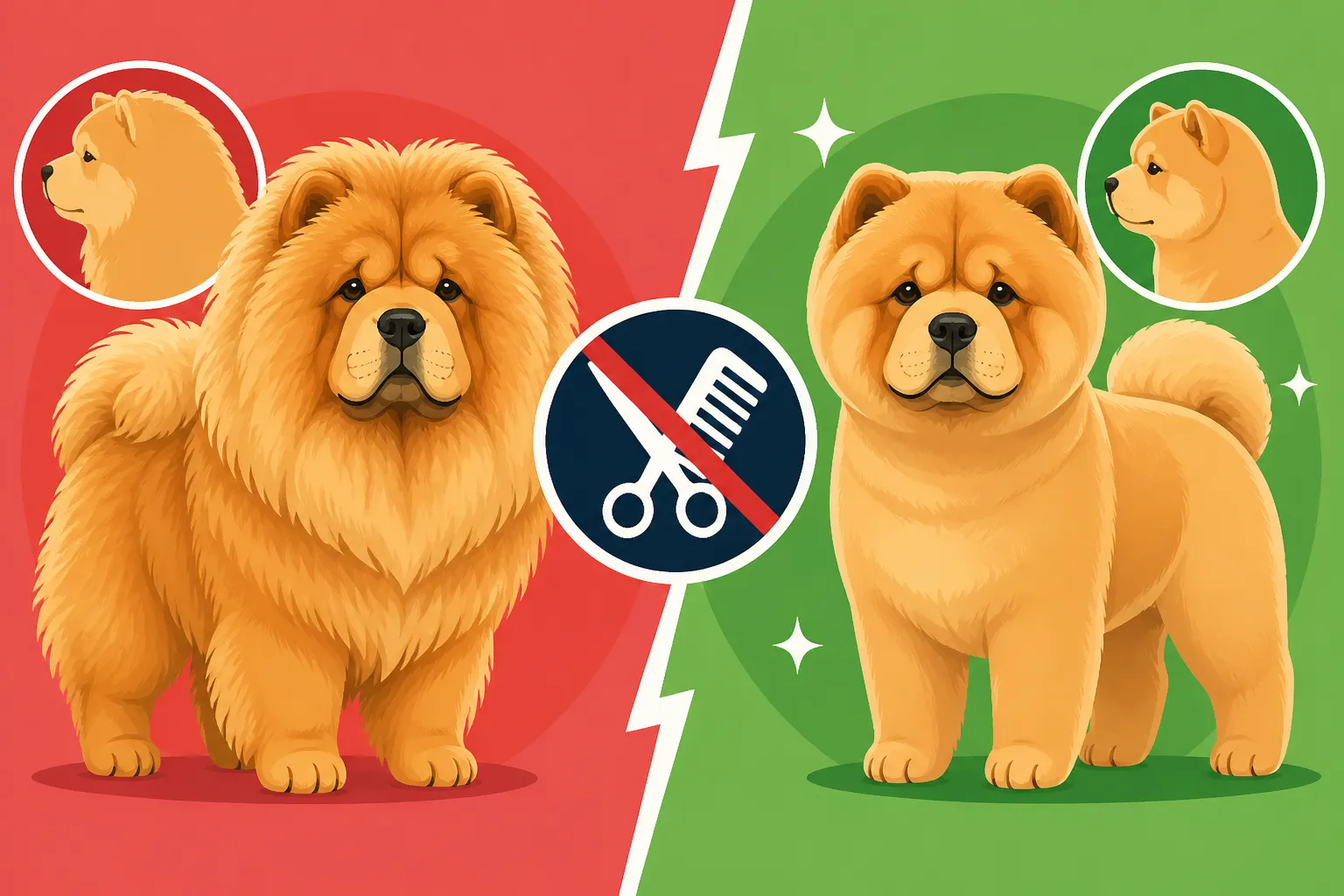
The phrase "natural look" is paramount when discussing a show Chow Chow's coat. It means that the dog's coat should appear as it grew, without any significant cutting, shaving, or sculpting to change its outline or texture. The Chow Chow standard emphasizes the breed's distinct "ruff" or "mane" around the head and neck, which should be abundant and striking, giving them that lion-like appearance. Any attempt to trim this area to create a more defined or artificial shape would be heavily penalized, as it goes against the very essence of the breed's natural aesthetic. It's about showcasing the dog's inherent beauty, not a groomer's artistic interpretation.
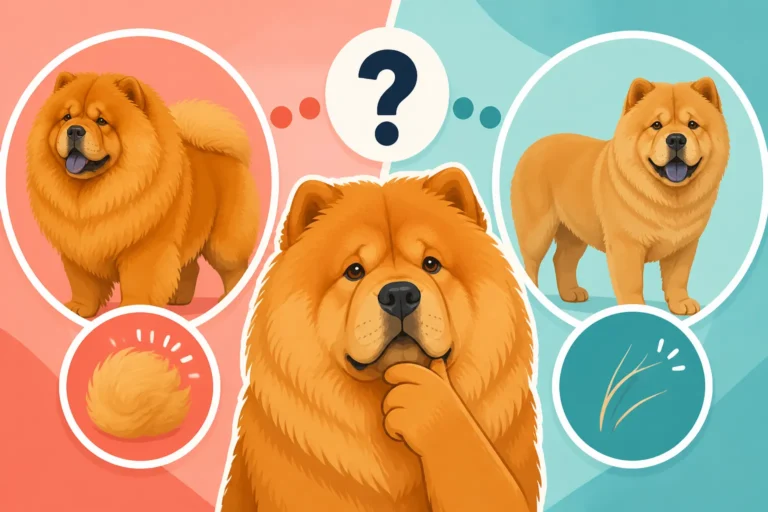
This isn't to say a show Chow Chow is a wild, unkempt creature. Far from it! A natural coat still requires immense dedication to cleanliness and health. It means countless hours of thorough brushing, bathing, and drying to ensure the coat is free of mats, clean, and in prime condition, reflecting the dog's overall health and the owner's diligent care. But all this effort is directed towards enhancing, rather than altering, the coat's natural state. Rough or Smooth: the Two Chow Chow Coats and What Each Needs delves deeper into the different coat types and their care requirements.
The Double Coat's Importance in Show
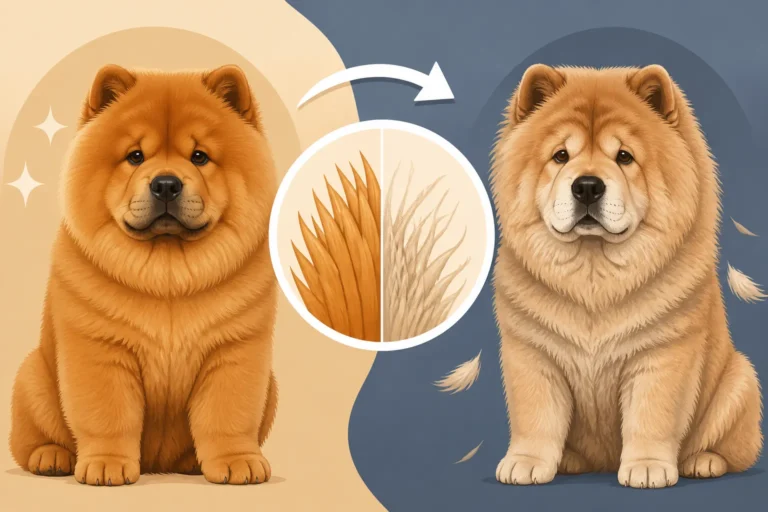
The Chow Chow boasts a magnificent double coat, comprising a harsh, dense outer coat and a soft, woolly undercoat. This dual-layer system is not just for looks; it served a vital protective function in the breed's ancestral environment, guarding against harsh weather. In the show ring, the integrity of this double coat is closely evaluated. Judges assess the coat's texture, density, and overall health. A coat that is properly maintained will stand off the body, giving the Chow Chow its characteristic "puffy" or "bear-like" silhouette, especially noticeable in the rough-coated variety.
Any interference with this natural structure, such as shaving or excessive trimming, can damage the coat's ability to grow back correctly, leading to a "coat funk" where the outer guard hairs might not return, leaving a soft, dull, or patchy texture. This not only detracts from the dog's appearance but also compromises its natural insulation and protection. A healthy, natural double coat is a testament to good genetics and diligent husbandry, both of which are highly valued in the competitive world of dog shows.
Penalties for Excessive Trimming
Show judges are trained to identify coats that have been significantly altered. While slight tidying is usually permissible (which we'll cover in the next section), obvious trimming or sculpting that changes the Chow Chow's natural silhouette or texture is a serious fault. Imagine a judge running their hands through a beautifully presented coat, only to find uneven patches where scissors have been used to create an artificial line, or discovering that the magnificent ruff has been chopped short to make the neck appear more refined. These actions directly contradict the breed standard's emphasis on a natural appearance.
Such alterations can lead to a judge lowering the dog's placement, or in extreme cases, even excusing the dog from the ring if the trimming is deemed to be a deliberate attempt to misrepresent the dog's natural conformation. The philosophy is that a Chow Chow should be judged on its inherent qualities, not on how expertly a groomer can reshape its coat. This rule helps maintain the breed's distinctive look and ensures that breeders are focused on producing dogs with naturally correct coats rather than relying on grooming tricks.
Permitted Grooming for a Show Chow Chow
While the guiding principle for a show Chow Chow is to present a natural, untrimmed coat, there are indeed subtle grooming techniques that are not only permitted but expected to ensure a tidy and well-presented dog in the ring. These aren't about changing the dog's shape but rather about neatness, hygiene, and highlighting the inherent quality of the coat. It's a fine line, but one that experienced show handlers and groomers understand implicitly. Think of it as polishing a gem rather than cutting it into a different shape.
Minimal Tidying for Presentation
For a show Chow Chow, "trimming" generally refers to very minor tidying, primarily around the feet, hocks (the joint just above the paw on the rear leg), and sometimes the ears. The goal here is neatness, not reshaping. For instance, stray hairs that extend too far beyond the natural outline of the paw might be carefully scissored to create a clean, compact "cat foot" appearance, which is part of the breed standard. Similarly, the hair around the hocks might be gently tidied to prevent a shaggy, unkempt look that could obscure the dog's angulation.
The hair on the ears can also sometimes be very lightly tidied, particularly on the edges, to ensure they appear small, rounded, and set correctly, without excessive feathering distracting from their shape. This is done with extreme caution and a light hand, often just snipping a few wisps rather than cutting any significant length. The key takeaway is that these are minor adjustments to enhance the dog's natural features and prevent a messy appearance, not to create new lines or angles where none exist naturally.
The Art of Hand Stripping vs. Scissoring
When we talk about "trimming" in other breeds, we often think of hand stripping (removing dead outer coat hairs by hand or with a stripping knife) or extensive scissoring to shape the body. For a Chow Chow, neither of these is typically performed in the same way. The permissible "tidying" is almost exclusively done with straight or thinning shears, focusing on those small areas mentioned: feet, hocks, and possibly ears. It’s about careful, selective removal of stray hairs, not about stripping entire sections of the coat or scissoring the body to create a silhouette.
A groomer for a show Chow Chow must possess an expert eye and a very light touch. The objective is to make the coat look impeccably natural, as if it grew perfectly without any human intervention. Any evidence of heavy-handed scissoring or an unnatural, cut line would be a fault. This approach reflects the breed's rustic heritage; the Chow Chow was never meant to be a meticulously sculpted poodle but rather a magnificent, natural bear-like dog. You can learn more about general grooming routines for a Chow Chow in Bathing and Drying a Chow Chow's Dense Coat.
Maintaining Hygiene and Health for the Ring
Beyond the minimal tidying, the true art of preparing a show Chow Chow lies in impeccable hygiene and coat health. A Chow Chow destined for the ring must be meticulously brushed, bathed, and dried. This involves a multi-step process:
- Thorough Brushing: Before bathing, the coat must be completely free of mats and tangles. Brushing a Chow Chow's Mane Down to the Skin explains how to line brush properly to reach all layers of the dense coat. Ignoring this step can lead to painfully tight mats that pull on the skin and are difficult to remove without cutting.
- Bathing: The Chow Chow's dense coat requires a significant amount of shampoo and water to penetrate all layers. It then needs thorough rinsing to ensure no residue is left behind, which can irritate the skin or dull the coat.
- Drying: This is perhaps the most crucial and time-consuming step. A high-velocity dryer is essential to ensure the undercoat is dried completely down to the skin. Any dampness left deep within the coat can lead to skin infections or hot spots, especially with such a dense double layer. You can find excellent high-velocity dryers on Amazon or Chewy to make this process more efficient at home.
These steps are critical not just for aesthetics but for the dog's comfort and skin health. A well-groomed, healthy coat stands off the body beautifully, showcasing the breed's distinct appearance and a diligent owner's care, which is exactly what judges want to see.
The Impact of Trimming on the Chow Chow Coat
Understanding why show Chow Chows are rarely trimmed requires a deeper dive into how improper trimming can profoundly affect their unique double coat, both aesthetically and functionally. It's not just about what looks good; it's about respecting the biological purpose and structure of their fur. This is a vital lesson for any Chow Chow owner, whether they plan to show or simply want to keep their pet healthy and comfortable.
Why Shaving is Detrimental
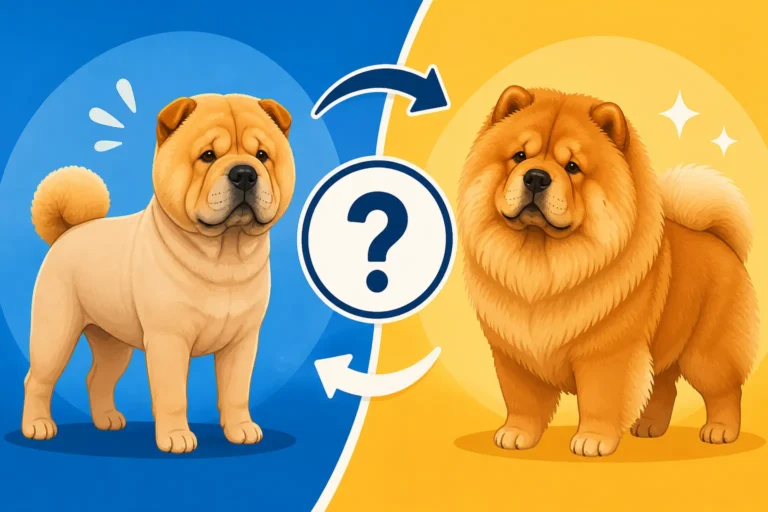
One of the most common mistakes owners make, often with good intentions, is shaving a Chow Chow, especially in warmer climates. While it might seem counterintuitive, shaving a double-coated breed like the Chow Chow is almost universally detrimental and is absolutely forbidden for a show dog. The double coat acts as insulation, keeping them warm in winter and cool in summer by trapping air. When you shave it, you remove this natural protection.
The outer guard hairs, which are coarser and provide protection, grow at a different rate and sometimes even stop growing correctly after being shaved. This can lead to "post-clipping alopecia" or "coat funk," where the coat grows back patchy, soft, uneven, or not at all in some areas. The dog is then left with an impaired ability to regulate its body temperature, making it more susceptible to sunburn, insect bites, and overheating. Furthermore, the aesthetic damage is often permanent, meaning a shaved Chow Chow may never regain its original majestic coat, making it impossible to present in a show ring. Why a Chow Chow Must Never Be Shaved provides a more in-depth explanation of this phenomenon.
Altering the Breed's Silhouette
The Chow Chow's silhouette is a hallmark of the breed, defined by its dense, voluminous coat that stands off the body. The proud ruff, the ample britches, and the full tail carried over the back all contribute to its distinctive, powerful appearance. Any significant trimming or sculpting immediately alters this natural outline, transforming the dog from a majestic lion-like creature into something entirely different.
For instance, trimming the ruff to make the neck look longer or more refined goes against the breed's standard, which calls for an abundant mane. Similarly, scissoring the body coat to create an artificial taper or streamline the dog's shape is a departure from the desired "square" or "bear-like" build. Judges are looking for an untouched, natural presentation that honors the breed's unique proportions and coat quality. Altering the silhouette not only disqualifies a show dog from presenting its true type but also diminishes the very characteristics that make a Chow Chow, a Chow Chow.
Health Implications of Improper Trimming
Beyond the aesthetic and show ring implications, improper trimming or shaving can have significant health consequences for a Chow Chow. As mentioned, the double coat provides essential protection. Removing it leaves the skin vulnerable to:
- Sunburn: Especially for Chows with lighter coat colors or pinker skin, direct exposure to the sun can lead to painful sunburn, increasing the risk of skin cancer.
- Insect Bites: The dense coat acts as a physical barrier against mosquitoes, fleas, and other biting insects. Without it, the dog is more exposed and prone to bites and potential allergic reactions.
- Skin Infections: Shaving can sometimes trigger or worsen skin issues, particularly if the coat doesn't grow back evenly, leading to areas where moisture can be trapped or follicles become irritated. Hot spots, already a concern for Chows with their dense coats, can become more frequent. How Often a Chow Chow Gets Hot Spots delves into this common problem.
- Poor Temperature Regulation: The loss of the insulating double coat can make it harder for the Chow Chow to stay cool in summer and warm in winter. Owners might think shaving helps with heat, but it actually hinders the coat's natural ability to circulate air and protect from direct sunlight. This makes them more susceptible to overheating, not less.
Therefore, the practice of largely untrimmed coats for show Chows is not merely tradition; it's deeply rooted in understanding the health and functional requirements of this unique breed.
Grooming for the Everyday Chow Chow vs. the Show Dog
It's clear that show Chow Chows adhere to very strict grooming standards centered on maintaining a natural, untrimmed coat. But what about the Chow Chow that is a beloved family pet, not a competitor in the ring? Does the same rigid adherence to "no trimming" apply, or is there more flexibility? The answer, as with many things canine, lies in a balance of practicality, health, and owner preference, while still respecting the breed's unique coat needs.
Practical Grooming for Pet Chows
For the average pet Chow Chow, the grooming rules can be a bit more relaxed than for their show counterparts, but this doesn't mean a free-for-all with the clippers. The core principles of maintaining a healthy double coat still apply. Many pet owners find themselves battling mats, especially in the "britches" (the long fur on the back of the thighs) or behind the ears, and might consider a sanitary trim or very light tidy up for comfort and cleanliness.
While shaving is still strongly discouraged for the health reasons discussed earlier, some owners of non-show Chows might opt for a very light "teddy bear clip" or trim certain areas for hygiene or comfort, particularly if their dog is prone to matting or lives in a very warm climate. However, this decision should always be made in consultation with a groomer experienced in double-coated breeds. A professional can advise on what level of trimming might be acceptable without causing damage to the coat or skin, focusing on practicality without sacrificing the dog's well-being. Regular, thorough brushing at home, often using tools found on Amazon or Chewy, is still the most crucial aspect of pet Chow grooming, minimizing the need for extensive trimming. How Long Brushing a Rough Chow Chow Takes outlines the commitment involved.
The Breeder's Responsibility and Ethos
Responsible Chow Chow breeders operate with a profound understanding of the breed standard, which extends directly to coat quality and grooming. Their goal is to produce Chows with naturally correct coats – dense, well-textured, and standing off the body – that require minimal intervention to be show-ring ready. For these breeders, the idea of heavily trimming a Chow Chow is anathema, as it goes against the very essence of breed type and health.
Breeders educate their puppy buyers on proper coat care, emphasizing regular brushing, thorough drying, and the dangers of shaving. They understand that a beautiful, healthy coat is a genetic trait, not a product of extensive grooming artistry. Therefore, if you acquire a Chow Chow from a reputable breeder, expect them to discourage any trimming beyond very light tidying. Their ethos is that the dog should look its best in its natural state, reflecting good breeding and diligent daily care.
Finding a Groomer Who Understands the Chow Chow
Whether you have a show Chow or a cherished pet, finding the right groomer is absolutely critical. Many groomers, particularly those accustomed to breeds that are regularly clipped and sculpted, might not understand the nuances of a double-coated breed like the Chow Chow. It's not uncommon to hear stories of Chows being shaved down at regular salons, often with disastrous results for their coats.
When seeking a groomer, ask specific questions about their experience with double-coated breeds and Chow Chows in particular. Inquire about their drying methods (they should use high-velocity dryers, not cage dryers alone) and their philosophy on trimming. A good groomer for a Chow Chow will prioritize preserving the natural coat, focusing on de-shedding, bathing, and thorough drying, with only minimal, careful tidying in specific areas if requested for a pet. They will understand Why a Chow Chow Must Never Be Shaved and will communicate openly about what's best for your dog's coat health. You might even want to look into groomers who are "Fear Free" certified, as Chows can be sensitive to handling.
Here’s a quick comparison of show grooming versus pet grooming for a Chow Chow:
| Feature | Show Chow Chow Grooming | Pet Chow Chow Grooming |
|---|---|---|
| Primary Goal | Adherence to breed standard, natural appearance | Hygiene, comfort, manageability, coat health |
| Trimming | Minimal tidying (feet, hocks, ears only); never shaping | Minimal tidying, sanitary clips; occasional light body trim (owner choice, but not ideal for coat health) |
| Shaving | Absolutely forbidden | Strongly discouraged due to coat damage and health risks |
| Bathing | Frequent, thorough, high-quality products | Regular, thorough, good quality products |
| Drying | High-velocity dryer to skin, 100% dry | High-velocity dryer recommended, thorough drying |
| Brushing | Daily or every other day, line brushing | Several times a week, thorough line brushing |
| Mats | Zero tolerance, prevented through diligent brushing | Prevented, but may require careful dematting or spot shaving if severe |
| Products | Conditioners to maintain coat health, anti-shedding treatments | Conditioners, de-shedding tools (e.g., from Chewy or Amazon) |
| Groomer Skill | Highly specialized in breed standard, light hand | Experienced with double coats, health-focused |
The essence of Chow Chow grooming, whether for the show ring or the family couch, revolves around respecting and maintaining their incredible double coat. It's a testament to the breed's ancient origins and a crucial part of its charm and functionality.
Disclaimer
This article is for general informational purposes only and does not constitute professional advice. Laws, prices and regulations vary by location and change over time. Consult a qualified professional for guidance on your specific situation.