Whether a Chow Chow Needs Conditioner
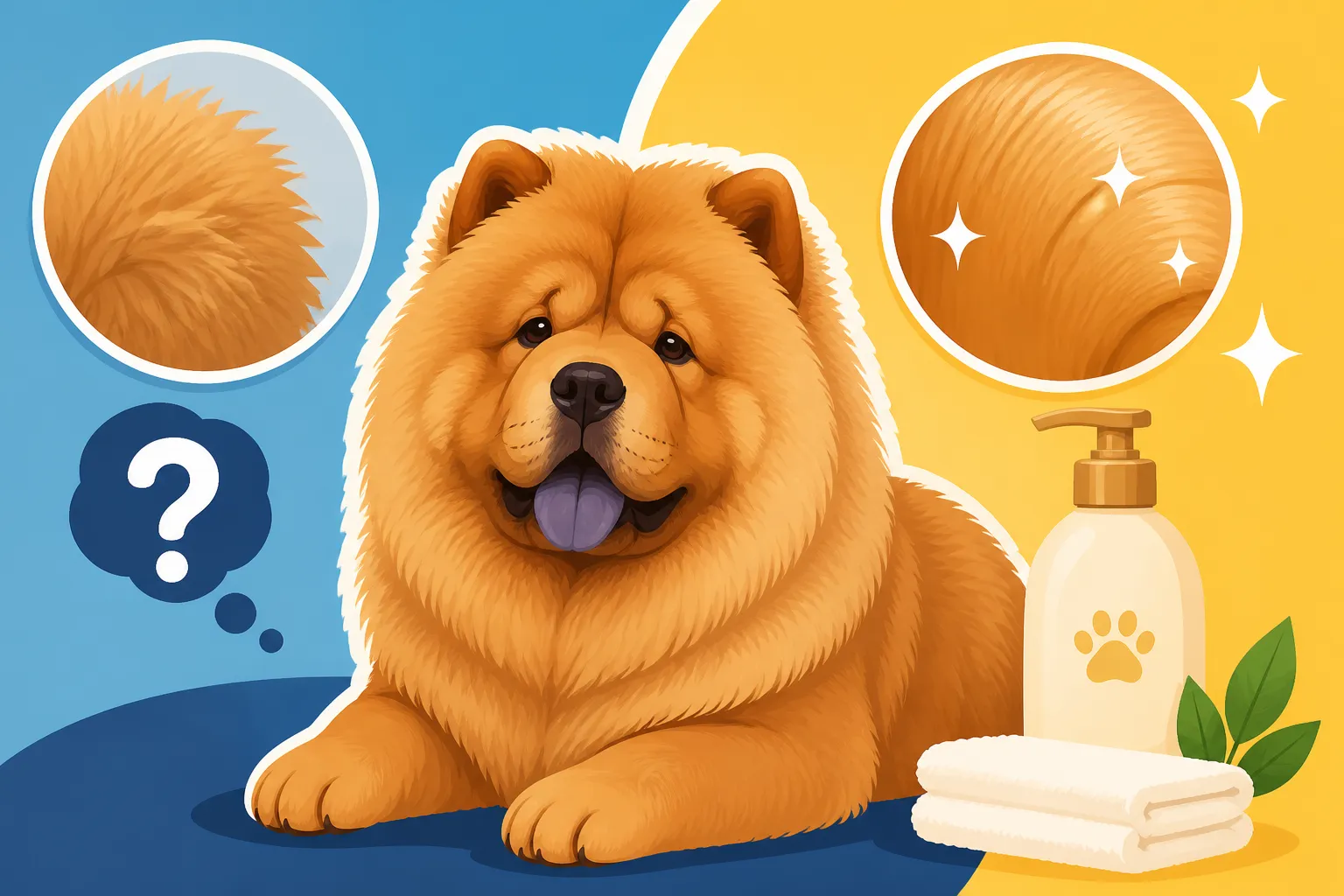
It’s a question that puzzles many a Chow Chow owner staring at the overwhelming array of dog grooming products: does my majestic, fluff-ball Chow Chow actually need conditioner? With their incredibly dense double coat, you might feel like you’re doing them a disservice by skipping it, or perhaps you worry you'll never rinse it all out. This guide is here to unravel that mystery, helping you understand your Chow Chow's unique coat and whether a conditioner should be part of their regular grooming routine.
Understanding the Chow Chow's Unique Coat
Before we even dive into conditioner, let's talk about what makes a Chow Chow's coat so distinctive. It’s not just fur; it’s a meticulously designed natural insulation system, and understanding it is key to proper care.
The Double-Layered Marvel
Your Chow Chow’s coat isn't just one type of hair; it's a magnificent two-part system. First, there's the outer layer – the guard hairs. These are coarser, longer, and give your Chow Chow that iconic lion-like mane and overall shape. Their job is to protect against the elements, shedding water and dirt, and offering a robust barrier. Then, underneath it all, lies the incredibly dense, soft, and woolly undercoat. This layer is primarily for insulation, keeping them warm in winter and, surprisingly, helping to keep them cool by trapping air in summer, provided it's clean and free of mats. Imagine wearing a heavy down jacket – that’s kind of what their undercoat feels like!
Why Their Coat is Different
The Chow Chow's coat, whether rough or smooth, is designed for self-maintenance to a degree. It's naturally somewhat coarse and meant to be somewhat stiff, allowing it to stand off the body, which aids in air circulation. This natural texture and the oils produced by their skin work together to protect them. Unlike many breeds with softer, silkier coats, a Chow Chow’s fur isn't meant to be super soft or flowy in the same way. It's a hardy, protective covering. This natural resilience is why the question of conditioner isn’t as straightforward as it might be for a Shih Tzu or a Maltese.
The Role of Conditioner in Dog Grooming
So, what exactly does conditioner do, anyway? For humans, it’s a pretty standard part of hair care, but dogs are a bit different.
What Conditioner Does for Hair
At its core, conditioner is designed to improve the texture and manageability of hair. It typically works by smoothing down the hair's cuticle – the outermost layer of each strand, which can become rough or lifted after shampooing. By smoothing these cuticles, conditioner helps hair feel softer, look shinier, and become less prone to tangling. It often contains moisturizing agents that hydrate the hair shaft, reducing dryness and frizz. Think of it as putting a protective, smoothing balm on each strand.
General Benefits for Dogs
For many dogs, particularly those with longer, finer, or single coats, conditioner can be a real game-changer. It can help prevent static electricity, which can be a nightmare to brush through. It can also make brushing much easier by detangling knots, especially after a bath. For dogs prone to dry or flaky skin, a good conditioner can add much-needed moisture back into their skin and coat, soothing irritation. Some conditioners are even formulated to help release loose hair during shedding, making the "coat blow" season a little less intense. It's about enhancing the natural qualities of their fur and keeping their skin healthy.
When a Chow Chow Might Benefit from Conditioner
While not an absolute necessity for every bath, there are definitely specific situations where a conditioner can be a fantastic tool for your Chow Chow.
Tackling Mats and Tangles
This is perhaps the most common and compelling reason to use conditioner on a Chow Chow. Their dense undercoat, especially during seasonal sheds, is highly prone to matting. If you've ever dealt with a stubborn mat behind the ears, under the legs, or in the "britches" area, you know the struggle is real. Where a Chow Chow Mats First is often in these high-friction areas. A good conditioner, particularly a detangling or moisturizing one, can help lubricate the hair strands, making it easier to work out tangles and mats after shampooing, when the hair is wet and slippery. It doesn't magically remove them, but it can significantly reduce the tugging and pulling that makes grooming unpleasant for both of you. Applying conditioner directly to a mat, letting it sit, and then gently working it out with your fingers or a comb can save a lot of pain and potentially prevent shaving.
Managing Dry, Itchy Skin
Chow Chows can, like any breed, suffer from dry, flaky, or itchy skin. This might be due to environmental factors, allergies, or simply a reaction to a harsh shampoo. In these cases, a hypoallergenic, moisturizing conditioner can provide relief by replenishing essential oils and hydration to the skin. If your Chow Chow frequently scratches or you notice dandruff-like flakes when you brush, a conditioner specifically designed for sensitive or dry skin could be beneficial. It can help soothe irritation and support a healthier skin barrier. Of course, persistent skin issues warrant a vet visit to rule out underlying conditions like Whether a Chow Chow Gets Skin Allergies or other dermatological problems.
During a Coat Blow
Twice a year, your Chow Chow will undergo a dramatic "coat blow," shedding massive amounts of undercoat. This can be a chaotic time, with tumbleweeds of fur floating through your home. During this period, a conditioner designed to aid deshedding can be surprisingly helpful. While regular brushing is your primary weapon, some conditioners can help loosen the dead undercoat, making it easier to remove during the bath and subsequent drying. When you’re trying to get a handle on the sheer volume of fur, anything that helps expedite the process and reduces the amount left to shed on your furniture is a welcome addition. It’s all about working smarter, not harder, to get How to Get a Chow Chow Through a Coat Blow Faster.
After Stripping or Intense Grooming
Occasionally, due to severe matting or a specific grooming need, a professional groomer might have to "strip" or heavily demat a Chow Chow's coat. This process, while sometimes necessary, can be tough on the remaining hair and skin. In such instances, a rich, reparative conditioner can help restore moisture, elasticity, and overall health to the coat as it begins to grow back. It's like giving their coat a deep conditioning treatment to help it recover from a rigorous session. Similarly, if you’ve used a particularly strong clarifying shampoo, a conditioner will help balance things out.
Why Regular Conditioner Isn't Always Necessary for a Chow Chow
Despite the potential benefits, it's also important to understand why conditioner isn't always an everyday or even every-bath essential for your Chow Chow. There are reasons why their natural coat often does just fine without it.
Natural Coat Health and Oils
As we discussed, the Chow Chow's coat is naturally coarse and designed for protection. It produces its own natural oils that keep the skin and hair healthy, repel dirt, and provide insulation. Over-conditioning, or using heavy conditioners too frequently, can actually disrupt this natural balance. If you constantly strip these oils with harsh shampoos and then try to overcompensate with heavy conditioners, you might be creating a cycle of dependency. A healthy Chow Chow with a well-maintained coat (through regular brushing, primarily) often doesn't need external conditioners to keep their fur in good shape. Their coat is meant to be somewhat robust, not silky smooth like a show poodle's.
Potential Downsides: Weight and Residue
The biggest practical issue with using conditioner on a Chow Chow is their incredibly dense undercoat. Heavy, rich conditioners can weigh down the fur, making it look limp and clumpy rather than standing off the body as it should. Even more critically, if the conditioner isn't thoroughly rinsed out – which is a monumental task with a Chow Chow's coat – it can leave behind residue. This residue acts like a magnet for dirt and debris, making the coat get dirty faster. It can also trap moisture against the skin, creating a warm, damp environment that is a breeding ground for bacteria and yeast, leading to skin irritations, hot spots, and even infections. This is a very real concern, as Why a Damp Chow Chow Gets Skin Trouble is often related to improper drying or product residue.
Difficulty Rinsing Thoroughly
Let's be realistic: washing a Chow Chow is an undertaking. Rinsing a Chow Chow is an even bigger undertaking. Their double coat is so incredibly dense that getting water, let alone shampoo or conditioner, all the way down to the skin is a challenge. And once it's in, getting it all out is a feat of endurance and patience. If you're going to use conditioner, you must commit to a thorough rinse, which can easily double your bathing time. Many owners find it simply too difficult to rinse completely, leading to the residue problems mentioned above. It's often easier and safer for the coat's long-term health to skip the conditioner rather than risk leaving product behind.
Types of Conditioners and Application Tips
If you do decide a conditioner is right for your Chow Chow in certain situations, knowing your options and how to apply them correctly is crucial.
Rinse-Out vs. Leave-In vs. Sprays
There are a few main types of conditioners you might encounter:
- Rinse-Out Conditioners: These are the most common. You apply them after shampooing, let them sit for a few minutes, and then rinse thoroughly. They offer deep conditioning and are great for detangling. For a Chow Chow, you'll want to focus on areas prone to matting or dry skin and ensure you have ample time to rinse.
- Leave-In Conditioners: These are not rinsed out. They are typically lighter formulas applied to a damp or dry coat to provide continuous moisture and protection. For a Chow Chow, you need to be very careful with these. A heavy leave-in could quickly lead to residue buildup and skin issues. If used, opt for a very light, non-greasy formula and apply sparingly to specific problem areas, avoiding the root of the hair.
- Conditioning Sprays/Detangling Sprays: These are typically lighter, water-based solutions applied directly to the coat (wet or dry) to aid in brushing, reduce static, and provide light conditioning. These can be very useful for a Chow Chow, especially when tackling minor tangles during daily or weekly brushing sessions, independent of bath time. They offer targeted relief without the full bath commitment. You can often find great options on platforms like Chewy or Amazon.
Choosing the Right Product
When selecting a conditioner for your Chow Chow, prioritize products designed for dogs with dense coats or sensitive skin. Look for:
- Natural, Hypoallergenic Ingredients: Avoid harsh chemicals, artificial dyes, and strong fragrances that could irritate their skin or cause allergic reactions. Brands like Earthbath or Burt's Bees often offer gentle, natural options.
- Detangling Formulas: If your primary concern is mats, look for conditioners specifically marketed for detangling. These often contain ingredients that help smooth the hair cuticle more effectively.
- Moisturizing Properties: For dry skin, seek out conditioners with ingredients like oatmeal, aloe vera, or natural oils (like coconut or argan oil) that provide hydration.
- Easy to Rinse: While all conditioners need thorough rinsing, some formulas are inherently lighter and less prone to leaving heavy residue. Read reviews and consider thinner consistency products.
You can explore a wide range of options from pet supply retailers. For instance, brands often available through Chewy or even direct-to-consumer like Ollie for dog food sometimes have grooming lines too.
The Art of Application and Rinsing
If you decide to use a rinse-out conditioner on your Chow Chow, follow these steps for the best results:
- Shampoo Thoroughly: Ensure your Chow Chow is absolutely clean first. Any conditioner applied to dirty fur will be less effective and more likely to leave residue.
- Dilute (Optional but Recommended): For dense coats, diluting the conditioner with water (e.g., 1 part conditioner to 4-5 parts water) can help it spread more evenly and make rinsing easier.
- Apply Strategically: You don't need to slather it everywhere. Focus on areas prone to matting (behind ears, armpits, britches, tail) and any dry patches of skin. Use a generous amount on these spots, but apply more sparingly to the rest of the coat.
- Work it In: Gently massage the conditioner deep into the coat, ensuring it reaches the undercoat and skin in the target areas. Use your fingers to work through any minor tangles.
- Let It Sit: Follow the product instructions for "sit time" – usually 3-5 minutes. This allows the conditioner to penetrate the hair shaft and work its magic.
- RINSE, RINSE, RINSE! This is the most critical step. Use lukewarm water and rinse meticulously. You'll need to work the water through the dense undercoat, perhaps using a high-pressure spray nozzle if you have one. Feel the coat with your hands; it should feel clean, not slippery or slimy. Keep rinsing far longer than you think you need to. I cannot stress this enough – it needs to be completely rinsed out to avoid skin issues. Achieving this can feel like an endless task, akin to trying to get How to Get Water Through a Chow Chow's Undercoat.
- Dry Thoroughly: After rinsing, towel dry as much as possible, then use a high-velocity dryer (like those found on Amazon) to ensure the coat is dry all the way to the skin. This prevents moisture from being trapped and causing problems.
Best Practices for Chow Chow Coat Care (Conditioner or Not)
Ultimately, whether you use conditioner or not, a Chow Chow’s coat needs consistent attention. Here’s what truly matters for keeping them looking their best and feeling comfortable.
The Power of Brushing
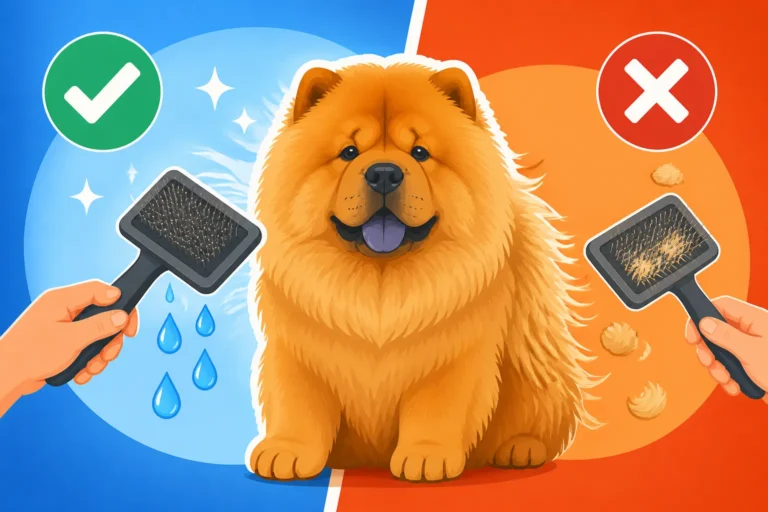
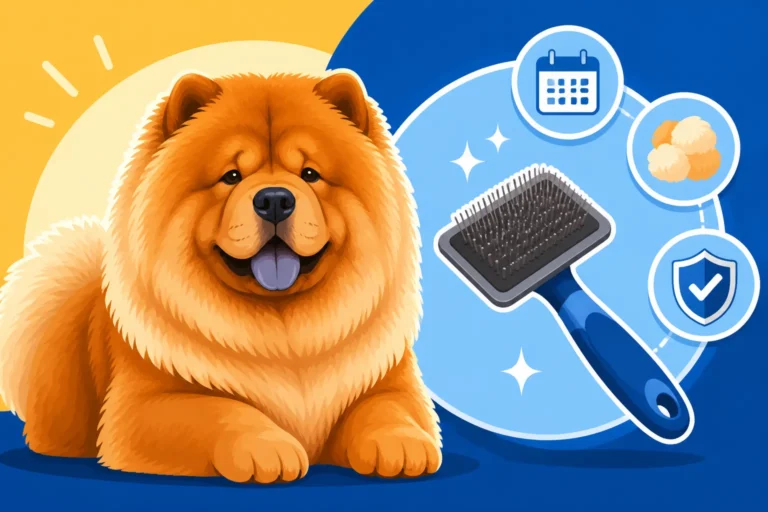
Hands down, regular, thorough brushing is the single most important aspect of Chow Chow coat care. This isn't just a quick surface brush; it's a deep dive to the skin with the right tools. You need to "line brush," systematically parting the coat and brushing in sections to ensure you reach the undercoat and remove all loose hair and debris. This prevents mats from forming in the first place, distributes natural oils, and allows for proper air circulation. A good sturdy slicker brush and a long-toothed metal comb are indispensable. Without consistent brushing, even the best conditioner in the world won't prevent matting and discomfort. Consistent brushing also alerts you to any skin issues or changes in their coat early on. It's a fundamental commitment to a healthy Chow Chow, as described in How to Line Brush a Chow Chow.
Proper Bathing Techniques
When you do bathe your Chow Chow – which might be every few weeks to every few months, depending on their lifestyle – use a high-quality shampoo formulated for dogs. Dilute the shampoo to help it penetrate the dense coat, and then work it in thoroughly. Again, rinsing is paramount. Spend extra time rinsing to ensure all shampoo is removed, just as you would with conditioner. After the bath, drying completely and quickly is crucial. A high-velocity dryer is practically a necessity for a Chow Chow to get them dry all the way down to the skin and prevent "hot spots" or other skin problems that can arise from trapped moisture. Understanding the comprehensive process of Bathing and Drying a Chow Chow's Dense Coat is vital for their health.
Addressing Specific Problems
If your Chow Chow is experiencing persistent skin irritation, excessive dryness, unusual shedding, or matting that you simply cannot manage, it’s time to consult the experts. Your veterinarian can rule out underlying health issues, allergies, or infections that might be contributing to coat problems. They can also recommend medicated shampoos or specific dietary supplements that might help. A professional groomer who is experienced with Chow Chows can also offer invaluable advice and hands-on help. They have the right tools, products, and expertise to tackle tough coats and can guide you on the best at-home maintenance routine, including whether or not to incorporate a conditioner regularly. Sometimes, getting an expert opinion makes all the difference in keeping your Chow Chow happy and healthy.
Conditioner Types for Chow Chows
| Conditioner Type | Best Use for Chow Chow | Pros | Cons |
|---|---|---|---|
| Rinse-Out Conditioner | Detangling mats, moisturizing dry skin, during coat blow | Deep conditioning, aids in detangling, rehydrates coat and skin | Very difficult to rinse thoroughly, can weigh down coat, residue risk |
| Leave-In Conditioner | Targeted dry spots, very light static control | Continuous moisture, easy spot application, no rinse required | High risk of residue buildup, can make coat greasy, hard to find light enough formula |
| Conditioning Spray | Daily brushing aid, light detangling, static reduction | Easy to apply, convenient for between-bath grooming, quick results | Lighter conditioning, may not tackle severe dryness/mats |
Disclaimer
This article is for general informational purposes only and does not constitute professional advice. Laws, prices and regulations vary by location and change over time. Consult a qualified professional for guidance on your specific situation.