Why a Chow Chow’s Eyelid Rolls Inward
It's truly heartbreaking to see your beloved Chow Chow constantly squinting, tearing up, or pawing at their eyes. This common frustration for many Chow Chow owners stems from a unique anatomical quirk: their eyelids rolling inward, a condition medically known as entropion. This comprehensive guide will delve deep into why this happens, the real impact it has on their comfort and vision, and the crucial steps you can take to manage and treat it, ensuring your furry companion lives a life free from unnecessary pain.
The Unique Anatomy That Causes Chow Chow Entropion
The majestic, lion-like appearance of the Chow Chow is undeniably striking, but it's also the root cause of one of their most prevalent health issues: entropion. This isn't just a random occurrence; it's a direct consequence of specific breed characteristics that, while contributing to their distinctive look, can unfortunately lead to significant discomfort and potential eye damage. Understanding these anatomical predispositions is the first step in recognizing and addressing the problem.
The Deep-Set Eyes and Prominent Facial Folds
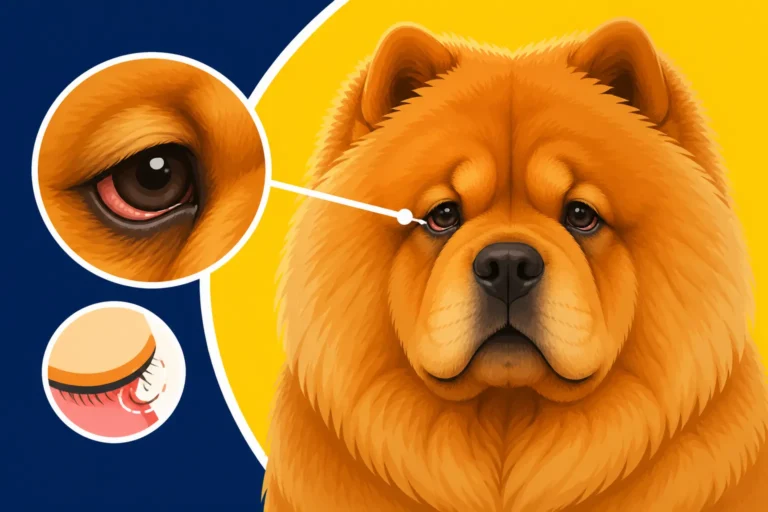
One of the most defining features of a Chow Chow is their profound, almost hidden, eyes. They are typically deep-set within their skull, often partially obscured by substantial facial folds and a thick, dense coat. This unique structure, while giving them that characteristic scowl or "frowning" expression, creates a mechanical environment ripe for entropion. Imagine trying to see the world from within a cozy, fur-lined cave; that's somewhat akin to the situation for a Chow Chow's eyes. The sheer volume of skin and fur around the eye socket means there's a higher chance for the eyelid margin, particularly the lower lid, to be pushed or turned inward against the eyeball itself. This constant pressure and inward curl mean that the delicate surface of the eye is continuously abraded.
The skin folds aren't just a cosmetic feature; they play a significant role. The lower eyelid, especially, can be "swallowed" by the surrounding skin and hair, causing it to roll under. When the muscles around the eye contract – say, when the dog blinks, squints, or even just moves its head – these folds can exacerbate the inward roll. This isn't a problem that typically resolves on its own because it's built into their very physical architecture. It's a structural issue where the eyelids simply aren't positioned correctly to protect the eye effectively. Many new owners are completely unprepared for this reality, only discovering the extent of the issue when their puppy starts showing clear signs of discomfort. To really grasp the anatomical challenge, consider delving into Why a Chow Chow's Deep Set Eye Causes Trouble.
Genetic Predisposition and Breed History
Entropion in Chow Chows is, regrettably, largely a hereditary condition. This means it's passed down through generations, indicating a genetic component tied to the breed's development and desired physical traits. It's not just a random defect; it's a recognized genetic predisposition within the breed standard. Reputable breeders are keenly aware of this and strive to select breeding stock that does not exhibit entropion, or at least has a minimal history of it in their lines. However, completely eradicating a trait so intertwined with the breed's defining appearance is a monumental challenge. The very characteristics that make a Chow Chow instantly recognizable – the deep-set eyes, the broad skull, and the abundant coat – are also factors that contribute to this eye condition.
Historically, Chow Chows were bred for various roles, from hunting to guarding, in their native China. Their robust build and dense coat were advantages in harsh climates. As breeds were refined and standardized, certain physical attributes became fixed, sometimes with unintended consequences for health. Entropion is one such consequence, becoming a more prominent issue as specific "looks" were favored. It's crucial for prospective owners to understand this genetic link, as it helps explain why puppies from otherwise healthy parents might still develop the condition. This isn't a fault of the individual dog, but rather a complex interplay of genetics and conformation inherent to the breed. If you're considering purchasing a puppy, understanding What a Chow Chow Breeder Should Have Tested is paramount to ensure you're supporting ethical breeding practices.
Understanding the Impact of an Inward-Rolling Eyelid
When a Chow Chow's eyelid rolls inward, it's not merely a cosmetic concern. The direct contact between the eyelashes and fur with the delicate surface of the eye, the cornea, leads to a cascade of painful and potentially sight-threatening problems. Owners often notice the subtle signs first, like a bit of watery discharge, but these can quickly escalate into more serious conditions if left unaddressed. It's truly difficult to watch your dog suffer from something so fundamental as chronic eye pain.
Constant Irritation and Pain
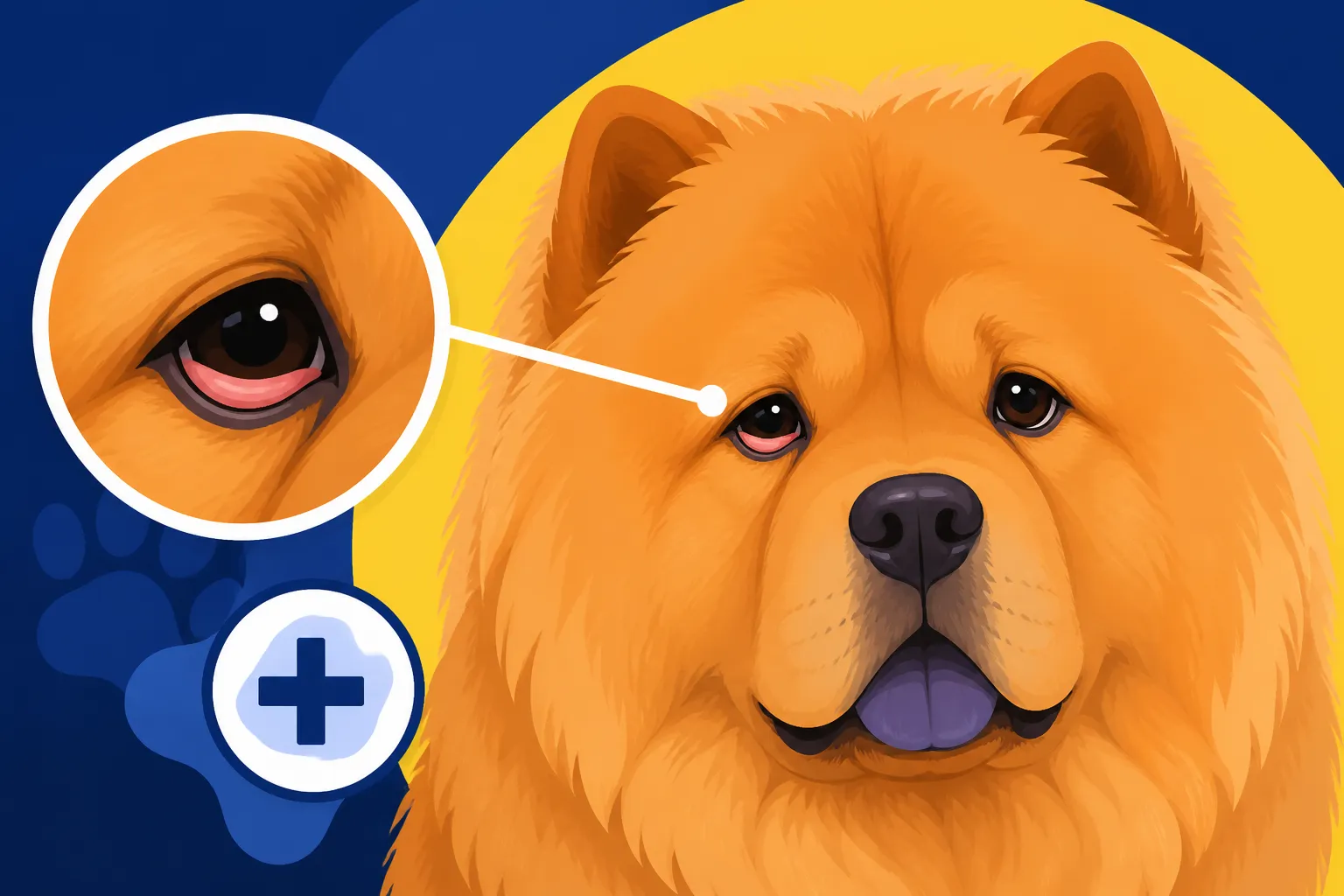
The primary and most immediate consequence of entropion is constant irritation and significant pain. Imagine having an eyelash stuck in your eye, not for a few minutes, but perpetually, with every blink and every movement. That's essentially what your Chow Chow experiences. The stiff hairs along the eyelid margin, along with the softer fur from the facial folds, continuously scrape against the cornea. This friction is incredibly irritating and uncomfortable. You'll often see your Chow Chow squinting their eyes, trying to alleviate the sensation. This isn't a cute "wink"; it's a clear sign of distress. They might also paw at their face frequently, rub their eyes on furniture, or show excessive tearing as their body tries to flush out the irritants. The whites of their eyes might appear persistently red and inflamed.
This chronic irritation isn't just annoying; it causes real pain that can affect a dog's overall demeanor and quality of life. They might become more withdrawn, less playful, or even a little grumpy due to the constant discomfort. It's a sad reality that something so integral to their appearance can cause such profound distress. Recognizing Signs a Chow Chow Has Entropion early can make a huge difference in managing their pain and preventing further damage. Understanding Why a Chow Chow With Entropion Squints helps you interpret their body language accurately.
Risk of Serious Eye Damage
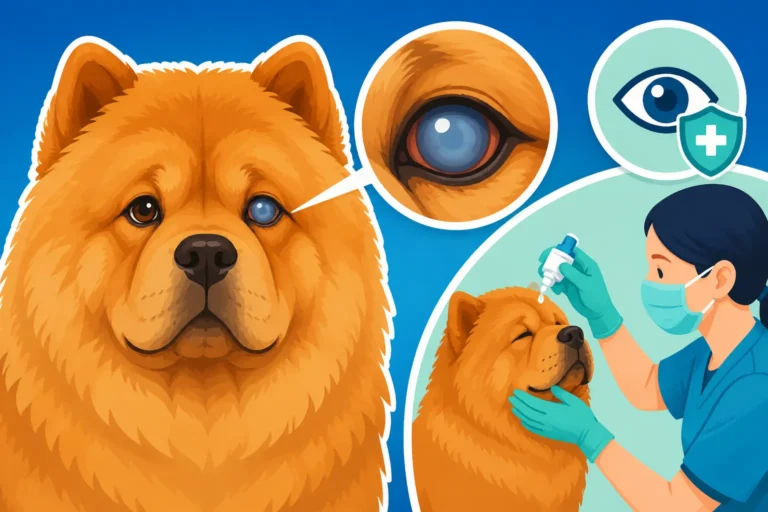
Beyond mere irritation, an inward-rolling eyelid poses a severe risk of significant and irreversible eye damage. The continuous abrasion from hair acts like sandpaper on the cornea, the clear outer layer of the eye. This constant rubbing inevitably leads to abrasions, scratches, and eventually, corneal ulcers. A corneal ulcer is essentially an open sore on the surface of the eye, which is not only excruciatingly painful but also highly susceptible to infection. Bacterial infections can quickly set in, turning a simple ulcer into a serious, rapidly progressing problem. If left untreated, deep corneal ulcers can lead to perforation of the eye, rupture, and even the complete loss of the eye.
The body's natural response to chronic irritation and injury is to try and heal itself, often by laying down scar tissue. In the eye, this means the cornea can become scarred and opaque, leading to permanent vision impairment or even blindness. Blood vessels might also grow into the cornea, a process called neovascularization, further clouding vision and indicating ongoing inflammation. It's a grim truth, but untreated entropion can indeed lead to your dog losing their sight in the affected eye, or even both. This makes timely intervention critical, as the consequences of delay can be catastrophic. For a deeper look at the severity, consider What a Corneal Ulcer Does to a Chow Chow and Whether Entropion Can Blind a Chow Chow.
Diagnosis and Management Options for Entropion
Catching entropion early and consulting with your veterinarian are crucial steps in protecting your Chow Chow's eyes and ensuring their comfort. While the thought of eye surgery can be daunting for any pet owner, understanding the diagnostic process and available treatment options can help you navigate this common breed-specific challenge with confidence. Thankfully, there are effective solutions to relieve your dog's pain and prevent long-term damage.
Early Detection and Veterinary Consultation
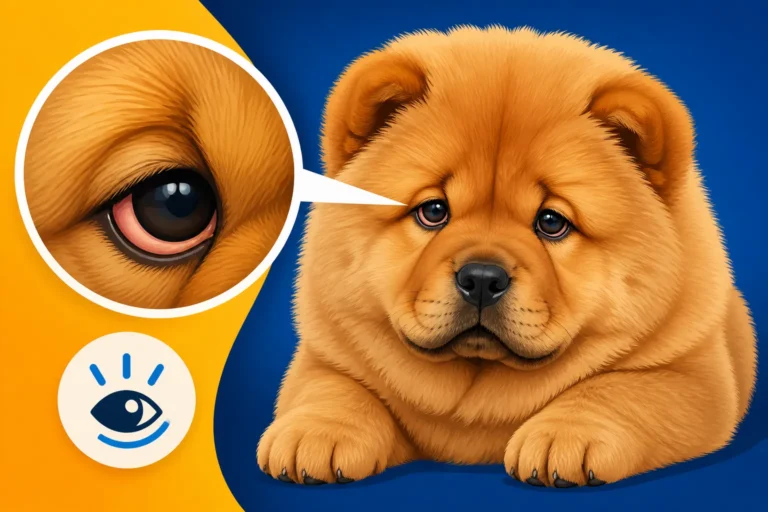
The journey to managing entropion often begins at a very young age. It's vital to keep a close watch on your Chow Chow puppy's eyes from the moment you bring them home. Early signs can be subtle: slight redness, increased tear production, or a puppy rubbing its face more than usual. These are all clues that something might be amiss. Many owners first notice issues when their puppy is between 6 and 12 months old, though some may show signs earlier. Understanding The Age Entropion Shows in a Chow Chow Puppy can help you be prepared. If you observe any of these symptoms, don't wait; schedule an appointment with your veterinarian immediately.
Your vet will perform a thorough eye examination. This often involves a visual inspection, checking the position of the eyelids, and looking for signs of irritation or damage to the cornea. They may use a special fluorescein stain, which is a harmless dye that highlights any abrasions or ulcers on the corneal surface, making them visible under a blue light. This quick and painless test is instrumental in determining the extent of any existing damage. In more complex cases, or if surgery is being considered, your vet might recommend a consultation with a veterinary ophthalmologist, a specialist in eye conditions. Their expertise ensures the most accurate diagnosis and the most appropriate treatment plan. For specific indicators, be aware of Signs a Chow Chow Puppy's Eyes Are Sore.
Temporary and Permanent Solutions
Addressing entropion involves both immediate relief for the dog and a long-term solution. For very young puppies, especially if the entropion is mild or caused by puppy fat that might resolve as they grow, your vet might suggest conservative management. This could include lubricating eye drops or antibiotic ointments to protect the cornea and prevent infection. In some cases, particularly for puppies under six months of age, a procedure called eyelid tacking might be performed. This temporary measure involves placing a few sutures in the eyelid to evert it (turn it outward) and hold it in the correct position. It helps protect the cornea while the puppy grows, and these sutures are typically removed after a few weeks. What Eyelid Tacking Does for a Chow Chow Puppy is that it offers temporary relief and allows for natural growth to potentially correct the issue.
However, for most adult Chow Chows with persistent entropion, surgical correction is the definitive and often permanent solution. This procedure, commonly known as a Hotz-Celsus procedure, involves carefully removing a small, crescent-shaped piece of skin and muscle from just below the eyelid. This tightens the eyelid and pulls it into a more normal, outward position, preventing the hairs from rubbing against the eye. The surgery is typically performed by a general practitioner or a veterinary ophthalmologist, and while it sounds intimidating, it's a common and highly effective procedure. Recovery usually involves a period of wearing an Elizabethan collar to prevent the dog from rubbing its eyes, along with topical medications. Many pet insurance providers, like Healthy Paws, recognize entropion as a common condition in certain breeds and may offer coverage for the diagnostic work-up and surgical correction, which can be a significant financial relief given the costs involved. It's always wise to check your policy details regarding hereditary conditions. For more information on the surgical process, refer to How Entropion Is Repaired in a Chow Chow.
Managing Life with Entropion and Post-Surgery Care
Life with a Chow Chow that has had entropion can be significantly improved after successful surgery. Post-operative care is critical for a smooth recovery and to prevent complications. Your veterinarian will likely prescribe antibiotics to prevent infection and pain medication to keep your dog comfortable during the healing process. An Elizabethan collar (e-collar) will be necessary to prevent your Chow Chow from pawing at the surgical site, which could disrupt sutures or introduce infection. You'll need to administer eye drops or ointments as directed, and attend follow-up appointments to ensure the eyelids are healing correctly and the issue is resolved.
Even after surgery, it's a good idea to continue monitoring your Chow Chow's eyes regularly. While surgical correction is often permanent, in some complex cases or if the initial surgery was conservative, a second procedure might be necessary later on. This is a common concern for owners, and it’s important to know Whether a Chow Chow Needs Entropion Surgery Twice. A very small percentage of dogs might experience a recurrence or need minor adjustments. However, for the vast majority, once entropion is surgically corrected, the constant irritation and pain disappear, dramatically improving their quality of life. They can finally see and experience the world without chronic discomfort. With modern veterinary care and possibly the support of pet insurance like Healthy Paws, your Chow Chow can enjoy clear, pain-free vision for years to come.
Responsible Breeding and Prevention
While surgical intervention is highly effective for individual dogs, the long-term solution to reducing the incidence of entropion in Chow Chows lies in responsible breeding practices. As caring stewards of the breed, breeders play a pivotal role in minimizing the genetic predisposition that contributes to this painful condition.
The Breeder's Role in Reducing Incidence
Ethical and responsible breeders are the frontline defense against inherited health problems like entropion. They meticulously select breeding stock, prioritizing the health and welfare of their dogs above all else. This means ensuring that parent dogs, and ideally their lineage, are free from entropion. A reputable breeder will never knowingly breed a dog that has active entropion or has required surgical correction for it, as this would perpetuate the genetic trait. They understand that while a surgical fix can help an individual dog, breeding that dog continues the cycle of passing on the predisposition.
When you're looking for a Chow Chow puppy, it is absolutely crucial to choose a breeder who is transparent about the health history of their breeding animals. They should be willing to discuss any instances of entropion in their lines and explain the steps they take to avoid it. They should also provide health clearances for other common Chow Chow issues, not just eye problems. Don't be afraid to ask direct questions about the parents' eye health and whether any puppies from previous litters have developed entropion. A good breeder will be open and honest, prioritizing the health of their puppies. It is also important to consider Whether an Entropion Chow Chow Can Be Bred when discussing lineage with a breeder.
Understanding the Genetic Link
The challenge with entropion in Chow Chows is its complex genetic basis, often linked to the very conformation that defines the breed. While DNA tests exist for some genetic conditions, pinpointing the exact genetic markers for a complex polygenic trait like entropion – where multiple genes and environmental factors might be involved – is much more difficult. This means that even with the best intentions, eliminating entropion entirely from a breed can be a slow and arduous process. However, conscientious breeders continue to work towards reducing its prevalence by making informed breeding decisions based on clinical observation and the health history of their lines.
The breed standard itself, which describes the ideal Chow Chow, sometimes inadvertently contributes to health issues when traits like "deep-set eyes" or "heavy wrinkle" are emphasized without equal consideration for their potential health implications. As owners and advocates, supporting breeders who actively work to produce healthy dogs, even if it means a slightly less exaggerated appearance, is vital. Organizations and clubs dedicated to the breed often provide resources and guidelines for responsible breeding to help mitigate such conditions. By focusing on overall health and responsible genetic selection, we can collectively work towards a future where fewer Chow Chows suffer from this painful condition.
Entropion Treatment Comparison
Here's a quick look at the primary ways entropion is typically managed or corrected in Chow Chows:
| Treatment Type | Ideal for | Procedure Description | Duration of Effect | Recovery Time | Cost Implications (General) |
|---|---|---|---|---|---|
| Eyelid Tacking | Young puppies (<6 months), mild cases, temporary relief | Temporary sutures placed to pull lid outward; no tissue removal. | Temporary (weeks to months) | Days | Lower upfront; may need repeat or permanent surgery later |
| Surgical Repair (Hotz-Celsus) | Adult dogs, severe or recurrent entropion, permanent solution | Removal of a small crescent of skin/muscle from eyelid to evert the lid permanently. | Permanent | 1-3 weeks | Higher upfront; often a one-time fix |
| Medication (Drops/Ointments) | Symptomatic relief, prior to surgery, managing minor irritation | Lubricating drops, antibiotics, anti-inflammatories to protect cornea and reduce symptoms. | Temporary (as long as used) | Ongoing | Ongoing expense; does not fix underlying cause |
Disclaimer: As a lifestyle blogger, I aim to provide helpful and well-researched information about Chow Chows. However, this content is not a substitute for professional veterinary advice. Always consult with a qualified veterinarian or veterinary ophthalmologist for any health concerns or before making decisions about your dog's medical care. Individual results and costs may vary.