What Removing a Chow Chow’s Blind Eye Costs
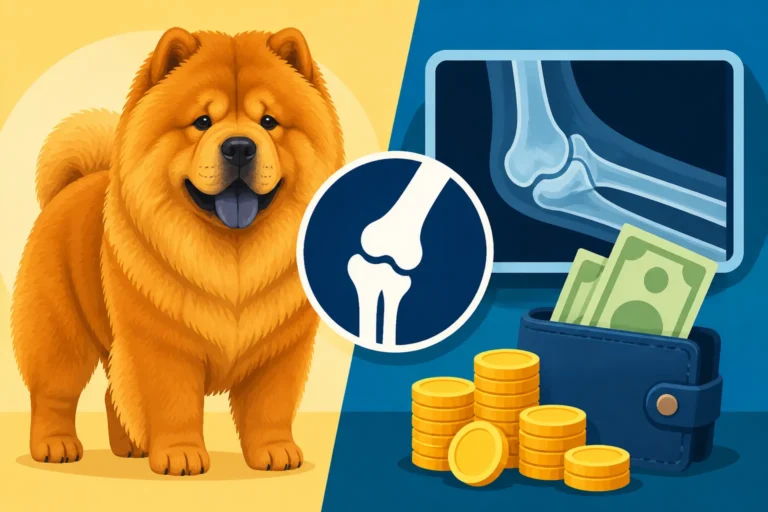
When your beloved Chow Chow faces the devastating news of needing an eye removed, the emotional weight can be crushing. Beyond the heartbreak, a wave of practical concerns often follows, chief among them being the financial burden. This comprehensive guide aims to shed light on the various costs associated with enucleation (surgical eye removal) for a Chow Chow, helping you understand what to expect and how to navigate this challenging time.
The Heartbreaking Reality of Enucleation for Your Chow Chow
It's a moment no pet parent ever wants to face: your furry companion is suffering, and the best course of action for their well-being is a drastic one. For Chow Chows, with their deep-set eyes and predisposition to certain ocular conditions, the possibility of eye removal, or enucleation, can unfortunately become a harsh reality. This isn't a decision made lightly; it's typically the last resort when all other treatments have failed to alleviate pain or save vision, or when the eye poses a serious threat to the dog's overall health.
Why a Chow Chow Might Need an Eye Removed
Several conditions can lead to the necessity of enucleation in a Chow Chow. One of the most common and acutely painful is glaucoma, a condition where pressure builds up inside the eye, leading to irreversible blindness and excruciating discomfort. Glaucoma Can Blind a Chow Chow in Days, and the speed at which it progresses often leaves little time for alternative treatments once the eye is already compromised and painful. A Chow Chow's unique eye structure, particularly its narrow drainage angle, makes it particularly susceptible to this devastating disease. Why a Chow Chow's Deep Set Eye Causes Trouble can contribute to these issues, making them more prone to certain eye conditions.
Beyond glaucoma, severe trauma to the eye – perhaps from an accident or an altercation with another animal – can cause irreparable damage that necessitates removal. Sometimes, an aggressive tumor within the eye might demand enucleation to prevent its spread and ensure the dog's comfort. Chronic, unresolvable infections or severe entropion that has led to profound corneal damage despite previous surgeries could also be culprits. When an eye is irrevocably blind and causing constant, throbbing pain, removing it is often the kindest solution, despite how difficult it is to accept. Your Chow Chow might be hiding a lot of pain, as they are stoic by nature, so signs might be subtle at first. How a Chow Chow Hides Pain is a good read on this.
The Emotional Burden on Owners
Facing the prospect of your Chow Chow losing an eye is an incredibly emotional journey. You might feel guilt, sadness, fear, or even anger. Many owners worry about their dog's quality of life afterward, how they will adapt, and if they will still be "the same dog." It's perfectly normal to grieve the loss of your dog's eye, even if it's for their benefit.
Remember, your Chow Chow relies on you to make the best decisions for their health and comfort. While the sight of a one-eyed dog might take some getting used to for you, dogs are incredibly resilient. They adapt much faster than we humans anticipate, relying more on their other senses like smell and hearing to navigate their world. Focusing on alleviating their pain and providing them with a comfortable, loving environment is paramount. Many dogs even become more affectionate once they are free from chronic pain.
Breaking Down the Costs of Eye Removal Surgery
The cost of removing a Chow Chow's blind eye can vary significantly depending on a multitude of factors, including your geographic location, the veterinary practice you choose (general practitioner vs. specialist), the complexity of the case, and any pre-existing conditions. It’s rarely a single fee but rather a sum of several components.
Initial Consultation and Diagnostics
Before any surgery, your Chow Chow will need a thorough examination. This initial phase is crucial for determining the extent of the problem and ensuring your dog is healthy enough for anesthesia.
- Veterinary Exam: This is the basic check-up. The vet will assess the affected eye, check the other eye, and perform a general physical. For a Chow Chow, which can sometimes be wary of strangers or specific handling, this might require a bit more patience from the vet and careful handling. Why a Chow Chow Is Hard to Examine at the Vet explains some of these challenges.
- Specialist Referral: Often, your general veterinarian might recommend an initial consultation with a veterinary ophthalmologist. These specialists have advanced training and equipment to diagnose complex eye conditions. Their consultations tend to be higher than a general vet's.
- Diagnostic Tests: This can include a range of tests to confirm the diagnosis and rule out other issues. For an eye problem, this might involve an ocular ultrasound, tonometry (to measure eye pressure – critical for glaucoma), fluorescein staining (to check for corneal ulcers), and sometimes even bloodwork to assess overall health and organ function before anesthesia. A full blood panel, including a chemistry profile and complete blood count (CBC), is standard pre-surgical preparation. What a Chow Chow's Anesthesia Panel Costs is an important consideration here.
Surgical Procedures and Anesthesia Considerations
The surgery itself is the core cost component, encompassing the surgical procedure, anesthesia, and facility fees.
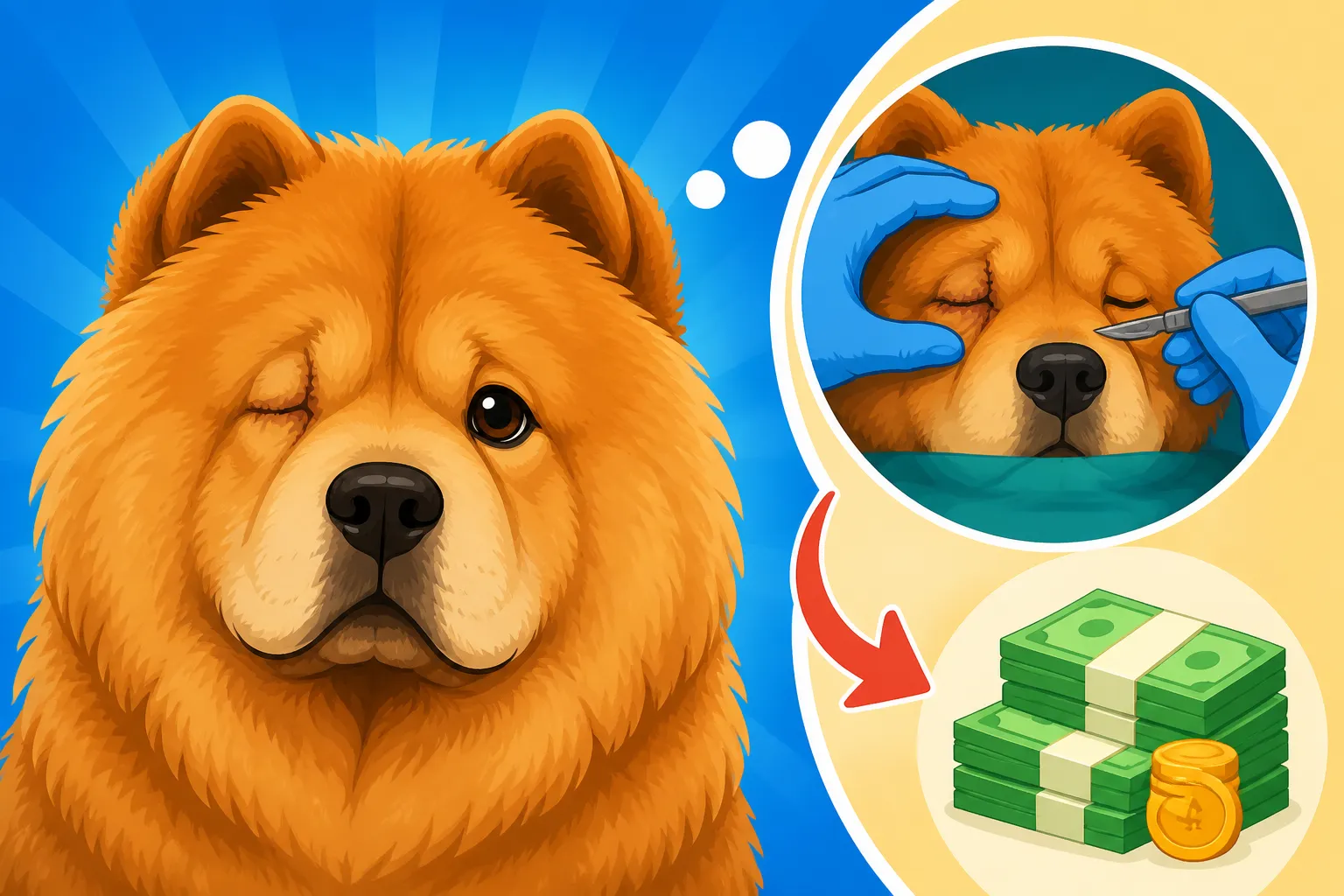
- The Surgery: Enucleation involves carefully removing the eye, severing the optic nerve, and closing the eyelids permanently. The surgeon's expertise, the surgical team's time, and the use of sterile operating room facilities all contribute to this cost. In some complex cases, a specialist might be required, which typically incurs higher fees than a general practice veterinarian.
- Anesthesia: This is a significant part of the cost and requires careful management, especially for a Chow Chow. Their brachycephalic (short-muzzled) structure, though not as extreme as some other breeds, combined with their dense coat, can sometimes make anesthesia more complex. Whether a Chow Chow Tolerates Anesthesia is a valid concern for many owners. The anesthesia cost includes pre-anesthetic medications, the anesthetic drugs themselves, monitoring equipment (ECG, blood pressure, oxygen saturation), and the dedicated time of a veterinary technician to monitor your dog throughout the procedure. The longer the surgery, the higher the anesthesia cost.
- Pain Management: Post-surgical pain relief is crucial. This includes injectable pain medications given during and immediately after surgery, and oral pain medications sent home with you. Ensuring your Chow Chow is comfortable is paramount for a smooth recovery.
Post-Operative Care and Medication
The costs don't end once your Chow Chow leaves the operating table. The recovery phase requires diligent care and often includes additional expenses.
- Medications: Your vet will likely prescribe a course of oral antibiotics to prevent infection and anti-inflammatory pain relievers to manage discomfort at home. Sometimes, eye drops for the remaining eye might also be prescribed as a preventative measure.
- E-Collar (Cone of Shame): This is non-negotiable to prevent your Chow Chow from rubbing or scratching the surgical site, which could lead to infection or reopening the wound. While some clinics provide a basic one, you might opt for a more comfortable inflatable collar or soft cone, which would be an additional purchase.
- Follow-up Visits: Several post-operative checks are necessary to monitor healing, remove sutures (if non-dissolvable were used), and ensure there are no complications. These visits are essential for a successful recovery.
- Special Food/Supplements: While not always necessary, some vets might recommend a softer diet initially or specific supplements to support healing, particularly if the Chow Chow has been off its food due to pain. Brands like Chewy often offer a wide selection of prescription diets if needed.
Here's a general breakdown of the potential cost components:
| Cost Category | Description | Typical Scope |
|---|---|---|
| Initial Assessment | Exam, specialist consultation, diagnostic tests (ocular ultrasound, bloodwork) | Can range from basic exam & pressure check to extensive diagnostics |
| Surgical Procedure | Surgeon's fee, operating room, materials, surgical time, medications | Varies based on complexity, general vet vs. specialist |
| Anesthesia | Pre-meds, anesthetic drugs, monitoring, technician's time | Dependent on duration of surgery and monitoring required |
| Medications | Oral pain relief, antibiotics (pre- and post-op), specific eye drops | Prescriptions for home care, potentially for the remaining eye as preventative |
| Post-Op Care | E-collar, follow-up examinations (suture removal, wound check) | Multiple visits over several weeks to monitor healing |
Managing the Financial Impact
The costs associated with enucleation can be substantial, leading many owners to feel overwhelmed. Fortunately, there are several avenues to explore to help manage the financial impact.
The Role of Pet Insurance
Pet insurance can be an absolute lifesaver when unexpected veterinary emergencies arise. If you enrolled your Chow Chow in a comprehensive plan like Healthy Paws before any signs of eye trouble appeared, there's a good chance a significant portion of the enucleation costs would be covered. Most pet insurance policies operate on a reimbursement model, meaning you pay the vet directly and then submit a claim for repayment based on your policy's deductible and reimbursement percentage.
However, it's crucial to understand how pet insurance works, especially regarding pre-existing conditions. If your Chow Chow had symptoms of glaucoma, a corneal ulcer, or any other eye issue before you purchased the policy or during the waiting period, that specific condition would likely be considered pre-existing and therefore excluded from coverage. This is why enrolling in pet insurance when your Chow Chow is young and healthy is highly recommended. What Pet Insurance Costs on a Chow Chow at Eight might be a good indicator of how premiums can increase with age, and waiting until a problem arises often means it won't be covered. Always review your policy details carefully or speak directly with your provider to understand what is covered.
Exploring Payment Options and Financial Assistance
If pet insurance isn't an option or doesn't cover the full cost, don't despair. Many veterinary practices understand the financial strain these situations can cause and offer various solutions.
- Payment Plans: Some veterinary clinics offer in-house payment plans, allowing you to pay the total cost over several installments. Others might work with third-party financing companies that offer low or no-interest payment options for veterinary expenses. It's always worth discussing these possibilities with your vet's office manager.
- Veterinary School Hospitals: University veterinary teaching hospitals often provide care at a slightly reduced cost compared to private specialty practices, as they are also teaching institutions. They also have access to cutting-edge equipment and specialists. If you live near one, this could be a viable option, though waiting lists might apply.
- Charitable Organizations: Several non-profit organizations exist to provide financial aid for pet owners facing high veterinary bills. These organizations often have specific criteria, but they can be a lifeline for families in need. A quick online search for "pet financial aid" or "veterinary assistance programs" can yield promising results.
- Crowdfunding: Platforms designed for personal fundraising can be effective for rallying support from friends, family, and even generous strangers. Sharing your Chow Chow's story and explaining the need for surgery can often lead to significant contributions.
Life with a One-Eyed Chow Chow
The decision to proceed with enucleation for your Chow Chow is a monumental one, but it’s important to remember that it’s usually made to improve their quality of life. The journey doesn't end after surgery; it transitions into a new chapter of recovery and adjustment.
Immediate Recovery and Care at Home
Bringing your Chow Chow home after eye surgery requires a calm and attentive environment. They will likely be a bit groggy from anesthesia and might feel disoriented initially.
- Quiet Space: Designate a quiet, comfortable space for them to rest, away from household hustle and bustle.
- Medication Schedule: Adhering strictly to the prescribed pain medication and antibiotic schedule is paramount. Set reminders on your phone if needed.
- E-Collar Management: The e-collar is absolutely essential, even if your Chow Chow hates it. It prevents them from damaging the surgical site. Keep it on at all times, except perhaps for brief, supervised breaks if your vet approves. How Long a Chow Chow Recovers From Eye Surgery often depends on preventing complications by careful e-collar use.
- Monitoring the Site: Gently check the surgical site daily for any signs of swelling, excessive discharge, redness, or heat. A little swelling and bruising are normal, but anything concerning should warrant a call to your vet.
- Gentle Handling: Your Chow Chow will be sensitive around their head. Be extra gentle when petting or approaching them, particularly on the side where the eye was removed. Remember that How a Chow Chow's Deep Set Eye Limits Its Vision and having one less eye will further reduce their peripheral awareness. Always approach from their sighted side.
Long-Term Adjustments and Quality of Life
The good news is that most Chow Chows adapt remarkably well to having one eye. Their other senses quickly compensate for the loss of depth perception and peripheral vision on one side.
- Spatial Awareness: For the first few weeks, your Chow Chow might bump into things on their blind side. Keep furniture arrangements consistent and avoid sudden obstacles. They will learn to compensate by turning their head more to survey their environment. How a Chow Chow Adjusts to One Eye is often a testament to their resilience.
- Grooming: Continue with regular grooming, but be extra careful around the surgical site. The dense coat of a Chow Chow, whether rough or smooth, needs consistent care. You'll want to be gentle when brushing their face and neck.
- Exercise and Play: Once fully recovered and cleared by your vet, your Chow Chow can resume their normal activities. They might be a bit more cautious at first, especially with stairs or jumping, but most regain their confidence quickly. Short, controlled walks are a great way to reintroduce activity without overexertion.
- Emotional Support: Your Chow Chow feeds off your emotions. If you are calm and reassuring, they will feel more secure. Shower them with love and positive reinforcement. Their happiness, now free from chronic pain, will be your biggest reward.
Removing a blind, painful eye from your Chow Chow is a deeply personal and difficult decision, but it's often the most compassionate choice you can make. While the financial aspect can be daunting, understanding the costs involved and knowing your options can help ease the burden, allowing you to focus on your Chow Chow's comfort and recovery.
Disclaimer
This article is for general informational purposes only and does not constitute professional advice. Laws, prices and regulations vary by location and change over time. Consult a qualified professional for guidance on your specific situation.