Why a Chow Chow’s Deep Set Eye Causes Trouble
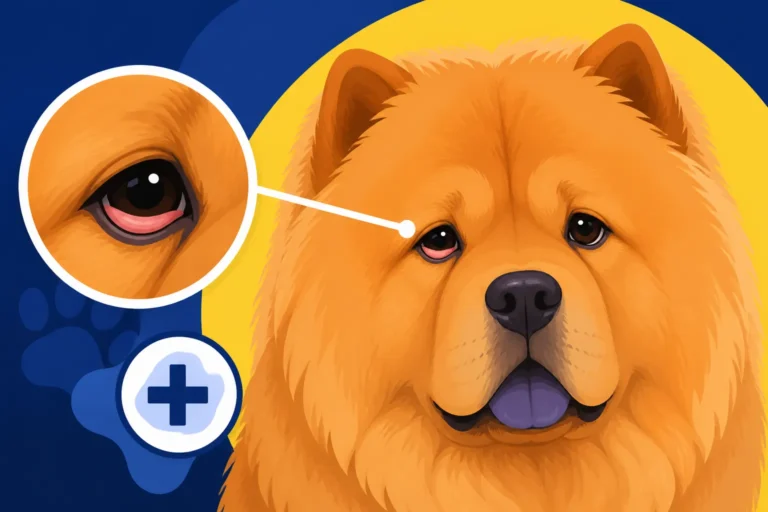
Anyone who has fallen in love with a Chow Chow knows that majestic, regal, and often inscrutable expression. Those deeply set, almond-shaped eyes contribute so much to their unique look, but as beautiful as they are, they also hide a host of potential problems. Many owners find themselves constantly battling eye irritation, squinting, or even more serious conditions, feeling frustrated and sometimes overwhelmed by the constant vigilance required. This guide aims to break down exactly why a Chow Chow's deep-set eyes cause so much trouble, what to look out for, and how best to support your furry friend's vision and comfort.
The Unique Anatomy of a Chow Chow's Eye
The Chow Chow's distinctive appearance, often described as lion-like, isn't just about their dense double coat; it's heavily influenced by their skull structure and the placement of their eyes. While undeniably charming, this very structure is the root cause of many ocular health challenges unique to the breed. It’s a classic example of how breed-specific traits, while aesthetically pleasing to humans, can unfortunately predispose our beloved dogs to discomfort and serious medical issues.
Why the Deep Set Look is Prized
The deep-set, dark, and almond-shaped eyes are a hallmark of the Chow Chow breed standard. This particular eye shape contributes significantly to the breed's aloof and dignified expression, often giving the impression that they are peering out from a fortress of fur. For breeders aiming for conformation, this deep-set characteristic is highly sought after, as it defines much of the traditional Chow Chow aesthetic. It speaks to their ancient lineage and contributes to the overall "scowl" that many find so endearing and distinctive.
However, this prized trait comes with a hefty price tag in terms of canine comfort and health. The deep seating of the eye within the skull means the eyelids have less natural protection and support from the surrounding bone structure. Instead, they rely more on the surrounding skin and musculature, which can be prone to laxity or excessive folds. This anatomical configuration, while visually striking, creates an inherent vulnerability that other breeds with more open, prominent eyes simply don't face, making daily observation and proactive care absolutely crucial for Chow Chow owners.
The Impact of Facial Structure
Beyond the deep-set nature of the eyes themselves, the Chow Chow's entire facial structure plays a critical role in their ocular health. The breed typically has a broad, flat skull and a relatively short muzzle. This brachycephalic tendency, though not as extreme as in breeds like Pugs or Bulldogs, still influences the soft tissues around the eyes. The skin on a Chow Chow's face is often abundant, leading to noticeable facial folds and wrinkles, especially around the brow and muzzle.
These beautiful, expressive folds, unfortunately, can exert pressure on the eyelids, causing them to roll inward or outward, or to sag. The way a Chow Chow's face folds push the lid in is a significant factor in the development of conditions like entropion. It’s a constant battle against gravity and the very anatomy that makes them so recognizable. This interplay between skull shape, skin elasticity, and eye placement creates a delicate balance that often tips towards irritation and pathology, making it an ongoing concern for dedicated Chow Chow enthusiasts who prioritize their dog's well-being.
How the Eyelids and Lashes Are Affected
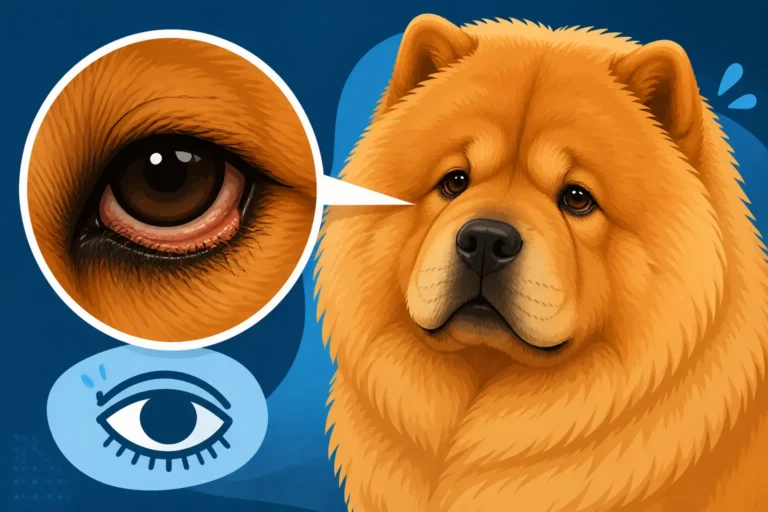
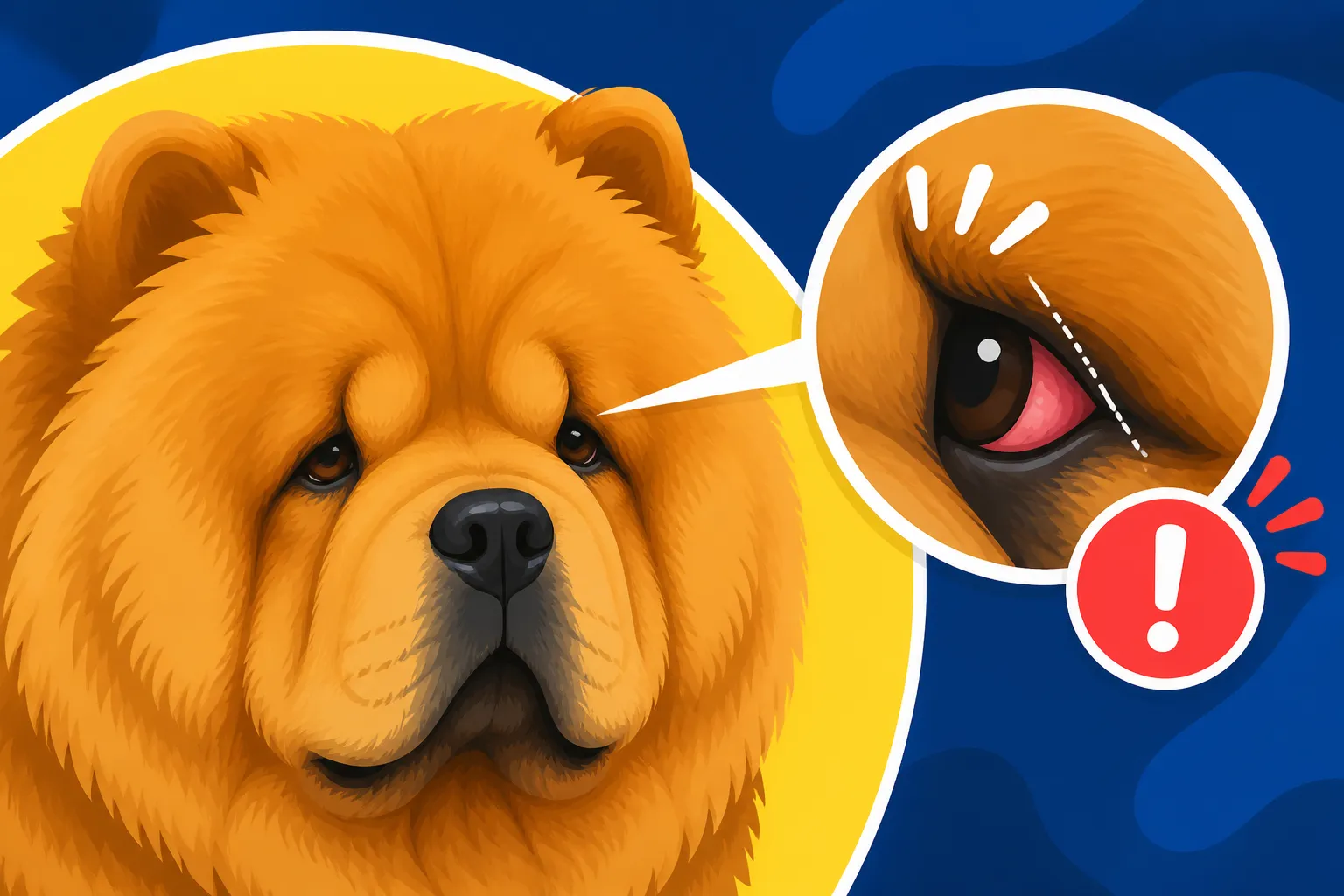
The delicate structure of the eyelids and the growth of the eyelashes are critically impacted by the deep-set eyes and surrounding facial folds. In many Chow Chows, the upper and/or lower eyelids tend to roll inward towards the eyeball. This condition, known as entropion, is perhaps the most significant and frequent eye problem in the breed. When the eyelid rolls inward, the eyelashes and the coarse hair on the outside of the eyelid rub directly against the sensitive surface of the cornea and conjunctiva.
Imagine having a constant irritant scraping against your eye – that’s precisely what a Chow Chow with entropion experiences. This constant friction isn't just uncomfortable; it's damaging. It can lead to chronic irritation, excessive tearing, mucous discharge, and corneal ulcers, which are open sores on the surface of the eye. The deep setting of the eyes also makes it harder for the eyelids to perform their natural protective function effectively, further exacerbating issues. Even minor issues like dust or debris can become major irritants because the eyelids aren't sitting correctly. This constant battle with irritation means many Chow Chows live with persistent discomfort unless the issue is addressed promptly and effectively.
Entropion: The Most Common Eye Trouble
Entropion isn't just common in Chow Chows; it's almost their "signature" eye problem. If you're considering a Chow Chow, or already have one, understanding this condition is absolutely vital. It’s a source of constant discomfort for affected dogs and a frequent cause of worry and expense for their owners. The breed’s unique facial anatomy, as we've discussed, directly contributes to this predisposition, making it a challenge many Chow Chow families will inevitably face.
Understanding What Entropion Is
At its core, entropion is a genetic condition where a portion of the eyelid, most commonly the lower lid but sometimes the upper or both, rolls inward toward the eye. This inward rolling causes the delicate hairs on the surface of the eyelid, particularly the stiff guard hairs of the Chow Chow's dense coat, to constantly rub against the cornea. It's not just a minor irritation; it's like having sandpaper repeatedly brush against a highly sensitive surface. You can learn more about exactly what Entropion Is in a Chow Chow.
This constant friction leads to a cascade of problems. Initially, it might just be mild irritation and increased tearing. However, over time, this rubbing can cause inflammation of the conjunctiva (the pink tissue lining the eyelids and covering the white of the eye) and, more seriously, damage to the cornea itself. The damage can range from superficial abrasions to painful corneal ulcers, which are open sores that can become infected and, if left untreated, can lead to scarring, vision impairment, or even loss of the eye. The severity of entropion can vary greatly, from a mild, intermittent roll to a severe, constant inversion of the lid, affecting how painful and damaging it becomes.
Signs Your Chow Chow Might Have Entropion
Recognizing the signs of entropion early is crucial for preventing serious long-term damage to your Chow Chow's eyes. Owners often notice subtle changes before the problem becomes severe. One of the most common early indicators is excessive tearing or watery eyes. The eye is trying to flush out the irritant, so it produces more tears. Another clear sign is frequent squinting or holding the affected eye partially closed. This is your Chow Chow's way of trying to relieve the discomfort and protect the eye from further rubbing.
Other symptoms include red, inflamed eyes (conjunctivitis), which can sometimes be mistaken for allergies. You might also notice a thick, mucous-like discharge accumulating in the corner of the eye, which is another response to irritation or a sign of secondary infection. If the condition has progressed, you might see signs of corneal damage, such as cloudiness or a blue-gray haze on the surface of the eye, which indicates an ulcer or corneal edema. Paying close attention to any of these subtle clues and seeking veterinary attention promptly is vital. For more detailed information, check out our guide on the Signs a Chow Chow Has Entropion.
The Pain and Damage Entropion Causes
The impact of entropion on a Chow Chow's quality of life cannot be overstated. Imagine enduring a persistent, nagging pain in your eye every single day. That's the reality for many Chows with untreated entropion. The constant rubbing of hair against the cornea is incredibly painful and distracting. It can make them head shy, irritable, or even withdrawn, as their discomfort affects their overall demeanor. They might rub their faces on furniture or paw at their eyes, inadvertently making the problem worse and potentially introducing bacteria that lead to infection.
Beyond the immediate pain, the long-term damage can be severe. Chronic irritation often leads to corneal ulcers, which are not only excruciating but also pose a significant risk to vision. These ulcers can become deep and infected, potentially leading to corneal perforation and permanent blindness in the affected eye. Even if an ulcer heals, it can leave behind scar tissue, causing cloudiness that impairs vision. Without corrective surgery, the condition rarely resolves on its own and tends to worsen over time, leading to irreversible damage. This is why addressing entropion promptly is an act of kindness and responsible pet ownership, preventing needless suffering and preserving your dog's sight. Many owners are often caught off guard by the ongoing need for care, but understanding the root cause helps manage expectations and proactive treatment.
Glaucoma: A Silent Threat to Vision
While entropion is generally more common and noticeable, glaucoma is a far more aggressive and devastating eye condition that Chow Chows are particularly predisposed to. It's an emergency that can lead to irreversible blindness in a frighteningly short amount of time, making early recognition and immediate action paramount. The very structure of the Chow Chow’s eye that makes it susceptible to entropion also contributes to its risk for glaucoma.
Why Chow Chows Are Prone to Glaucoma
Chow Chows are listed among breeds that are predisposed to primary closed-angle glaucoma. This genetic predisposition means their eyes are anatomically designed in a way that makes them highly susceptible to the condition. Inside a healthy eye, a fluid called aqueous humor is constantly produced and drained, maintaining a healthy intraocular pressure (IOP). In Chow Chows, the drainage angle—the area where this fluid exits the eye—is often inherently narrow or malformed. This is why the Chow Chow is a Closed Angle Glaucoma Breed.
When this drainage angle becomes completely blocked, the aqueous humor can no longer escape, leading to a rapid and dramatic buildup of pressure inside the eye. This increased pressure damages the optic nerve, which transmits visual information from the eye to the brain, and can also damage the retina. Unlike humans, where glaucoma often progresses slowly, in dogs, especially predisposed breeds like the Chow Chow, it can advance with terrifying speed. The genetic factor means that if one eye develops primary glaucoma, the other eye has a very high chance of developing it too, often within months to a year, even if it initially appears healthy. This genetic ticking clock makes prevention and prophylactic treatment for the second eye a critical consideration.
Recognizing the Urgent Signs of Glaucoma
Recognizing the signs of glaucoma is not just important; it's a matter of immediate urgency that can mean the difference between sight and permanent blindness. Unlike the gradual onset of some other conditions, acute glaucoma strikes quickly. The most prominent sign is often a sudden and intense pain, which your Chow Chow might show by rubbing its eye, holding it shut, or being unusually withdrawn. The eye itself will often appear visibly different: it might be very red (bloodshot), cloudy or bluish, and the pupil might be dilated and unresponsive to light. The eye may also feel hard to the touch compared to the unaffected eye, due to the extreme internal pressure.
Unfortunately, due to the Chow Chow's deep-set eyes, some of these early, subtle changes can be harder to spot until the condition is quite advanced. This makes it crucial for owners to routinely check their dog's eyes. If you notice any of these symptoms, especially a sudden change in the appearance or comfort of one or both eyes, consider it an immediate veterinary emergency. Do not wait to see if it improves; call your vet or an emergency veterinary clinic right away. Delaying even a few hours can significantly impact the outcome, as glaucoma can blind a Chow Chow in Days.
The Rapid Progression and Devastating Outcome
The speed with which glaucoma can blind a Chow Chow is truly heartbreaking and a stark reality for owners of this breed. Once the intraocular pressure spikes, the delicate structures inside the eye, particularly the optic nerve and retina, are quickly and irreversibly damaged. In many cases, if treatment is not initiated within 24-48 hours of onset, the vision in the affected eye can be completely lost. There's no coming back from that level of damage.
Even with aggressive medical and/or surgical intervention, the prognosis for retaining vision in the affected eye is often guarded. The goal of treatment in such acute cases is often to preserve existing vision, alleviate pain, and prevent the rapid progression of damage, but complete restoration of vision is rare once significant damage has occurred. Furthermore, due to the genetic predisposition, the other eye, even if healthy at the time of the first glaucoma attack, is at extremely high risk. Prophylactic measures, such as medication to reduce pressure in the healthy eye, are often recommended to delay or prevent its onset. This rapid, devastating progression underscores why glaucoma in a Chow Chow is truly an emergency and why every second counts once symptoms appear.
Other Eye Conditions and General Vision Limitations
While entropion and glaucoma are the two heavy hitters when it comes to Chow Chow eye problems, their unique eye structure can predispose them to a few other issues. It's also worth understanding how their deep-set eyes naturally limit their vision, which can impact their behavior and interactions with the world around them. Owners often wonder about the various potential problems, and it’s important to be aware of the full spectrum.
Distichiasis and Ectopic Cilia
Beyond the inward-rolling eyelid of entropion, Chow Chows can also suffer from other eyelash abnormalities. Distichiasis is a condition where extra eyelashes grow from abnormal locations on the eyelid margin, often from the oil glands within the eyelid. These errant lashes can be soft and harmless, or they can be stiff and point inward, rubbing against the cornea much like in entropion. The irritation can range from mild, causing chronic tearing, to severe, leading to corneal ulcers.
Ectopic cilia is a similar, but often more severe, condition where an eyelash grows through the conjunctiva on the inner surface of the eyelid, directly contacting the cornea. Because it grows from the inside of the lid, it often presents as a single, painful hair causing intense irritation and often a deep corneal ulcer. Both distichiasis and ectopic cilia are inherited conditions that cause significant discomfort and require veterinary intervention, often surgical removal of the offending lashes. These subtle, yet irritating, eyelash issues can be easily missed if not specifically looked for, adding another layer of complexity to Chow Chow eye care. Learning about Distichiasis in a Chow Chow can help you understand this condition better.
Cataracts and Other Age-Related Changes
As Chow Chows age, like many breeds, they can develop cataracts. A cataract is a clouding of the lens inside the eye, which obstructs light from reaching the retina and ultimately impairs vision. While some cataracts can be inherited and appear in younger dogs, most are age-related, developing gradually as the dog gets older. It’s a natural part of aging for many canines.
Beyond cataracts, senior Chow Chows may also experience nuclear sclerosis, a bluish-grey haze in the lens that is a normal part of aging and generally doesn't significantly impact vision, though it can be confused with cataracts. Other age-related changes can include decreased tear production, leading to dry eye (keratoconjunctivitis sicca), and reduced overall vision and night vision. Caring for a Chow Chow Past Eight often involves paying closer attention to these age-related changes, ensuring their environment is safe and accessible as their sight may diminish. Regular veterinary check-ups become even more vital to monitor these changes and provide supportive care to keep them comfortable.
Peripheral Vision Challenges
The very features that give the Chow Chow its unique allure—the deep-set eyes, broad skull, and prominent facial folds—also inherently limit their field of vision. Unlike many dogs with more forward-facing or outwardly placed eyes, a Chow Chow’s deep-set eyes mean they have significantly reduced peripheral vision. They essentially have blind spots to their sides, making them less able to detect movement or approach from the periphery. This can make them prone to startling if approached unexpectedly from the side or behind, as they simply might not see you coming.
This limited peripheral vision isn't just a quirky trait; it has practical implications for their behavior and interactions. When introducing a Chow Chow to new people or other animals, it's crucial to approach them slowly and from the front, allowing them to see you clearly. Startling a Chow Chow can elicit a defensive reaction, which can be misunderstood as aggression. Understanding how a Chow Chow's deep set eye limits its vision can help owners manage interactions more effectively, ensuring the safety and comfort of both the dog and those around it. This visual limitation highlights the need for careful socialization and management from a young age.
Proactive Care and Management for Eye Health
Given the Chow Chow's predisposition to numerous eye conditions, a proactive approach to their eye health is absolutely non-negotiable. Waiting for problems to arise can lead to irreversible damage and immense pain for your beloved companion. Instead, a consistent routine of care, diligent observation, and responsible choices can make all the difference in preserving their vision and comfort. It’s an investment of time and effort that truly pays off in the long run.
Regular Veterinary Check-ups and Early Detection
The cornerstone of managing your Chow Chow's eye health is a schedule of regular veterinary check-ups. These aren't just for vaccinations; they are critical opportunities for your vet to perform thorough physical examinations, including a detailed inspection of your dog's eyes. Given the Chow Chow's tendency to hide pain or discomfort, subtle changes might only be picked up by a professional eye exam.
Your veterinarian will examine the eyelids for any signs of entropion or abnormal eyelashes, check for redness or discharge, and may perform a Schirmer tear test to assess tear production, especially if dry eye is suspected. They might also check intraocular pressure, which is particularly important for detecting glaucoma before it becomes an emergency. Early detection of conditions like entropion means intervention can happen before chronic corneal damage sets in. If a problem is identified, your vet might recommend a referral to a veterinary ophthalmologist for a more specialized diagnosis and treatment plan. Regular wellness exams and dedicated eye checks can truly be lifesavers for your Chow Chow's vision. Whether a Chow Chow Needs a Yearly Eye Exam is a question all owners should consider.
Daily Eye Cleaning and Maintenance
Beyond professional check-ups, daily home care plays a significant role in preventing irritation and infection in a Chow Chow's deep-set eyes and surrounding facial folds. Because of their tendency for tear staining and the way their fur can trap moisture, daily cleaning is highly recommended. Using a soft, damp cloth or a veterinarian-approved eye-cleaning solution, gently wipe around the eyes to remove any tear stains, discharge, or debris.
Pay particular attention to the facial folds around their eyes and muzzle. These wrinkles can trap moisture, dirt, and bacteria, creating a breeding ground for skin infections (pyoderma) or yeast overgrowth. Keeping these areas clean and dry is vital. After wiping, gently pat the folds dry. This routine not only helps maintain hygiene but also gives you a daily opportunity to observe your Chow Chow's eyes closely. You can quickly spot any signs of redness, excessive tearing, squinting, or changes in the appearance of the eye itself. This proactive vigilance is paramount in catching problems before they escalate.
Importance of Responsible Breeding Practices
Perhaps the most impactful long-term solution to reducing eye problems in Chow Chows lies in responsible breeding practices. Entropion and primary closed-angle glaucoma are both known to be inherited conditions. Reputable breeders understand this genetic predisposition and take concrete steps to minimize the risk of passing these traits on to future generations. They will carefully select breeding pairs that have no history of entropion themselves or in their immediate lineage.
Furthermore, responsible breeders should conduct specific health screenings on their breeding dogs. For eyes, this includes regular examinations by a board-certified veterinary ophthalmologist. The Canine Eye Registry Foundation (CERF), now part of the Orthopedic Foundation for Animals (OFA) Eye Certification Registry, offers examinations to screen for inherited eye diseases. Breeders should be able to provide proof of these clear eye certifications for both parents of a puppy. Asking to see these certifications and inquiring about the health history of a puppy's parents is critical for any prospective Chow Chow owner. Choosing a puppy from health-tested parents significantly reduces the likelihood that you will face devastating eye issues later on. Learn about Which Health Tests a Chow Chow Breeder Should Run to make informed decisions.
Navigating Veterinary Care and Costs
When eye problems do arise, and chances are they will at some point for a Chow Chow, navigating the world of veterinary care can feel overwhelming, especially when faced with specialist referrals and potentially significant costs. Understanding your options and being prepared financially can alleviate some of the stress during what is often a painful and worrying time for both you and your dog.
The Role of a Veterinary Ophthalmologist
For any serious or persistent eye condition in a Chow Chow, a referral to a board-certified veterinary ophthalmologist is often the best course of action. These specialists have advanced training and equipment dedicated solely to animal eye health, allowing for a much more precise diagnosis and specialized treatment plan than a general practitioner might be able to offer. For complex issues like severe entropion, glaucoma, or deep corneal ulcers, their expertise is invaluable.
An ophthalmologist will perform a comprehensive eye exam, which might include tonometry (measuring eye pressure), gonioscopy (examining the drainage angle for glaucoma), slit-lamp biomicroscopy (detailed examination of internal eye structures), and fluorescein staining (to detect corneal ulcers). They can then discuss surgical options for entropion, such as eyelid repair, or specialized medical and surgical treatments for glaucoma. While the initial consultation and subsequent treatments with a specialist might come with a higher price tag than a regular vet visit, their expertise can be crucial in saving your Chow Chow’s sight and relieving chronic pain. Knowing what a Veterinary Ophthalmologist Charges for a Chow Chow can help you prepare.
Understanding Treatment Options and Their Expenses
The treatment for Chow Chow eye conditions can vary widely in complexity and cost. For entropion, surgical correction is typically the definitive solution. The procedure involves removing a small, crescent-shaped piece of skin and muscle from the eyelid to tighten it and prevent it from rolling inward. The cost of entropion surgery on a Chow Chow can range significantly depending on the severity, whether one or both eyes are affected, and the geographical location of the veterinary practice. In some cases, a puppy might undergo a temporary "eyelid tacking" procedure to protect the eye until it's old enough for permanent surgery.
Glaucoma treatment is even more intensive and often more expensive due to its urgent nature and the need for ongoing management. Initial emergency treatment often involves aggressive medications to rapidly reduce intraocular pressure. If medical management isn't sufficient or vision is lost, surgical options might include laser procedures to reduce fluid production or shunt implants to improve drainage. In severe, painful, and sightless eyes, removal of the eye (enucleation) might be the most humane option. The costs associated with glaucoma diagnosis, emergency treatment, and potential surgery or lifetime medication can be substantial, often running into thousands of dollars. Be prepared for these potential financial demands if your Chow Chow develops this serious condition.
The Value of Pet Insurance for Eye Conditions
Given the high incidence of inherited eye conditions and the potentially high costs of diagnosis and treatment, pet insurance can be an absolute lifesaver for Chow Chow owners. Policies vary, but many comprehensive pet insurance plans, like those offered by Healthy Paws, can help cover a significant portion of veterinary bills for unexpected illnesses and accidents, including entropion surgery, glaucoma treatments, and specialist consultations. It's important to read policies carefully, as pre-existing conditions are typically not covered, which means you should ideally enroll your Chow Chow in a plan when they are young and healthy, before any eye issues manifest.
Having pet insurance means you can make decisions about your Chow Chow's care based on what's best for their health, rather than being solely driven by financial constraints. Knowing that a percentage of costly treatments, specialist visits, or emergency surgeries will be reimbursed can provide immense peace of mind. For a breed so prone to eye problems, investing in a good pet insurance policy is arguably one of the most responsible financial decisions a Chow Chow owner can make to ensure their furry friend receives the best possible care throughout their life. It's a proactive measure that can genuinely make a difference. Many owners attest to how pet insurance, such as Healthy Paws, has made complex medical decisions more manageable.
Disclaimer
The information provided in this guide is for general educational purposes only and should not be considered a substitute for professional veterinary advice. Always consult with a qualified veterinarian or veterinary ophthalmologist for any health concerns or before making any decisions about your Chow Chow's medical care.