Glaucoma Can Blind a Chow Chow in Days
Few things are as terrifying for a Chow Chow owner as waking up to find your beloved companion suddenly unable to see, or with an eye that looks painfully swollen and cloudy. Glaucoma in Chow Chows isn't just a concern; it's a genuine emergency that can steal their vision in a matter of days, sometimes even hours. This isn't a condition you can simply 'wait and see' with; understanding its rapid progression and knowing when to act is absolutely critical to protecting your Chow's precious sight.
Understanding Glaucoma in Chow Chows: The Silent Threat
Glaucoma is often called the "sneak thief of sight," and for a Chow Chow, that couldn't be more accurate. It's a group of eye conditions that damage the optic nerve, the vital connection between the eye and the brain, and this damage is usually caused by abnormally high pressure inside the eye. Unlike us humans, who might slowly lose peripheral vision over years, in dogs, especially breeds like our Chows, it can be an incredibly fast and devastating process. It's not a pain they can tell you about, but the internal pressure builds, pushing on that delicate optic nerve until it simply gives out.
The Unique Chow Chow Eye Anatomy Predisposing Them to Glaucoma
Our Chow Chows are magnificent creatures, instantly recognizable by their lion-like mane and deep-set eyes. While these features contribute to their distinctive appeal, they unfortunately also make them highly susceptible to certain eye conditions, with glaucoma being a prime example. The anatomical structure of a Chow's eye is a significant factor in why they are so prone to this devastating disease. Specifically, they are often predisposed to what's known as primary angle-closure glaucoma.
Imagine the eye as a delicate balloon, constantly filled and drained by a fluid called aqueous humor. This fluid nourishes the eye and maintains its shape. In a healthy eye, there's a finely tuned balance between fluid production and drainage through a spongy tissue called the drainage angle, or iridocorneal angle, located where the iris meets the cornea. For many Chow Chows, this crucial drainage angle is simply not well-formed or is inherently narrow. This means the fluid doesn't flow out as easily as it should. Think of it like a clogged sink – the tap is still running (fluid is still being produced), but the drain is blocked, causing the water level (eye pressure) to rise rapidly. This anatomical peculiarity is often genetic, passed down through generations, making it a persistent concern for the breed. In essence, while other breeds might have a gradual onset of glaucoma, the underlying plumbing in a Chow Chow's eye often sets the stage for a much more acute and severe crisis. This predisposition means that owners need to be extra vigilant, as their Chow's eye health can turn on a dime. You might be interested in learning more about Why a Chow Chow's Deep Set Eye Causes Trouble.
How Glaucoma Develops and Damages Vision
When that drainage angle is compromised, the aqueous humor starts to accumulate, and the pressure inside the eye, known as intraocular pressure (IOP), begins to climb. This isn't just a little discomfort; imagine a constant, severe headache focused intensely on your eye. This elevated pressure compresses the delicate structures within the eye, particularly the optic nerve. The optic nerve is essentially the cable connecting the eye to the brain, transmitting all visual information. When it's subjected to sustained high pressure, its fibers are damaged and eventually die.
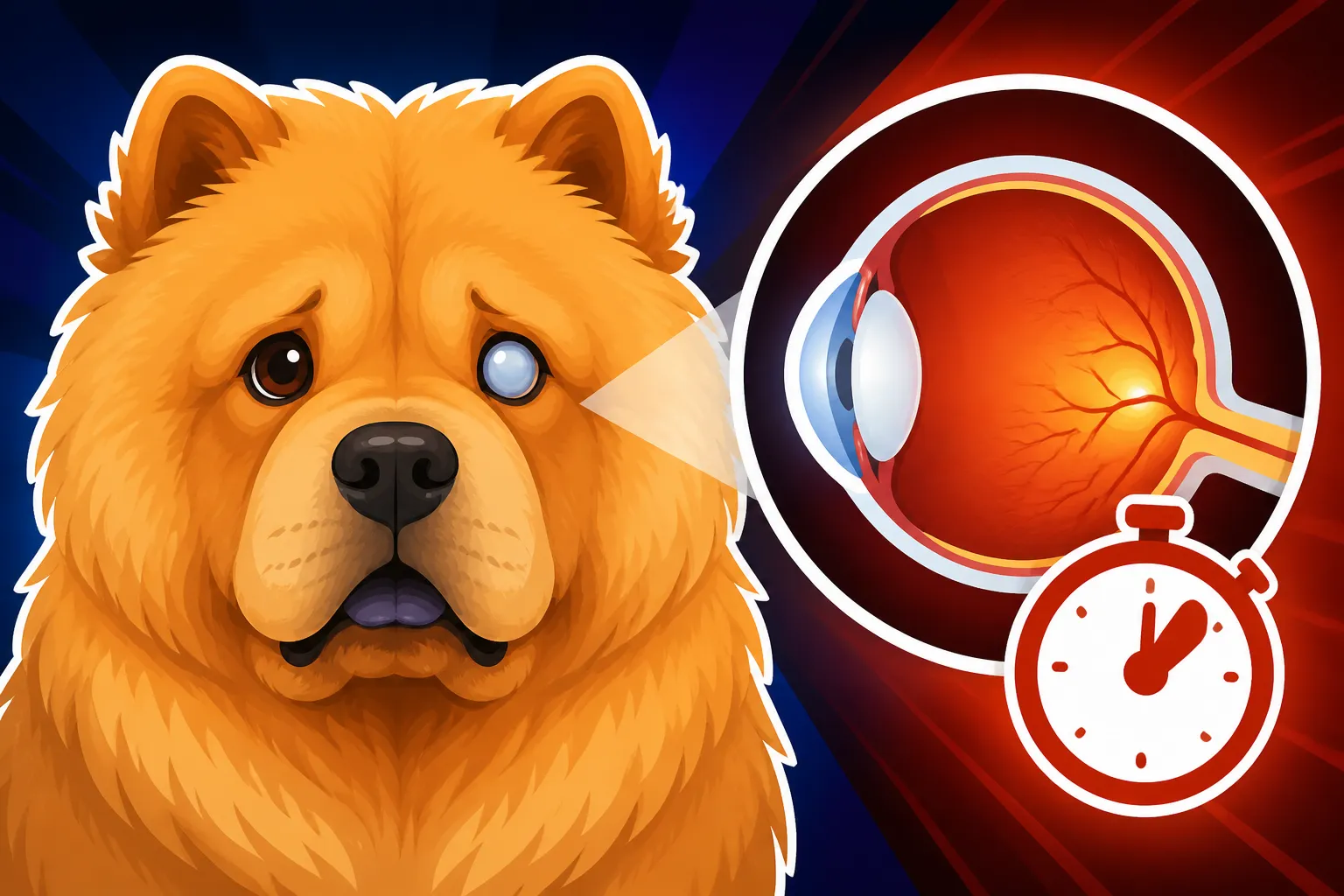
What makes this particularly insidious in Chow Chows is the speed at which this damage can occur. Unlike some chronic forms of glaucoma, the primary angle-closure type often seen in Chows can cause pressure spikes that are incredibly high and sudden. This means that significant, irreversible damage to the optic nerve can happen in just a matter of hours or a few days. The vision loss isn't a slow fade; it can be a sudden, dramatic event. The fluid buildup also affects the cornea, causing it to become cloudy or bluish, which further impairs vision. Ultimately, without intervention, the continuous pressure destroys the optic nerve, leading to complete and permanent blindness in the affected eye. It’s a truly heartbreaking progression, making prompt recognition and treatment paramount.
Recognizing the Urgent Signs of Glaucoma in Your Chow Chow
Catching glaucoma early in a Chow Chow is a monumental challenge because, let’s be honest, Chows are masters of stoicism. Their formidable coats and often reserved demeanor can mask discomfort, making it incredibly difficult for even the most attentive owner to spot the subtle changes that hint at something serious brewing beneath the surface. This is why knowing what to look for, no matter how minor it seems, is so important. When it comes to eye health, especially with a breed like the Chow Chow, assumptions can be costly.
Subtle Early Indicators That Are Easy to Miss
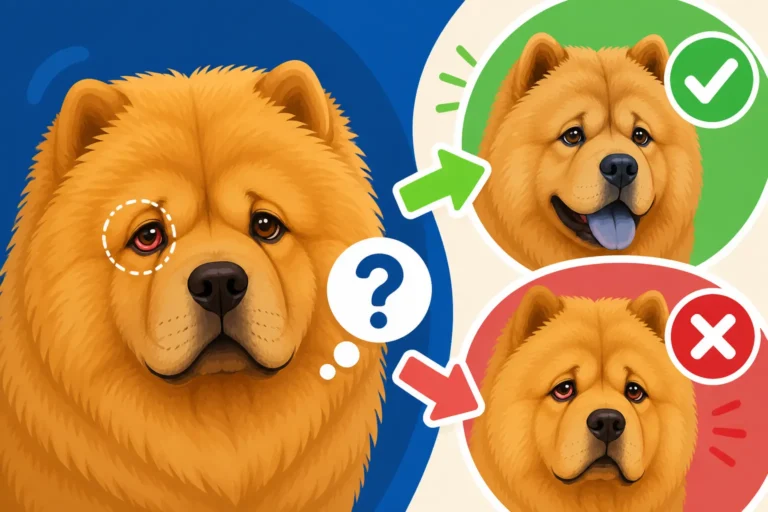
Because Chows are so good at hiding pain, the initial signs of glaucoma can be fleeting and easily dismissed. You might notice your Chow being just a little bit quieter than usual, or perhaps they're not quite as enthusiastic about their favorite walk. These vague behavioral shifts are often the first, almost imperceptible clues. Look closely at their eyes – not just a casual glance, but a real inspection. Is one eye looking slightly different? Perhaps a tiny bit cloudy, or does it seem to be watering more than the other? You might see an increase in tearing or a clear discharge from one eye.
Another subtle sign is a slight redness, particularly around the whites of the eye, which can be easily overlooked in a dog with already deep-set eyes and sometimes dark pigmentation around them. They might blink a little more often, or squint ever so slightly, especially in bright light. This squinting is a direct response to the pain and light sensitivity caused by the increased intraocular pressure. They might also rub at their eye with a paw or against furniture, behaviors that could be mistaken for simple irritation. Any of these small changes, even if they don’t seem alarming on their own, warrant a closer look and a call to your vet. Remember, with glaucoma, time is literally vision. Sometimes, the only sign might be your Chow acting a bit withdrawn or not wanting to play as much, all because they are experiencing a low-grade headache from the building pressure.
Acute Symptoms Demanding Immediate Veterinary Attention
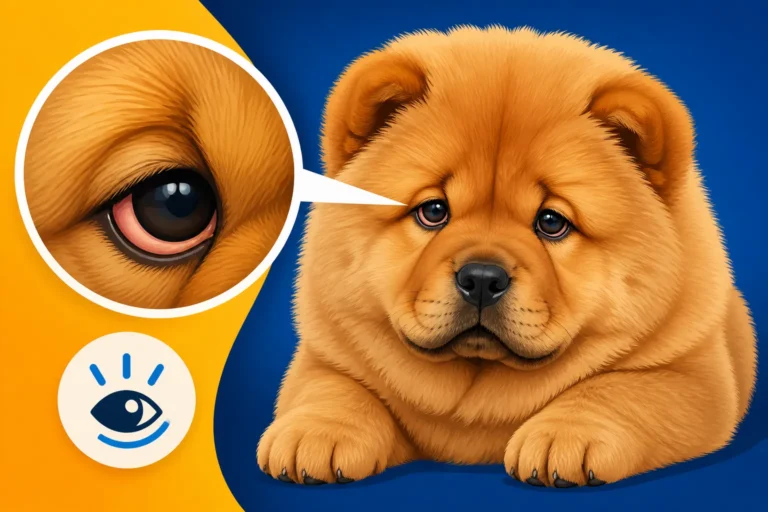
When glaucoma progresses, the signs become much more obvious, but by this stage, the clock is ticking even faster, and irreversible damage may already be underway. These are the symptoms that scream "emergency" and demand you get to an emergency veterinary clinic immediately. The most striking symptom is often a rapidly clouding or bluish appearance of the cornea, the clear front surface of the eye. This cloudiness, or corneal edema, happens because the high pressure forces fluid into the cornea, giving it a hazy, sometimes even opaque, look. This is a tell-tale sign of severely elevated eye pressure. You can read more about What Glaucoma Does to a Chow Chow's Eye.
The eye itself might appear significantly redder and bloodshot, indicating severe inflammation. The pupil might be dilated and unresponsive to light, or it could be constricted and fixed, depending on the severity and duration. Crucially, the affected eye might look visibly larger, bulged, or more prominent than the other eye, a condition called buphthalmia. This happens as the eye literally stretches under the immense internal pressure. Your Chow Chow will likely be in considerable pain, manifesting as vocalization (whining or yelping when touched near the head), extreme lethargy, loss of appetite, and a strong reluctance to have their head touched. They might continually rub at their eye, become disoriented, bump into objects on one side, or show clear signs of blindness. If you observe any of these acute symptoms, do not wait; consider it a dire emergency and seek veterinary care instantly. This is not a situation where you can wait for your regular vet's office to open; you need to find an emergency vet right away.
The Race Against Time: Why Glaucoma is an Emergency
Understanding the sheer urgency of a glaucoma diagnosis in a Chow Chow cannot be overstated. This isn't a condition that allows for a casual appointment next week; it's a full-blown emergency where every single minute can determine whether your dog retains their vision or faces permanent blindness. The mechanics of the disease in predisposed breeds like the Chow Chow mean that the window for effective intervention is often shockingly narrow.
The Rapid Progression to Irreversible Blindness
The primary angle-closure glaucoma common in Chow Chows doesn't typically follow a slow, creeping path. Instead, it's notorious for its sudden, explosive onset. The drainage angle can suddenly and completely collapse, causing intraocular pressure to skyrocket to dangerously high levels within hours. Imagine a garden hose with the nozzle completely pinched off – the pressure builds instantly. This extreme pressure quickly starves the delicate cells of the optic nerve and retina of blood flow and oxygen. These cells are incredibly fragile, and once they are damaged beyond a certain point, they cannot regenerate.
Within 24 to 48 hours of a severe acute glaucoma attack, if left untreated, the damage can become irreversible, leading to permanent blindness. Sometimes, even with treatment, if the pressure has been high for too long, vision cannot be restored. This rapid, devastating progression is why it's so vital to act immediately. There's no coming back from optic nerve death. This is why you need to know How Fast Glaucoma Blinds a Chow Chow. It’s a truly frightening reality for Chow Chow owners, highlighting the critical need for constant vigilance and quick action at the first sign of trouble. You might think, "Oh, it's just a little irritation," but that little irritation could be the prelude to a catastrophic loss of sight.
The Crucial Role of Early Diagnosis
Given the incredibly rapid and destructive nature of glaucoma in Chow Chows, early diagnosis is not just beneficial; it is absolutely crucial for any hope of preserving vision. The moment you notice anything unusual about your Chow's eye – a slight redness, a subtle cloudiness, excessive blinking, or a hint of pain – you need to schedule an emergency vet visit. Do not wait to see if it improves on its own. While it might turn out to be something less severe, the risk of waiting with potential glaucoma is simply too high.
A veterinarian, especially one specializing in ophthalmology, can quickly measure the intraocular pressure (IOP) using a tonometer. This simple, non-invasive test takes seconds and can confirm or rule out glaucoma. If the pressure is elevated, they can begin immediate treatment to reduce it and hopefully prevent further damage. Without this swift action, by the time the symptoms are undeniable – a completely cloudy, visibly enlarged eye, and clear signs of pain – significant vision may already be lost. Early diagnosis allows for prompt medical intervention, which might include specific eye drops or oral medications, to bring the pressure down before irreversible damage takes hold. It truly is the difference between sight and blindness.
Diagnostic Tools and Procedures for Chow Chow Glaucoma
When you suspect glaucoma in your Chow Chow, getting to a veterinarian experienced in eye conditions is paramount. They have specific tools and procedures to accurately diagnose the condition and determine its severity. This isn't guesswork; it's a precise evaluation that guides the critical treatment plan.
Measuring Intraocular Pressure Tonometry
The cornerstone of diagnosing glaucoma is measuring the intraocular pressure (IOP) within the eye. This is done using a device called a tonometer. There are a few types of tonometers, but they all serve the same purpose: to assess the fluid pressure inside your Chow's eye. The process is quick and generally painless, often requiring only a topical anesthetic eye drop to numb the surface of the eye. Your Chow Chow will usually sit or stand calmly while the vet gently touches the tonometer probe to the surface of the cornea.
The most common types of tonometers used in veterinary practice are:
- Rebound tonometry (e.g., Tonovet): This device gently "bounces" a small, lightweight probe off the cornea. The way the probe rebounds is used to calculate the IOP. It's very fast and often well-tolerated by dogs, even those who might be a bit wary of having their eyes touched.
- Applanation tonometry (e.g., Tonopen): This handheld device measures the force required to flatten a small, consistent area of the cornea. It's highly accurate and widely used.
A normal IOP for dogs typically ranges between 10-25 mmHg, though this can vary slightly by breed and individual. Readings significantly above this range, especially if accompanied by other clinical signs, confirm a diagnosis of glaucoma. Importantly, both eyes are always checked, even if only one appears affected. This is because glaucoma often affects both eyes, sometimes with one progressing faster than the other. Regular IOP checks are a key part of Whether a Chow Chow Needs a Yearly Eye Exam.
Examining the Eye's Drainage Angle Gonioscopy
While tonometry confirms the presence of high pressure, gonioscopy helps the veterinarian determine why the pressure is high. This procedure involves using a special contact lens with mirrors (called a goniolens) placed directly on the surface of the anesthetized eye. The vet then uses a slit lamp or a similar magnifying device to look through the goniolens and directly visualize the eye's drainage angle.
For Chow Chows, this examination is particularly important because it can reveal if the glaucoma is primary angle-closure glaucoma, where the drainage angle itself is narrow, malformed, or has collapsed. Seeing the angle directly allows the vet to assess its structure and patency. If the angle is clearly closed or significantly abnormal, it helps confirm the type of glaucoma and guides treatment decisions, particularly whether surgical intervention might be beneficial. This procedure requires a specialized veterinary ophthalmologist and helps explain Why a Chow Chow's Drainage Angle Is Narrow and how that predisposition directly leads to their high risk of glaucoma. Understanding the anatomy allows for more targeted treatment and a better long-term prognosis, especially for managing the contralateral eye.
| Symptom | Description | Urgency Level |
|---|---|---|
| Subtle Squinting | Mild closing of one or both eyes, often subtle. | Moderate |
| Increased Tearing | Excessive clear fluid from one or both eyes. | Moderate |
| Redness of Eye | Bloodshot appearance, particularly around the sclera (white part). | High |
| Cloudy Cornea | Hazy, bluish, or opaque appearance of the front of the eye. | CRITICAL |
| Dilated Pupil | Pupil appears larger than normal and unresponsive to light. | CRITICAL |
| Visibly Enlarged Eye | One eye appears larger or more prominent than the other. | CRITICAL |
| Rubbing at Eye | Frequent pawing at the eye or rubbing against objects. | High |
| Behavioral Changes | Lethargy, loss of appetite, reluctance to play or be touched near the head. | High |
| Bumping into Objects | Disorientation, especially in dim light or unfamiliar surroundings. | CRITICAL |
Treatment Options to Save Your Chow Chow's Sight
Once glaucoma is diagnosed in your Chow Chow, immediate and aggressive treatment is necessary. The goal is always to reduce the intraocular pressure as quickly as possible to prevent further damage to the optic nerve. Treatment typically involves a combination of medical management and, in many cases, surgical intervention, especially for the acute angle-closure type common in Chows. The approach chosen will depend on the severity of the condition, whether vision is still present, and the overall health of your dog.
Medical Management: Eye Drops and Oral Medications
Medical treatment for glaucoma primarily revolves around reducing the production of aqueous humor and/or increasing its outflow, thereby lowering the intraocular pressure. This usually starts with a combination of eye drops, and sometimes oral medications, administered diligently by the owner.
Common types of eye drops include:
- Prostaglandin Analogues (e.g., Latanoprost, Travoprost): These are often the first line of defense in acute angle-closure glaucoma because they are incredibly effective at rapidly lowering IOP by increasing the outflow of aqueous humor. They can be very potent and work quickly, making them crucial in emergency situations.
- Beta-Blockers (e.g., Timolol): These drops work by reducing the production of aqueous humor. They are often used in conjunction with other medications for a more comprehensive effect.
- Carbonic Anhydrase Inhibitors (CAIs, e.g., Dorzolamide, Brinzolamide): Similar to beta-blockers, CAIs decrease aqueous humor production. They can be given as eye drops or, in some cases, as oral medications like methazolamide. Oral CAIs are particularly useful in the initial emergency phase to bring down pressure quickly.
- Miotics (e.g., Pilocarpine): These medications constrict the pupil and can sometimes help to open the drainage angle, improving fluid outflow. However, their use is more limited and carefully considered depending on the type of glaucoma.
The application of eye drops can be challenging, especially with a large, sometimes stoic, breed like a Chow Chow who may be in pain. It requires patience and a gentle touch. Often, multiple types of drops are prescribed, sometimes needing to be administered several times a day, which can be a significant commitment. These medications are generally lifelong, even after surgical interventions, to manage the condition and prevent recurrence or affect the other eye.
Surgical Interventions for Severe Cases
While medical management is critical, it often serves as a temporary measure or a supportive therapy. For many Chow Chows with primary angle-closure glaucoma, surgical intervention is often necessary, either to preserve vision in the affected eye or, if vision is lost, to alleviate pain.
Surgical options for vision retention (when there's still hope for sight):
- Gonioimplantation (or shunt placement): This procedure involves implanting a small device (a shunt or valve) to create a new drainage pathway for the aqueous humor, bypassing the blocked natural angle. This helps to maintain lower, more stable intraocular pressure. Often, a brand like Ahmed Glaucoma Valve is used.
- Cyclophotocoagulation (CPC): This technique uses a laser to selectively destroy a portion of the ciliary body, the tissue responsible for producing aqueous humor. Reducing fluid production helps to lower pressure. This can be done externally (transscleral CPC) or internally (endoscopic CPC).
When vision is unfortunately already lost, and the eye remains painful or chronically high in pressure, other surgical options are considered:
- Enucleation: This is the complete surgical removal of the affected eye. While it sounds drastic, it's often the most effective way to eliminate chronic pain associated with untreatable glaucoma. Many dogs adapt remarkably well to having one eye or even being completely blind. This is an important consideration when thinking about What Removing a Chow Chow's Eye Costs.
- Intraocular Prosthesis (Evisceration with Prosthesis): In this procedure, the internal contents of the eye are removed, but the outer shell (sclera and cornea) is preserved, and a silicone prosthetic globe is inserted. This maintains the cosmetic appearance of the eye but does not restore vision. It's an option for owners who want to avoid the appearance of a missing eye, but it still carries risks of complications.
- Chemical Ablation: This involves injecting a chemical (like gentamicin) into the eye to destroy the ciliary body and stop fluid production. It's less invasive than enucleation but also carries risks and can sometimes lead to complications or incomplete pressure control.
The decision for surgery is always made in consultation with a veterinary ophthalmologist, taking into account the Chow's specific condition, the presence or absence of vision, the level of pain, and the owner's ability to provide post-operative care.
Living with Glaucoma: Long-Term Management and Prognosis
Discovering your Chow Chow has glaucoma is a life-altering diagnosis, not just for them, but for you as their dedicated owner. It marks the beginning of a new chapter focused on vigilant management, unwavering commitment, and a profound adaptability. The journey with glaucoma is often a marathon, not a sprint, demanding consistent care to maintain comfort and quality of life. The challenges are real, but with the right approach, your Chow can still live a fulfilling life.
Monitoring the Remaining Eye and Preventing Secondary Glaucoma
A heartbreaking reality of glaucoma in dogs, especially primary forms like those seen in Chow Chows, is that if one eye is affected, the other eye is at a very high risk of developing the condition. This means that even after treating the initial affected eye, whether vision was saved or not, the focus immediately shifts to protecting the "good" eye. This is often referred to as the contralateral eye.
Your veterinary ophthalmologist will likely recommend a preventative treatment regimen for the healthy eye, typically involving daily eye drops to reduce aqueous humor production or improve outflow, even if the eye shows no signs of high pressure. These preventative measures are crucial because the anatomical predisposition that caused glaucoma in the first eye is usually present in the second eye as well. Regular, often frequent, check-ups are vital, including periodic intraocular pressure measurements (tonometry) of the remaining eye. This proactive approach significantly increases the chances of delaying or even preventing glaucoma onset in the second eye, preserving vision for as long as possible. Many owners find that setting reminders on their phones for eye drop administration becomes a daily habit, as consistency is key. Understanding What a Chow Chow's Eye Pressure Check Costs will be part of your long-term budget.
Adapting to Vision Loss and Maintaining Quality of Life
If your Chow Chow does lose vision in one or both eyes due to glaucoma, it can be a devastating blow for both of you. However, it's incredibly important to remember that dogs adapt to blindness with remarkable resilience. Their other senses – smell, hearing, and touch – become heightened, allowing them to navigate their world quite effectively, especially in familiar environments.
Your role as an owner becomes one of support and adaptation. Here are some ways to help your blind Chow Chow thrive:
- Maintain Consistency: Keep furniture and household items in the same places. Dogs learn their environment through memory and scent, so stability is key.
- Safe Spaces: Block off dangerous areas like stairs with gates. Supervise them closely outdoors, always keeping them on a leash in unfamiliar places. A securely fenced yard is a must for unsupervised outdoor time.
- Verbal Cues: Start using more verbal cues for direction ("step up," "watch out," "this way"). Your voice will become their primary guide.
- Scent Markers: Use distinct scents (e.g., vanilla extract, essential oils diluted safely) on furniture legs or doorways to help them map their environment.
- Halo Harnesses: For Chows who are completely blind, a halo harness like a Muffin's Halo can provide a protective barrier, preventing them from bumping their head into obstacles.
- Enrichment: Continue to provide mental stimulation through scent games (hide-and-seek with treats), puzzle toys, and walks in familiar, safe areas.
- Patience and Affection: Your Chow will rely on you more than ever for comfort and security. Offer gentle reassurance and maintain a consistent routine.
While the prognosis for long-term vision retention in Chow Chows with primary angle-closure glaucoma can be guarded, particularly in the affected eye, with dedicated care and a proactive approach to the contralateral eye, many Chows can continue to live happy, pain-free lives. The goal shifts from merely preserving sight to ensuring comfort and quality of life, which is absolutely achievable. You might find guidance in How a Chow Chow Adjusts to One Eye.
Financial Considerations for Glaucoma Treatment
It's a harsh reality that managing a serious health condition like glaucoma in your Chow Chow comes with significant financial implications. From emergency visits to specialized diagnostics, surgical procedures, and lifelong medications, the costs can add up quickly, causing considerable stress on top of the emotional burden. Being prepared for these expenses is a crucial part of responsible Chow Chow ownership.
Understanding the Costs of Emergency Care and Ongoing Medication
When your Chow Chow experiences an acute glaucoma attack, the first step is almost always an emergency veterinary visit. These visits alone can range from a few hundred dollars for the initial examination, tonometry, and emergency medications to well over a thousand dollars if overnight hospitalization or intensive pressure-reducing treatments are required. Diagnostics, such as gonioscopy if a specialist is available, will add to this.
If surgery is recommended to save vision or alleviate pain, the costs can escalate dramatically.
- Vision-saving surgeries (e.g., shunt placement, laser cyclophotocoagulation) can easily range from $2,000 to $5,000 per eye, depending on your geographic location, the veterinary ophthalmologist's fees, and the specific procedure. These often involve follow-up visits and medications.
- Pain-relieving surgeries like enucleation (eye removal) might cost between $1,000 to $2,500, which includes the surgery itself, anesthesia, pain management, and post-operative care.
Beyond the initial emergency and potential surgery, there are significant ongoing costs:
- Medications: Glaucoma eye drops are often expensive, with individual bottles costing anywhere from $30 to $100 or more, and your Chow may need multiple types of drops for each eye, sometimes requiring refills monthly. Oral medications also contribute to this ongoing expense.
- Regular Check-ups: To monitor the affected eye and, critically, the unaffected eye, frequent recheck appointments with the vet or ophthalmologist will be necessary, including repeat tonometry measurements. Each visit can cost $50-$150, not including medication refills.
Over your Chow Chow's lifespan, these costs can accumulate into thousands of dollars, making financial planning incredibly important.
The Role of Pet Insurance like Healthy Paws
Given the high potential costs associated with treating glaucoma, pet insurance can be an absolute lifesaver for Chow Chow owners. A good pet insurance policy can help significantly offset the financial burden, allowing you to focus on your dog's health rather than worrying about the veterinary bills. Brands like Healthy Paws are well-regarded for their comprehensive coverage, particularly for chronic and emergency conditions.
Here's how pet insurance can help:
- Emergency Visits: Most comprehensive pet insurance plans will cover a significant portion (typically 70-90%) of emergency vet visits, diagnostics, and initial treatments for glaucoma.
- Surgeries: The high costs of glaucoma surgeries are often covered, which can literally save you thousands of dollars.
- Medications: Many plans include coverage for prescription medications, including the lifelong eye drops and oral medications your Chow Chow may need.
- Specialist Referrals: If your Chow needs to see a veterinary ophthalmologist, which is highly recommended for glaucoma, pet insurance generally covers these specialist visits.
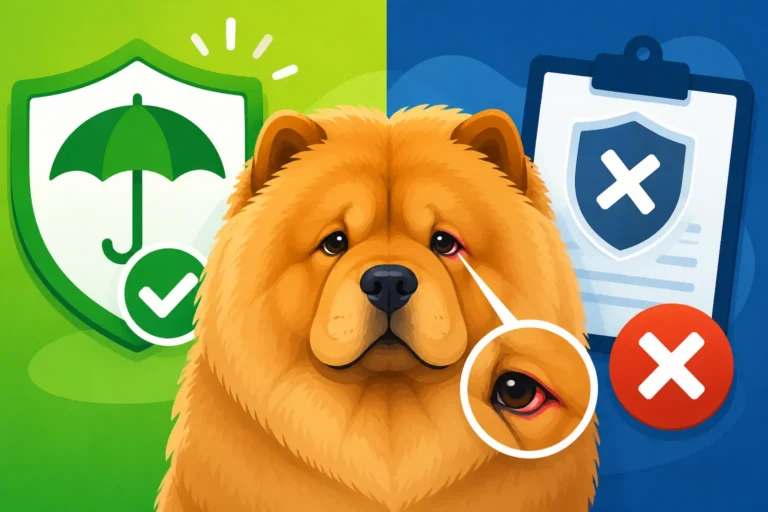
It's vital to enroll your Chow Chow in pet insurance before any signs of glaucoma appear, as the condition would be considered pre-existing if diagnosed prior to coverage, and typically would not be covered. Review policy details carefully, paying attention to waiting periods, deductibles, reimbursement percentages, and any per-incident or annual limits. While monthly premiums can seem like an added expense, for a breed like the Chow Chow with its predispositions to conditions like glaucoma or Entropion Is the Chow Chow's Signature Problem, pet insurance through providers such as Healthy Paws can provide immense peace of mind and ensure you can afford the best possible care for your beloved companion when they need it most.
Disclaimer
This article is intended for informational purposes only and is not a substitute for professional veterinary advice. Always consult with a qualified veterinarian or a board-certified veterinary ophthalmologist regarding any health concerns or before making any decisions about your Chow Chow's medical care.