What OFA Elbow Certification Costs a Chow Chow Breeder
Navigating the world of responsible dog breeding means understanding a host of crucial health tests, and for Chow Chow breeders, the cost of these certifications can sometimes feel like an overwhelming hurdle. It's not just about producing beautiful puppies; it's about ensuring their long-term health and the future of the breed, a commitment that comes with its own financial considerations. This guide aims to demystify what OFA (Orthopedic Foundation for Animals) elbow certification entails for a Chow Chow breeder, shedding light on the expenses involved and why this vital investment pays dividends in healthy, happy dogs.
Understanding Elbow Dysplasia and OFA Certification in Chow Chows
Elbow dysplasia is a complex and often debilitating condition that can significantly impact a Chow Chow's quality of life. For responsible breeders, understanding this condition and the rigorous testing involved is paramount to producing healthy, sound puppies.
What is Elbow Dysplasia in Chow Chows?
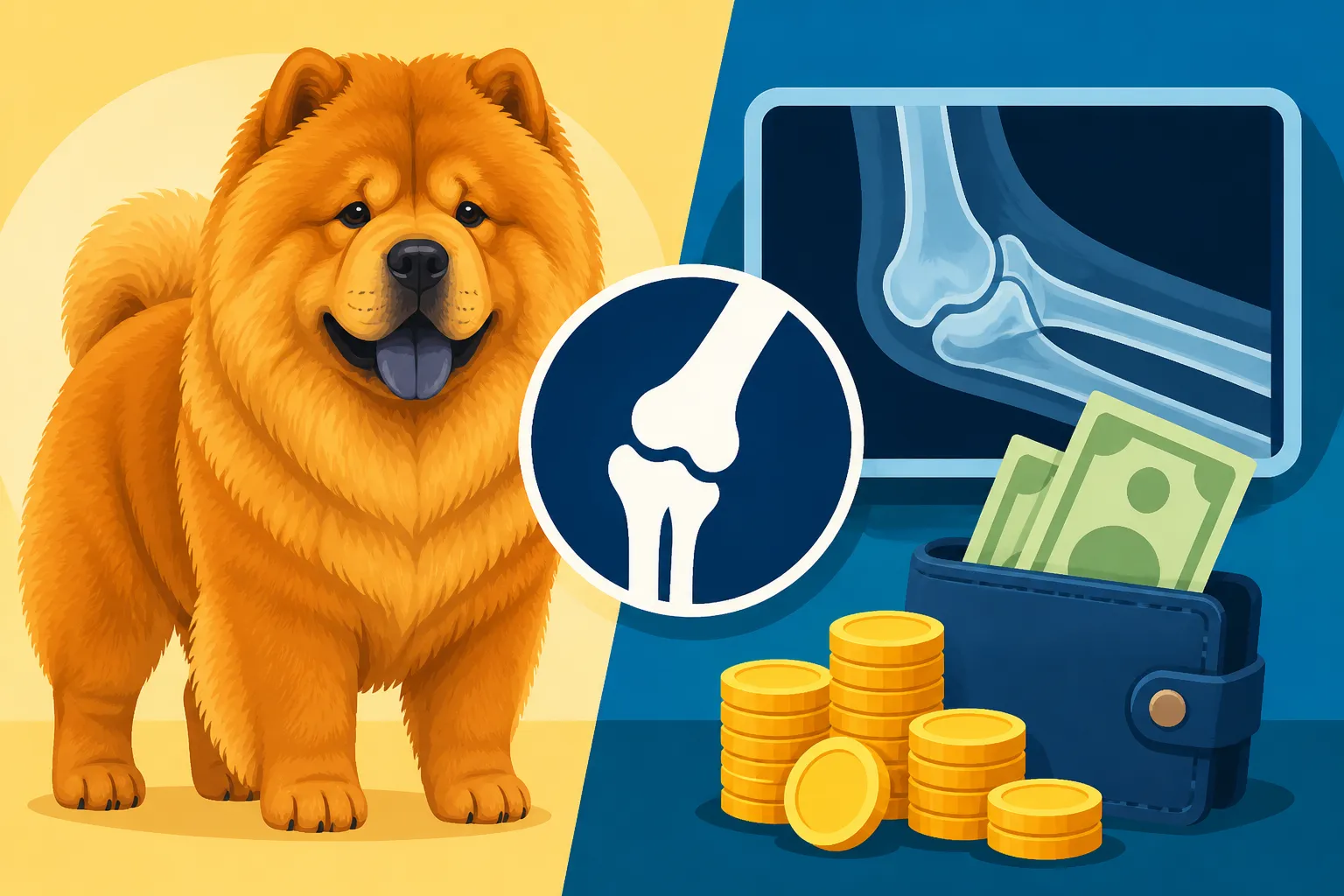
Elbow dysplasia isn't a single disease, but rather a catch-all term for several developmental abnormalities that can occur in a dog's elbow joint. In Chow Chows, like many larger, faster-growing breeds, these issues can manifest as ununited anconeal process (UAP), fragmented coronoid process (FCP), osteochondrosis dissecans (OCD), or incongruity of the joint. Essentially, the bones that form the elbow joint — the humerus, radius, and ulna — don't fit together perfectly or develop correctly, leading to instability, pain, and eventually arthritis.
Imagine trying to walk on a joint that doesn't quite connect properly; every step would cause friction and wear. For a Chow Chow, a breed known for its Why a Chow Chow Moves With a Stilted Gait and naturally more upright rear angulation, healthy joints are absolutely crucial. The pain can range from mild lameness that comes and goes to severe, chronic pain that makes even simple movements agonizing. Puppies can show signs as early as four to six months of age, or the problem might not become apparent until much later when arthritis sets in. What Elbow Dysplasia Does to a Chow Chow delves deeper into the specifics of this condition.
The Importance of OFA Elbow Certification for Breeders
This is where OFA certification steps in as a critical tool for ethical breeders. The Orthopedic Foundation for Animals is a non-profit organization that screens dogs for genetic diseases, including elbow dysplasia. Their certification provides a standardized, objective evaluation of a dog's elbow health. For Chow Chow breeders, certifying breeding stock through OFA is a tangible way to demonstrate a commitment to health and reduce the incidence of elbow dysplasia in future generations. It's not just a piece of paper; it's a statement about the breeder's dedication to the well-being of their dogs.
Without such testing, a breeder is essentially guessing about the joint health of their breeding animals, which can lead to heartbreaking outcomes for puppies and their new families. When you see a breeder proudly displaying OFA certifications, it means they've taken proactive steps to evaluate their dogs. This process is about gathering information to make the best possible breeding decisions, aiming to improve the health of the entire breed. The goal is to move away from simply treating the symptoms of conditions like What Elbow Dysplasia Does to a Chow Chow, and instead, breed them out of the population where possible.
Breaking Down the Direct Costs of OFA Elbow Certification
When a Chow Chow breeder decides to pursue OFA elbow certification for their dogs, they are looking at several distinct financial outlays. These aren't just "fees"; they represent the careful diagnostic work and the administrative process required to ensure a comprehensive evaluation.
The Veterinary Exam and Radiographs
The most substantial portion of the direct cost for OFA elbow certification comes from the veterinary clinic. This typically includes the initial consultation, the actual taking of radiographs (X-rays), and often, sedation or anesthesia for the dog.
For a Chow Chow, getting clear, diagnostic X-rays of the elbows can be quite a task. They aren't always thrilled about being positioned in specific ways, and the angles required for OFA submission need to be precise. This often means that sedation is not just recommended, but truly necessary. Sedating a Chow Chow isn't a minor undertaking; it requires careful monitoring by veterinary staff, and sometimes pre-sedative blood work to ensure the dog is healthy enough for the procedure. The cost of this sedation will vary depending on the Chow Chow's size and the specific medications used, and it's a non-negotiable part of the process for most clinics to get good quality images.
The X-ray itself involves several views of each elbow. The veterinary technician must ensure proper positioning, which takes skill and experience. The actual processing of these images, whether digital or traditional film, also factors into the clinic's charges. You're paying for their expertise, their equipment, and their time. These veterinary fees can represent a significant portion of the total cost per dog.
OFA Application Fees
Once the radiographs are taken, they are submitted to the Orthopedic Foundation for Animals for evaluation. This involves a separate fee paid directly to OFA. This fee covers the cost of expert veterinary radiologists reviewing the X-ray images. OFA has a panel of board-certified radiologists who independently assess the elbows for any signs of dysplasia. They then assign a grade, typically from Normal to various degrees of Dysplastic.
This application fee is standard across all breeds and isn't dependent on the size of your Chow Chow or the number of X-rays taken, as long as it's for one dog's elbow evaluation. It's a set administrative charge for their review service. While this fee is generally fixed, it's an essential part of the process, as it provides the impartial, expert assessment that gives the certification its value. Breeders often include this fee in their overall budget for health testing, alongside other important screens like those for What a Chow Chow Breeder Should Have Tested.
Potential Additional Costs
It's wise for breeders to budget for potential additional costs that might arise during the OFA certification process. Not every dog is straightforward, and unforeseen circumstances can add to the expense.
One common additional cost relates back to the sedation or anesthesia. Some Chow Chows may require more extensive sedation or even full general anesthesia, especially if they are particularly stressed or resistant to handling. This increases the monitoring and medication costs. Furthermore, if the initial radiographs are not deemed diagnostic by the OFA radiologists – perhaps due to poor positioning, motion blur, or incorrect exposure – the breeder may need to have the X-rays retaken. This means another veterinary visit, potentially more sedation, and additional X-ray charges. It's a frustrating but sometimes necessary step to ensure an accurate evaluation.
Another less common, but possible, additional cost might be if a specialized veterinary clinic, perhaps one offering advanced imaging techniques, is needed for a particularly challenging case or a second opinion. While most standard veterinary clinics can perform the necessary radiographs, a referral to a specialist could increase travel and consultation fees. These potential extra expenses underscore why a breeder's commitment to health testing is not just about a baseline fee but about an ongoing dedication. For those concerned about managing potential veterinary bills for their Chows, exploring options like pet insurance from providers such as Healthy Paws can be a smart move, though it primarily helps owners, not breeders, recoup costs for unexpected illnesses after certification.
The Broader Financial Picture for Responsible Chow Chow Breeders
The cost of OFA elbow certification isn't an isolated expense; it's one piece of a much larger financial puzzle for any breeder committed to the health and welfare of their Chow Chows. Ethical breeding is an investment, not a get-rich-quick scheme.
Other Essential Health Tests and Screenings
Beyond elbows, responsible Chow Chow breeders must conduct a range of other crucial health tests. These typically include OFA evaluations for hips (as Hip Dysplasia in a Chow Chow is another significant concern in the breed), patellas, and sometimes even thyroid. Additionally, eye certifications through the Canine Eye Registry Foundation (CERF), or more recently, the OFA Eye Certification Registry, are paramount to detect conditions like entropion or glaucoma. Why a Chow Chow's Deep Set Eye Causes Trouble explains why eye health is particularly important for this breed.
Each of these tests carries its own set of veterinary fees, application costs, and potential for sedation, accumulating quickly. For example, a breeder might need a specialized veterinary ophthalmologist to perform eye exams annually, adding to the recurring costs. Furthermore, there are often DNA tests for genetic conditions that might affect the breed, though for Chow Chows, the primary focus remains on orthopedic and ophthalmic health. These comprehensive screenings ensure that breeders are making informed decisions, minimizing the chances of passing on debilitating genetic traits.
General Costs of Maintaining Breeding Stock
Maintaining healthy, well-adjusted breeding dogs is an ongoing expense that far outweighs the specific costs of health testing. This includes high-quality nutrition, regular veterinary care, parasite prevention, and professional grooming. Brands like Chewy and Ollie provide access to premium dog foods and tailored meal plans that can contribute to the overall health of breeding Chows, helping to support strong bones and good body condition, which are critical for accurate health testing and successful breeding.
Consider the Chow Chow's dense double coat; keeping it in top condition requires diligent brushing and occasional professional grooming sessions, especially during their The Twice a Year a Chow Chow Blows Its Coat. These grooming costs, whether done at home with specialized tools or by a professional, add up. Beyond physical care, there's the cost of proper housing, enrichment, and socialization. Breeding dogs aren't just kennelled animals; they are beloved family members who need adequate space, training, and mental stimulation. This can include training classes, specialized equipment, and even just the daily time commitment from the breeder. All these factors contribute to the overall quality and health of the puppies produced.
The Lifetime Cost of a Responsible Breeding Program
When you factor in all the necessary health tests, the ongoing care for breeding adults, the costs associated with breeding itself (like stud fees, pre-breeding veterinary checks, whelping supplies, and puppy care), the financial commitment becomes substantial. It's a continuous cycle of investment aimed at producing dogs that are not only beautiful but also robust and free from preventable genetic health issues.
A breeder's initial investment in health testing like OFA elbow certification is a foundational step, but it’s part of a much broader, long-term financial plan. This commitment extends throughout the lives of their breeding animals and even to the puppies they produce, as many ethical breeders offer health guarantees that might cover unforeseen issues. This comprehensive approach is what truly distinguishes a responsible breeder from those simply looking to make a quick profit.
Why This Investment Matters: Beyond the Price Tag
While the costs associated with OFA elbow certification and other health screenings for Chow Chows might seem high, the value they bring to the breed, to individual dogs, and to their future owners is immeasurable. It's an investment in health, predictability, and peace of mind.
The Long-Term Health of the Breed
Every Chow Chow breeder who performs OFA elbow certification is contributing to a larger goal: improving the overall health and genetic soundness of the breed. By making informed breeding choices based on clear health data, breeders actively reduce the prevalence of debilitating conditions like elbow dysplasia within the Chow Chow gene pool. This isn't a quick fix; it's a generational effort. When breeders consistently choose to breed only OFA-certified dogs with good elbow scores, they're slowly, steadily raising the bar for the entire breed. This collective effort is crucial for addressing common issues like How Common Elbow Dysplasia Is in Chow Chows and ensuring that future Chow Chows live healthier, more comfortable lives. It’s a testament to the dedication of those who truly care about the breed's future.
Providing Assurance to Puppy Buyers
For prospective puppy buyers, seeing OFA certifications for the parents of a litter provides a profound sense of assurance. It means the breeder has gone the extra mile, taking tangible steps to minimize the risk of their puppy inheriting a painful, expensive, and potentially life-altering condition. When you bring home a Chow Chow puppy, you're not just getting a fluffy companion; you're often committing to a twelve-year journey. Knowing that the breeder has invested in health testing can significantly reduce the emotional and financial burden of dealing with severe genetic health problems down the road. This transparency builds trust and helps buyers make an informed decision, understanding that they are supporting ethical breeding practices. It's a clear signal that the breeder prioritizes the puppies' well-being over profit. For a deeper dive into vetting breeders, consider reading Which Health Tests a Chow Chow Breeder Should Run.
Reduced Veterinary Costs Over a Dog's Lifetime
While health testing has an upfront cost, it can indirectly lead to reduced veterinary expenses for the puppy owner over the dog's lifetime. A puppy from OFA-certified parents has a statistically lower risk of developing severe elbow dysplasia, which can be incredibly costly to treat. Treatments for elbow dysplasia can range from lifelong pain management with medications and supplements to complex surgeries, physical therapy, and even joint replacement. These interventions can accumulate to significant sums. What Elbow Surgery Costs on a Chow Chow can give you an idea of the potential financial burden if a puppy develops severe elbow issues.
By choosing a puppy from certified parents, owners are making a proactive choice to mitigate these risks. While no genetic test guarantees a completely problem-free dog (life with animals always has its surprises!), OFA certification is one of the most powerful tools available to reduce the likelihood of these specific orthopedic issues. It transforms what might feel like a breeder's additional cost into a long-term saving and improved quality of life for the eventual puppy owner.
Cost Comparison: Breeder Health Testing vs. Potential Owner Expenses
Here's a simplified look at the financial journey related to elbow health in a Chow Chow, highlighting why a breeder's upfront investment is so critical:
| Cost Type | Breeder's Investment (Approximate Shape) | Owner's Potential Expense (Approximate Shape, if issue arises) |
|---|---|---|
| OFA Elbow Certification | Significant, covering vet exam, radiographs, sedation, OFA application fee. | None (if breeder tests) |
| Diagnosis of Dysplasia | None (goal is to prevent breeding affected dogs). | Significant: specialized vet consultations, advanced imaging (CT/MRI), sedation for diagnosis. |
| Treatment (Non-Surgical) | None | Moderate to High (lifelong): ongoing medications, joint supplements, physical therapy, regular vet check-ups. |
| Treatment (Surgical) | None | Very High: specialized orthopedic surgery (potentially multiple procedures), post-operative care, rehabilitation. |
| Quality of Life Impact | Positive: Ensures healthy breeding stock, contributes to breed health. | Negative: Chronic pain, lameness, reduced activity, significant impact on dog's well-being and owner's emotional state. |
This table clearly illustrates how a breeder's investment in health certifications, while a notable expense for them, can prevent far greater financial and emotional burdens for puppy owners down the line.
Disclaimer
This article is for general informational purposes only and does not constitute professional advice. Laws, prices and regulations vary by location and change over time. Consult a qualified professional for guidance on your specific situation.