Why Early Socialization Decides What a Chow Chow Becomes
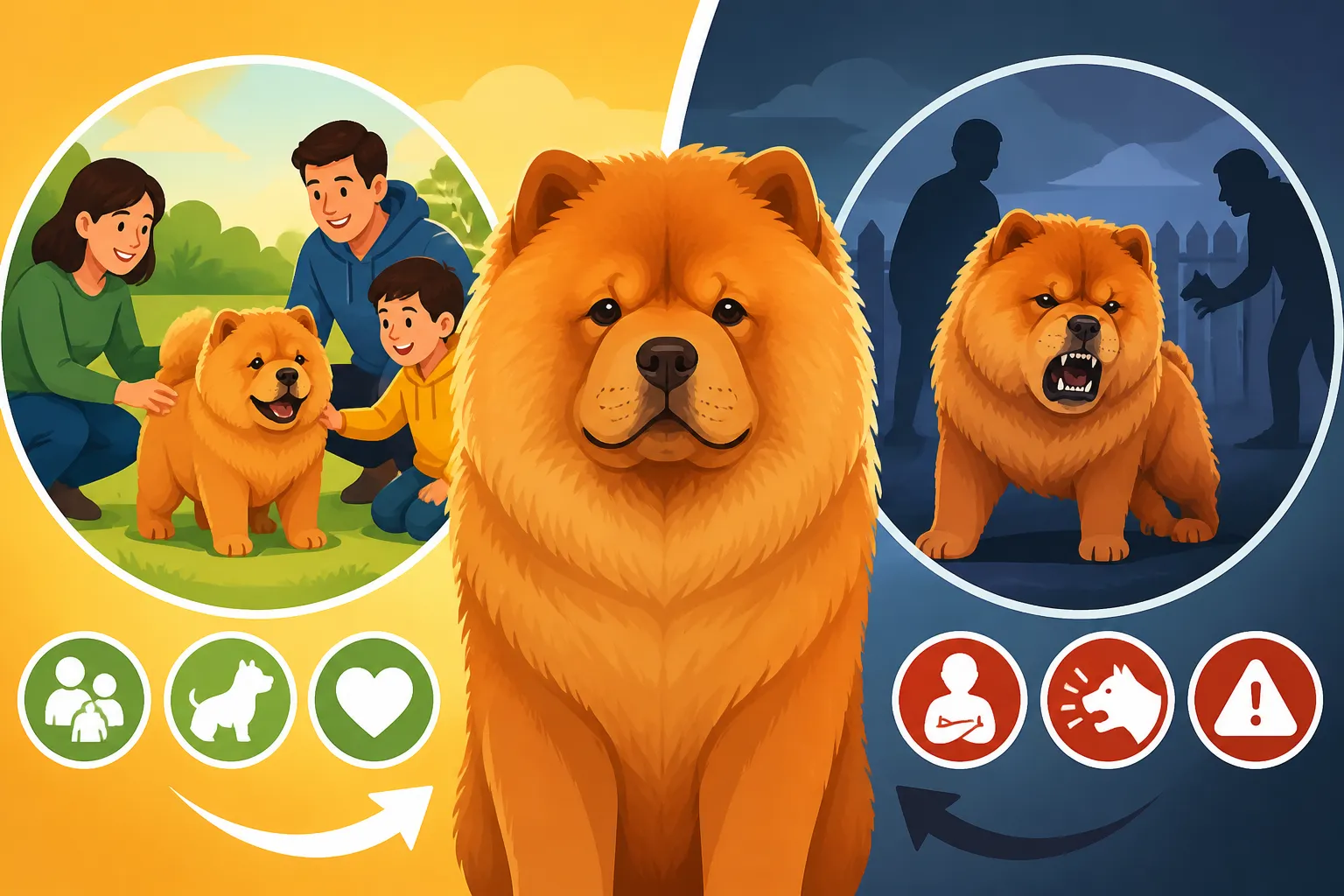
It’s a common frustration among Chow Chow owners, or those considering bringing one into their home, that these magnificent dogs are often unfairly labeled as aggressive, stubborn, or simply too aloof to truly bond. The truth is, while Chow Chows certainly possess a distinctive personality and a strong sense of independence, their future temperament and their ability to navigate the world comfortably are profoundly shaped by their early experiences. This guide will delve into why early socialization is not just beneficial, but absolutely critical, in helping your Chow Chow develop into a well-adjusted, confident, and loving companion.
Understanding the Chow Chow's Innate Temperament
Before we even talk about socialization, it's vital to grasp the natural tendencies that make a Chow Chow unique. These are not Golden Retrievers or Labradors, eager to please and make friends with every passing stranger. Understanding their inherent traits helps you tailor your socialization efforts to work with their nature, rather than against it.
The Independent and Dignified Nature
Chow Chows are often described as "cat-like" in their independence, and honestly, that’s not far off the mark for many of them. They are not typically a breed that thrives on constant attention or being a "velcro dog," following you from room to room. This doesn't mean they don't love you deeply; their affection is often expressed in a more subtle, dignified way. They bond fiercely and exclusively with their chosen person or family, but outside of that inner circle, they tend to be reserved. This reserve can easily be misinterpreted as unfriendliness or even aggression by those unfamiliar with the breed. Without early, positive introductions to a wide variety of people, places, and situations, this natural wariness can solidify into genuine fear or reactivity, making life incredibly challenging for both dog and owner. It's not that they are born unfriendly, but rather that they are born discerning, and it's our job to help them discern safely and confidently. You might be interested in reading more about How Aloof a Chow Chow Really Is.
Guarding Instincts and Territoriality
Let's be frank: Chow Chows were originally bred for tasks like guarding property and hunting, which instilled in them strong protective instincts. They tend to be highly territorial and naturally wary of strangers approaching their home or their people. While this makes them excellent natural watchdogs, it also means that without careful guidance, these instincts can become problematic in a modern household setting. A Chow Chow that hasn't been properly socialized may view every visitor as a threat, every new sound as an intrusion, and every dog passing by the fence as an enemy. This isn't about aggression for aggression's sake; it's about a dog acting on deeply ingrained protective urges that haven't been taught appropriate boundaries. The goal of socialization isn't to remove these instincts entirely – that would be impossible and undesirable – but to teach your Chow how to differentiate between a genuine threat and a benign new experience, and to respond appropriately.
Limited Peripheral Vision and Startle Reflex
One crucial physical trait of the Chow Chow that significantly impacts their behavior, especially during socialization, is their deep-set eyes and the characteristic "scowl" created by their facial structure. This can limit their peripheral vision. Imagine walking around with blinkers on – you wouldn't see things approaching from the side or behind, right? For a Chow Chow, this means they can easily be startled if approached unexpectedly from the side or rear. A sudden touch or sound that they couldn't see coming can provoke a sharp, defensive reaction. This isn't malice; it's a natural startle response. During socialization, understanding this physical limitation is paramount. It means teaching people how to approach your Chow safely and always being aware of your dog's surroundings to prevent unexpected surprises. This isn't just about training your dog, but also educating everyone who interacts with them. This unique physical trait is detailed further in Why a Chow Chow's Deep Set Eye Causes Trouble.
The Critical Socialization Window for Chow Chow Puppies
The concept of a "socialization window" is talked about a lot in dog training, and for good reason. For Chow Chows, understanding and maximizing this window is perhaps even more crucial than for many other breeds due to their natural reserve. This isn't just about playing with other puppies; it's about building a foundation of confidence and resilience.
The First Few Weeks: 3 to 16 Weeks
The prime socialization window for all puppies generally falls between 3 and 16 weeks of age. For a Chow Chow, this period is absolutely non-negotiable for shaping their future temperament. During these weeks, a puppy's brain is like a sponge, soaking up every new sight, sound, smell, person, and experience, forming fundamental impressions of the world. Positive experiences during this time help build confidence and a sense of safety, while negative or absent experiences can lead to lifelong fear, anxiety, or reactivity. This is why a reputable breeder will already be starting gentle socialization before you even bring your puppy home. They should be exposing puppies to various noises, textures, and careful handling.
For you, as the new owner, the moment your Chow Chow puppy arrives home, the clock starts ticking. Every positive interaction you facilitate during these early weeks contributes to a more stable, confident adult dog. This doesn't mean overwhelming your puppy; it means carefully curating positive, brief, and controlled exposures. Think of it as laying down neurological pathways for acceptance rather than fear. You'll find more insights into this vital period in The Weeks That Matter Most for a Chow Chow Puppy.
Beyond the Window: Managing Adolescent Fears
While the critical window closes around 16 weeks, socialization doesn't suddenly stop. What does happen, however, is that experiences become harder to integrate as universally positive if the initial groundwork wasn't laid. Adolescence, typically from about 6 months to 2 years, can bring about "fear periods" where a dog might suddenly become wary of things they previously ignored. This is a normal developmental stage, but if your Chow Chow missed out on crucial early socialization, these fear periods can be much more intense and prolonged.
For an adolescent Chow Chow, managing these fears requires patience, positive reinforcement, and sometimes, the help of a professional trainer. It’s about building new positive associations with existing scary things, which is a much slower process than simply exposing a young puppy to novelties. Don't be discouraged if your older puppy seems to regress; it's a sign that you need to re-evaluate and reinforce those early positive experiences. Consistency and understanding during this phase are key to preventing a temporary wobble from becoming a permanent behavior issue.
What "Socialization" Really Means for a Chow Chow
When people hear "socialization," they often picture their puppy frolicking excitedly with every dog and person they meet. For a Chow Chow, this image needs a significant adjustment. True socialization for this breed isn't about forcing them to be gregarious; it's about teaching them to be comfortable and calm in the presence of various stimuli, even if they're not actively engaging with them. It's about neutrality, not necessarily exuberant friendliness.
Exposure to Diverse Sights and Sounds
Real socialization means exposing your Chow Chow puppy to a vast array of everyday sights and sounds in a way that creates positive associations. This includes everything from the mundane to the slightly unusual. Think about the sounds of traffic, children playing, lawnmowers, vacuum cleaners, construction noises, sirens, and thunder. For sights, consider people in hats, people with umbrellas, people on bikes, people with strollers, people of different ethnicities, heights, and ages, wheelchairs, and even other animals like cats or squirrels (from a safe distance, of course).
The key here is positive association. Every time your Chow encounters a new sight or sound, pair it with something wonderful – a high-value treat, a favorite toy, or gentle praise. The goal is for them to learn that "new thing equals good thing." You can find CDs or online resources with various sounds to play at home, starting at a low volume and gradually increasing it, always pairing it with a delicious snack. Products available on platforms like Amazon can be a great resource for desensitization sounds or special treats for these sessions. This methodical exposure helps them develop a robust and unflappable temperament, rather than being startled or fearful of novel experiences.
Controlled Interactions with People and Dogs
This is where the Chow Chow's unique personality really comes into play. Unlike many breeds, a Chow Chow doesn't necessarily need to physically interact with every person or dog they meet. In fact, forcing interactions can often be counterproductive and lead to stress or defensiveness. For a Chow, a successful interaction might simply mean being able to calmly observe a stranger walk by without barking or lunging, or sitting politely while another dog passes on the street.
When it comes to people, invite a variety of friends and family over, but always brief them beforehand. Teach them to approach your Chow calmly, let the dog initiate contact if they choose, and offer treats gently. Avoid hovering, sudden movements, or trying to force petting. For other dogs, controlled, positive interactions with known, calm, and vaccinated dogs are invaluable. Puppy classes, especially those focused on controlled play and observation, can be excellent. Ensure these interactions are brief and positive, ending before either dog becomes overwhelmed. The emphasis is on quality and safety over quantity. For more on canine interactions, consider How a Chow Chow Gets Along With Other Dogs.
Strategies for Effective Puppy Socialization
Now that we know what socialization means, let's talk about the practical how. Effective socialization for a Chow Chow puppy is a carefully orchestrated process, focusing on positive reinforcement and building confidence. It’s about creating a rich tapestry of positive experiences, not just a few hurried trips to the park.
Puppy Socialization Classes and Controlled Environments
Enrolling your Chow Chow puppy in a well-run puppy socialization class is one of the best investments you can make. Look for classes that prioritize safety, cleanliness (especially before full vaccination), and positive reinforcement. A good class will offer structured playtime with other puppies of similar size and temperament, allowing them to learn appropriate canine body language. Crucially, it will also expose them to new people, handlers, and a novel environment, all under the watchful eye of experienced trainers. This is a safe space for your Chow to learn to be comfortable around other dogs and people without being overwhelmed.
Beyond formal classes, seek out other controlled environments. This could be a friend's quiet backyard with their calm, vaccinated dog, or a pet-friendly store during off-peak hours where your puppy can observe the world without direct pressure to interact. Always keep a pocket full of high-value treats and reward your puppy for calm behavior, even if it's just lying quietly and watching the world go by. Remember, it's about building positive associations with new places and beings. You might find a good program, like those offered by BAXTER & Bella, which provides online resources and guidance for puppy raising and socialization, which can be invaluable, especially for a breed like the Chow Chow. For details on how puppy classes specifically benefit your breed, check out Whether Puppy Class Suits a Chow Chow.
Leash Walking and Public Outings
As soon as your Chow Chow puppy is fully vaccinated and your vet gives the green light, regular outings on a leash become a vital part of socialization. Start with short, positive walks in quiet areas, gradually introducing them to more stimulating environments. The goal isn't to walk miles, but to expose them to new sights, sounds, and smells of the neighborhood. Pavements, grass, busy corners, quiet parks – each offers a different sensory experience.
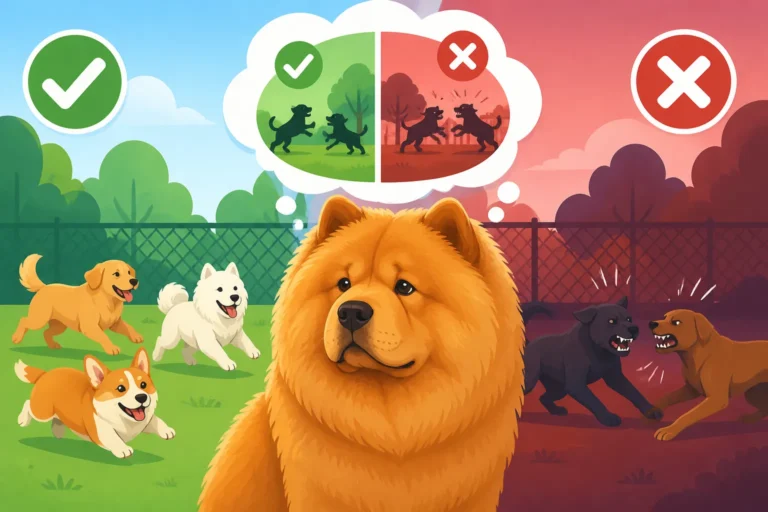
When out in public, remember the "treat every new thing" rule. A passing car? Treat! A jogger? Treat! A child laughing? Treat! This proactive approach helps your Chow associate the outside world with positive outcomes. Avoid dog parks, especially until your Chow is much older and has excellent recall and social manners. The unpredictable nature of dog parks can be overwhelming and even traumatic for a reserved breed like the Chow Chow, potentially undoing all your hard work. Focus on controlled exposures where you can manage the interaction and ensure it's a positive one. A comfortable harness and leash, easily found on Amazon, are crucial for these outings, ensuring your puppy's comfort and your control.
Positive Handling and Grooming Practice
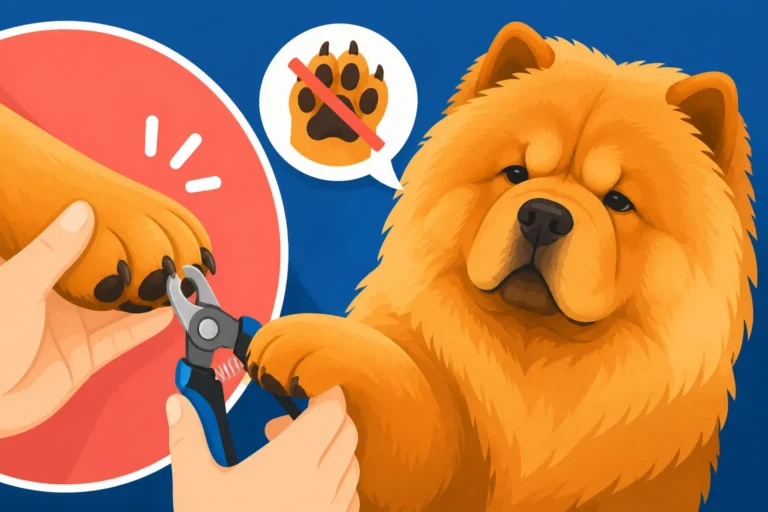
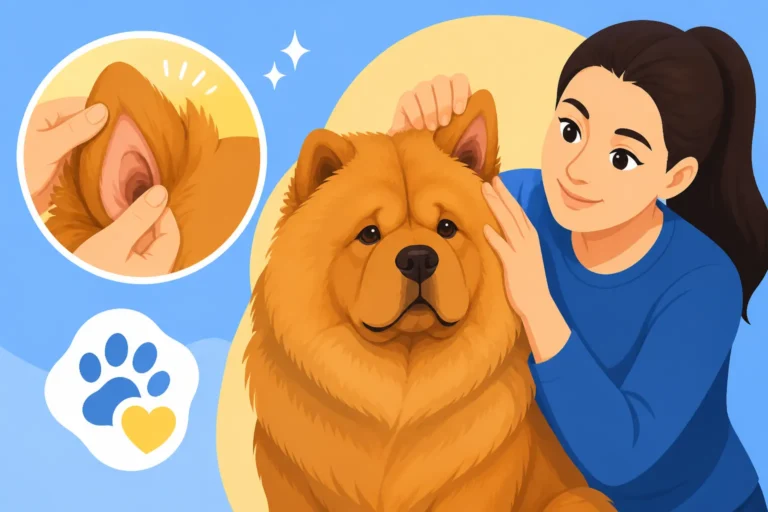
Chow Chows require a significant amount of grooming due to their dense double coat. From puppyhood, introduce positive handling exercises. This means gently touching their paws, ears, tail, and mouth, always pairing it with lavish praise and high-value treats. Make it a game, not a chore. This will not only make future grooming sessions easier but also help your Chow accept veterinary examinations and other necessary handling without stress.
Start with short sessions, just a minute or two, and gradually increase the duration. Use a soft brush for their coat, and let them chew on a high-value treat while you gently brush. If your Chow shows any signs of discomfort, stop immediately and try again later with even more positive reinforcement. A high velocity dryer can be introduced early on in short bursts, again, paired with treats, to desensitize them to the noise and sensation for future bathing and drying sessions. Remember, a Chow Chow who tolerates being handled is a safer and happier Chow Chow. Learning to accept grooming is such a big deal for them, as explored in Teaching a Chow Chow to Be Brushed.
Socializing an Adult or Rescue Chow Chow
It's a misconception that you can't socialize an adult dog, especially a Chow Chow. While the critical puppy window is over, you absolutely can help an older Chow become more comfortable and confident in the world. It just requires more patience, a different approach, and realistic expectations.
Understanding Their Background and Fears
When you bring home an adult Chow Chow, particularly from a rescue or shelter, their history is often unknown. They might have experienced neglect, abuse, or simply a lack of early socialization. This can manifest as fear, anxiety, or reactivity towards specific triggers – men, children, other dogs, loud noises, or certain environments. Your first step is to become a detective: observe your Chow carefully in different situations. What makes them nervous? What makes them happy? What causes a defensive reaction?
Understanding their fears is paramount. Forcing an adult Chow into situations they find terrifying will only worsen their anxiety and erode trust. Instead, identify their comfort zone and work gradually outwards. Acknowledge that their past experiences, or lack thereof, have shaped who they are today, and approach them with empathy and a commitment to helping them overcome these hurdles at their own pace. A good rescue organization will often provide insights into the dog's known history and behaviors. Consider adopting from specialized Chow Chow rescues who understand the breed's needs.
Desensitization and Counter-Conditioning
For an adult Chow Chow with existing fears or anxieties, the primary tools for socialization are desensitization and counter-conditioning.
- Desensitization: This involves gradually exposing your Chow to their trigger at such a low intensity that they don't react negatively. For example, if they're afraid of strangers, start by having a stranger stand far away, barely visible, while you feed your Chow high-value treats. Over many sessions, slowly decrease the distance as long as your Chow remains calm and takes treats happily. The goal is to keep them under their "threshold" – the point at which they react fearfully.
- Counter-Conditioning: This means changing your Chow's emotional response to a trigger from negative to positive. Every time they see the trigger (even from a distance), they get something fantastic. So, if they see another dog, they get a piece of cooked chicken. The dog becomes a predictor of delicious food, not something to be feared.
This process is slow and requires consistency. It's about changing deeply ingrained emotional responses, not just behavior. Never punish fear or aggression, as this will only suppress the outward signs while increasing internal anxiety, making the situation more dangerous. For insights into managing wary behavior, look at Signs a Chow Chow Puppy Is Already Wary.
Managing Interactions and Environment
With an adult Chow Chow, proactive management is key. This means controlling their environment to prevent them from being put in situations where they might feel overwhelmed or react defensively. For a territorial Chow, managing the front door can be a big one. Teaching them to go to a mat or a crate when visitors arrive can create a calm routine. Whether a Chow Chow Should Be Crated for Visitors provides more details on this.
When out on walks, be vigilant for triggers. If your Chow reacts to other dogs, cross the street or create distance before they hit their threshold. You might also consider using a head halter or a well-fitting muzzle during walks, not as punishment, but as a safety tool and a way to signal to others that your dog needs space. Muzzle training, done positively, can be an incredibly empowering tool for a dog who feels overwhelmed in public. Always advocate for your Chow, even if it means politely telling well-meaning strangers not to approach or pet your dog. Their comfort and safety are your top priority.
Common Socialization Mistakes to Avoid
Even with the best intentions, it's easy to make missteps during socialization, especially with a breed as particular as the Chow Chow. Being aware of these common pitfalls can help you navigate the process more effectively and avoid undoing your hard work.
Overwhelming the Puppy or Dog
One of the biggest mistakes is thinking "more is better" when it comes to socialization. Forcing a Chow Chow puppy into overwhelming situations – like a crowded dog park or a busy street festival – can be traumatizing rather than beneficial. Instead of learning to be comfortable, they learn that new things are scary, unpredictable, and potentially dangerous. This is especially true for a breed already prone to reserve and wariness.
Signs of an overwhelmed Chow Chow include tucked tail, flattened ears, trying to hide behind you, excessive panting, yawning, lip licking, freezing, or even growling/snapping. If you see these signs, you've gone too far, too fast. Immediately remove your dog from the situation and try again later with a less intense exposure. Remember, positive and brief exposures are far more effective than long, stressful ones. Always aim for your Chow to remain relaxed and happy, even if that means they only observe from a distance.
Using Harsh Corrections or Punishment
Chow Chows are not a breed that responds well to harsh corrections or punishment. In fact, doing so can completely backfire, leading to a breakdown of trust, increased fear, and potentially defensive aggression. They are sensitive, intelligent dogs who learn by forming associations, and if those associations are negative or painful, they will shut down or become reactive. A Chow Chow will rarely "submit" to a heavy hand; they will more likely resent it.
Instead, focus entirely on positive reinforcement. Reward the behaviors you want to see (calmness, looking at you, disengaging from a trigger) with high-value treats, praise, and gentle affection. If your Chow behaves in a way you don't like, redirect their attention, remove them from the situation, or simply manage the environment better next time. Building a strong, positive relationship based on trust is the foundation of all effective training and socialization for a Chow Chow. You can learn more about this in Why Harsh Correction Backfires on a Chow Chow.
Neglecting Grooming and Handling Desensitization
It might seem separate from "socialization," but teaching your Chow Chow to accept handling and grooming is a crucial part of making them a well-adjusted member of society. As mentioned before, their dense coats require regular care. If your Chow isn't comfortable being brushed, having their paws touched, or tolerating a dryer, every grooming session will be a battle, causing stress for both of you.
More importantly, a dog that resists handling is a danger to themselves and others at the vet, groomer, or in an emergency. Imagine trying to treat an injury on a dog that snaps if you touch its paw. Start early, make it fun, and be consistent. If you struggle, seek guidance from a professional groomer or trainer who understands positive reinforcement techniques for handling. Some groomers even offer "happy visits" for puppies, allowing them to experience the salon environment in a low-stress way, simply getting treats and praise without full grooming.
| Socialization Activity | What to Do | What to Avoid | Why It Matters for a Chow Chow |
|---|---|---|---|
| People | Invite diverse, calm friends/family; brief them on approach; offer treats | Overwhelming crowds; forcing interactions; strangers petting without consent | Builds neutrality & trust; manages natural wariness & limited vision |
| Dogs | Puppy classes with structured play; controlled playdates with known, calm dogs | Dog parks; unpredictable off-leash encounters | Teaches appropriate canine manners; prevents fear/reactivity |
| Sounds | Play desensitization CDs (traffic, storms); expose to household noises (vacuum) | Sudden, loud, unexpected noises without positive association | Builds resilience to common stressors; prevents startle responses |
| Sights | Walks in varied environments (city, park, residential); exposure to different objects (strollers, bikes) | High-traffic, chaotic environments before they're ready | Expands comfort zone; reduces novelty-induced fear |
| Handling | Daily gentle touching of paws, ears, tail; practice brushing & nail trims with treats | Forcing uncomfortable procedures; punishment for resistance | Critical for vet visits & grooming; builds trust & cooperation |
| Environments | Pet-friendly stores (quiet times); car rides to fun places; visit friend's homes | Overly stimulating or scary places; leaving alone in new places | Develops adaptability & confidence in diverse settings |
The Lifelong Benefits of Good Socialization
Investing time and effort into your Chow Chow's early socialization pays dividends throughout their entire life. It transforms a potentially challenging breed into a truly wonderful companion, making daily life easier and more enjoyable for everyone involved.
A Confident, Resilient Companion
A well-socialized Chow Chow is a confident Chow Chow. Instead of reacting with fear or defensiveness to new situations, they approach the world with curiosity and a calm demeanor. They understand that while novelty exists, it isn't inherently threatening. This resilience means they are better equipped to handle everyday stressors – a sudden loud noise, a new person at the door, a trip to the vet, or even changes in your routine.
Imagine taking your Chow Chow on a patio at a dog-friendly cafe; a well-socialized Chow might simply lie calmly under the table, observing the world around them, rather than barking at every passerby or becoming anxious. This confidence translates into a happier, less stressed dog, and a more peaceful home environment for you. They learn to trust your judgment and look to you for guidance, rather than relying on reactive instincts.
A Safer and More Enjoyable Life for Everyone
Ultimately, a well-socialized Chow Chow is a safer Chow Chow. Their early experiences teach them appropriate boundaries, how to interact (or not interact) with the world, and how to control their natural instincts. This significantly reduces the risk of fear-based aggression or reactivity towards strangers, children, or other animals. You can relax more, knowing that your Chow has the tools to cope with various situations without resorting to defensive behaviors.
Furthermore, a well-socialized Chow Chow is simply more enjoyable to live with. Trips to the vet are less stressful, grooming appointments are smoother, and having guests over is a pleasure, not a source of anxiety. You can include your Chow in more aspects of your life, from neighborhood walks to quiet outings, knowing they will be a dignified and calm presence. It's about opening up a world of possibilities for both you and your unique companion.
When to Seek Professional Help
Even with the best intentions and diligent effort, there might be times when you feel overwhelmed or when your Chow Chow's behavior is beyond your ability to manage. Knowing when to call in a professional is not a sign of failure, but a responsible and proactive choice that can make all the difference.
Recognizing Warning Signs
Sometimes, despite your best socialization efforts, a Chow Chow might exhibit behaviors that indicate deeper underlying fear or aggression. These could include:
- Persistent growling, snapping, or lunging at people or other dogs, even after repeated positive exposures.
- Extreme fear or panic in new situations, leading to shaking, hiding, or uncontrollable elimination.
- Resource guarding (food, toys, space, people) that escalates to aggression.
- Excessive barking or destructive behavior driven by anxiety or fear when left alone.
- Inability to be handled for basic care like vet visits or grooming, leading to aggression or extreme stress.
If you observe any of these behaviors, especially if they are intensifying or appearing unexpectedly, it's a clear signal that you need professional intervention. Don't wait for the problem to escalate, as addressing it early almost always leads to better outcomes. These are not signs of a "bad dog," but rather a dog who is struggling and needs skilled help.
Finding a Qualified Professional Trainer or Behaviorist
Finding the right professional for a Chow Chow is crucial. Look for someone who is:
- Certified and experienced: Seek out trainers or behaviorists with certifications from reputable organizations (e.g., CCPDT, KPA, IAABC). This indicates a commitment to professional standards and ongoing education.
- Uses positive reinforcement methods: This is non-negotiable for Chow Chows. Avoid anyone who suggests harsh punishment, "alpha rolls," "pack leader" theories, or uses tools like choke chains, prong collars, or e-collars. These methods are detrimental to a Chow's trust and can exacerbate fear and aggression. Whether a Chow Chow Needs a Professional Trainer is a good resource here.
- Has experience with Chow Chows or similar independent, protective breeds: A trainer who understands the nuances of the breed's temperament will be much more effective than one who treats all dogs the same.
- Focuses on practical, real-world solutions: They should provide you with actionable strategies and teach you how to read your dog's body language and manage situations effectively.
A professional can help diagnose the root cause of your Chow Chow's behavior, develop a tailored training plan, and teach you the skills to help your dog thrive. Sometimes, a veterinary behaviorist, who is a veterinarian with specialized training in behavior, may be necessary, especially if medication is considered to help manage extreme anxiety or fear in conjunction with behavior modification. Remember, you're not alone in this journey, and seeking help is a sign of true dedication to your Chow Chow's well-being.
Disclaimer
This article is for general informational purposes only and does not constitute professional advice. Laws, prices and regulations vary by location and change over time. Consult a qualified professional for guidance on your specific situation.