Whether a Chow Chow’s Ear Hair Needs Trimming
It’s a common dilemma for Chow Chow guardians: with all that glorious, thick fur, what exactly do you do about the hair inside and around their ears? Many new owners feel completely overwhelmed by the sheer volume of coat, and the ears can be a particularly tricky and sensitive area. This guide is here to help you understand the nuances of Chow Chow ear hair and whether trimming it is truly necessary or potentially harmful.
Understanding the Chow Chow's Unique Ear Structure
Chow Chows are known for their distinctive appearance, and their ears are no exception. Unlike many breeds with floppy ears, Chow Chows boast small, erect, and rounded ears that sit high on their broad heads. But it's not just their shape that's unique; the density of the fur around and even within the ear canal can be a point of confusion for many owners.
The Unique Structure of a Chow Chow's Ear
Imagine a furry little sentinel perched atop your Chow's head – that's often what their ears resemble. These small, triangular ears are typically covered in very thick, dense fur, especially in a rough-coated Chow Chow, often blending seamlessly with the impressive ruff around their neck. This dense fur isn't just external; it extends into the opening of the ear canal. This internal hair, combined with the natural structure of the ear canal itself, can sometimes create a snug environment. The ear canal in dogs, including Chow Chows, is L-shaped, making it harder for debris or moisture to escape naturally. While the erect nature of their ears does allow for better airflow compared to a floppy-eared breed, the sheer volume of hair can sometimes counteract this benefit. Owners often worry that this hair traps moisture, dirt, or wax, leading to problems.
The Purpose of Ear Hair in Dogs
You might wonder why nature would equip a dog with so much ear hair if it could potentially cause issues. Generally, ear hair serves as a natural defense mechanism. Think of it as a first line of defense, much like eyelashes or nose hairs for humans. It helps to trap dust, dirt, small insects, and other foreign particles, preventing them from traveling deeper into the delicate ear canal. This is especially true for the hair that grows just inside the ear opening.
For a breed like the Chow Chow, with its robust double coat What a Chow Chow's Double Coat Is Made Of designed for protection against harsh climates, this dense ear hair is an extension of that natural insulation and defense. It offers a degree of protection against cold and also helps to shield the sensitive inner ear from environmental irritants. While some breeds, particularly those with very fine hair or skin allergies, might experience issues with excessive ear hair, for many dogs, it's a beneficial part of their anatomy. The challenge with a Chow Chow sometimes lies in balancing this natural protection with preventing potential problems associated with excessive build-up.
The Great Debate: To Trim or Not To Trim?
When it comes to ear hair, you'll hear a lot of differing opinions, from "never touch it!" to "always pluck it for hygiene." It's enough to make any conscientious Chow Chow owner feel lost. The truth, as with most things in dog care, isn't always black and white and often depends on the individual dog and veterinary advice.
Arguments Against Routine Ear Hair Trimming or Plucking
Many veterinarians and experienced groomers strongly advise against routine ear hair trimming or plucking for most dogs, and this recommendation holds significant weight for Chow Chows. The primary concern is the potential for irritation and infection. When hair is plucked, it leaves tiny open follicles. These follicles can become inflamed, leading to folliculitis, or worse, can become breeding grounds for bacteria or yeast. The very act of plucking can be painful for the dog, making future ear examinations or cleanings a stressful ordeal, especially for a breed that can already be quite particular about handling. Why a Chow Chow Is Hard to Examine at the Vet.
Furthermore, for many dogs, including Chows, the hair itself is not the problem. If a dog has healthy ears with good airflow and minimal wax production, removing the hair that acts as a natural filter can actually increase the likelihood of foreign bodies entering the canal. Instead of preventing issues, it might introduce new ones. Unless there's a specific, diagnosed medical reason, disturbing this natural barrier can do more harm than good.
When Trimming Might Be Considered (Under Veterinary Guidance)
Despite the general recommendation against routine trimming, there are specific, medically-driven instances where a veterinarian might suggest it. This is typically reserved for Chow Chows suffering from chronic, recurring ear infections that have been clearly linked to excessive hair trapping moisture or preventing medication from reaching the affected area. For example, if your Chow Chow consistently develops yeast infections deep in the canal, and your vet has exhausted other treatments, they might suggest selective trimming or plucking to improve airflow and allow topical medications to work more effectively.
Another scenario could be truly excessive wax buildup that gets heavily entangled with the hair, creating stubborn plugs despite diligent cleaning. In these cases, the goal is not aesthetic but therapeutic. It's crucial that this decision is made by your veterinarian, who can assess the specific ear health of your Chow Chow and determine if the potential benefits outweigh the risks. They might even perform the procedure themselves or recommend a professional groomer experienced in such delicate work. Never attempt to pluck deep ear hair on your own, as you could easily injure your dog's ear canal.
Safe Practices for Chow Chow Ear Care
Given the sensitivities and potential pitfalls, what can and should you do to keep your Chow Chow's ears healthy? The answer lies in consistent, gentle inspection and cleaning, and knowing when to call in the professionals.
Regular Inspection and Cleaning
The absolute cornerstone of Chow Chow ear health is regular inspection and gentle cleaning of the outer ear and visible parts of the canal. You should aim for a quick visual check daily, especially after walks or outdoor play, and a more thorough inspection at least once a week. What are you looking for?
- Redness or Inflammation: The skin inside the ear flap should be a healthy, light pink.
- Odor: Healthy ears have little to no smell. A foul, yeasty, or sweet odor can indicate infection.
- Discharge: A small amount of light brown wax is normal. Dark brown, black, green, or excessive yellow discharge is a red flag.
- Scratching or Head Shaking: If your Chow is constantly scratching their ears, rubbing their head on furniture, or shaking their head excessively, it's a sign of discomfort.
- Pain: Reluctance to allow you to touch their ears.
When cleaning, always use a vet-approved ear cleaning solution – never just water or alcohol. Many excellent brands are available on platforms like Chewy or Amazon. Apply the solution as directed, gently massage the base of the ear to help break up wax, and then wipe out any loosened debris with a soft cotton ball or gauze. Never use cotton swabs (Q-tips) inside the ear canal. They can push debris deeper, damage the eardrum, or irritate the sensitive skin. The goal is to clean what you can see. How Often a Chow Chow's Ears Should Be Checked is something to discuss with your vet, but generally, weekly is a good routine for preventive care.
Seeking Professional Help for Ear Issues
If you notice any of the red flags mentioned above – persistent redness, strong odor, abnormal discharge, pain, or excessive scratching – it's time to see your veterinarian. These symptoms can indicate a variety of issues, from bacterial or yeast infections to ear mites, foreign bodies, or even allergies Whether a Chow Chow Gets Skin Allergies. Only a vet can properly diagnose the problem and prescribe the correct treatment. Don't try to self-diagnose or treat with over-the-counter remedies without professional guidance, as you could worsen the condition or delay appropriate care.
Professional groomers can also be a valuable resource. They are skilled at tidying the external ear hair, ensuring it doesn't get matted or excessively long, which can contribute to discomfort. They can also gently clean the visible parts of the ear. If a vet has recommended internal ear hair trimming or plucking for a specific medical reason, an experienced groomer, especially one familiar with the Chow Chow's temperament and coat, can often perform this delicate task under clear instructions. Some Chows might even need sedation for a thorough ear exam or cleaning if they are particularly sensitive or in pain Whether a Chow Chow Needs Sedation for a Checkup.
Tools and Techniques for Ear Maintenance (If Trimming is Necessary)
Let's reiterate: internal ear hair trimming or plucking should only be done if specifically recommended and demonstrated by your veterinarian, or by a professional groomer experienced with this breed and procedure. This is not a routine DIY task.
However, for external tidying around the ear flap or the very opening of the canal, a groomer might use specific tools.
| Area of Ear | Recommended Action (General) | Recommended Action (Chow Chow Specific) | Rationale |
|---|---|---|---|
| Inner Canal | No routine plucking/trimming | Absolutely no routine plucking/trimming without vet directive. | Risk of irritation, infection, pain. Hair is a natural barrier. |
| Ear Opening | Trim if vet advises for airflow/meds | Only if vet advises and demonstrates; use blunt-nosed scissors carefully around visible hair. | To allow airflow or medication penetration in specific medical cases. Avoid disturbing follicles. |
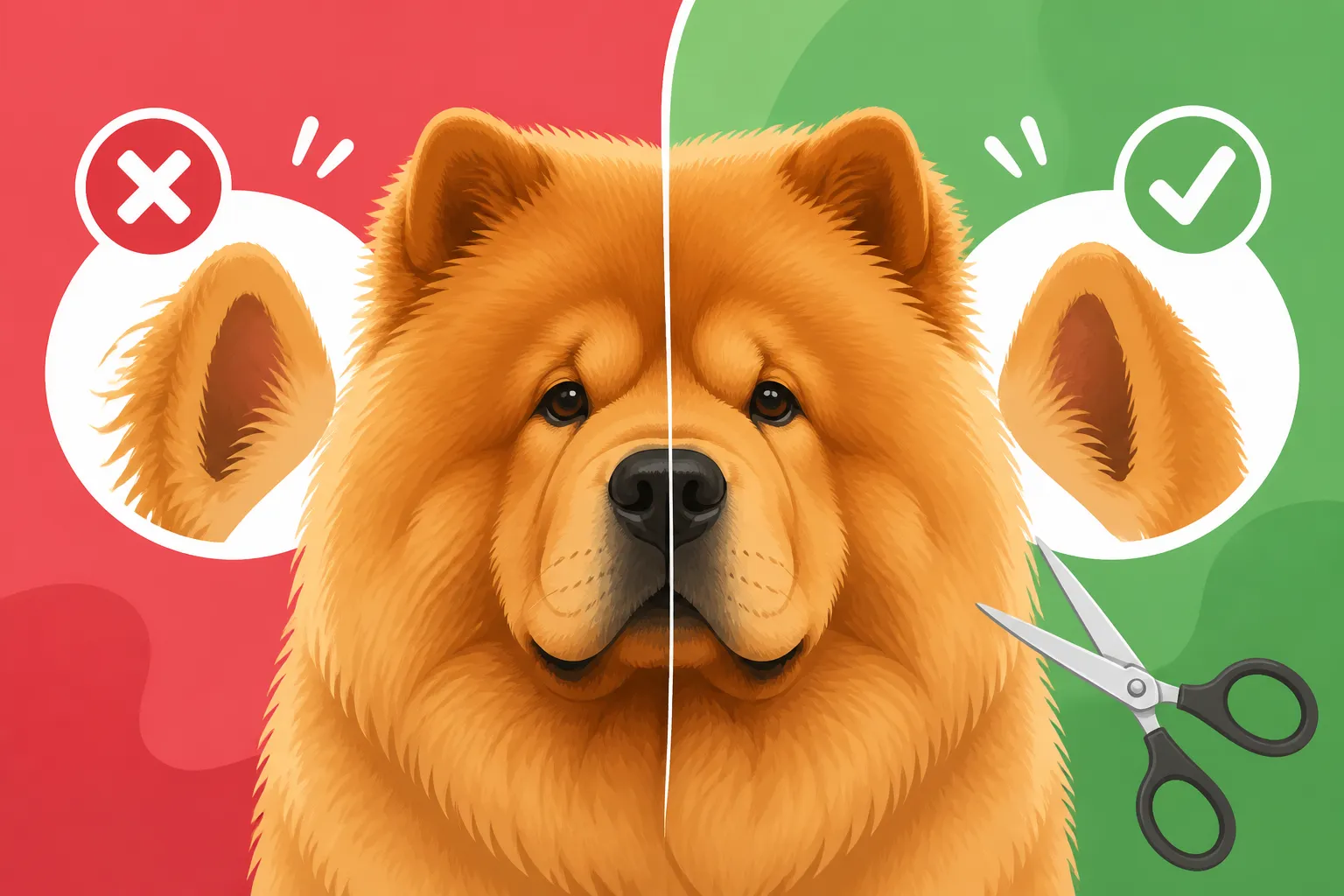
| External Ear Flap | Trim for tidiness/mat prevention | Trim for tidiness, especially if hair is very long or prone to matting. | Prevents matting, looks neat. Does not affect inner ear health directly. |
| Around Ear Base | Trim to prevent matting/collecting debris | Trim to prevent mats, especially where ear meets ruff. | Keeps the area clean and comfortable, prevents pulling on sensitive skin. |
When trimming, only blunt-nosed grooming scissors should ever be used, and extreme caution is necessary. The skin on a dog's ear is very thin and easily nicked. If you are ever unsure, or if your Chow Chow shows any sign of discomfort, stop immediately and consult a professional. The focus should always be on maintaining hygiene and comfort, not on achieving a specific look at the expense of your dog's well-being. Keeping the surrounding fur, like the impressive ruff, well-brushed is also key to overall ear hygiene How Long Brushing a Rough Chow Chow Takes.
Preventing Common Chow Chow Ear Problems
Beyond the specific question of ear hair, a holistic approach to your Chow Chow's care can significantly reduce the likelihood of ear problems. It's about recognizing how various aspects of their health and environment interconnect.
The Impact of Environment and Hygiene
Chow Chows, with their dense coats, are particularly susceptible to certain environmental factors that can impact ear health. Moisture is a big one. After baths, swimming, or even a walk in humid weather, it's absolutely critical to ensure your Chow's ears are thoroughly dry. Trapped moisture creates a warm, damp environment – a perfect breeding ground for yeast and bacteria. Using a high-velocity dryer for their coat can help dry around the ears, but be careful not to blast air directly into the ear canal, as this can be uncomfortable or even damaging.
Environmental allergies can also manifest as ear issues. Just like humans, dogs can react to pollen, dust mites, or certain grasses, leading to itchy, inflamed skin and ears. If your Chow is constantly scratching their ears, even after cleaning, consider discussing allergy testing or management strategies with your vet.
Maintaining a rigorous overall grooming schedule is also crucial. A matted, dirty coat, especially around the head and neck, can create an unhealthy environment that indirectly impacts the ears. Regular brushing, particularly during their coat blow cycles The Twice a Year a Chow Chow Blows Its Coat, ensures better air circulation and reduces the chances of skin issues that could extend to the ears. Why a Chow Chow's Dense Coat Hides Skin Disease is a real problem, so proactive grooming is key.
Diet and Overall Health Considerations
Believe it or not, your Chow Chow's diet plays a significant role in their overall skin and coat health, which includes their ears. A high-quality, balanced diet rich in essential fatty acids can contribute to a healthy skin barrier and a robust immune system, making them less prone to skin irritation and infections, including those in the ears. Some dogs with food sensitivities or allergies might experience chronic ear infections as a symptom. If your Chow Chow has recurring ear problems, your vet might suggest a limited ingredient diet or a novel protein diet to see if a food allergy is the culprit. Brands like Ollie, for instance, focus on fresh, high-quality ingredients that can support overall health, including skin and coat condition.
Additionally, maintaining a healthy weight is important. Obesity can exacerbate skin fold issues Whether a Chow Chow's Skin Fold Gets Infected, which while primarily affecting facial or body folds, underscores the principle that excess skin and fat can create environments ripe for infection. While the Chow Chow's erect ears typically avoid the deep folds that some other breeds have, overall metabolic health from a good diet is beneficial. Whether a Chow Chow Has a Sensitive Stomach is another consideration, as digestive upset can sometimes be linked to broader inflammatory responses in the body that might affect skin and ears. Always consult your vet about any dietary changes, especially if you suspect allergies or sensitivities are contributing to ear issues.
Disclaimer
This article is for general informational purposes only and does not constitute professional advice. Laws, prices and regulations vary by location and change over time. Consult a qualified professional for guidance on your specific situation.