Which Shampoo Suits a Chow Chow’s Coat
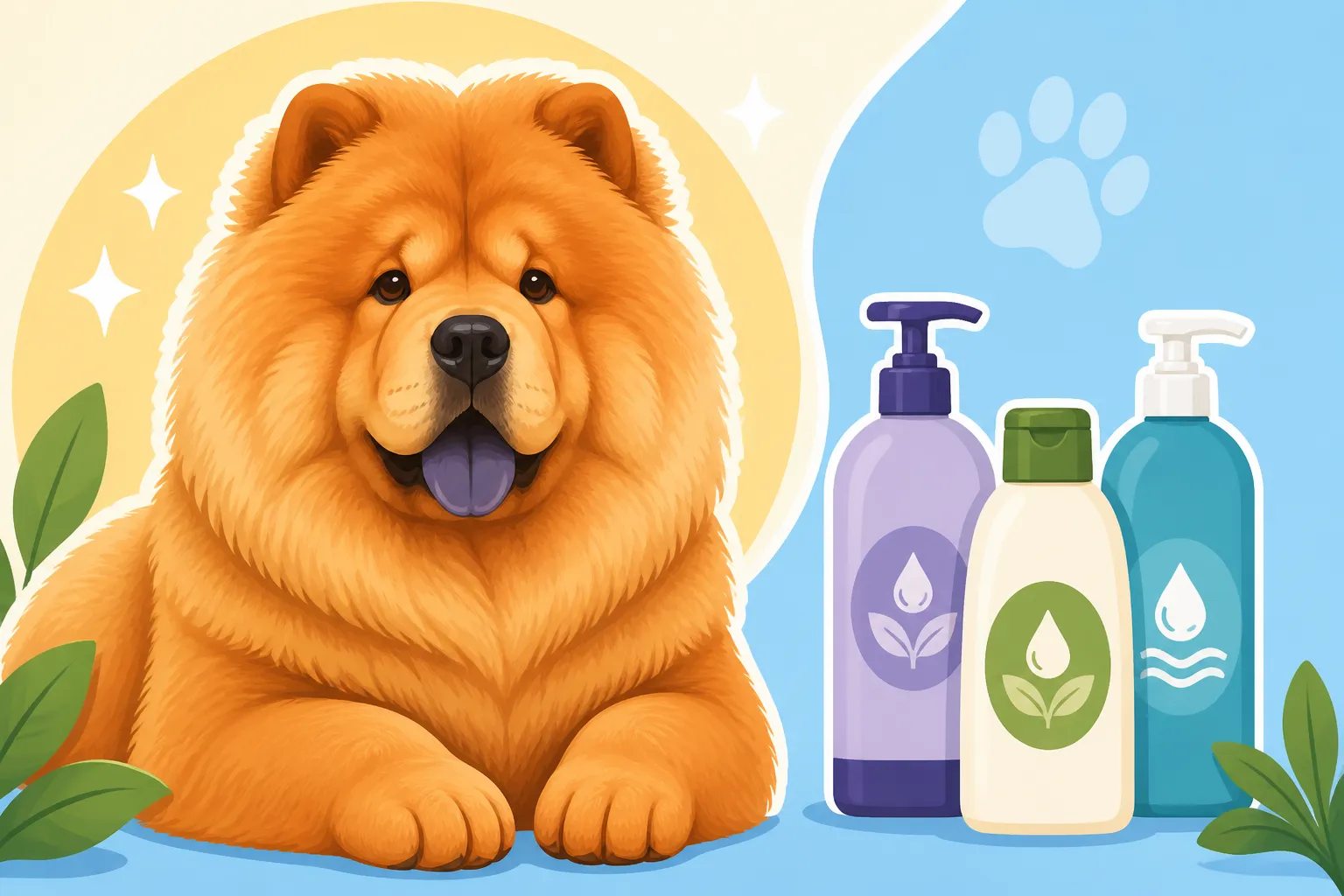
Choosing the right shampoo for your beloved Chow Chow can feel like a daunting task, especially with their magnificent, dense double coat and often sensitive skin. Many owners struggle with finding a product that cleans effectively without causing irritation or leaving behind residue that can lead to bigger problems. This guide will walk you through everything you need to know to select the perfect shampoo and master the art of Chow Chow bathing, ensuring their coat stays healthy, clean, and beautiful.
Understanding Your Chow Chow's Unique Coat
Before you even think about picking up a bottle of shampoo, it's absolutely crucial to understand the unique characteristics of your Chow Chow's coat. It's not just "fur"; it's a marvel of natural engineering that requires a very specific approach to care. Misunderstanding this can lead to frustration for you and discomfort for your furry friend.
The Double Coat Dilemma: Outer and Undercoat
Your Chow Chow isn't just sporting a single layer of hair; they are equipped with a luxurious, insulating double coat. This means they have a harsh, straight outer guard coat that protects them from the elements, whether it's rain, snow, or harsh sunlight. Beneath that lies a soft, dense, woolly undercoat that acts like a natural thermal layer, keeping them warm in winter and helping to regulate their temperature in summer. It’s a magnificent feature, giving them that iconic fluffy, lion-like appearance.
However, this incredible coat is also the source of much grooming complexity. When you're bathing your Chow, you're not just washing the top layer; you need to penetrate deeply to clean that thick undercoat, and then, crucially, rinse all the shampoo out from both layers. Imagine trying to wash a wool blanket that's wrapped in a stiff mat – that's a bit like what you're dealing with. If shampoo residue is left behind, it can irritate the skin, lead to matting, and even cause skin infections. What a Chow Chow's Double Coat Is Made Of explains this fascinating structure in more detail.
Why pH Balance Matters for Canine Skin
Here's a crucial point that many new Chow Chow owners overlook: a dog's skin is fundamentally different from human skin, especially when it comes to pH levels. Human skin typically has an acidic pH of around 5.5 to 5.6. Dog skin, on the other hand, is closer to neutral, usually ranging from 6.2 to 7.4. This difference is not just a scientific curiosity; it has practical implications for grooming.
Using human shampoo on your Chow Chow, no matter how gentle or "natural" it claims to be, is a recipe for disaster. Our shampoos are formulated for our acidic skin and will strip the natural oils from your dog's skin, disrupting its protective barrier. This can lead to dry, itchy, flaky skin, irritation, and make them more susceptible to bacterial or fungal infections. It compromises their natural defenses, leaving them vulnerable. Always, always opt for shampoos specifically formulated for dogs with a balanced pH.
Common Skin Sensitivities in Chow Chows
Beyond the general pH considerations, Chow Chows can be particularly prone to various skin sensitivities. Their dense coats, especially if not properly cared for, can hide issues for a long time. It’s easy for minor irritations to escalate into full-blown problems when you can’t easily see or feel the skin beneath all that fluff.
Some Chows can develop environmental allergies, reacting to pollen, dust mites, or certain ingredients in their food. These allergies often manifest as skin itchiness, redness, and inflammation. Others might be prone to "hot spots" – acute moist dermatitis – which are rapidly developing, painful skin infections that can be triggered by excessive licking due to an underlying irritation. Why a Chow Chow's Dense Coat Hides Skin Disease is a stark reminder of how challenging it can be to spot these issues early. Because of these predispositions, selecting a shampoo that is gentle, soothing, and free from common irritants becomes even more critical. If your Chow Chow is prone to these kinds of flare-ups, you'll want to be particularly diligent about ingredient lists. For more on what to look out for, you might want to read Whether a Chow Chow Gets Skin Allergies.
Types of Shampoos and What They Offer Your Chow Chow
With a better understanding of your Chow Chow's coat and skin, let's dive into the different types of shampoos available and which might be the best fit for your furry companion. It's not a one-size-fits-all situation, and what works wonders for one Chow might not be suitable for another.
Gentle, Hypoallergenic, and Sensitive Skin Shampoos
For most Chow Chows, especially those without specific skin conditions, a high-quality, gentle, hypoallergenic shampoo is your best bet for regular bathing. These shampoos are specifically formulated to minimize the risk of allergic reactions and skin irritation. They usually avoid harsh detergents, artificial fragrances, dyes, and common allergens.
Look for ingredients like colloidal oatmeal, aloe vera, and natural oils, which are known for their soothing and moisturizing properties. Colloidal oatmeal, for instance, forms a protective barrier on the skin, helping to relieve itching and dryness. Aloe vera is a natural anti-inflammatory and can help heal minor irritations. These types of shampoos aim to clean effectively without stripping the skin of its natural oils or causing any discomfort. When shopping online at places like Chewy or Amazon, you'll often find these products clearly labeled "for sensitive skin" or "hypoallergenic." They are an excellent choice for maintaining a healthy coat and skin without provoking any underlying sensitivities.
De-shedding Shampoos for Coat Blow Season
If you own a Chow Chow, you are intimately familiar with "coat blow season." This is when your Chow sheds an extraordinary amount of undercoat, usually twice a year, as their body adjusts to seasonal temperature changes. During these periods, you'll find tumbleweeds of fluff rolling across your floors, and your brush will be constantly full. When a Chow Chow Blows Its Coat goes into more detail about this phenomenon.
De-shedding shampoos are specifically designed to help release this loose undercoat, making the grooming process more efficient and potentially reducing the amount of fur floating around your house. They often contain ingredients that help loosen the hair follicles, allowing the dead undercoat to be more easily brushed out during and after the bath. However, these shampoos can sometimes be a bit more potent and, if used too frequently, might dry out the skin or coat. They are best reserved for those intense coat blow periods, perhaps once or twice during the shedding cycle, rather than every routine bath. Always follow up with a thorough brushing and conditioning treatment. For tips on speeding up this hairy process, consider reading How to Get a Chow Chow Through a Coat Blow Faster.
Medicated Shampoos for Specific Skin Conditions
There are times when a gentle shampoo simply isn't enough. If your Chow Chow develops a specific skin condition – such as a bacterial infection, a fungal issue like ringworm, or severe allergies leading to yeasty skin – your veterinarian might prescribe or recommend a medicated shampoo. These shampoos contain active ingredients designed to treat particular ailments.
For example, shampoos with chlorhexidine are often used for bacterial skin infections, while those with ketoconazole target fungal issues. Some medicated shampoos also contain ingredients like salicylic acid or benzoyl peroxide to help manage oily skin or folliculitis. It's crucial to understand that medicated shampoos are treatment tools, not general grooming products. They should only be used under the guidance of your vet, who can properly diagnose the condition and instruct you on the correct frequency and duration of use. Misusing medicated shampoos can lead to resistance or further irritation. For severe autoimmune skin conditions like those discussed in What Pemphigus Foliaceus Does to a Chow Chow, your vet will provide precise instructions on the type and usage of specialized products.
Ingredients to Look For and Avoid
Navigating the ingredient list on a shampoo bottle can feel like reading a foreign language. But for your Chow Chow's well-being, understanding what makes a shampoo beneficial or potentially harmful is incredibly important.
Beneficial Ingredients for a Healthy Chow Coat
When you're scrutinizing shampoo labels, aim for products that feature these nourishing and gentle ingredients:
- Colloidal Oatmeal: This is a superstar ingredient for sensitive skin. It’s known for its anti-inflammatory and moisturizing properties, helping to soothe itchy, irritated skin and create a protective barrier.
- Aloe Vera: A natural healer, aloe vera can calm inflamed skin, reduce redness, and promote healing for minor irritations. It’s also a good moisturizer.
- Vitamin E: An antioxidant that supports skin health and can contribute to a shiny coat. It often helps with skin repair.
- Omega Fatty Acids (e.g., Omega-3 and Omega-6): These can be found in various forms, often derived from fish oil or certain plant oils. They are vital for skin barrier function and coat luster, helping to reduce inflammation and dryness.
- Natural Oils (e.g., Coconut Oil, Jojoba Oil, Argan Oil): These provide natural moisture, conditioning the coat and skin without feeling greasy. Coconut oil, in particular, has antimicrobial properties. These can be particularly helpful for penetrating and conditioning the dense undercoat.
- Glycerin: A humectant, meaning it draws moisture from the air to the skin, helping to keep it hydrated.
- Chamomile: Another soothing botanical known for its calming effect on irritated skin.
These ingredients work synergistically to clean, condition, and protect your Chow Chow's skin and coat, promoting overall health and comfort.
Ingredients to Steer Clear Of
Just as important as knowing what to look for is knowing what to avoid. Many common shampoo ingredients can be harsh and detrimental to your Chow Chow's sensitive skin and unique coat:
- Sulfates (Sodium Lauryl Sulfate – SLS, Sodium Laureth Sulfate – SLES): These are harsh detergents that create a lot of lather. While they clean effectively, they can strip the skin of its natural oils, leading to dryness, irritation, and even allergic reactions. For a Chow Chow, this is a big no-no.
- Parabens: These are preservatives often used in cosmetics and personal care products. Some studies have linked them to hormonal disruption, and while research is ongoing, many pet owners prefer to avoid them.
- Artificial Fragrances: These are a common cause of skin allergies and irritation in dogs. While a heavily scented shampoo might smell pleasant to you, it could be highly irritating to your Chow Chow's more sensitive nose and skin. Opt for unscented or naturally scented options (e.g., with essential oils, but use caution and consult your vet if your dog is particularly sensitive).
- Dyes: Artificial colors offer no benefit to your dog and can be another source of allergic reactions.
- Alcohol: Often found in drying or degreasing shampoos, alcohol can be extremely drying and irritating to canine skin, especially if your Chow already has sensitivities.
- Phthalates: These chemicals are often used in synthetic fragrances and plastics. Like parabens, they are a source of concern for many pet owners due to potential health implications.
Always make it a habit to read the ingredient label carefully. If you see a long list of unpronounceable chemicals or known irritants, it's best to put that bottle back on the shelf.
Understanding "Natural" and "Organic" Claims
The terms "natural" and "organic" are often used to market pet products, and while they can be indicators of quality, they aren't always a guarantee of safety or suitability for your Chow Chow. The pet care industry isn't as strictly regulated as human cosmetics, so these labels can sometimes be misleading.
"Natural" might mean that some ingredients are plant-derived, but it doesn't necessarily mean the product is free from all harsh chemicals or irritants. For instance, some natural ingredients can still cause allergic reactions in sensitive dogs. Similarly, "organic" usually refers to the farming practices of the ingredients, implying they are free from pesticides and synthetic fertilizers. While this is certainly a positive, an organic shampoo can still contain ingredients that are not ideal for your Chow Chow's specific skin type or condition.
The key takeaway here is to not rely solely on marketing buzzwords. Always dig deeper and examine the full ingredient list. A genuinely good shampoo for your Chow Chow will have transparent labeling, focusing on beneficial, gentle ingredients while clearly avoiding known irritants. Look for certifications if available, but primarily, let the full ingredient deck guide your decision, and always prioritize products specifically formulated for dogs.
Best Practices for Bathing Your Chow Chow
Even with the perfect shampoo in hand, bathing a Chow Chow is an art form. Their dense coat demands a methodical approach, and cutting corners can lead to more problems than solutions.
Pre-Bath Brushing and Dematting is Non-Negotiable
This is perhaps the most critical step in bathing a Chow Chow, and skipping it is a huge mistake. Before a single drop of water touches your dog, you must thoroughly brush and demat their entire coat. Water will tighten any existing mats, making them nearly impossible to remove without resorting to shaving, which you want to avoid at all costs with a Chow Chow.
Start by line brushing your Chow, working in sections and getting all the way down to the skin. Use a slicker brush to remove loose hair and a sturdy metal comb to check for mats, especially in prone areas like behind the ears, under the armpits, on the belly, and around the "britches" (the fur on their hind legs). If you find mats, gently work them out with a mat rake or a detangling spray and your comb. This process can take a significant amount of time, sometimes an hour or more for a rough-coated Chow, but it's essential. If the coat is not completely tangle-free before the bath, you'll regret it later. For a detailed guide on proper brushing techniques, check out How to Line Brush a Chow Chow. You'll also find it helpful to know Where a Chow Chow Mats First to pay extra attention to those areas.
The Importance of Thorough Rinsing (And Then Some!)
Once your Chow Chow is thoroughly brushed and wet, the real challenge begins: applying shampoo and, more importantly, rinsing it out completely. Because of their thick double coat, shampoo can easily get trapped deep within the fur, especially in the undercoat. Any residue left behind will cause irritation, lead to dry, flaky skin, create a sticky base for new mats, and can even contribute to painful hot spots.
After shampooing (you may need to shampoo twice for a truly clean coat, especially if your Chow is very dirty), you must rinse, rinse, and rinse again. Then, when you think you’ve rinsed enough, rinse for another five minutes. Seriously. Feel the coat and skin. Run your hands through it. Squeeze sections of fur. Do you feel any slipperiness? Any stickiness? If so, keep rinsing. A high-pressure spray nozzle can be incredibly helpful for penetrating the dense coat and ensuring all product is flushed out. Imagine trying to wash a really thick shag rug – you wouldn't just rinse the top, right? You need to get to the base. This is why Why a Chow Chow Must Be Dried to the Skin is so crucial, as it touches on the dangers of trapped moisture and residue. If you don't rinse properly, you increase the risk of issues like those described in Why a Damp Chow Chow Gets Skin Trouble.
Drying Your Chow Chow Correctly
The final, and equally critical, step is drying. Air drying a Chow Chow is not an option; it's a recipe for disaster. Their dense double coat will take an incredibly long time to dry naturally, creating a damp, warm environment perfect for bacterial and fungal growth, leading to skin infections, odors, and severe matting.
You absolutely need a high-velocity force dryer for your Chow Chow. This specialized dryer blows cool or warm (never hot) air with significant force, pushing water out of the coat and helping to separate the individual hairs, which speeds up drying and prevents mats. As you dry, continue to brush the coat to ensure every layer is completely dry down to the skin. This process can be lengthy, often taking 1-2 hours or more depending on the size and coat density of your Chow. Persistence is key. If you leave any part of the undercoat damp, it will mat, and your Chow will be uncomfortable. How Long a Chow Chow Takes to Dry is no exaggeration! Using a high-velocity dryer also aids in removing any last bits of loose undercoat, making the entire shedding process more efficient. Read Whether a High Velocity Dryer Helps a Chow Chow Shed for more on this grooming tool.
Here's a quick comparison of shampoo types to help you decide:
| Shampoo Type | Best For | Key Benefits | Considerations |
|---|---|---|---|
| Gentle/Hypoallergenic | Routine baths, sensitive skin, puppies | Soothes, moisturizes, minimizes irritation | May not be powerful enough for heavy shedding/dirt |
| De-shedding | Coat blow season (2x a year) | Helps release loose undercoat | Can be drying if overused, requires thorough rinsing |
| Medicated | Specific skin infections (bacterial, fungal) | Treats underlying skin conditions | Vet-prescribed/recommended only, not for general use |
| Whitening/Brightening | Enhancing coat color, removing yellowing | Brightens specific coat colors (e.g., cream) | Can sometimes be harsher, ensure it's dye-free |
Ultimately, choosing the right shampoo and perfecting your bathing technique for your Chow Chow is an ongoing journey. What works best might change over time as their skin and coat needs evolve, perhaps with age or seasonal changes. Always observe your Chow Chow's skin and coat for any signs of irritation or dryness after a bath, and don't hesitate to consult your veterinarian or a professional groomer specializing in double-coated breeds if you have persistent concerns. Your Chow Chow's comfort and health are worth every extra step!
Disclaimer
This article is for general informational purposes only and does not constitute professional advice. Laws, prices and regulations vary by location and change over time. Consult a qualified professional for guidance on your specific situation.