What Game a Chow Chow Was Used On
When we look at our fluffy, majestic Chow Chows today, lounging on the sofa like royalty, it's hard to imagine them doing much more than demanding a treat. But these ancient dogs have a rich, demanding history that goes far beyond being a cherished companion. This guide will take you back in time to explore the formidable working roles of the Chow Chow in ancient China, shedding light on the "game" they were once tasked with.
The Ancient Origins of the Chow Chow as a Multi-Purpose Working Dog
Before the Chow Chow became the dignified, somewhat aloof companion we know and love, they were indispensable working animals in their native China. Their history stretches back thousands of years, with evidence of their presence in ancient Chinese art and texts, showcasing a breed that was not merely decorative but highly functional. These were dogs bred for a purpose, or, more accurately, many purposes, in a world where survival often depended on the utility of every animal.
It's a common misconception to view ancient dog breeds solely through the lens of modern domestication. In reality, dogs like the Chow Chow were integral to the daily lives and sustenance of communities. They weren't specialized in the way many modern breeds are; rather, their true value lay in their incredible versatility. They served as guardians, fiercely protecting homes and property, but also as herding dogs, helping to manage livestock across vast, often challenging terrains. Beyond that, their strength and endurance were put to use pulling carts, transporting goods and supplies where other beasts of burden might struggle. This wide array of responsibilities truly cemented their status as a multi-purpose workhorse. You can read more about their deep history in The Chow Chow Is One of the Oldest Breeds in the World.
The environments these early Chow Chows inhabited were far from the manicured parks and air-conditioned homes of today. They faced harsh climates, rugged landscapes, and a constant need for vigilance. This demanding existence shaped their physical and mental attributes, forging a dog of immense resilience and self-reliance. Their thick coats, powerful builds, and sharp instincts weren't just for show; they were essential tools for thriving in a challenging world. It's this deep lineage of hard work and adaptability that defines the true spirit of the Chow Chow, a spirit that still subtly influences their behavior and needs today, even if they're primarily napping on your rug.
Hunting Big Game in Ancient China
When we talk about the "game" a Chow Chow was used on, we are primarily referring to large, formidable animals that posed a significant challenge and provided vital resources. In ancient China, the Chow Chow was a valued participant in hunting parties, where their role was crucial in tracking, cornering, and sometimes even holding dangerous prey. This wasn't a solo endeavor but a testament to their bravery, strength, and unwavering determination when working alongside their human counterparts.
The primary targets for these ancient Chow Chows included wild boar, a notoriously aggressive and powerful animal, as well as wolves, which were a constant threat to livestock and villages. There are even historical accounts, though less common, suggesting their use in hunting larger predators like leopards and bears in certain remote regions. Imagine the sheer courage and physical prowess required for a dog to face such formidable creatures! They weren't necessarily making the kill themselves, but rather, their job was to track, flush out, and then engage the animal, holding its attention until the human hunters could intervene. This demanding task required a dog with keen senses, immense physical strength, and an almost fearless disposition.
The physical attributes of the Chow Chow were perfectly suited for such intense hunting. Their stocky, muscular build provided the power needed to tackle and withstand impact from large animals, while their dense double coat offered significant protection against bites, scratches, and the elements. A quick glance at What a Chow Chow Weighs and How Tall It Stands reveals a dog built for substance and strength. Furthermore, their strong, scissor-like bite was an asset for gripping and holding their quarry. Beyond the physical, their temperament played a vital role. The Chow Chow's natural wariness and independent nature, often perceived as aloofness today, would have translated into focused determination and a formidable presence in the field. They weren't easily deterred and possessed a keen sense of their surroundings, vital for tracking prey over varied terrain.
This historical role as a big game hunter stands in stark contrast to the cuddly, somewhat reserved image many people have of the Chow Chow today. It serves as a powerful reminder of their capabilities and the deep-seated instincts that lie beneath their tranquil exterior. While no modern Chow Chow is expected to chase a wild boar, understanding this heritage helps us appreciate their inherent strength, courage, and self-assuredness. It also explains why some Chows still exhibit a strong prey drive or an intensely focused gaze when something catches their attention. This isn't just a quirky trait; it's a whisper from their ancient, hunting past. Interestingly, the chronicles of emperors often mention such dogs, highlighting their importance, as detailed in What the Chow Chow Did for a Chinese Emperor.
Other Historical Roles Beyond Hunting
While hunting big game was a prominent and demanding role for the Chow Chow, it's crucial to understand that their versatility extended far beyond the hunt. These dogs were true multi-taskers, adapting to various critical jobs that supported human communities in ancient China. Their intelligence, strength, and distinctive temperament made them valuable assets in a wide range of capacities, illustrating why they were so highly regarded.
One of their most well-known historical functions was that of a guardian. The Chow Chow's naturally reserved and protective nature made them exceptional watchdogs and protectors of property. They were often found guarding temples, monasteries, and the homes of nobility and common folk alike. Their formidable appearance, coupled with a deep, resonant bark and an inherent suspicion of strangers, was often enough to deter intruders. Unlike some breeds that might be overly friendly, a Chow Chow's natural aloofness meant they took their guarding duties very seriously, making them a reliable and unwavering sentinel. Whether Chow Chows Guarded Temples further details this fascinating aspect of their history. This role wasn't just about physical deterrence; it was about their keen senses and unwavering loyalty to their designated territory and family, traits still evident in many Chows today.
Beyond guarding, there are accounts of Chow Chows being utilized for herding livestock. While perhaps not as agile or quick as some of the dedicated herding breeds we know today, their sheer presence, strength, and intelligent understanding of boundaries made them effective in managing various animals. In rugged, mountainous terrain, a powerful dog that could both protect and guide a flock would have been invaluable. Their physical stamina and ability to navigate difficult landscapes also contributed to their success in this role, showcasing another facet of their adaptable working nature.
Perhaps one of the most physically demanding, yet often overlooked, roles was their use as draft animals. Particularly in the colder, northern regions of China and Mongolia, where horses might be scarce or the terrain too harsh, Chow Chows were put to work pulling sleds and carts. Their robust build, strength, and impressive endurance made them capable of transporting goods, supplies, and even people over considerable distances. This demonstrated their incredible physical power and willingness to work, even in challenging conditions. The historical records of such use are compelling, highlighting their resilience, as explored in Whether Chow Chows Pulled Sleds in Mongolia. This heavy-duty work required not just strength but also a steady temperament and a cooperative spirit, though often on their own terms, making them truly unique working companions. Whether a Chow Chow Was Ever a Draft Dog delves deeper into their capacity for draft work.
The Transition to Companion Animal and Loss of Working Roles
As the centuries progressed and the world changed, so too did the role of the Chow Chow. Their introduction to the Western world, starting largely in the 19th century through trade routes, marked a significant shift from their traditional working functions to primarily companion animals. The demand for their skills as hunters, guardians, or draft dogs diminished in societies that increasingly valued them for their exotic appearance and regal demeanor. This transition, while making them beloved pets, also meant a gradual fading of the practical "game" they were once used on.
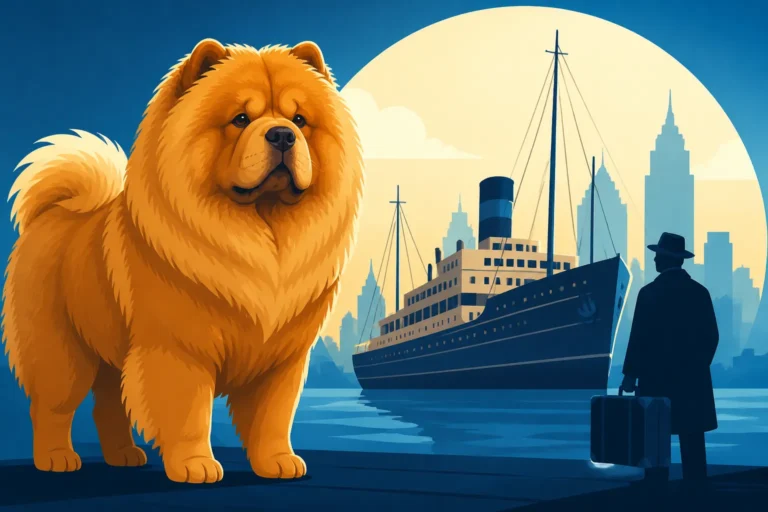
When Chow Chows first arrived in places like England, often on ships whose manifests simply listed miscellaneous goods as "chow-chow," they quickly captured the fascination of the aristocratic classes. How the Chow Chow Got an English Name From a Ship's Manifest offers more insight into this naming origin. Their unique lion-like mane, distinctive blue-black tongue, and dignified bearing made them highly fashionable. Suddenly, a dog once used for serious work was prized for its novelty and aesthetic appeal. This popularity accelerated their journey from working dog to status symbol and then to cherished family pet, a role that largely stripped away the need for their ancient working instincts to be actively practiced.
While modern Chow Chows don't typically hunt boar or pull carts, those deeply ingrained instincts still exist within the breed. A Chow Chow today might not be tracking game through a forest, but they might display a keen interest in chasing squirrels in the backyard, or intensely watching the perimeter of their home. Understanding this history is crucial for modern owners because it helps explain some of their unique behaviors and needs. For instance, their independent nature and sometimes stubborn streak, which were assets for a dog needing to make decisions in the field, can sometimes be misinterpreted as disobedience in a modern home.
This historical context also informs how we should care for and engage with our Chows today. While they may not need to hunt, they still benefit immensely from mental stimulation and activities that tap into their intelligence and physical capabilities. Interactive puzzle toys, long-lasting chews, and challenging scent games can all provide an outlet for these deep-seated instincts. Consider looking at durable, engaging toys on sites like Chewy that can stand up to a Chow's powerful jaws and intelligent mind, giving them a "job" to do. Even though the "game" they play now is different, the need for engagement remains. Recognizing their heritage helps us provide a richer, more fulfilling life for these magnificent dogs.
Historical Roles and Corresponding Chow Chow Traits
To better understand the multifaceted history of the Chow Chow, let's look at their primary historical roles and the specific traits that made them so exceptionally suited for each task.
| Historical Role | Key Chow Chow Traits | Modern Day Expression (Often) |
|---|---|---|
| Big Game Hunter | Strength, endurance, keen senses, bravery, focus | Strong prey drive, intense gaze, powerful bite |
| Guardian | Aloofness, suspicion of strangers, protective instinct, vigilance | Reserved with outsiders, territorial, alert barker |
| Herder | Strength, intelligence, understanding of boundaries, stamina | Independent thinkers, can be bossy with other pets |
| Draft Animal | Powerful build, physical stamina, resilience, steady temperament | Enjoys structured walks, strong pull on leash (needs training) |
This table clearly illustrates how the very traits that define a Chow Chow today are echoes of their past working lives. They might seem like a complex breed, and in many ways they are, but their complexity is often rooted in these historical functions.
Understanding their past as a working dog is key to appreciating your Chow Chow today. They may not be hunting wild boar anymore, but their innate intelligence, strength, and unique temperament demand respect and appropriate engagement. A Chow Chow's bond with its person is strong, as highlighted in The Chow Chow Bonds to One Person and Tolerates the Rest, but it's often built on mutual respect and understanding of their unique personality. They aren't the breed for endless fetch, and How Much Exercise a Chow Chow Actually Needs often surprises new owners with its moderation.
Training a Chow Chow also benefits from this historical perspective; they train by agreement and cooperation, not through endless repetition or harsh commands, as explored in A Chow Chow Trains by Agreement, Not Obedience. You'll find that if they "ignore a cue," it's often not defiance but a thoughtful decision on their part, a trait of an independent working dog, as seen in Why a Chow Chow Ignores a Cue It Knows. While they might not face the dangers of ancient China, providing them with appropriate mental and physical outlets, and understanding their breed-specific health concerns, such as those discussed in Whether the Chow Chow Is a Healthy Breed, ensures they can live a long, fulfilling life as your beloved companion. Finding durable chew toys and puzzle feeders from reputable sources like Chewy can be a great way to keep their sharp minds engaged.
Disclaimer
This article is for general informational purposes only and does not constitute professional advice. Laws, prices and regulations vary by location and change over time. Consult a qualified professional for guidance on your specific situation.