How to Check a Chow Chow’s Mouth for Melanoma
It's a frustrating reality for many Chow Chow owners: you want to be diligent about your dog's health, but their unique features, especially that distinctive blue-black mouth, can make it incredibly difficult. Spotting something as serious as melanoma when everything already looks "dark" feels like searching for a needle in a haystack. This guide is here to walk you through a systematic way to check your Chow Chow's mouth for melanoma and other potential issues, empowering you to perform thorough exams at home and know when it’s time to call the vet.
The Challenge of Checking a Chow Chow's Mouth
Owning a Chow Chow means embracing their wonderful quirks, but it also means being aware of their particular health challenges. One of the biggest hurdles in routine health checks is their mouth, which is beautifully unique but inherently difficult to examine for certain conditions.
Why Pigmented Mouths Mask Problems
The hallmark blue-black tongue of a Chow Chow is truly a sight to behold, a feature that distinguishes them from almost every other breed. But it's not just their tongue; most Chow Chows also have darkly pigmented gums, palates, and even the inside of their cheeks. This deep, rich coloring is perfectly normal and healthy for the breed, a result of concentrated melanin, the same pigment that gives them their distinctive eye rims and sometimes even their nails. If you're curious about the science behind this, you might find "What Pigment Makes a Chow Chow's Tongue Blue" a fascinating read.
However, this natural pigmentation presents a significant challenge when it comes to identifying oral health issues. In dogs with pink mouths, any discoloration, lump, or change in texture stands out like a sore thumb. A dark spot immediately raises an alarm. For us Chow Chow guardians, what's a normal dark spot and what's a suspicious lesion? The absence of obvious contrast means that a serious problem, like a cancerous growth, can blend right in, making it incredibly hard to differentiate between healthy tissue and something dangerous. This unique aspect means standard advice for oral checks often falls short for our beloved Chows.
The Silent Threat of Oral Melanoma in Chows
Oral melanoma is a particularly aggressive form of cancer that originates from the pigment-producing cells (melanocytes) in the mouth. While it can occur in any dog breed and in any part of the body, oral melanomas are unfortunately common and tend to be highly malignant, meaning they can grow rapidly and spread quickly to other parts of the body, such as the lymph nodes and lungs. Early detection is not just important; it’s absolutely critical for a Chow Chow's prognosis. The larger the tumor and the further it has spread before detection, the more challenging treatment becomes.
Given the deeply pigmented mouths of Chow Chows, these tumors can easily go unnoticed until they’ve reached a significant size or started causing visible symptoms like bleeding or difficulty eating. This makes regular, thorough, and informed at-home oral examinations an indispensable part of your Chow Chow's preventive care routine. It's an uncomfortable truth to face, but understanding this risk empowers you to be an even better advocate for your furry companion's health. For general information on this type of cancer, you can explore "Whether a Chow Chow Gets Melanoma".
Essential Tools and a Calm Approach for Oral Exams
Successfully checking your Chow Chow’s mouth isn't just about knowing what to look for; it’s also about how you approach the task. Chows are known for their independent nature and can be quite sensitive to handling, so a calm, well-prepared strategy is key.
Gathering Your Supplies
Before you even think about peering into your Chow's mouth, take a few moments to gather everything you'll need. This preparation minimizes fumbling and stress for both of you. First and foremost, good lighting is non-negotiable. A bright flashlight or even a headlamp will allow you to see into the deepest recesses of their mouth, overcoming the natural shadows and the dark pigmentation. Next, consider wearing a pair of thin latex or nitrile gloves. This isn't just for hygiene; it can also help you feel for subtle changes in texture that you might miss with bare fingers.
Perhaps the most crucial "supplies" are high-value treats and a calm demeanor. Chows respond best to positive reinforcement and a confident, gentle handler. Some owners might consider a soft muzzle if their Chow has a tendency to snap when uncomfortable, but this should only be used if your dog is already muzzle-trained and comfortable with it, and never to force an examination. If your Chow has never been muzzled, this is not the time to introduce it, as it will only add to their stress. If muzzle training is something you're considering, "Teaching a Chow Chow to Wear a Muzzle" can provide some helpful guidance.
Creating a Positive Experience
Chow Chows, while fiercely loyal to their chosen person, often have a more reserved and independent temperament. They're not always keen on being fussed over, especially when it comes to sensitive areas like their mouth. This means you can't just dive in. The key is to start slow, build trust, and make the experience as positive and non-threatening as possible.
Begin by simply touching their face and muzzle gently, offering praise and treats. Do this for just a few seconds, then release them. Gradually increase the duration and the invasiveness of the touch over several days or even weeks. Move from touching their muzzle to gently lifting their lips, then briefly opening their mouth. Each small step should be paired with lavish praise and their favorite high-value reward. The goal is for them to associate mouth handling with good things. Remember, a Chow Chow’s bond, while strong, can shift if trust is broken, so patience is paramount. If you try to force them, they will likely resist, and you'll make future exams even harder. Think of it as a conversation, not a command – you're asking for their cooperation. Many owners find their Chow Chow is more likely to cooperate if they approach it like a game or a gentle interaction rather than a forced procedure. This positive conditioning will serve you well for all future health checks.
A Step-by-Step Guide to Inspecting Your Chow Chow's Mouth
Once your Chow Chow is comfortable with basic mouth handling, you can begin a more thorough, systematic inspection. Remember, consistency and attention to detail are your best friends here.
The External Lip and Muzzle Check
Start your inspection by looking at the outside of your Chow Chow's lips and muzzle. Gently lift the upper and lower lips, carefully pulling them away from the teeth. Look for any swelling, redness, discharge, or crusting. Pay close attention to the corners of the mouth, which can sometimes harbor small sores or cracks. Feel along the outside of their jawline for any unusual lumps or bumps that weren't there before.
Next, examine the teeth and gums visible without opening the mouth wide. Look for broken teeth, excessive tartar buildup, or red, inflamed gums, which could indicate dental disease. While not directly related to melanoma, these are important indicators of overall oral health. If you notice any issues here, make a note to discuss them with your veterinarian during their next check-up. This initial, less invasive check helps ease your Chow into the process before you delve deeper.
Inside the Mouth: Gums, Tongue, and Palate
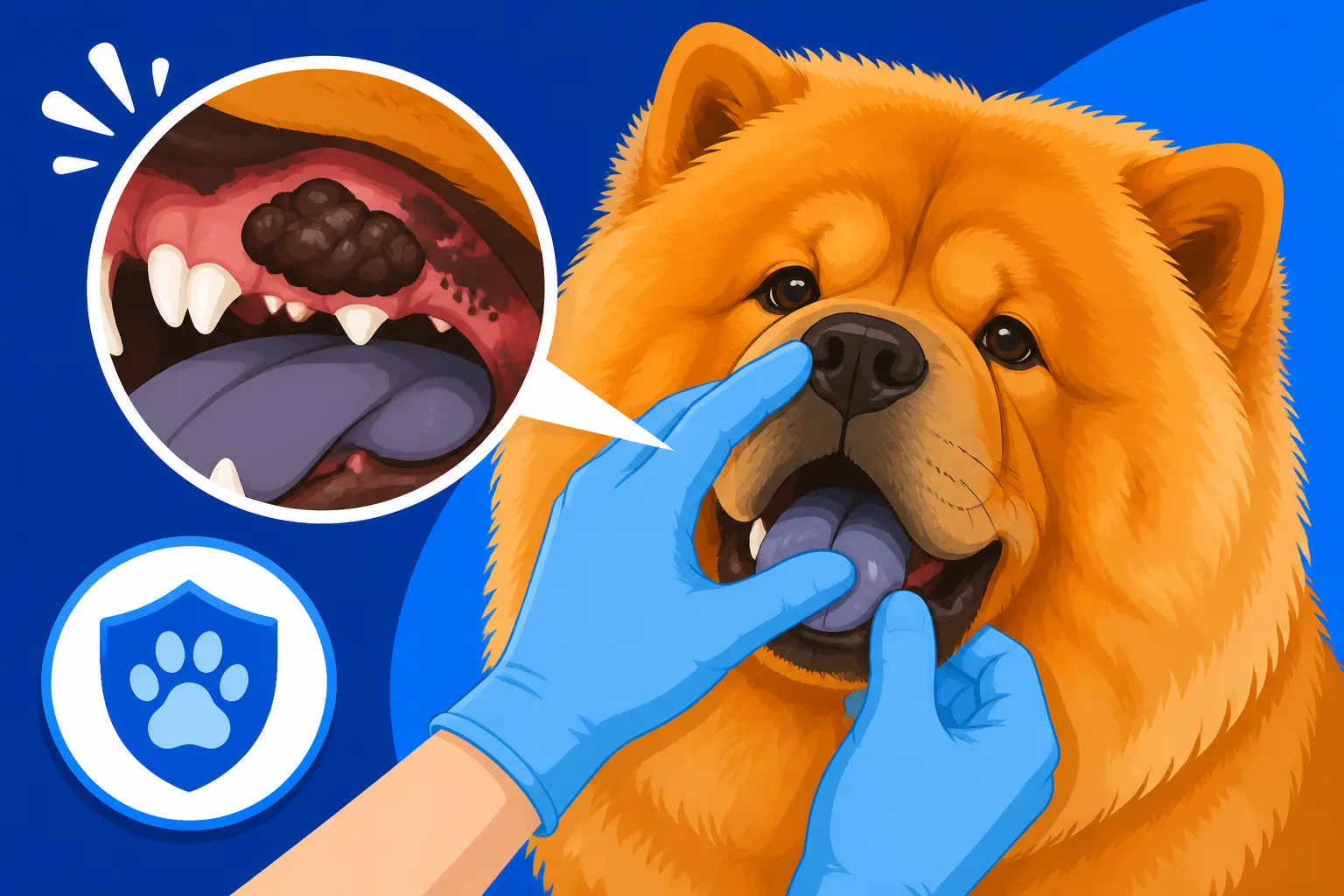
Now comes the trickier part: examining the inner sanctum of their mouth. With gentle reassurance, try to open your Chow Chow’s mouth wider. You might need to place your thumb behind their upper canine tooth and your fingers on their lower jaw to create a slight opening. Don't force it; work with their natural jaw movement.
Once you have a better view, proceed systematically:
- Upper Gums and Inner Cheeks: Gently pull the upper lip away to expose the upper gums. Carefully inspect the entire surface, noting any raised areas, changes in texture, or areas of unusual pigmentation. Look at the inside of the cheeks for any growths or lesions.
- Lower Gums and Under the Tongue: Repeat the process for the lower gums. Then, try to gently lift your Chow's tongue to look at the underside. This area is often overlooked but can be a site for growths.
- The Tongue Itself: While the tongue is almost always dark in a Chow Chow, look for any areas that appear abnormally raised, lumpy, or have a different texture. Is there any ulceration or bleeding?
- The Roof of the Mouth (Palate): This can be the most challenging area to see. You may need to tilt your Chow's head back slightly to get a good view. Look for any masses, discoloration, or irregularities on the hard and soft palate.
What specifically are you looking for regarding melanoma? Any new, raised, or rapidly growing dark spots. While normal Chow Chow mouths are dark, melanoma tends to manifest as a distinct, often nodular, black or brown lesion. It might appear as a solitary mass or multiple smaller ones. Sometimes, melanomas can be amelanotic, meaning they lack pigment and appear pink or reddish, but this is less common in breeds with pigmented mouths. Pay attention to any bleeding from the mouth, excessive drooling, difficulty eating, or a sudden change in breath odor that persists. These could all be secondary signs of an oral tumor. For an understanding of other vet visits, knowing "What a Chow Chow's Yearly Bloodwork Should Cover" can also contribute to their overall health picture.
The Importance of Regularity and Documentation
The biggest challenge with Chow Chows' pigmented mouths is knowing what's "normal" for your dog. This is why regularity and documentation are so vital. Aim to perform a thorough oral exam at least once a month. The more frequently you do it, the more familiar you'll become with the unique topography of your Chow's mouth. You'll learn where their normal dark spots are, where their healthy tissue ends, and where a suspicious new development might begin.
Consider taking photos (clear, well-lit ones!) during your initial thorough exam and periodically afterward. These photos can be invaluable references, allowing you to compare current observations with past ones and quickly identify any changes. If you spot something, comparing it to a photo from a month ago can help you determine if it's new or growing. Share these photos with your vet during routine check-ups. Remember, even experienced veterinarians can find it challenging to conduct a thorough oral exam on a resistant Chow Chow, as "Why a Chow Chow Is Hard to Examine at the Vet" highlights. Your consistent at-home checks make you the first line of defense. Early detection can literally be a lifesaver.
When to Call the Vet: Red Flags and Next Steps
Even with the most diligent at-home exams, it can be hard to tell what’s serious and what’s not in a Chow Chow's deeply pigmented mouth. When in doubt, it’s always best to consult with your veterinarian.
Recognizing Suspicious Signs
While you are getting familiar with your Chow Chow's normal oral landscape, there are several red flags that should prompt an immediate call to your vet. Don't wait or try to self-diagnose; time is often of the essence with oral cancers.
Here's a list of signs that warrant professional attention:
- Any new lump or bump: Especially if it's dark, raised, or appears to be growing.
- Persistent bad breath: Beyond typical "dog breath," a sudden, foul odor can indicate infection, dental disease, or a tumor.
- Difficulty eating or reluctance to chew: This could manifest as dropping food, preferring soft foods, or showing pain when eating.
- Excessive drooling: Especially if the saliva is bloody or tinged pink.
- Bleeding from the mouth: Even small amounts, if unexplained.
- Facial swelling: Particularly on one side of the face or jaw.
- Loose teeth: Without an obvious cause like trauma.
- Changes in your Chow's demeanor: Such as becoming more withdrawn, irritable, or showing signs of pain when touched near the face.
- Unexplained weight loss: A common sign of underlying health issues, including advanced cancer.
Even seemingly minor changes, like a small ulcer that won't heal, should be evaluated. Given the aggressive nature of oral melanoma, early investigation is crucial for the best possible outcome.
Navigating Veterinary Diagnosis and Treatment
When you take your Chow Chow to the vet with suspicious oral findings, your veterinarian will likely perform a thorough physical exam, often including a more detailed oral inspection. Due to the Chow Chow's potential reluctance to cooperate and the need for a very precise examination, this often requires sedation. Sedating a Chow Chow for a detailed dental or oral exam, as mentioned in "What Sedating a Chow Chow for a Nail Trim Costs" or "What a Chow Chow's Sedated Dental Costs", is a common practice to ensure both the dog's safety and the thoroughness of the examination.
The definitive diagnosis of oral melanoma typically requires a biopsy, where a small tissue sample is taken and sent to a veterinary pathologist for microscopic examination. If melanoma is confirmed, your vet will discuss treatment options. These can range from surgical removal of the tumor, which is often the primary treatment, to radiation therapy, chemotherapy, or immunotherapy, depending on the stage and location of the cancer. Prognosis is highly dependent on early detection and the tumor's characteristics. This is a journey no one wants to embark on, and the costs associated with diagnosis and treatment can be substantial, adding to the stress. This is precisely where having robust pet insurance, such as a plan from Healthy Paws, can provide immense relief, helping to cover a significant portion of these unexpected veterinary expenses. Knowing that you can focus on your Chow Chow's care without immediate financial strain is invaluable during such a difficult time.
Remember, the goal is always quality of life for your Chow. Discuss all options thoroughly with your veterinary team and don't hesitate to ask for a referral to a veterinary oncologist for specialized care. Ultimately, understanding your Chow Chow's unique oral anatomy and being proactive with at-home checks, combined with timely veterinary intervention, offers the best chance at a long, healthy life. It’s part of managing their entire lifespan; a topic further discussed in "The Eight to Twelve Years a Chow Chow Gets".
Chow Chow Oral Exam: Normal vs. Suspicious Signs
To help you distinguish between what's typically normal for a Chow Chow's mouth and what should raise a red flag, here's a quick reference table. This isn't a substitute for veterinary advice, but a guide for your at-home checks.
| Feature | Typically Normal for a Chow Chow | Suspicious Signs (Call the Vet) |
|---|---|---|
| Tongue | Solid blue-black, purple-black, or lavender. Smooth texture. | New lumps, bumps, or ulcerations on the tongue. Any change in texture or firmness. |
| Gums/Palate | Dark, deep blue-black, or purple pigmentation. Can be mottled with pink. Smooth and firm. | New, isolated dark masses or nodules that are raised. Redness, inflammation, or bleeding. Ulcers that won't heal. |
| Lips/Cheeks | Dark pigmentation on the inner lining. Smooth. | Swelling, redness, sores, or lesions on the lips or inside the cheeks. |
| Teeth | White to off-white, no obvious breaks. | Broken or cracked teeth. Excessive tartar. Loose teeth. |
| Breath | "Dog breath" that's relatively consistent. | Sudden, foul, or metallic odor. |
| Eating | Normal appetite, eats kibble/food easily. | Dropping food, difficulty chewing, preference for soft food. |
| Saliva | Normal amount, clear. | Excessive drooling, blood-tinged saliva. |
Disclaimer
This article is intended for informational purposes only and does not constitute medical advice. Always consult with a qualified veterinarian for any health concerns or before making any decisions about your pet's health and treatment.