Which Health Results a Chow Chow Breeder Must Show
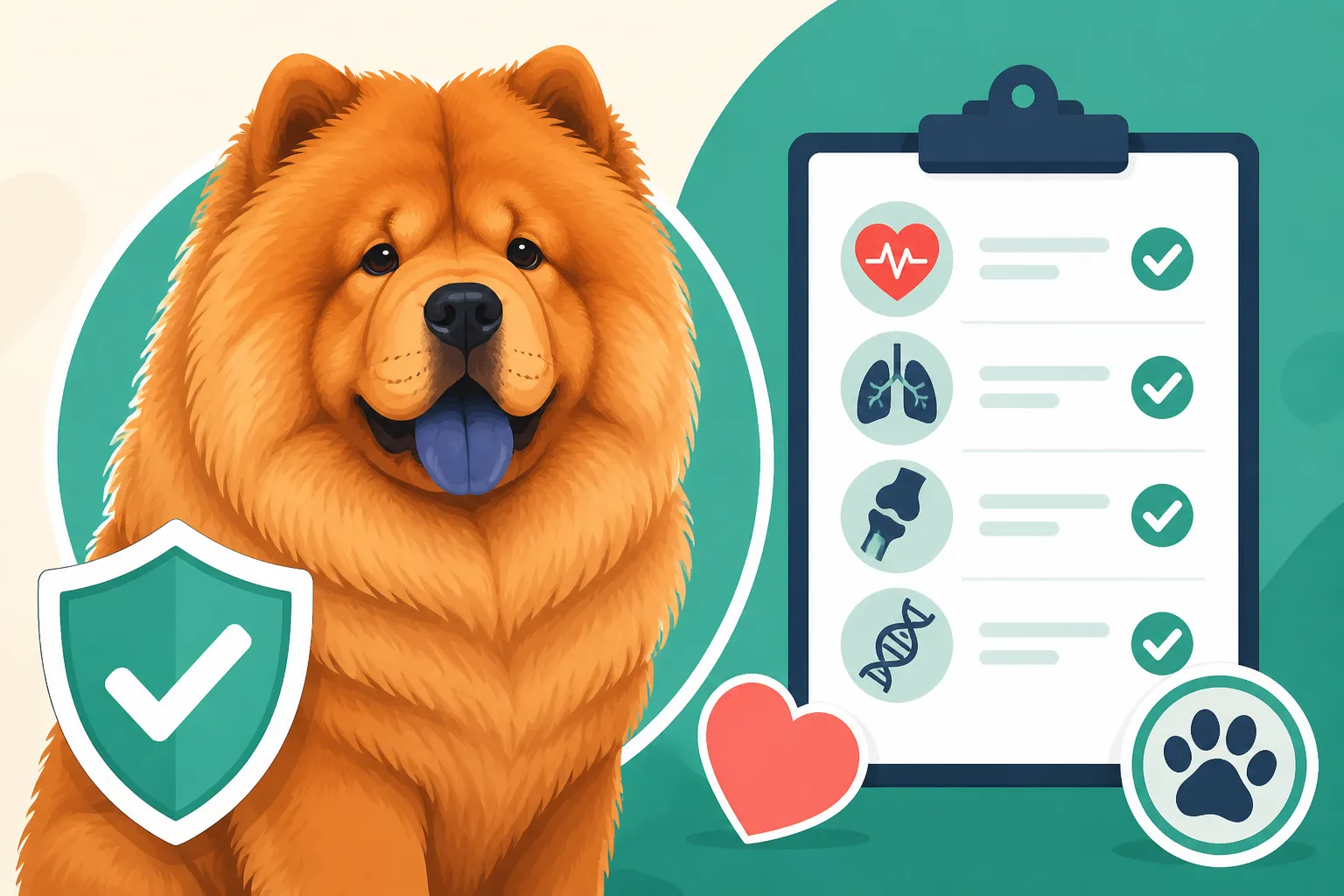
Bringing a Chow Chow into your life is an incredibly exciting journey, but it’s also one that comes with a lot of questions and, let's be honest, some anxiety. One of the biggest worries for any prospective owner is ensuring their future companion is healthy, and the sheer volume of health information can feel overwhelming. This guide is here to walk you through the essential health results a responsible Chow Chow breeder must be able to show you, helping you confidently choose a puppy that has the best possible start in life.
Why Health Testing Matters So Much for Chow Chows
It’s easy to fall in love with a fluffy Chow Chow puppy at first sight – those adorable wrinkles and that unique blue tongue are just captivating! However, responsible ownership begins long before you bring your pup home. Many purebred dogs, including our beloved Chows, can be prone to certain genetic health conditions. Without proper health testing by the breeder, you might unknowingly bring home a puppy with a higher risk for serious, painful, and very expensive problems down the line. It's not about being unlucky; it's about making informed choices based on diligent breeding practices.
The Hidden Costs of Unscreened Puppies
The initial price of a puppy, whether from a breeder or a rescue, is just the tip of the iceberg when it comes to ownership costs. If a puppy comes from parents who haven't been health-screened, you could be looking at a lifetime of veterinary bills, specialized care, and heartbreaking decisions. We're talking about potential surgeries for eye conditions, ongoing medication for joint pain, or even treatments for autoimmune disorders. These hidden costs can quickly eclipse the puppy's purchase price and take a massive emotional toll on both you and your dog. It's a tough reality, but understanding this upfront can save a lot of heartache.
Understanding Genetic Predispositions
Chow Chows, like many breeds, have certain genetic predispositions that responsible breeders work tirelessly to minimize. For example, What a Chow Chow Breeder Should Have Tested provides a great overview. This isn't about eliminating all risk – no living creature is guaranteed perfect health – but it's about stacking the odds in your favor. Genetic testing and physical evaluations of the parent dogs help identify carriers or affected individuals of conditions that could be passed down to their offspring. Knowing these predispositions empowers you to ask informed questions and ensures you're supporting breeders who are genuinely trying to improve the breed's health.
Essential Eye Certifications: OFA CAER for Chows
The Chow Chow’s deep-set eyes and distinctive facial structure are part of what makes them so unique, but these very traits can also predispose them to specific eye conditions. That’s why eye certifications are paramount. The Canine Eye Registry Foundation (CERF), now largely transitioned to the Orthopedic Foundation for Animals (OFA) Eye Certification Registry (CAER), is the standard for evaluating canine eye health. A veterinary ophthalmologist examines the dogs for a range of inherited eye diseases.
Entropion: A Chow Chow's Signature Eye Problem
Entropion is probably the most commonly discussed eye issue in Chow Chows, and for good reason. It's a condition where the eyelid rolls inward, causing the eyelashes and fur to rub against the cornea. This constant irritation can lead to pain, excessive tearing, conjunctivitis, and, most seriously, corneal ulcers, which can impair vision or even lead to blindness if left untreated. Entropion Is the Chow Chow's Signature Problem explains this in detail. A breeder should be able to show you current CAER certifications for both parent dogs, indicating they are free of entropion and other inheritable eye diseases. Early detection and responsible breeding are key to reducing the incidence of this painful condition.
Glaucoma: The Silent Blinder
Another critical eye condition that Chow Chows are predisposed to is glaucoma. This disease involves increased pressure within the eye, which can damage the optic nerve and lead to irreversible blindness. What makes glaucoma particularly insidious is how rapidly it can progress; a Chow Chow can lose vision in an affected eye in a matter of days if not treated immediately. Glaucoma Can Blind a Chow Chow in Days highlights the urgency. The OFA CAER exam screens for predispositions and existing conditions like glaucoma. While not all forms are purely genetic, understanding the risk factors through parent screening is vital. A conscientious breeder will ensure their breeding stock has clear eye exams annually.
Joint Health Screenings: Hips and Elbows
Beyond the eyes, joint health is another major consideration for Chow Chows. Their sturdy build and somewhat unique, stilted gait place particular demands on their skeletal structure. Hip and elbow dysplasia are unfortunately common issues in many larger breeds, and Chows are no exception. The OFA provides comprehensive certification for these joints, using radiographs (X-rays) to evaluate their structure and identify any signs of dysplasia.
Elbow Dysplasia: A Common Chow Chow Affliction
Elbow dysplasia is a complex condition that refers to several developmental abnormalities of the elbow joint, leading to pain, lameness, and arthritis. It's a significant concern in Chow Chows, with the breed ranking near the top for prevalence among those screened by OFA. Elbow Dysplasia Ranks the Chow Chow Near the Top gives more context on this. Affected dogs can suffer from chronic pain and reduced mobility, impacting their quality of life. Reputable breeders will have their breeding Chows' elbows X-rayed and certified by the OFA, with results typically graded as "Normal" or "Dysplastic" (Mild, Moderate, Severe). You should always ask to see these official reports.
Hip Dysplasia: Not Just for Big Dogs
While often associated with very large breeds, hip dysplasia can affect Chow Chows too. This condition occurs when the hip joint doesn't form correctly, leading to a loose joint that can eventually degenerate into painful arthritis. Dogs with hip dysplasia may experience lameness, difficulty rising, and a reluctance to exercise. The OFA evaluates hip radiographs and assigns a rating (Excellent, Good, Fair, Borderline, Mild, Moderate, or Severe Dysplasia). Breeders should only use dogs with "Good" or "Excellent" hip scores in their breeding program to minimize the risk of passing this painful condition on to puppies. It's an investment in the long-term comfort of every puppy they produce.
Thyroid and Other Important Health Tests
While eye and joint issues often take center stage in breed-specific health discussions, other conditions are also important to consider for Chow Chows. A holistic approach to health testing includes evaluating thyroid function and being aware of other genetic predispositions. This helps ensure a broader spectrum of potential health concerns is addressed.
Autoimmune Thyroiditis: What to Look For
Autoimmune thyroiditis is a condition where the dog's immune system attacks its own thyroid gland, leading to hypothyroidism (underactive thyroid). Symptoms can be subtle and varied, including weight gain, lethargy, skin problems, and coat changes like thinning or dryness. Autoimmune Disease in a Chow Chow explores broader autoimmune issues. The OFA maintains a thyroid registry, certifying dogs based on blood tests that measure thyroid hormone levels and the presence of autoantibodies. Breeders should have their Chows tested for thyroiditis, usually on an annual or bi-annual basis, to identify affected dogs and remove them from breeding programs if necessary. This helps reduce the incidence of this chronic condition in future generations.
Kidney and Heart Considerations
Beyond the commonly tested conditions, responsible breeders are also aware of other potential health issues. For Chow Chows, this might include Familial Renal Dysplasia, a genetic kidney disease that can affect young dogs, as detailed in Familial Renal Dysplasia Kills Young Chow Chows. While there isn't always a widely available DNA test for every condition, breeders should be transparent about any known issues in their lines and provide general health checks, including basic blood panels and potentially cardiac evaluations if there's a history of heart issues in the lineage. A thorough veterinary check-up for breeding dogs, including heart auscultation, is standard practice.
Decoding Health Certificates: What the Paperwork Means
When you're looking at prospective Chow Chow puppies, the breeder should be forthcoming with all health documentation. It's not enough for them to just say their dogs are tested; they need to show you the actual certificates. Understanding what these documents represent is crucial to making an informed decision. Don't be afraid to ask questions, even if they seem basic – a good breeder will appreciate your diligence.
Verifying OFA and CAER Results
The Orthopedic Foundation for Animals (OFA) is a central registry for canine health clearances. They offer a public database where you can often verify the health results of registered dogs. A breeder should be able to provide you with the registered names or OFA numbers of the parent dogs. You can then typically go to the OFA website and search for these dogs, checking their official hip, elbow, and thyroid scores, as well as their CAER eye exam results. This transparency is a hallmark of a reputable breeder. Always ensure the name on the certificate matches the dog you are being shown as the parent.
| Health Test | What it Screens For | Optimal Result to Look For | Typical Age of Screening |
|---|---|---|---|
| OFA CAER Eye Exam | Inheritable eye diseases like Entropion, Glaucoma, Cataracts, Progressive Retinal Atrophy. | "Normal" or "Clear" | Annually |
| OFA Hip Evaluation | Hip Dysplasia, a malformation of the hip joint. | "Excellent", "Good", or "Fair" | 24 months or older |
| OFA Elbow Evaluation | Elbow Dysplasia, abnormalities in the elbow joint. | "Normal" | 24 months or older |
| OFA Thyroid Panel | Autoimmune Thyroiditis and Hypothyroidism. | "Normal" with no autoantibodies detected. | 12 months or older, then annually/biennially |
Asking the Right Questions to Breeders
Beyond just reviewing the certificates, engage with the breeder. Ask them directly about their experience with these health conditions in their lines. Inquire about the health of the parent dogs' siblings and previous litters. Ask about their long-term goals for their breeding program and how they use health testing to achieve those goals. A good breeder will be knowledgeable, transparent, and eager to educate you. They may even recommend specific high-quality food brands like Ollie that support overall health and joint care, or suggest pet insurance providers like Healthy Paws to help cover unexpected vet bills, even for well-bred dogs. If they hesitate or become defensive, that’s a red flag. Remember, you're not just buying a puppy; you're investing in a healthy future for your new family member. Brands like Chewy also offer a wide range of products for special dietary needs if any health issues do arise.
Disclaimer
This article is for general informational purposes only and does not constitute professional advice. Laws, prices and regulations vary by location and change over time. Consult a qualified professional for guidance on your specific situation.