What the First Year With a Chow Chow Costs
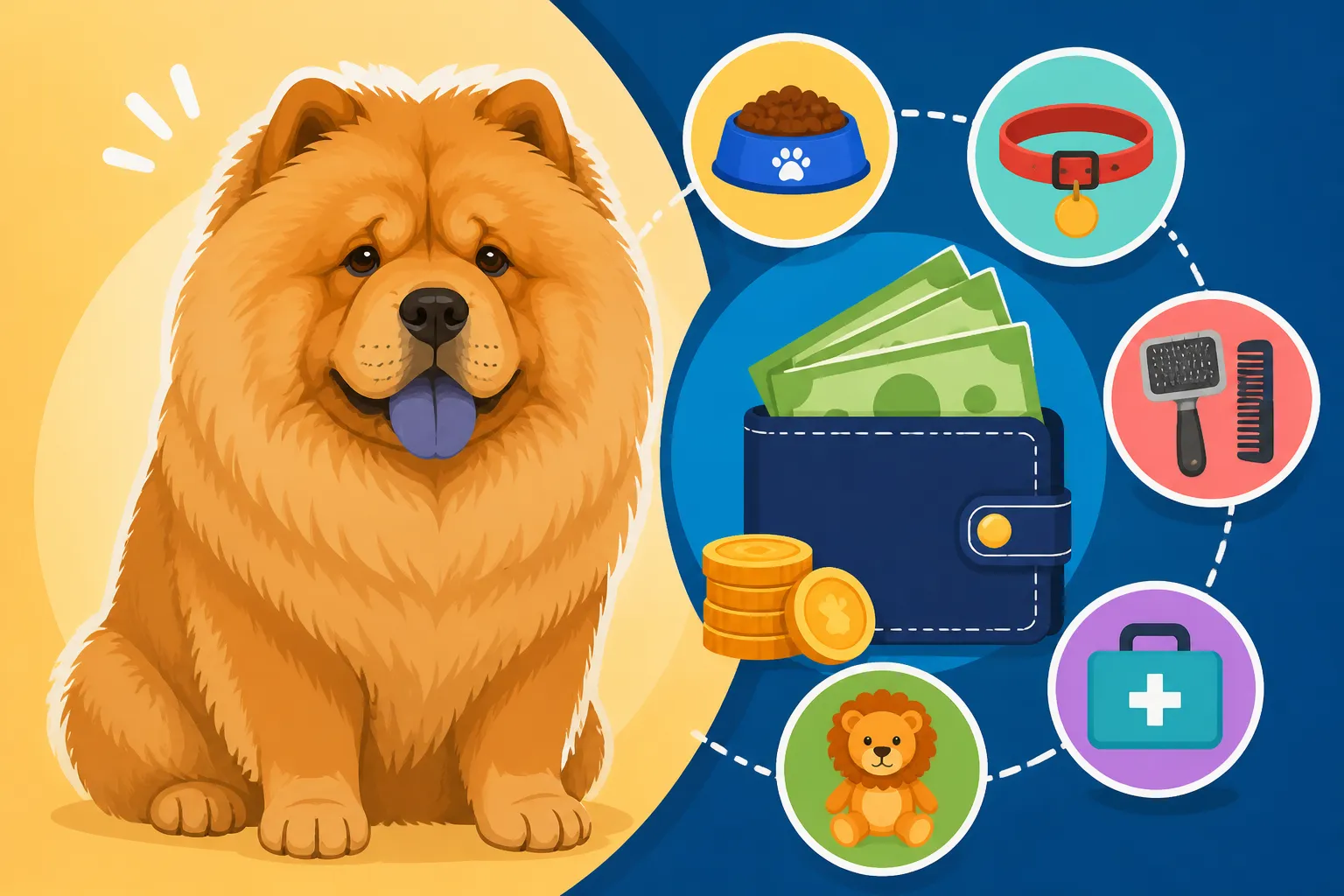
Bringing a Chow Chow into your life is an incredibly rewarding experience, but the reality is, it also comes with a significant financial commitment, especially during that whirlwind first year. Many new owners find themselves surprised by the cumulative costs beyond the initial purchase price, from essential puppy supplies to unexpected vet bills and ongoing care. This comprehensive guide is here to lay out exactly what you can expect to spend in your Chow Chow's first year, helping you budget wisely and prepare for a long, happy life together.
The Initial Investment: Bringing Your Chow Chow Home
The moment you decide to welcome a Chow Chow into your family is exciting, but it’s also when the initial financial considerations truly begin. This isn't just about the price tag of the puppy itself; it encompasses a whole suite of setup costs, medical necessities, and vital early care that all add up before your new furry friend even settles into their forever home. Understanding these upfront expenses is crucial for a smooth and stress-free transition.
The Cost of the Puppy Itself
Let's be honest, the price of a Chow Chow puppy can vary wildly, and it's often the first thing people consider, sometimes to their detriment. A well-bred Chow Chow from a reputable breeder, one who prioritizes health, temperament, and adherence to breed standards, will undoubtedly come with a higher price tag. This isn't just arbitrary; it reflects the significant investment the breeder has made in health testing, proper nutrition for the dam and puppies, early socialization, and ensuring the lineage is sound. Expect these costs to be at the higher end, but they are a testament to a healthier start for your puppy. To learn more about what goes into this, you might find our guide on What a Chow Chow Puppy Costs From a Breeder helpful.
On the other hand, if you stumble upon a Chow Chow puppy with a suspiciously low price, it’s a massive red flag that should prompt serious caution. Often, these lower prices are associated with puppy mills or backyard breeders who cut corners on critical care, health screenings, and responsible breeding practices. While the initial saving might seem appealing, these puppies often come with a host of hidden health problems or significant behavioral challenges down the line, ultimately leading to far greater expenses in vet bills and training. Always remember that a "cheap" puppy often turns out to be the most expensive in the long run.
Beyond breeders, adoption is another wonderful avenue. The cost of adopting a Chow Chow from a rescue organization is generally much lower than purchasing from a breeder, usually covering vaccination, spay/neneuter, and microchipping fees. While less common for young puppies, adult Chow Chows often find themselves in rescue, offering a fantastic opportunity to give a deserving dog a second chance. Regardless of where your Chow Chow comes from, ensure you're making an informed decision, prioritizing health and ethical practices above all else.
Initial Supplies and Setup
Once you’ve found your furry companion, you’ll need to transform your home into a safe and welcoming haven for them. This means stocking up on essential supplies, and the list can be extensive for a new puppy. You'll need a suitable crate that's appropriate for their adult size, comfortable bedding, food and water bowls, a sturdy leash and collar or harness, and an array of puppy-safe toys to keep them entertained and direct their chewing instincts. Don't forget grooming tools like brushes and a specialized shampoo – a Chow Chow's coat demands attention right from the start.
Beyond the basics, think about safety. Puppy-proofing your home is paramount, meaning investing in baby gates to block off restricted areas, securing hazardous items, and perhaps some bitter spray for tempting chew targets. You might also want to consider a dog bed for living areas, stain and odor removers (because accidents will happen), and plenty of training treats for those crucial early lessons. Many owners find it convenient to order these items online, with retailers like Chewy offering a vast selection and often delivery right to your door, which can be a lifesaver when you're busy with a new puppy.
It’s easy to get carried away in the excitement, but try to be pragmatic about your initial purchases. While it’s tempting to buy every cute toy, focus on durability and necessity first. Some items, like high-quality grooming tools, are an investment that will last for years, while others, like puppy pads, are temporary. Plan for roughly a few hundred dollars to get everything you need for that initial setup, knowing that some items will need replacing or upgrading as your Chow Chow grows.
First Vet Visits and Vaccinations
Bringing a new puppy home means an immediate trip to the veterinarian, often within the first 48-72 hours, to ensure they're healthy and to establish a relationship with your chosen vet. This initial visit is more than just a check-up; it's the beginning of a preventative health regimen that will span your dog's lifetime. Your vet will perform a comprehensive physical exam, check for parasites, and discuss their vaccination schedule. Puppies typically require a series of vaccinations over several weeks to build their immunity, which means multiple appointments.
These early veterinary visits will cover core vaccinations such as distemper, parvovirus, adenovirus, and rabies, among others. Depending on your region and your Chow Chow's potential exposure, your vet might also recommend non-core vaccines like leptospirosis or Lyme disease. Each of these appointments will incur examination fees, vaccine costs, and potentially deworming treatments. It’s also during this time that your vet will discuss microchipping, a crucial step for identification and recovery if your Chow Chow ever gets lost.
Beyond vaccinations, your vet will offer advice on nutrition, proper exercise, and early socialization – all vital components for raising a healthy and well-adjusted Chow Chow. They'll also discuss preventative medications for fleas, ticks, and heartworm, which are lifelong necessities we'll delve into more later. It's wise to budget a significant amount for these initial veterinary costs, as they are non-negotiable for your puppy's health and can easily run into several hundred dollars during those first few months. Establishing this relationship early will serve you well, preparing you for a lifetime of wellness exams, which are important for maintaining your Chow Chow's health. You can read more about How Often a Chow Chow Needs a Wellness Exam.
Ongoing Monthly Expenses for Your Chow Chow's First Year
Once your Chow Chow is settled in, the initial flurry of purchases gives way to a predictable rhythm of ongoing monthly expenses. These are the costs that continue throughout the first year and beyond, forming the backbone of your pet care budget. From keeping their belly full to maintaining their magnificent coat and ensuring they're well-behaved members of society, these regular outlays are crucial for their well-being.
Food and Nutrition
Feeding a growing Chow Chow puppy, and eventually an adult, is one of your most significant recurring expenses. The choice of food will heavily influence this cost, with premium, high-quality kibble or fresh food diets being more expensive than generic brands, but often offering better nutritional value. A Chow Chow, despite its size, often eats less than you might expect, but the quality of their food is paramount for their growth and development, especially to support their bone and joint health. When looking for food, consider brands that offer large breed puppy formulas, as these are specifically designed to promote slow, steady growth, which is vital for preventing skeletal issues like elbow or hip dysplasia.
Many owners opt for specialized diets or fresh food options like those offered by Ollie, which deliver pre-portioned, human-grade meals tailored to your dog's specific needs. While these options tend to be pricier, many believe the health benefits, such as improved digestion, better coat quality, and sustained energy, are well worth the investment. However, even with traditional kibble, ensure you’re choosing a brand with quality ingredients, as good nutrition is the foundation of good health. It’s worth noting that How Much an Adult Chow Chow Eats might surprise you, as they aren't typically voracious eaters, which can help manage costs somewhat.
Remember to factor in treats, too! These aren't just for spoiling your Chow Chow; they're essential tools for training and positive reinforcement. Opt for healthy, low-calorie options, especially during intense training periods. It’s also wise to buy food in larger bags when possible, as this often results in a lower cost per pound, saving you money in the long run. Keep an eye out for sales and loyalty programs from your chosen brand or retailer.
Grooming Essentials
The Chow Chow's iconic double coat, whether rough or smooth, demands consistent grooming to stay healthy, prevent matting, and manage shedding. This isn't a "set it and forget it" task; it's a regular commitment that comes with its own set of costs. Basic home grooming supplies are essential: a high-quality slicker brush, a sturdy comb (especially a metal greyhound comb), an undercoat rake, and a strong dog-specific shampoo and conditioner. Expect to spend a fair amount on these tools initially, but they are investments that will last. Learning How Often a Rough Coated Chow Chow Needs Brushing is crucial.
While you can do a lot of the grooming yourself, many Chow Chow owners choose to supplement home care with professional grooming, especially during seasonal coat blows. Professional groomers have the expertise and specialized equipment, like high-velocity dryers, to thoroughly de-shed and bathe your Chow Chow, preventing mats and skin issues that can arise from dampness or trapped undercoat. These appointments can be costly, and the frequency will depend on your dog’s individual coat, your ability to keep up with home grooming, and your budget.
Beyond the coat, you'll need to consider nail trims, ear cleaning solution, and supplies for wiping down their facial folds to prevent irritation and infection. If you're uncomfortable trimming nails at home, your vet or groomer can usually do it for a fee. Regular grooming isn't just about aesthetics; it’s a crucial part of your Chow Chow's health, preventing painful mats, skin infections, and discomfort. Neglecting grooming can lead to expensive veterinary interventions down the road.
Training and Socialization
Bringing up a well-adjusted Chow Chow requires a significant investment in training and socialization, particularly during their impressionable puppyhood. These dogs are known for their independent and somewhat aloof nature, making early, consistent, and positive training absolutely essential. Puppy classes are an excellent way to start, providing structured learning in a controlled environment while also offering vital exposure to other dogs and people. These classes can range in price, but they are an invaluable investment in your Chow Chow's future behavior.
Beyond basic obedience, socialization is paramount for a Chow Chow puppy. Their natural wariness means they need to be introduced to a wide variety of sights, sounds, people, and other animals from a young age in a positive manner. Enrolling in puppy socialization classes or even seeking guidance from a professional trainer for one-on-one sessions can make a world of difference. The cost of What Puppy Socialization Classes Cost a Chow Chow Owner is money well spent to help them become confident and secure adults.
Remember, a well-trained Chow Chow is a joy to live with, while an undersocialized or untrained one can pose significant challenges. Investing in good training resources early can prevent costly behavioral consultations or even difficult living situations later on. While some training can be done at home with online resources, the hands-on guidance of a professional trainer is often indispensable for a breed like the Chow Chow, helping you navigate their unique temperament and build a strong, respectful bond.
Health and Wellness Costs in the First Year
The first year of your Chow Chow's life is a critical period for establishing a strong foundation of health. Beyond the initial vaccinations, there are ongoing preventative care measures, essential surgeries, and the ever-present possibility of unexpected health issues that can significantly impact your budget. Being prepared for these costs is just as important as planning for their food and toys.
Preventative Care: Flea, Tick, and Heartworm
Ongoing preventative medications are a non-negotiable part of responsible Chow Chow ownership. Flea, tick, and heartworm prevention are essential year-round, regardless of where you live or the season. These medications protect your dog from parasites that can cause serious, and sometimes fatal, illnesses. Heartworm disease, transmitted by mosquitoes, is particularly dangerous and costly to treat, making prevention the far more sensible and humane option.
These preventative medications are typically administered monthly or every three months, depending on the product, and are prescribed by your veterinarian. The cost can vary depending on the brand and your Chow Chow's weight. It's a steady monthly expense that you absolutely must factor into your budget. Neglecting these preventatives not only puts your dog at risk but can also lead to far more expensive treatments if they contract one of these diseases.
Discuss the best options for your Chow Chow with your vet, as there are various forms available, including oral medications and topical treatments. Sometimes, buying these medications in bulk or through a veterinarian's online pharmacy can offer some cost savings. Many pet owners also subscribe to services that deliver these medications automatically, ensuring they never miss a dose, which is especially helpful when balancing the many responsibilities of puppy parenthood.
Spaying or Neutering Expenses
Unless you're planning to responsibly breed your Chow Chow (a decision that requires extensive research, health testing, and a deep understanding of the breed standard), spaying or neutering is a highly recommended procedure usually performed during their first year. This common surgical procedure offers numerous health and behavioral benefits, including preventing unwanted pregnancies, reducing the risk of certain cancers (like mammary tumors in females and testicular cancer in males), and potentially curbing some hormone-driven behaviors like marking or roaming.
The cost of spaying or neutering can vary significantly based on your location, the veterinary clinic, and your dog's size and sex. Female spays are generally more involved and thus more expensive than male neuters. Some clinics offer low-cost spay/neuter programs, which can be a valuable resource for budgeting. It’s important to discuss the optimal timing for this surgery with your vet, as recent research suggests that waiting until a dog is more mature can be beneficial for joint development, especially in larger breeds. This decision will impact when this particular expense hits your first-year budget.
While it's a one-time cost, it's a significant one. Budgeting for What Spaying or Neutering a Chow Chow Costs in advance will help alleviate any financial stress when the time comes. Remember to factor in any pre-surgical bloodwork, pain medication, and post-operative check-ups, which are often included in the total fee but should be confirmed with your vet.
Unexpected Illnesses and Accidents
Even with the best preventative care, puppies, like children, can have unexpected health issues or accidents. This is where an emergency fund or pet insurance truly shines. Chow Chows, for instance, are prone to certain breed-specific conditions such as entropion (where the eyelid rolls inward), which can manifest early in life. While a reputable breeder screens for these issues, and many will offer health guarantees, there's always a possibility of unforeseen circumstances. You can learn more about The Age Entropion Shows in a Chow Chow Puppy to be prepared.
A curious puppy might ingest something they shouldn't, take an accidental tumble, or develop a sudden illness like a gastrointestinal upset. These situations can quickly lead to emergency vet visits, diagnostic tests (X-rays, bloodwork), medications, or even surgery, all of which come with substantial costs. It's not uncommon for a single emergency visit to cost hundreds or even thousands of dollars, making a dedicated emergency fund or comprehensive pet insurance an absolute necessity.
Don't underestimate the financial impact of a sudden health crisis. Having a plan in place – whether it's a savings account specifically for vet emergencies or a robust pet insurance policy – can mean the difference between getting your Chow Chow the life-saving care they need and facing heartbreaking financial decisions. Always hope for the best, but prepare for the worst when it comes to your pet's health.
Insuring Your Chow Chow: Peace of Mind vs. Upfront Costs
Pet insurance is a topic that often sparks debate among new pet owners. For many, it's a vital safety net that provides peace of mind, especially with a breed like the Chow Chow, which can be prone to certain genetic conditions. However, it also represents an additional monthly cost that some owners initially balk at. Understanding how pet insurance works and what it offers can help you decide if it's the right choice for your family and your Chow Chow.
Understanding Pet Insurance Premiums
Pet insurance premiums are the monthly or annual fees you pay to maintain your coverage, much like health insurance for humans. These premiums are influenced by several factors: your Chow Chow's age (puppies are usually cheaper to insure), their breed (breeds prone to more health issues might have higher premiums), your location, and the specific plan you choose. Plans vary widely in their coverage limits, deductibles, and reimbursement percentages.
When comparing policies, look closely at what's covered. Most policies cover accidents and illnesses, but some offer additional wellness plans for routine care like vaccinations and annual check-ups. Consider your budget and your comfort level with potential out-of-pocket expenses. A higher deductible will typically lead to a lower monthly premium, but it means you'll pay more upfront if your Chow Chow needs significant veterinary care. Companies like Healthy Paws are well-known in the industry, offering various plans, so it's always worth getting multiple quotes to find the best fit.
Enrolling your Chow Chow in pet insurance when they are young and healthy is often the most cost-effective approach. Pre-existing conditions are typically excluded from coverage, so waiting until an issue arises means that particular condition won't be covered. By insuring them early, you protect against a wide range of potential future health problems.
What Pet Insurance Typically Covers for Puppies
For puppies, pet insurance can be particularly beneficial. During their first year, puppies are prone to all sorts of mishaps – from curious ingestions to minor injuries from play. A good policy will cover veterinary visits, diagnostics, treatments, and even emergency care related to these accidental injuries or sudden illnesses. This can include things like broken bones, foreign object removal, or treatment for unexpected infections.
Beyond accidents, pet insurance often covers a range of illnesses that might develop in puppyhood, from gastrointestinal issues to allergies. Some plans also offer optional wellness riders that help offset the costs of routine care such as annual exams, vaccinations, and even spaying or neutering. While these riders increase your premium, they can help budget for predictable expenses, making them more manageable.
It's crucial to read the fine print and understand waiting periods. Most policies have a short waiting period for accidents (e.g., a few days) and a longer one for illnesses (e.g., 14-30 days) before coverage kicks in. This means you can't sign up for insurance today and expect immediate coverage for a condition that appears tomorrow. Plan ahead and enroll your Chow Chow well before any anticipated needs.
Navigating Breed Restrictions
Unfortunately, when it comes to pet insurance, and even homeowners' insurance, some breeds face restrictions or higher premiums due to perceived health risks or temperament concerns. While the Chow Chow isn't typically on the same "banned breed" lists as some others for general liability insurance, their breed-specific health predispositions can sometimes influence pet insurance rates. Some insurers might have specific clauses or higher deductibles for conditions common in Chow Chows, such as certain eye conditions or orthopedic issues.
It's vital to research and compare policies carefully, asking direct questions about any breed-specific exclusions or higher costs related to your Chow Chow's known health risks. For example, some policies might treat entropion, a common Chow Chow eye issue, differently if it's considered a congenital or hereditary condition. Our article on Whether Pet Insurance Excludes a Chow Chow's Eyes can shed more light on this. It pays to be proactive and ensure you understand exactly what you're buying.
Don't let potential restrictions deter you from getting insurance altogether. Many excellent providers understand the specific needs of different breeds and offer comprehensive coverage. The peace of mind that comes from knowing you can afford the best veterinary care for your beloved Chow Chow, without draining your savings, is often invaluable. Just be an informed consumer and choose a policy that truly protects your furry family member.
Miscellaneous and Hidden Costs to Consider
Beyond the obvious expenses like food, vet care, and insurance, there are many smaller, often overlooked costs that can add up during your Chow Chow's first year. These "hidden" expenses might not be significant on their own, but collectively, they can make a noticeable dent in your budget. Being aware of them upfront helps you avoid financial surprises and ensures you're fully prepared for all aspects of Chow Chow ownership.
Licensing, Microchipping, and Identification
Responsible pet ownership begins with proper identification. In many municipalities, it's a legal requirement to license your dog annually. The cost of a dog license is typically modest, but it's a recurring expense that needs to be factored in. Licensing not only helps identify your dog if they get lost but also often contributes to local animal services and shelters.
Microchipping, while usually a one-time fee often done during a puppy’s initial vet visits or when adopted from a rescue, is another critical form of identification. A microchip is a tiny transponder, about the size of a grain of rice, implanted under your dog's skin, and registered with your contact information. If your Chow Chow ever goes missing and is found, a vet or shelter can scan the chip to retrieve your details. The initial cost for the chip and registration is a small price to pay for the increased chance of being reunited with your lost pet.
Beyond licensing and microchipping, consider personalizing your Chow Chow's collar with an engraved tag displaying your phone number and address. This immediate visual identification can be invaluable. While these might seem like small costs, they are fundamental to your dog's safety and your peace of mind.
Puppy-Proofing Your Home
Bringing a curious, playful Chow Chow puppy into your home means looking at your environment through entirely new eyes. What seems harmless to you can be a dangerous temptation for a puppy. Puppy-proofing involves more than just picking up loose items; it's about creating a safe zone where your dog can explore without risk to themselves or your belongings. This might involve investing in baby gates to block off stairs or rooms you don't want them in, securing electrical cords, and putting away cleaning supplies, medications, and toxic plants.
Think about furniture and chew hazards. Puppies love to chew, and if not given appropriate outlets, they'll turn to your table legs, shoes, or anything else they can get their mouths on. Durable chew toys are essential, but sometimes bitter apple spray or other deterrents might be needed for specific items. Consider the potential damage a chewing puppy can inflict on your property, and factor in the cost of protecting your home, even if it's just replacing a few throw rugs with more durable options initially.
This upfront investment in puppy-proofing can save you far more in potential vet bills for ingested foreign objects or emergency repairs to damaged property. It's about setting your Chow Chow up for success and minimizing opportunities for them to get into trouble. While there's no specific internal link for puppy-proofing, the general health and behavior articles touch on safety, such as Whether a Chow Chow Puppy Should Climb Stairs which highlights how certain home features can impact their developing bodies.
Emergency Fund and Savings
I’ve touched on this before, but it bears repeating: building an emergency fund specifically for your Chow Chow is one of the most responsible financial decisions you can make. Even with pet insurance, most policies involve a deductible and a co-pay, meaning you’ll still have some out-of-pocket expenses, especially for unexpected illnesses or accidents. An emergency fund acts as a buffer for these situations, preventing you from having to dip into personal savings or go into debt for your dog’s care.
Aim to save at least several hundred to a thousand dollars (or more, if possible) dedicated solely to unexpected veterinary emergencies. This fund can cover everything from an urgent evening vet visit for a sudden illness to covering your deductible if a major surgery is needed. Having this financial cushion provides immense relief during stressful times, allowing you to focus on your Chow Chow's recovery rather than scrambling to pay bills.
Remember, owning a Chow Chow is a long-term commitment, potentially spanning The Eight to Twelve Years a Chow Chow Gets. While this article focuses on the first year, establishing a habit of saving for pet emergencies from the outset will serve you well for their entire lifespan. It's a testament to your love and dedication, ensuring you can always provide the best for your furry family member.
A Sample Budget for Your Chow Chow's First Year
Let's pull all these expenses together to give you a clearer picture of what the first year with a Chow Chow might look like financially. It's easy for the individual costs to feel manageable, but when aggregated, they can represent a substantial investment. This sample budget is designed to give you a realistic overview, helping you prepare for the financial journey ahead.
Breaking Down the First Year's Costs
To help visualize these expenses, let's create a hypothetical breakdown. Please remember these figures are illustrative and will vary significantly based on your choices (e.g., premium food vs. budget kibble, extensive training vs. basic), your location, and your dog's individual health needs. They do not represent actual prices.
| Expense Category | Initial One-Time Cost | Monthly Recurring Cost | Annual/Periodic Cost |
|---|---|---|---|
| Purchase/Adoption | Substantial | – | – |
| Initial Supplies | Moderate to Substantial | – | – |
| Vet Visits & Vaccinations | Moderate to Substantial | – | Moderate (post-puppy shots) |
| Food & Treats | – | Moderate | – |
| Grooming (DIY & Pro) | Moderate (tools) | Small to Moderate | Moderate (pro grooms) |
| Training & Socialization | Moderate to Substantial | Small (ongoing) | – |
| Preventative Meds | – | Small | – |
| Spay/Neuter | Moderate | – | – |
| Pet Insurance | – | Moderate | – |
| Licensing/Microchip | Small | – | Small (renewal) |
| Emergency Fund | – | Variable (savings) | – |
| Total (Approx.) | Varies widely | Moderate | Moderate to High |
This table illustrates that the first year is often weighted heavily by upfront costs and then settles into a rhythm of monthly expenses. The "Initial One-Time Cost" column can easily run into the thousands, especially when you factor in the purchase price of a well-bred puppy. Monthly costs for food, preventatives, and insurance can range from comfortable to significant, while periodic professional grooming or booster shots will add to the annual total.
Strategies for Saving Money
While owning a Chow Chow comes with costs, there are smart ways to manage your budget without compromising on care. One of the best strategies is to buy in bulk when it comes to food and some supplies, especially if you have ample storage space. Retailers like Chewy often offer discounts for larger quantities or for setting up recurring auto-shipments. This ensures you always have essentials on hand and often at a better price.
Secondly, learning basic home grooming techniques can significantly reduce your reliance on expensive professional groomers. Investing in a good quality high-velocity dryer and brushes upfront, and regularly brushing your Chow Chow's coat, can prevent matting and make professional visits less frequent and potentially less costly. Remember, prevention is key, both in grooming and health; keeping your dog well-maintained at home often means fewer costly emergencies later.
Lastly, being diligent about preventative care and nutrition can save you a fortune in future vet bills. A healthy diet, regular exercise, and consistent parasite prevention minimize the risk of expensive illnesses. Don't skimp on quality food; a slightly higher monthly food bill can prevent far costlier medical issues down the road. Also, consider "DIY" training at home with free online resources, supplementing with professional classes as needed, rather than committing to expensive, long-term programs right away.
Long-Term Financial Planning
The first year is just the beginning of a beautiful journey with your Chow Chow. As they mature, their needs will change, and so will some of the associated costs. Puppies have specific vet visits and training needs, while adult dogs require ongoing maintenance, and senior Chow Chows will often need more specialized care. Planning for the long term means recognizing that these costs will continue and evolve throughout their entire life.
Continue to maintain your emergency fund, as older dogs are more prone to chronic conditions or age-related issues. Revisit your pet insurance policy annually to ensure it still meets your needs and budget as premiums may adjust with age. Factor in potential costs for things like dental care, which often becomes necessary as dogs age, and consider that What a Chow Chow's Yearly Bloodwork Should Cover will grow more comprehensive as they get older.
Ultimately, the financial commitment of owning a Chow Chow is considerable, but the love, companionship, and joy they bring are immeasurable. By understanding and proactively planning for these expenses, you can ensure a stable and happy home for your beloved Chow Chow for many years to come, providing them with all the care they deserve.
Disclaimer
This article is for general informational purposes only and does not constitute professional advice. Laws, prices and regulations vary by location and change over time. Consult a qualified professional for guidance on your specific situation.