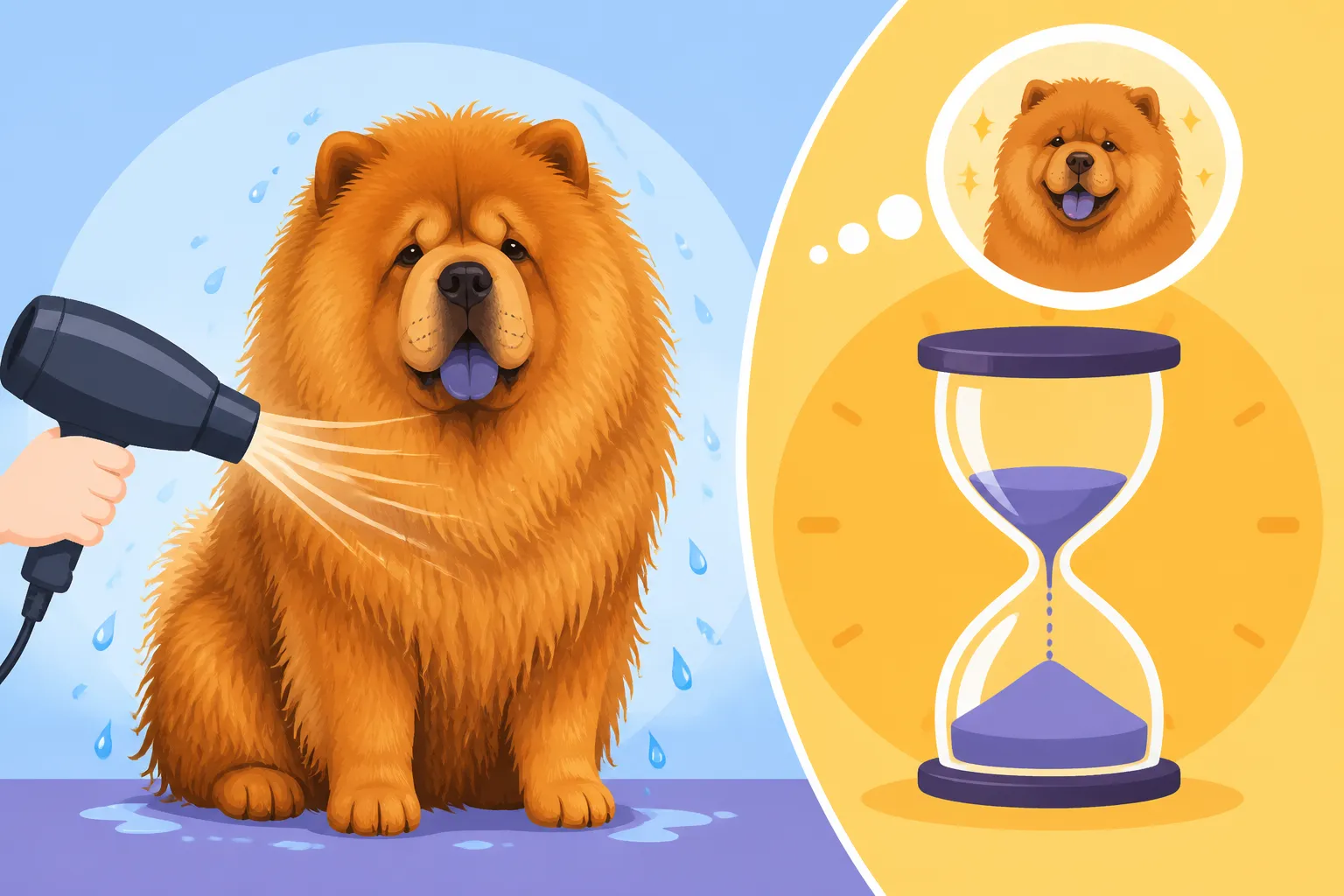
Why a Chow Chow Takes Two Hours to Dry
If you’ve ever found yourself with a sopping wet Chow Chow after a bath or a rainy walk, you know the struggle is real: getting that magnificent coat fully dry can feel like an endless chore. It’s not just you; it truly does take what feels like an eternity. This guide will walk you through exactly why your Chow Chow’s distinctive coat holds onto moisture like a sponge and what you can do to make the drying process more efficient and safer for your furry friend.
The Anatomy of a Chow Chow's Double Coat
The secret, or perhaps the bane, of a Chow Chow owner's drying woes lies deep within their iconic double coat. Unlike many breeds with single coats, the Chow Chow is equipped with two distinct layers of fur, each playing a crucial role in insulating them from harsh weather, but also making them incredibly challenging to dry. Understanding these layers is the first step to conquering bath time.
The Dense Undercoat
Beneath the visible top layer lies a remarkably thick, soft, and woolly undercoat. This layer is designed by nature to provide exceptional insulation against both cold and heat. Think of it like a down feather jacket for your dog. Each strand of this undercoat is fine and numerous, growing incredibly close together. When it gets wet, this undercoat absorbs water like a highly efficient sponge. It’s not just a little damp; it gets utterly saturated, holding onto moisture right down to the skin. This dense collection of wet, woolly hair creates a barrier that prevents air from circulating freely, making it incredibly difficult for the water to evaporate naturally. It's the primary reason why just towel-drying a Chow Chow is largely ineffective, as the towels simply can't reach and absorb the moisture trapped deep within this protective layer.
The Coarse Outer Coat
Layered over that absorbent undercoat is the Chow Chow’s protective outer coat, often called guard hairs. This layer is typically coarser, straighter, and longer, especially noticeable in the "rough coat" variety that gives them their lion-like mane. The outer coat acts like a protective shield, repelling dirt and providing an additional layer of weatherproofing. While these individual hairs don't absorb as much water as the undercoat, their sheer volume and density create a canopy that traps moisture beneath it. Imagine trying to dry a thick, shaggy rug; the top might feel dry, but underneath, the pile is still soaking. This outer coat holds water in, preventing it from wicking away or evaporating. Furthermore, the outer coat can become matted or tangled if not properly brushed, and these mats can create even more pockets where water can stubbornly cling, prolonging the drying process immensely. For a deeper dive into these layers, you might find What a Chow Chow's Double Coat Is Made Of insightful.
How the Coat Traps and Holds Moisture
It’s not just the presence of two coats, but the way they interact and what happens within them when wet, that truly exacerbates the drying challenge. The Chow Chow’s coat isn't merely two layers; it's a complex system that, while brilliant for protection, becomes a veritable swamp when introduced to water.
The Problem of Wet Undercoat and Dead Hair
When your Chow Chow gets wet, water quickly penetrates the coarser outer coat and saturates the dense undercoat. This undercoat then swells and clumps together. If your Chow Chow is going through a "coat blow" – the seasonal shedding of their undercoat – the problem is even worse. Dead, loose undercoat gets trapped within the healthy hair, creating even more insulating layers that cling to water. This matting of wet, dead hair and healthy fur forms a nearly impermeable barrier. The water gets trapped deep against the skin, and without forceful airflow or proper brushing, it simply stays there. This is why you can spend an hour towel drying, and your Chow Chow still feels damp when you push your fingers through their fur. The surface might be dry, but the core of their coat is still saturated, making them feel heavy and clammy.
The Insulating Effect of a Wet Coat
Ironically, the very feature that protects a Chow Chow from the elements—its incredible insulating coat—works against you during drying. Just as the coat keeps cold out and warmth in, a wet coat keeps moisture in and drying air out. The dense, saturated fur creates a barrier that prevents natural evaporation. Air simply cannot penetrate through the thick, wet layers to reach the skin and lift the moisture away. This means that if you simply let your Chow Chow "air dry," not only will it take many, many hours, but it also creates a damp, warm environment ripe for trouble. The moisture can become stagnant, leading to unpleasant odors, skin irritation, and even infections. This is a critical point: letting a Chow Chow air dry is rarely a good idea, as it carries risks beyond just inconvenience. You need to ensure they are dried to the skin, and that takes more than just time; it takes specific techniques. To understand the importance of this, read Why a Chow Chow Must Be Dried to the Skin.
The Drying Process: Techniques and Tools for Success
Given the challenges of the Chow Chow’s coat, a casual towel-off just won’t cut it. You need a strategic approach, proper tools, and a good dose of patience to get them thoroughly dry and prevent potential health issues.
Essential Pre-Drying Steps
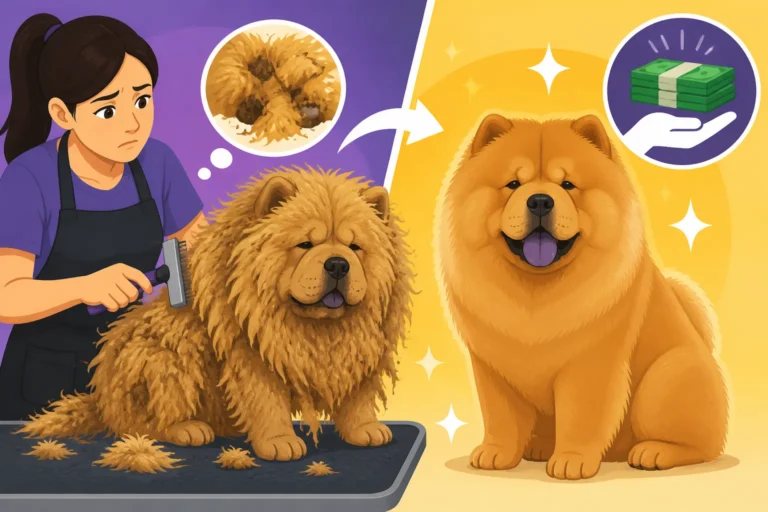
Before you even think about bringing out the dryer, there are some crucial steps to take. First, after the bath, use highly absorbent towels to squeeze and blot as much water out of the coat as possible. Don't rub vigorously, as this can tangle the fur and create mats. Instead, gently press the towels against sections of the coat, absorbing excess water. Once the initial soaking wetness is reduced, a thorough pre-dry brush-out is vital. Using an undercoat rake and a slicker brush, carefully work through the coat to remove any loose, dead hair that will only hold more moisture and impede drying. This process helps to separate the hairs, allowing air to penetrate more easily later on. Think of it as opening up channels for the air to flow through. You might find guidance on specific tools and techniques in Whether an Undercoat Rake Suits a Chow Chow. Removing this dead hair beforehand significantly cuts down on drying time and prevents matting.
The Power of the High-Velocity Dryer
For a Chow Chow, a simple human hairdryer is usually insufficient and can even be dangerous due to overheating the skin. The real hero in drying a Chow Chow is a high-velocity force dryer (also known as a pet blaster). These dryers don't use heat but rather powerful, concentrated airflow to literally blast water out of the coat. The force of the air separates the hair shafts, allowing the water to be blown off the dog and out of the coat.
Start by using the dryer on the lowest setting and accustom your Chow Chow to the noise and sensation. Gradually increase the power. Work in sections, starting from the rear and moving forward. Point the nozzle directly at the skin, lifting the hair as you go to ensure the air reaches the undercoat. As you dry, continuously brush with a slicker brush or a pin brush. This technique, often called "line brushing," involves parting the hair in small sections and drying from the skin out, layer by layer. This simultaneously untangles, removes any remaining loose hair, and ensures every part of the undercoat gets direct airflow. This active brushing and drying prevents the coat from clumping back together and traps lingering moisture. You can find detailed instructions on How to Line Brush a Chow Chow. You can find a wide range of these powerful dryers and accompanying brushes on sites like Chewy, which makes sourcing the right equipment much easier. The investment in a good quality high-velocity dryer and robust grooming tools will save you countless hours and potential vet bills in the long run. To understand the financial aspect, check out What a High Velocity Dryer Costs a Chow Chow Owner.
The Importance of Brushing While Drying
It cannot be stressed enough: you must brush your Chow Chow continually throughout the drying process. Simply pointing a dryer at them isn't enough. As the high-velocity air works to separate the hair and push out water, the brushing action helps to lift and detangle the individual strands of the undercoat. This ensures that the air can reach deep down to the skin, which is where moisture loves to hide. Without brushing, you risk drying only the outer layer, leaving the undercoat damp and prone to matting and skin issues. Using a slicker brush, work in small sections, brushing against the growth of the hair to lift it, and then directing the dryer nozzle into the lifted fur. Then, brush the hair back down in the natural direction. This back-and-forth action, focusing on small areas until they are completely dry to the skin, is the most effective way. Pay particular attention to dense areas like the ruff, the britches, and behind the ears, where mats often form and moisture is most stubborn.
Common Pitfalls and How to Avoid Them
Even with the right tools, it’s easy to make mistakes that can prolong drying or, worse, lead to health problems for your Chow Chow. Being aware of these common pitfalls can help you navigate bath time like a pro.
The Dangers of Incomplete Drying
Perhaps the most significant mistake an owner can make is not drying a Chow Chow completely to the skin. It’s tempting, after an hour or more of drying, to assume they’re "good enough." But a partially damp undercoat is a recipe for disaster. The warm, moist environment trapped against the skin is the perfect breeding ground for bacteria and fungi, leading to uncomfortable and often painful hot spots or skin infections. These can rapidly develop, causing intense itching, redness, and even open sores. The heavy, damp fur can also develop mildew, leading to a distinct, unpleasant odor that no amount of superficial drying will fix. In severe cases, these skin issues can require veterinary intervention, including antibiotics, anti-fungal medications, and medicated shampoos, which can be both time-consuming and costly. If you're concerned about unexpected vet bills from issues like hot spots, services like Healthy Paws can offer peace of mind. To understand more about the risks, consider reading Why a Damp Chow Chow Gets Skin Trouble.
The Temptation of Air Drying and Improper Heat Use
While it might seem easier to just let your Chow Chow air dry, especially if they’re tolerant of it, this is generally not recommended for the reasons mentioned above (skin infections, mildew). The sheer density of their coat means "air drying" can take 8-12 hours or even longer, leaving them vulnerable to problems for an extended period. Similarly, using a human hairdryer might seem like a good idea, but these dryers are designed to produce much higher heat than is safe for a dog's skin. Overheating can cause skin burns, especially on sensitive areas, and can quickly lead to heatstroke in a breed already prone to overheating due to their thick coat. High heat can also damage the coat itself, making it brittle. Always opt for a force dryer designed for pets, which prioritizes airflow over extreme heat. If you're curious about air drying specifically, Whether a Chow Chow Should Air Dry provides more details.
Patience and Consistency are Key
Drying a Chow Chow is not a quick task; it's a commitment. Rushing the process almost guarantees an incomplete job and potential problems. Allocate ample time—at least two hours, and sometimes more for a very plush coat or during a coat blow. Break the drying into manageable sessions if needed, especially if your Chow Chow is new to the process or easily fatigued. Consistency in regular grooming and drying builds tolerance and makes future sessions smoother. Start training your Chow Chow puppy early to accept grooming tools and the dryer, making it a positive experience with treats and praise. This upfront investment in time and training will pay dividends over the lifetime of your Chow Chow, ensuring they are not only clean and beautiful but also healthy and comfortable in their amazing coat.
Chow Chow Drying Methods Comparison
To summarize the best approaches for drying your Chow Chow, here's a quick comparison of methods:
| Method | Pros | Cons | Effectiveness for Chow Chows | Time Required |
|---|---|---|---|---|
| Air Drying | No equipment needed, minimal effort from owner | Very long drying time (8-12+ hours), high risk of skin infections/mats, odor development | Very Low | Very Long |
| Towel Drying Only | Simple, reduces initial wetness | Does not penetrate undercoat, leaves dog damp, still prone to mats/odor | Low | Still Long |
| Human Hairdryer | Readily available | High risk of skin burns/overheating, insufficient airflow, can damage coat | Very Low | Moderate-Long |
| High-Velocity Dryer | Most effective, blasts water out, faster | Initial investment in equipment, noise can be an issue for some dogs, requires training and technique | High | 1.5 – 3 hours |
| Professional Groomer | Expert care, proper equipment, thorough | Costly for regular appointments, dog may still be stressed | Very High | Varies by salon |
Disclaimer
This article is for general informational purposes only and does not constitute professional advice. Laws, prices and regulations vary by location and change over time. Consult a qualified professional for guidance on your specific situation.