Whether a Chow Chow Owner Needs a Second Vacuum
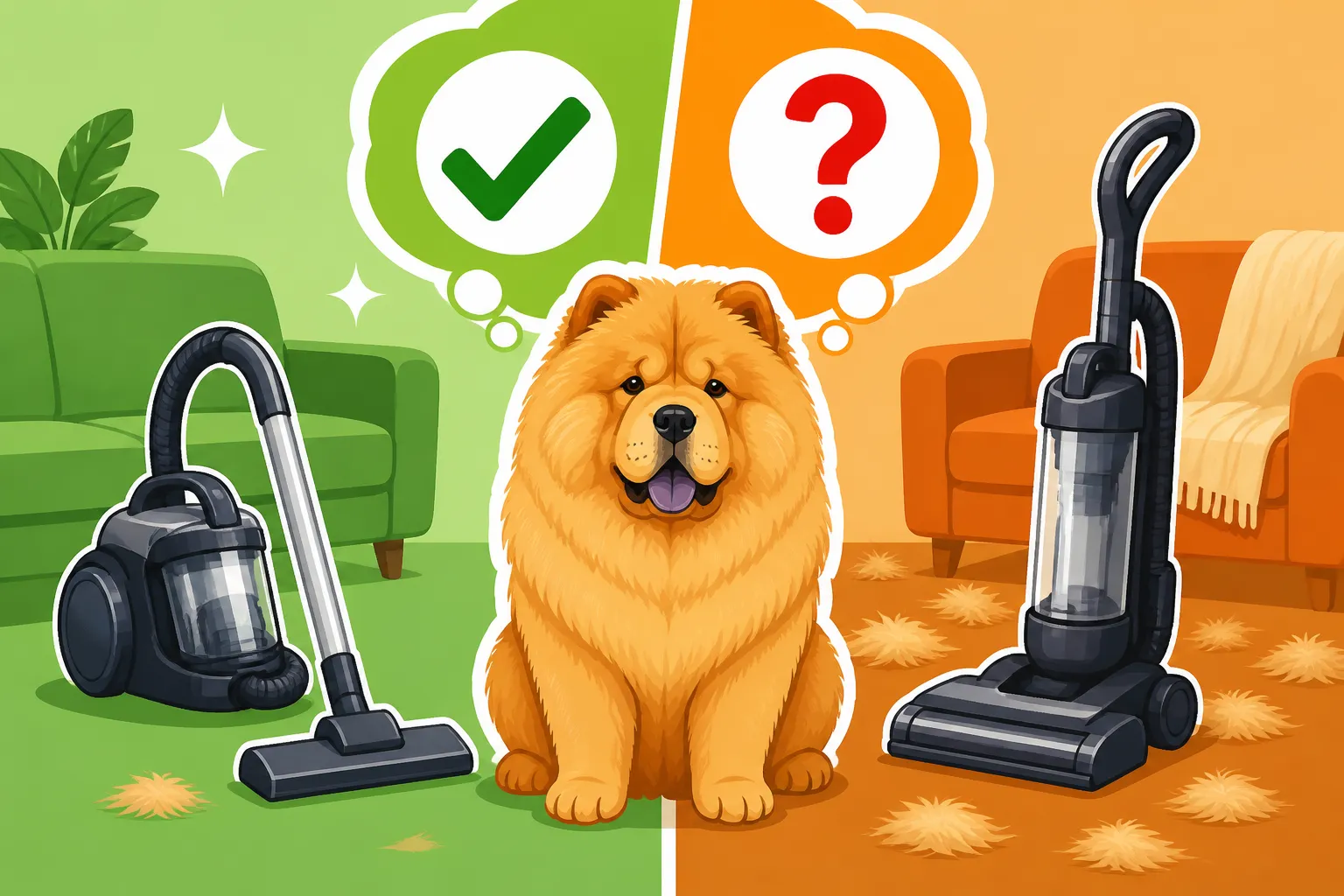
If you're a Chow Chow owner, you know the daily struggle against a veritable cloud of fur is real. It's not just shedding; it's a way of life that often leads to a genuine question: is one vacuum cleaner truly enough to keep your home from becoming a furry winter wonderland year-round? This guide dives deep into the realities of Chow Chow shedding and whether investing in a second vacuum is a practical solution for maintaining a cleaner, happier home.
The Reality of Chow Chow Shedding and Why One Vacuum Might Not Cut It
Let's be honest, living with a Chow Chow means living with fur. It's not a criticism; it's just a fact of life when you're blessed with such a magnificent, lion-like companion. Many new owners, and even some seasoned ones, underestimate the sheer volume of coat these beautiful dogs can produce. It's a constant, never-ending cycle, and trying to tackle it all with a single, general-purpose vacuum often feels like bringing a spoon to a snowstorm.
Understanding the Chow Chow's Double Coat
The Chow Chow's coat is truly a marvel of nature, designed to protect them from harsh climates. They boast a dense, plush undercoat that provides insulation, and a coarser, longer outer coat (often called guard hairs) that shields against elements like rain and snow. It's this luxurious double layer, whether your Chow sports a rough or smooth coat, that's the source of all that glorious, fluffy tumbleweed rolling across your floors. What a Chow Chow's Double Coat Is Made Of explores this in more detail.
When you brush your Chow, or when they simply move from room to room, loose hairs from both layers are constantly being released. The undercoat, in particular, sheds in incredible amounts, especially when it's "blowing." This isn't just surface dirt; these are deeply embedded hairs that your average vacuum might struggle to lift effectively from carpets or even hard floors, especially if they weave themselves into upholstery. The volume alone can quickly overwhelm a vacuum cleaner not specifically designed for heavy pet hair.
The Seasonal Coat Blow Phenomenon
Beyond the daily shedding, Chow Chows experience what's affectionately (or sometimes, exasperatedly) known as "blowing coat" twice a year. This isn't a subtle process; it's an explosion of fur that makes daily shedding look like a light dusting. During these periods, usually in spring and fall, your Chow Chow will shed their entire undercoat to prepare for the changing seasons. The Twice a Year a Chow Chow Blows Its Coat is a must-read for understanding this intense period.
Imagine clumps of cotton-like fur appearing everywhere—under furniture, clinging to clothes, floating through the air. A single vacuum, even a good one, can feel utterly defeated. The filter clogs quickly, the brush roll gets tangled, and the suction seems to diminish with every pass. You might find yourself emptying the canister multiple times just to clean one room, and the thought of tackling the entire house can be downright daunting. This is where many owners first start to ponder if their existing vacuum truly stands a chance.
Everyday Shedding: A Constant Companion
Even outside the major coat blows, a Chow Chow is a consistent shedder. Whether an Indoor Chow Chow Sheds Year Round confirms that, yes, they absolutely do. Because they live indoors in temperature-controlled environments, their coats don't always adhere strictly to seasonal changes; some degree of shedding happens all the time. This means that while the massive coat blow is intense, you'll still be finding fur daily, whether it's on your furniture, embedded in your rugs, or collecting in corners.
This continuous shedding means that relying on a single, heavy-duty vacuum for periodic deep cleans might not be sufficient for daily maintenance. You need a way to quickly and efficiently tackle the daily accumulation without pulling out the "big guns" every single time. This is the argument for having a more convenient, readily available solution for those quick clean-ups, preventing the smaller piles from turning into formidable drifts.
Assessing Your Current Vacuum Situation
Before you rush out and buy another cleaning appliance, it's worth taking a moment to evaluate your current setup. What kind of vacuum do you have, and how well is it actually coping with your Chow Chow's fur? Many household vacuums are designed for general cleaning, not for the specific challenges posed by dense, voluminous pet hair.
What Makes a Vacuum Good for Pet Hair?
When it comes to tackling Chow Chow fur, not all vacuums are created equal. You need certain features to really stand a fighting chance. First and foremost, strong suction power is critical to lift those stubborn hairs from carpets and upholstery. But equally important is a tangle-free or self-cleaning brush roll. Chow Chow fur, especially the undercoat, can wrap tightly around traditional brush rolls, quickly rendering them ineffective and requiring tedious manual cleaning.
Consider the filtration system as well. A good HEPA filter can trap pet dander and fine dust particles, improving air quality, which is a bonus if anyone in your household has allergies. Finally, look for attachments specifically designed for pet hair, like a mini motorized tool, which can be invaluable for cleaning furniture, pet beds, and stairs. Without these features, your current vacuum might be fighting a losing battle, and you'll often find What Chow Chow Fur Does to a Vacuum is not pretty.
The Limitations of Standard Household Vacuums
Many standard upright or canister vacuums, while perfectly adequate for general dust and crumbs, simply aren't up to the task of consistent Chow Chow fur removal. They might lack the necessary suction, their filters clog too quickly, or their brush rolls become hopelessly entangled. This isn't a design flaw for their intended use, but it's a major limitation when you're dealing with a breed known for its prodigious shedding.
You might find yourself going over the same spot multiple times, only to leave behind embedded hairs. Or perhaps the vacuum starts to emit a "burning" smell as the motor strains against tangled fur. These are all signs that your current vacuum is struggling, and continuing to push it beyond its capabilities can lead to premature wear and tear, and ultimately, an early demise for your appliance. It also means your house isn't getting as clean as it could be, despite your best efforts.
When Your Primary Vacuum Isn't Enough
The clearest sign that your primary vacuum isn't enough is when you constantly feel like your home is still furry, even right after you've vacuumed. If you're spending an excessive amount of time detangling brush rolls, replacing filters every other week, or noticing that your vacuum's performance drops off significantly after just one or two rooms, it's a strong indicator that you need more help.
Another sign is the sheer frustration. If vacuuming has become a dreaded chore that leaves you feeling defeated rather than accomplished, it's time to re-evaluate. The goal is to make cleaning manageable, not an Olympic sport. If you find yourself constantly thinking, "There has to be an easier way," then you're likely right. This feeling often prompts owners to consider a complementary vacuum solution, not necessarily a replacement for their main machine, but an addition that streamlines the process.
The Case for a Second Vacuum: Types and Uses
So, if one vacuum isn't cutting it, what's the solution? For many Chow Chow owners, the answer lies in a strategic two-vacuum approach. This doesn't necessarily mean buying another full-sized, expensive upright. Instead, it's about choosing a second vacuum that fills the gaps in your cleaning routine, offering convenience and specialized functionality for specific tasks.
Handheld Vacuums for Quick Cleanup
Imagine spotting a small pile of Chow fur under the dining table, or a few stray hairs on the sofa after your beloved companion just decided to re-position themselves. Pulling out your large, corded upright vacuum for such a minor task feels like overkill, doesn't it? This is where a good handheld vacuum truly shines. These compact, cordless wonders are perfect for those immediate, small-scale cleanups.
They're fantastic for pet beds, furniture cushions, stair risers, and even inside your car – places where a full-sized vacuum is awkward or impossible to maneuver. Look for models with strong suction and a motorized brush attachment for picking up embedded pet hair. Having a handheld unit readily accessible means you can tackle fur spots as soon as they appear, preventing them from spreading and building up. It's a game-changer for maintaining a consistently tidier home with minimal effort. You can find a wide range of options on sites like Chewy that cater to pet owners.
Stick Vacuums for Daily Touch-Ups
For areas that accumulate fur quickly but don't warrant a full deep clean every day, a stick vacuum can be a fantastic second option. These lightweight, often cordless vacuums are excellent for daily touch-ups on hard floors and low-pile rugs. Think of your kitchen, entryway, or living room where fur tends to gather most rapidly. They bridge the gap between a quick handheld clean and a full-house vacuuming session.
A stick vacuum allows you to sweep through high-traffic areas quickly, keeping the fur accumulation at bay without the hassle of dragging out and plugging in a heavier machine. Many come with interchangeable heads, making them versatile for different floor types, and their slim profile makes them easy to store in a closet or corner for immediate access. This daily habit can significantly reduce the overall build-up of fur, making your weekly deep clean much more effective and less arduous.
Robotic Vacuums: The Automated Helper
For some Chow Chow owners, the idea of a "second vacuum" might actually mean a robotic vacuum. These automated cleaners can be absolute lifesavers, especially for managing daily shedding. They roam your home on a schedule, continuously picking up loose fur and dust, essentially acting as a constant fur patrol. While they might not replace your primary heavy-duty vacuum for deep cleaning, they drastically reduce the amount of fur that accumulates between manual vacuuming sessions.
Many modern robotic vacuums are designed with pet hair in mind, featuring stronger suction, larger dustbins, and even tangle-resistant brush rolls. They are particularly effective on hard floors and low-pile carpets. Imagine coming home to noticeably cleaner floors, all thanks to a little robot quietly doing its work while you're out. This can dramatically improve your home's cleanliness and free up your time for other grooming tasks, like regularly brushing your Chow Chow, as described in How Often a Rough Coated Chow Chow Needs Brushing.
| Vacuum Type | Best Use Cases | Pros | Cons |
|---|---|---|---|
| Upright/Canister | Whole house deep cleaning, heavy carpet | Powerful suction, large capacity | Heavy, less maneuverable, corded |
| Handheld | Quick spot cleaning, cars, upholstery, stairs | Portable, cordless, immediate access | Small capacity, limited power |
| Stick | Daily touch-ups on hard floors/low-pile rugs | Lightweight, cordless, easy storage | Less powerful than uprights, small bin |
| Robotic | Automated daily maintenance, hard floors | Hands-off cleaning, constant fur patrol | Can get stuck, not for deep cleaning, can miss spots |
Making Your Vacuum Investment Worthwhile and Keeping Your Sanity
Adding a second vacuum to your cleaning arsenal isn't just about buying another appliance; it's about optimizing your strategy for living with a heavily shedding breed. It’s about being smart with your time and effort, and ultimately, making your life with your Chow Chow more enjoyable.
Strategizing Your Vacuum Routine
The key to success with multiple vacuums is to integrate them into a smart, consistent cleaning routine. Your powerful upright or canister vacuum should still be reserved for weekly or bi-weekly deep cleans of your carpets and major living areas. This is where you tackle the truly embedded fur and give your home a thorough scrub.
However, your secondary vacuum—be it a handheld, stick, or robot—comes into play for daily or every-other-day maintenance. Use the stick vacuum for a quick pass over hard floors in high-traffic zones, or let the robot autonomously manage daily surface fur. The handheld is for immediate spills of fur on furniture or in hard-to-reach spots. By dividing the labor, you prevent massive fur build-ups and make each cleaning task feel less overwhelming. This proactive approach saves you significant time and frustration in the long run.
Beyond the Vacuum: Complementary Grooming Tools
No matter how many vacuums you own, they are only one part of the solution to managing Chow Chow fur. Effective grooming is your first line of defense! Regular brushing, especially during the dreaded coat blow, is paramount. Investing in the right tools, like a good undercoat rake and a high-velocity dryer, can make a monumental difference. How Long Home Grooming a Chow Chow Takes Weekly emphasizes the time commitment, but it pays off.
Brushing your Chow Chow thoroughly a few times a week, especially line brushing down to the skin, removes a huge amount of loose fur before it ever hits your floor. A high-velocity dryer, used outside or in a laundry room, can literally blast loose undercoat off your dog, significantly reducing shedding inside. What a High Velocity Dryer Costs a Chow Chow Owner might give you pause, but it's an investment many Chow owners swear by. These tools, combined with a smart vacuuming strategy, form a powerful defense against the fur monster. Remember, Why a Chow Chow Must Never Be Shaved even when the shedding feels overwhelming, as it can damage their coat and ability to regulate temperature.
Maintaining Your Vacuums for Longevity
Finally, if you're going to invest in multiple vacuums, it's crucial to maintain them properly, especially when they're dealing with Chow Chow fur. This means regularly emptying dustbins, cleaning or replacing filters, and meticulously cleaning brush rolls. Chow Chow fur is notorious for clogging filters and wrapping around moving parts, and neglecting these simple maintenance steps will quickly diminish your vacuum's performance and shorten its lifespan.
For vacuums with brush rolls, check them often and remove any tangled hair, string, or debris. For bagless vacuums, wash filters according to manufacturer instructions. For robotic vacuums, clean the brushes and sensors regularly. A little consistent maintenance goes a long way in ensuring your vacuums perform optimally and continue to fight the good fight against Chow Chow fur, keeping your home cleaner and your sanity intact.
Disclaimer
This article is for general informational purposes only and does not constitute professional advice. Laws, prices and regulations vary by location and change over time. Consult a qualified professional for guidance on your specific situation.